
Filter
5 products
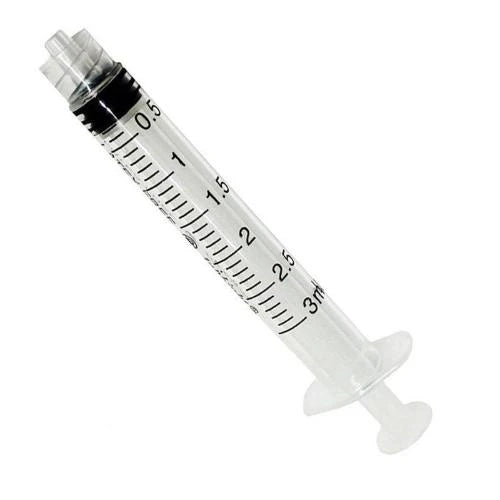
Type: Nursing
BD Syringe 3ml Luer Lock (Pack of 100)
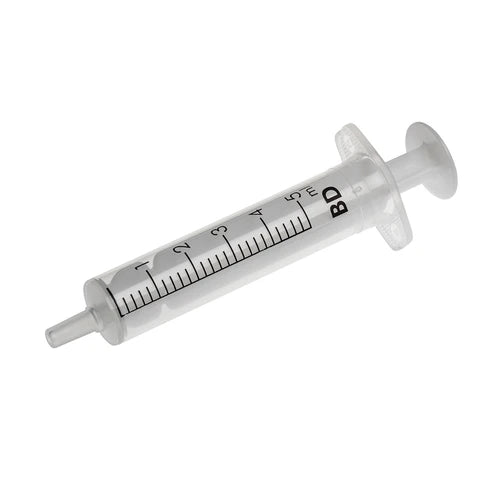
Type: Nursing
BD Discardit II Syringe 5ml (Pack of 100)
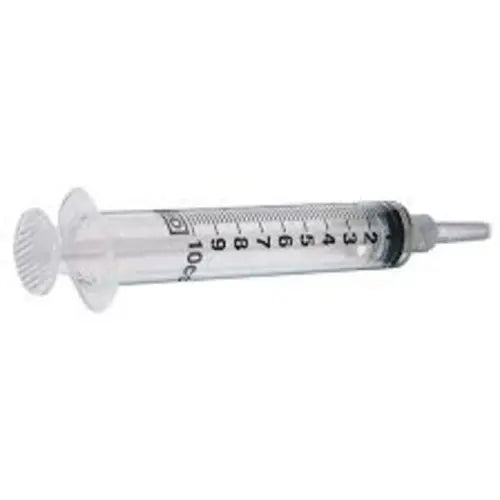
Type: Nursing
BD Luer-Lock Syringe 10ml (Pack of 100)
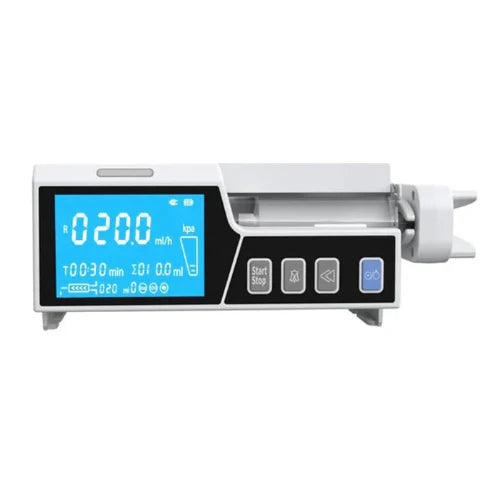
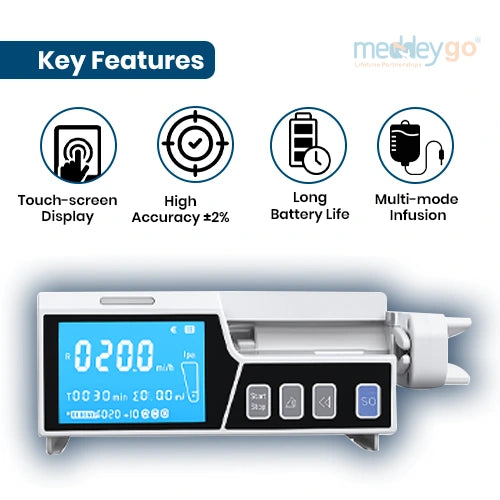
Type: syringe pump
Syringe Pump SP08 with 3.8-Inch Display for Hospital Infusion
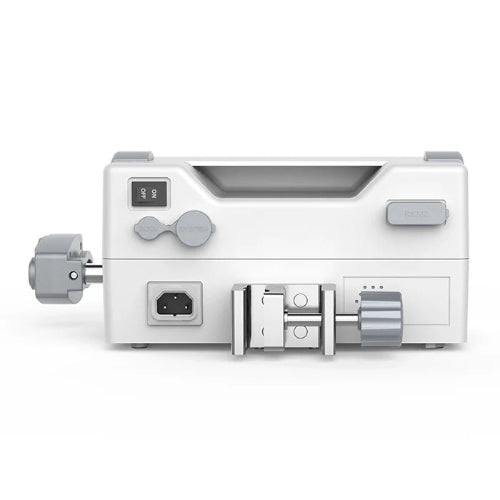
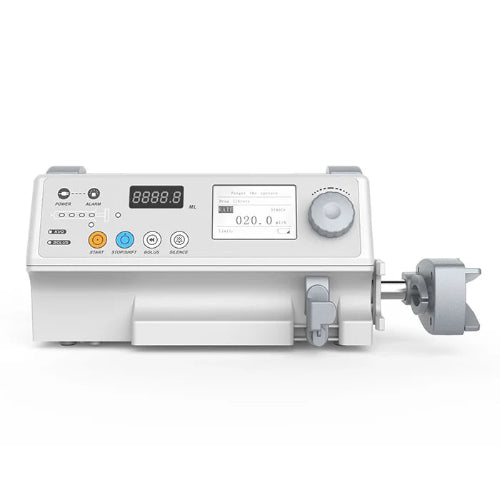
Type: syringe pump
Byond Syringe Pump
Collection:
BD Syringe for Accurate Medication Deliver
Introduction: Why the 10 ML Syringe Is So Commonly Used
The 10 ml syringe is one of the most practical and frequently used syringe sizes in healthcare because it sits in a useful middle range. It is larger than the common 1 ml, 2 ml, 3 ml, or 5 ml syringe formats, but smaller and easier to handle than very large syringe sizes such as 20 ml, 30 ml, or 50 ml. That makes it versatile in many clinical settings.
This is why buyers search for terms such as 10cc syringe, BD 10ml syringe, 10 ml syringe with needle, and 10 ml syringe uses. The size is common enough that most hospitals, clinics, and pharmacies deal with it regularly, but specific product variations still matter. Current BD product pages show that 10 mL syringes are actively sold in both Luer-Lok™ and Luer slip tip versions, which confirms that buyers are not choosing only one universal 10 ml syringe type.
Another reason the topic is frequently searched is that many people use the terms 10 ml syringe and 10cc syringe interchangeably. In practice, these refer to the same fill-volume size, because 1 mL equals 1 cc in syringe-volume terminology. The term “10cc” is therefore simply another common way of saying “10 mL syringe.”
This article explains what a 10 ml syringe is, how it differs by tip type, when a 10 ml syringe with needle is used, what BD 10 ml syringes currently show in their product lines, what the main uses and parts are, and how hospitals, clinics, pharmacies, and students should understand this syringe category more clearly.
Hospitals & Clinics
Useful in many general-use settings where a mid-volume sterile disposable syringe is needed.
Pharmacy & Supply
Commonly purchased in bulk because 10 ml is a versatile standard size in healthcare inventory.
Medical Learning
Important for understanding volume measurement, syringe-tip types, and routine disposable syringe categories.
What Is a 10 ML Syringe?
A 10 ml syringe is a disposable syringe designed to hold up to 10 milliliters of fluid. In common medical usage, this may also be called a 10cc syringe, because 10 cc equals 10 mL in this context.
Current BD product pages describe 10 mL syringes as general-use disposable products and list them in both Luer-Lok and Luer slip tip forms. Current BD 10 mL syringe-only page specifically identifies the product as sterile, single-use, with fill volume 10 mL and typical application listed as general use.
In simple terms, the 10 ml syringe is a standard medium-capacity syringe used when a small syringe would not hold enough fluid, but a much larger syringe would be unnecessary or less convenient.
Simple Definition
A 10 ml syringe is a disposable syringe that holds up to 10 milliliters of fluid and is commonly used for general medical purposes.
10 ML Syringe and 10CC Syringe: Are They the Same?
Yes. A 10 ml syringe and a 10cc syringe are the same size in practical medical measurement language. “cc” stands for cubic centimeter, and 1 cc equals 1 mL. So 10 cc equals 10 mL.
This is why buyers, doctors, nurses, students, and sellers may use either term depending on habit. Some departments say “10 ml syringe.” Others say “10 cc syringe.” Both refer to the same fill volume.
Understanding this is important because many buyers assume the two are different products, when they are actually the same capacity with two different naming styles.
Volume Rule
10 ml syringe and 10cc syringe mean the same thing. They both refer to a syringe with 10 milliliters of capacity.
Current BD 10ML Syringe Options
The search phrase BD 10ml syringe is very common because BD is one of the best-known syringe manufacturers globally. Current BD product pages show that 10 mL syringes are sold in multiple configurations rather than as one single universal format.
Current BD pages show:
- 10 mL BD Luer-Lok™ syringe only
- 10 mL BD Luer slip tip syringe only
- 10 mL BD syringe-and-needle combinations in sterile single packaging
- 10 mL BD tip-control and pharmacy convenience pack variants
Current BD specifications identify 10 mL fill volume, general-use application, disposable product status, and sterile single-use packaging for the syringe-only Luer-Lok page. Current BD combination product pages also describe syringe-and-needle combinations as convenient sterile packaged units for administering medications.
This means that a buyer searching “BD 10ml syringe” still needs to check whether the requirement is syringe only, syringe with needle, Luer slip, or Luer-Lok.
BD Luer-Lok
Provides a more secure screw-type connection between syringe and compatible device or needle.
BD Luer Slip
Uses a friction-fit connection where the needle or device is pushed on rather than locked by screw threads.
Syringe Only
Useful when the healthcare setting chooses the needle separately or connects the syringe to another compatible device.
Syringe with Needle
Convenient when a sterile pre-combined package is preferred for medication administration.
What Is a 10 ML Syringe with Needle?
A 10 ml syringe with needle is a sterile packaged syringe-and-needle combination where the syringe body and needle are supplied together as a ready-to-use unit. Current BD product pages explicitly describe 10 mL syringe and needle combinations as convenient ways to administer a variety of medications and state that they come in single sterile packaging.
This product format is useful because it reduces the need to match separate syringe and needle components at the time of use. For some healthcare settings, this improves convenience, stock handling, and procedural readiness.
However, it is important to understand that not every 10 ml syringe is sold with a needle attached or included. Some are syringe-only products intended for use with separate needles or other compatible devices.
| Format | Main Meaning | Common Buying Logic |
|---|---|---|
| 10 mL Syringe Only | Syringe body without needle | Useful when needle or device is selected separately |
| 10 mL Syringe with Needle | Ready sterile syringe-and-needle combination | Useful for convenience and immediate compatibility |
| Luer-Lok 10 mL Syringe | Secure lockable tip connection | Preferred where connection security matters |
| Luer Slip 10 mL Syringe | Push-fit tip connection | Common for general use where slip connection is acceptable |
10 ML Syringe Uses
The search phrase 10 ml syringe uses is one of the most practical questions in this category. A 10 ml syringe is usually chosen when the required fluid volume is greater than what a 1 ml, 3 ml, or 5 ml syringe comfortably handles, but still within a moderate manageable range.
Current BD product pages describe the 10 mL syringe as a general use syringe. That wording is important because it reflects how versatile the size is. In broad healthcare terms, 10 ml syringes may be used in medication-related workflows, irrigation or flushing-related contexts when appropriate products are chosen, aspiration-related steps in certain settings, and other general-use tasks where a mid-volume sterile syringe is required.
It is also helpful to note that current BD PosiFlush pages mention 10 mL saline-filled syringes in vascular access flushing contexts and state that 10 mL syringe sizing is linked to device recommendations in those settings. That shows how the 10 mL format is relevant even beyond standard empty syringes, though prefilled flush products are a separate product class.
General Medical Use
Current BD pages explicitly list the 10 mL syringe as a general-use disposable syringe.
Mid-Volume Handling
Useful when a smaller syringe is not enough but a large syringe would be unnecessary.
Medication Workflows
Syringe-and-needle combinations are currently described by BD as suitable for administering a variety of medications.
Device Compatibility
Luer-Lok and Luer slip formats allow the syringe to serve different connection needs.
Main Parts of a 10 ML Syringe
Understanding syringe parts is important because buyers and students often focus only on the volume size and ignore the structural features that affect use and compatibility.
The main parts of a 10 ml syringe usually include:
- Barrel with measurement markings
- Plunger used to draw in or expel fluid
- Plunger stopper for seal and movement control
- Tip such as Luer-Lok or Luer slip
- Flange to support finger grip during use
- Needle if supplied in a syringe-with-needle combination
Current BD pages specifically highlight the syringe tip type as a core specification, which shows how important that part is in product selection. The tip is not a minor detail. It directly determines what the syringe can connect to and how securely.
Parts Reminder
In a 10 ml syringe, the most important buying parts are the barrel size, plunger quality, and tip type, especially when device compatibility matters.
Luer-Lok vs Luer Slip in 10 ML Syringes
One of the most important distinctions in current 10 mL syringe products is the difference between Luer-Lok and Luer slip. Current BD pages explain this clearly. A Luer-Lok tip is generally used when a more secure connection between the syringe and another device or needle is needed. A Luer slip tip uses a friction-fit connection that requires pushing and twisting into the hub rather than locking.
This means the buyer should not choose only by fill volume. Two 10 mL syringes may both hold the same volume but still serve different connection needs depending on tip style.
In practical supply terms:
- Luer-Lok is useful where extra connection security is preferred
- Luer slip is useful where a simple push-fit connection is acceptable
- Hospitals often stock both because different settings use different connection standards
Tip-Type Rule
A 10 mL syringe is not fully specified until the tip type is known. Volume alone does not tell the whole buying story.
BD Syringes and Why They Are So Commonly Searched
The keyword BD syringes is common because BD remains one of the most recognized syringe manufacturers in healthcare. Current BD product lines actively list conventional syringes and needles across many sizes, including 10 mL, and present both syringe-only and syringe-and-needle combinations.
BD’s strong market presence means that buyers frequently use the brand name almost as a shorthand for reliable syringe products. However, the buyer still needs to confirm product type, because “BD 10 ml syringe” can mean a syringe-only model, a Luer-Lok model, a Luer slip model, a pharmacy convenience pack, or a syringe with needle.
That is why good procurement should always look beyond brand recognition and confirm the exact variant required.
Recognized Brand
BD is widely recognized in syringe and needle product lines, including 10 mL sizes.
Multiple Variants
Current BD pages show that 10 mL syringes are available in more than one tip and packaging format.
General Use Positioning
Current BD pages list 10 mL syringe products with “general use” application language.
Single-Use Sterility
Current BD 10 mL syringe-only pages describe the products as sterile, single-use.
10 ML Syringe vs Smaller Syringes
A 10 ml syringe is often chosen when smaller syringes such as 1 ml, 3 ml, or 5 ml are not sufficient for the intended volume. The advantage of the 10 mL size is that it provides more capacity without becoming as large or as cumbersome as 20 mL or larger syringes.
This makes it particularly useful in mid-volume healthcare workflows. A smaller syringe may require multiple fills for the same amount of fluid. A larger syringe may be unnecessarily bulky. The 10 mL size often feels like the practical middle point.
That is why the 10cc format has remained one of the most stable and useful standard syringe sizes across many healthcare settings.
Selection Reminder
The best syringe size is not always the biggest or the smallest. The 10 mL size is popular because it balances manageable handling with useful capacity.
How Hospitals and Clinics Should Choose 10 ML Syringes
Hospitals and clinics should choose 10 mL syringes according to the exact workflow, not only the volume requirement. Good procurement should consider tip type, syringe-only versus syringe-and-needle combinations, packaging quantity, and whether the syringe is intended for general use, flushing systems, or a particular device connection pattern.
Practical buying questions include:
- Do we need Luer-Lok or Luer slip?
- Do we need syringe-only stock or syringe-with-needle combinations?
- Is the syringe meant for general-use stock or a specific procedure type?
- What packaging format is most suitable for the department?
- Do we need convenience packs, shelfpacks, or case quantities?
Current BD packaging pages show different case and shelfpack structures for 10 mL syringe variants, which confirms that even the same volume size may come in very different institutional buying formats.
Frequently Asked Questions
What is a 10 ml syringe?
A 10 ml syringe is a disposable syringe designed to hold up to 10 milliliters of fluid.
Is 10cc syringe the same as 10 ml syringe?
Yes. In syringe measurement, 10 cc and 10 mL mean the same volume.
What are common 10 ml syringe uses?
Current BD pages describe the 10 mL syringe as a general-use syringe, which reflects its broad usefulness in healthcare workflows.
What is a 10 ml syringe with needle?
It is a sterile packaged syringe-and-needle combination supplied together as a ready-to-use unit.
What is the difference between Luer-Lok and Luer slip in BD 10ml syringe?
Luer-Lok provides a more secure lockable connection, while Luer slip uses a push-fit friction connection.
Are BD 10 mL syringes sterile and single-use?
Current BD 10 mL syringe-only page describes the product as sterile, single-use.
What types of BD 10ml syringes are available?
Current BD pages show Luer-Lok, Luer slip, syringe-only, convenience-pack, and syringe-with-needle variants.
Why is 10 mL a popular syringe size?
Because it offers useful mid-volume capacity without the handling bulk of larger syringes.
Conclusion
The 10 ml syringe remains one of the most useful syringe sizes because it offers practical capacity, manageable handling, and broad compatibility across many healthcare workflows. Whether a buyer searches for a 10cc syringe, a BD 10ml syringe, or a 10 ml syringe with needle, the most important thing is to understand the actual variant being selected. Tip type, packaging format, and whether the product is syringe-only or a combination unit all matter. Once those details are clear, the 10 mL syringe becomes much easier to choose correctly for clinical, pharmacy, or educational use.