Filter
14 products
Type: Sphygmomanometer
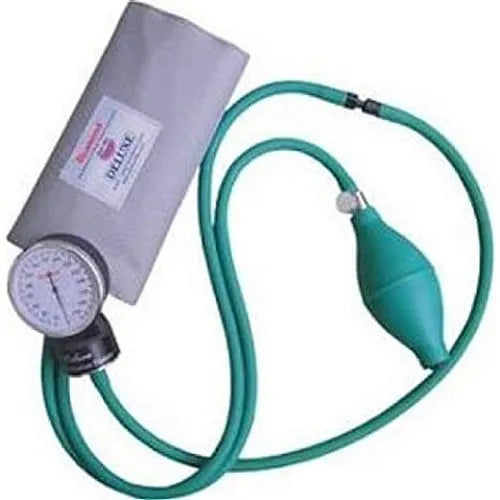
Diamond Dial Deluxe Sphygmomanometer with Field Calibration BP Apparatus
Type: Sphygmomanometer
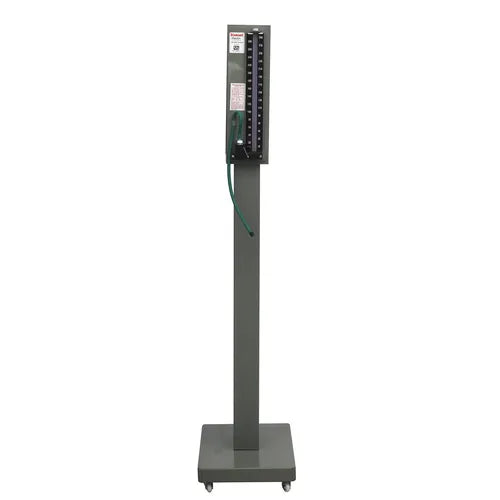
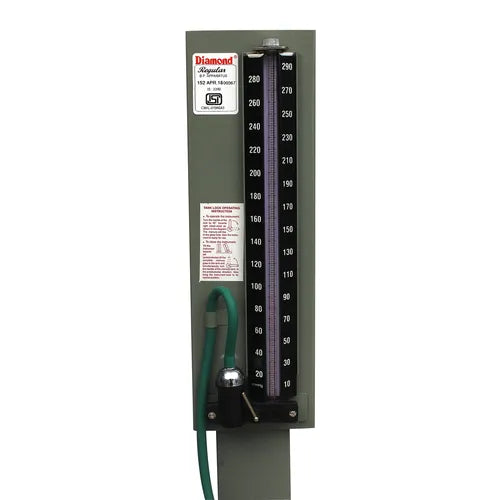
Diamond Mercurial BP Instrument Stand Model with Velcro Cuff BPMR152
Type: Sphygmomanometer
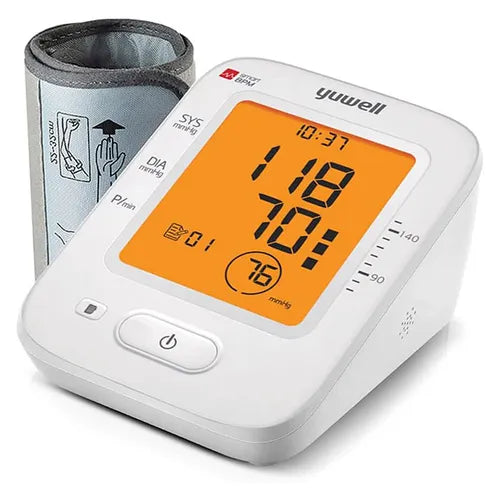
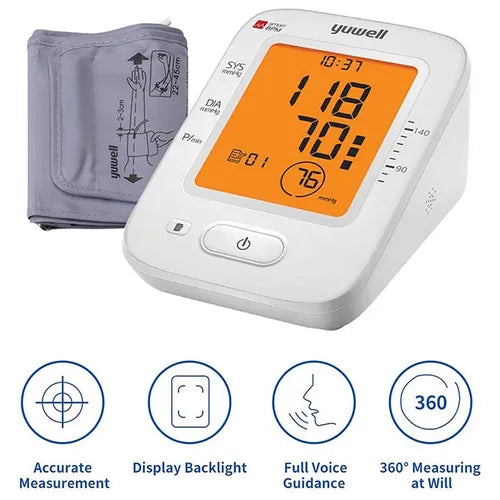
Digital BP Monitor Yuwell YE660F
Type: Home Healthcare
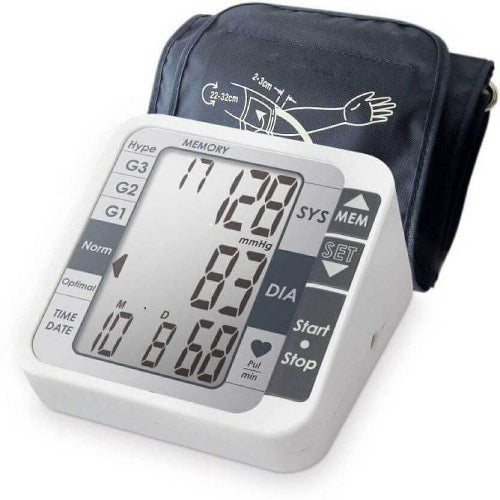
AccuSure TS Smart Inflation BP Machine
Type: Sphygmomanometer
Palm Type Aneroid Sphygmomanometer BP Monitor with Stethoscope
Type: Devices
Omron HEM7600T Smart Elite Tubeless BP Monitor for Home Care
Type: Sphygmomanometer
Mercury-Free Manual BP Monitor with LCD Display
Type: Home Healthcare
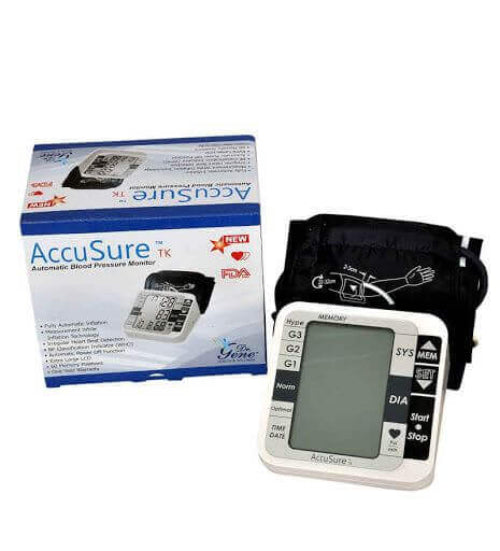
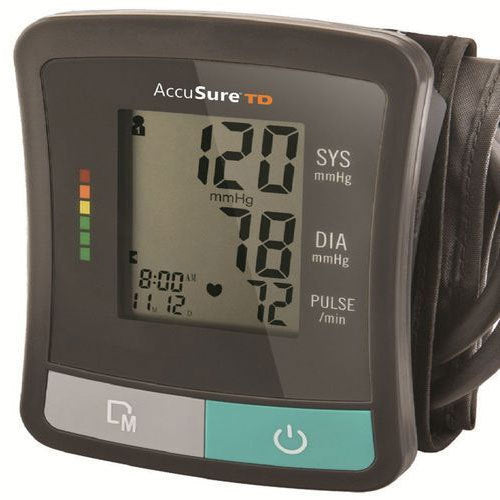
AccuSure TD Digital BP Machine
Type: Home Healthcare
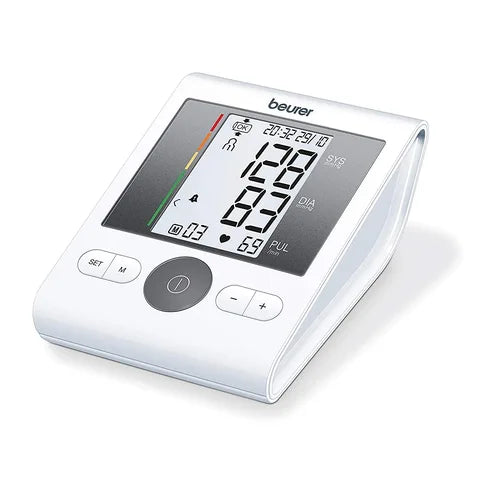
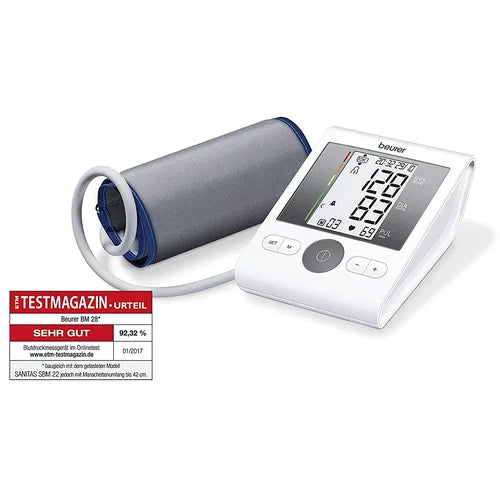
Beurer BM28 BP Machine with German Technology
Type: bp monitor
Omron HBP-9030 Blood Pressure Monitoring Machine with Printer
Type: bp monitor
Omron HBP-9030: BP Monitor with Printer – Ideal for Hospitals & Clinics
Type: bp monitor
OMRON HEM 7530T Blood Pressure Monitor ECG Machine Measure Bp ECG Afib
Type: Manikin
Laerdal Blood Pressure Training Arm with Simulator Kit
Type: Sphygmomanometer
BP Monitor Machine for Clinics Hospitals | Yuwell
Collection:
BP Cuff: Types, Parts, Size, Price, and Complete Guide
Introduction: Why the BP Cuff Matters More Than People Realize
The BP cuff is one of the most familiar medical accessories in the world, yet it is also one of the most underestimated. Many people focus on the blood pressure machine, the digital display, or the mercury or aneroid unit, but they ignore the cuff itself. In reality, the cuff is not a minor accessory. It is the part that physically interacts with the patient’s arm and makes the measurement possible. If the cuff is the wrong size, badly positioned, or poorly maintained, the reading can become inaccurate even when the measuring unit is working properly.
This is why the topic remains highly searched under many different names: bp cuff, sphygmomanometer cuff, bp cuff parts, bp bladder, and bp cuff with sphygmomanometer. Some people want to understand the basic definition. Some want to compare prices. Some want to know what the bladder is. Some want to understand how the cuff fits into the broader blood pressure measurement system.
A blood pressure reading seems simple, but several things can affect its accuracy. Cuff size is one of the biggest. If the cuff is too small, the reading may come out artificially high. If it is too large, the reading may come out lower than the true value. This makes the cuff not only important, but critical.
This article explains what a BP cuff is, what a sphygmomanometer cuff means, what parts are inside the cuff, what the bladder does, how cuff size affects readings, how a BP cuff differs in manual and automatic systems, what affects BP cuff price, and how hospitals, clinics, and home users should think about cuff selection more clearly.
Hospitals & Clinics
Essential for noninvasive blood pressure measurement in wards, ICUs, OPDs, and routine nursing workflows.
Home Monitoring
Important in digital blood pressure monitor use, especially because cuff size strongly affects home reading accuracy.
Medical Supply & Education
Useful for understanding cuff parts, bladder structure, naming differences, and the role of the cuff in BP measurement systems.
What Is a BP Cuff?
A BP cuff is the arm-wrapping part of a blood pressure measuring system. It is the section that inflates around the arm in order to create the pressure conditions needed for measurement. According to FDA device classification language, a blood pressure cuff is a device that has an inflatable bladder inside an elastic sleeve or cuff and includes a mechanism for inflating that bladder.
In simple terms, the cuff is the physical component that temporarily compresses the arm so the device or clinician can measure blood pressure. Without the cuff, there is no proper pressure application around the artery, and without that controlled pressure, there is no meaningful blood pressure reading.
This is why a BP cuff is not just fabric with Velcro. It is a functional medical-device component with structure, measurement purpose, and size requirements.
Simple Definition
A BP cuff is the inflatable arm band used in blood pressure measurement to apply controlled pressure around the arm.
What Is a Sphygmomanometer Cuff?
The term sphygmomanometer cuff is simply the more formal medical name for a BP cuff used with a sphygmomanometer. A sphygmomanometer is the instrument used to measure blood pressure. In manual systems, this often means the cuff, inflation bulb, pressure gauge, and stethoscope-based listening method are all part of one blood pressure measurement setup.
Many people search “sphygmomanometer cuff name” because they know the everyday term BP cuff, but want the formal technical term. In practical healthcare language:
- BP cuff = common everyday term
- Sphygmomanometer cuff = formal device term
Both refer to the same general cuff component, though the exact design may differ between manual and automatic blood pressure devices.
Name Rule
BP cuff and sphygmomanometer cuff usually refer to the same core arm-cuff component used for blood pressure measurement.
How a BP Cuff Works
A BP cuff works by inflating around the upper arm and applying pressure to the tissues and artery beneath it. In a manual setup, the cuff is inflated while a clinician observes the pressure gauge and listens using a stethoscope. In an automatic system, the device inflates the cuff, measures oscillations or pressure changes electronically, and displays the reading.
In both cases, the cuff is central. It creates the controlled pressure environment needed for blood pressure measurement. The cuff must wrap properly around the arm, inflate evenly, and correspond to the user’s arm size.
This explains why the cuff is not merely a soft accessory but an active measurement component.
Arm Compression
The cuff inflates and applies pressure around the arm to support BP measurement.
Measurement Support
It provides the physical condition needed for either manual or automatic blood pressure reading.
System Component
The cuff works together with the gauge or monitor, not separately from it.
Accuracy Dependence
Correct cuff use and correct cuff size strongly influence the final reading.
BP Cuff Parts
The search term bp cuff parts is very common because buyers and learners often see the cuff as one piece, but it actually contains several important parts. The exact design may vary, but the common parts usually include:
- Outer cuff sleeve or wrap
- Inflatable bladder
- Tubing connection
- Fastening system such as Velcro
- Index or size marker
- Connector to bulb, gauge, or monitor
In manual systems, the cuff is connected to an inflation bulb and pressure gauge. In many digital systems, the cuff connects directly to the automatic monitor. Even though the external appearance is simple, the cuff is designed carefully so pressure is distributed appropriately and the reading process remains reliable.
| Part | Main Role | Why It Matters |
|---|---|---|
| Outer Cuff Sleeve | Wraps around the arm and holds internal parts in place | Provides structure and positioning support |
| Bladder of BP Cuff | Inflates to create pressure around the arm | The most functionally important internal component |
| Tubing | Carries air to and from the cuff | Connects the cuff to the inflation or monitoring system |
| Fastening Area | Secures the cuff on the arm | Important for correct fit and placement |
| Size Markers | Help confirm whether the cuff fits properly | Crucial because cuff size affects reading accuracy |
What Is the BP Bladder?
The bp bladder or bladder of bp cuff is the inflatable inner component inside the cuff. This is the part that actually fills with air and produces the pressure needed around the arm. FDA’s device definition explicitly mentions the inflatable bladder inside the cuff structure.
In simple terms, the cuff sleeve is the outer housing, but the bladder is the working pressure chamber. When the cuff inflates, it is really the bladder inflating inside the cuff wrap that creates the measurement pressure.
This is why damage to the bladder, leakage, or poor internal fit can affect cuff performance. The bladder is one of the most important functional parts of the entire blood pressure cuff system.
Bladder Rule
The bladder is the inflatable inner chamber of the BP cuff and is the part that actually produces pressure around the arm.
Why BP Cuff Size Matters So Much
One of the most important facts about blood pressure measurement is that cuff size matters. This is not a small detail. Mayo Clinic states clearly that using a cuff that is too large or too small can result in inaccurate blood pressure readings. The American Heart Association also notes that too-small cuffs can overestimate blood pressure and too-large cuffs can underestimate it.
This means a poor cuff fit can create false reassurance or false concern. Someone may appear to have high blood pressure because the cuff is too small, or appear better controlled than they really are because the cuff is too large.
This is exactly why hospitals, clinics, and home users should not treat cuff size as an afterthought. It is a core part of accurate measurement.
Too Small Cuff
Can make readings come out higher than they should be.
Too Large Cuff
Can make readings appear lower than the true blood pressure.
Correct Size
Improves the chance that the reading reflects the patient’s actual blood pressure.
Home Monitoring Impact
Especially important in home use, where one wrong-sized cuff may be used repeatedly.
BP Cuff with Sphygmomanometer
A bp cuff with sphygmomanometer usually refers to a manual blood pressure measurement setup in which the cuff works together with a pressure-measuring device. In a classic manual setup, this may include:
- BP cuff
- Inflation bulb
- Pressure gauge or manometer
- Stethoscope-based listening method
This kind of system is still widely understood in medical education and healthcare practice. It differs from automatic digital monitors, where the cuff is connected to an electronic unit that performs the measurement and displays the values automatically.
The key point is that in both manual and digital systems, the cuff remains central. The measurement technology may differ, but the cuff’s role remains essential.
System Meaning
BP cuff with sphygmomanometer usually means the cuff is being used as part of a broader blood pressure measuring system, not as a standalone item.
Manual BP Cuff vs Digital Monitor Cuff
Manual and digital systems both use cuffs, but the surrounding workflow differs. In a manual system, trained personnel inflate the cuff and interpret the reading using a gauge and clinical method. In a digital system, the monitor inflates the cuff and calculates the reading electronically.
Practical differences include:
- Manual cuffs are often associated with aneroid or mercury-based systems
- Digital cuffs are linked to electronic monitors
- Manual measurement depends more directly on trained operator technique
- Digital measurement depends more on proper cuff fit and device quality
Despite these differences, one thing stays constant: if the cuff fit is wrong, the result may still be inaccurate.
| Type | Main Measurement Style | Common Setting |
|---|---|---|
| Manual BP Cuff System | Inflated and interpreted with gauge-based method | Hospitals, clinics, nursing assessment |
| Digital BP Cuff System | Inflated and processed electronically | Home use, OPDs, quick screening, routine monitoring |
| Automatic NIBP Cuff | Integrated with monitor for repeated automated measurement | Wards, ICU, bedside monitors |
Common BP Measurement Mistakes Related to the Cuff
Several common blood pressure measurement mistakes involve the cuff directly. AHA educational material highlights that cuff over clothing, talking, unsupported arm, and the wrong cuff size can all distort results.
Common cuff-related problems include:
- Using the wrong cuff size
- Wrapping the cuff over clothing
- Placing the cuff incorrectly on the arm
- Allowing the arm to hang unsupported
- Using a cuff that is worn out or damaged
These errors matter because they make the number less reliable, and blood pressure decisions often depend on reliable numbers.
Accuracy Reminder
A wrong cuff size, cuff over clothing, or poor arm support can distort blood pressure readings even if the device itself is working fine. BP Cuff Price
The search term bp cuff price is common because cuffs are sold in several formats: replacement cuffs for digital devices, cuffs for manual sphygmomanometer systems, pediatric cuffs, adult cuffs, large adult cuffs, and specialty cuffs. Because of this variety, there is no single universal BP cuff price.
Price usually depends on:
- Cuff size category
- Adult or pediatric use
- Manual vs digital compatibility
- Replacement cuff vs full system
- Hospital-grade vs retail home-use product
This means price comparison should always include product type. A replacement upper-arm cuff for a digital home monitor is not the same product as a manual sphygmomanometer cuff or a specialty hospital-use cuff.
Price Rule
BP cuff price should be compared by cuff type, size, and device compatibility — not just by one visible number.
What Makes a Good BP Cuff?
A good BP cuff is not only one that inflates. It should fit properly, work with the intended device, hold pressure correctly, and provide reliable arm coverage for accurate readings. In practice, useful cuff qualities include:
- Correct size for the user’s arm
- Good bladder integrity
- Secure wrapping and fastening
- Proper tubing and connection quality
- Compatibility with the intended monitor or sphygmomanometer
A cuff that looks fine externally but has poor internal bladder quality or wrong fit can still create unreliable readings. This is why cuff quality and cuff size should always be considered together.
Correct Fit
The right fit is one of the strongest influences on reading accuracy.
Reliable Bladder
A proper inflatable bladder is central to the cuff’s performance.
Secure Fastening
The cuff should stay properly positioned during measurement.
Good Compatibility
The cuff should match the monitor or manual system it is intended to be used with.
How Hospitals, Clinics, and Home Users Should Choose a BP Cuff
Hospitals and clinics should keep multiple cuff sizes available because not all patients have the same arm circumference. Mayo Clinic advises that healthcare teams should have several cuff sizes to help ensure accurate readings. Home users should also make sure their monitor includes the correct cuff size, because repeated inaccurate readings at home can create long-term confusion.
Good selection questions include:
- Is the cuff the right size for the user’s arm?
- Is it for manual or digital measurement?
- Is it a replacement cuff or part of a full system?
- Does it match the intended monitor or sphygmomanometer?
- Is it being chosen for adult, pediatric, or large-arm use?
This kind of selection logic is much more useful than buying by appearance or price alone.
Hover Quick Guide
Neeche ke highlighted terms par cursor le jao:
BP Bladder BP bladder cuff ka inflatable inner chamber hota hai. Yehi part air fill karke arm par pressure banata hai. Sphygmomanometer Cuff Ye BP cuff ka formal medical term hai, especially jab cuff blood pressure measuring instrument ke saath discuss kiya jata hai. Wrong Size Cuff Too small cuff reading ko high dikha sakta hai, aur too large cuff reading ko low dikha sakta hai. Isliye size bahut important hota hai. Cuff Over Clothing Kapdon ke upar cuff lagane se reading inaccurate ho sakti hai, isliye bare arm par placement better mana jata hai.
Frequently Asked Questions
What is a BP cuff?
A BP cuff is the inflatable arm band used in blood pressure measurement to apply controlled pressure around the arm.
What is a sphygmomanometer cuff?
It is the formal medical term for the blood pressure cuff used with a sphygmomanometer or blood pressure measuring system.
What are the main BP cuff parts?
Common parts include the outer cuff sleeve, inflatable bladder, tubing, fastening section, and connection system.
What is the bladder of BP cuff?
It is the inflatable inner chamber inside the cuff that actually creates pressure around the arm.
Why does cuff size matter?
Because wrong cuff size can distort readings. Too small may read high, and too large may read low.
What is a BP cuff with sphygmomanometer?
It usually means the cuff is being used as part of a manual blood pressure measuring system with gauge-based measurement.
What affects BP cuff price?
BP cuff price depends on cuff size, use type, compatibility, and whether it is sold as a replacement cuff or part of a full system.
Can a cuff over clothing affect the reading?
Yes. AHA educational material notes that cuff over clothing can change blood pressure readings.
How should hospitals choose cuffs?
Hospitals should keep multiple cuff sizes and match cuff type to the intended measurement system and patient group.
Is the cuff really that important in BP measurement?
Yes. The cuff is a core measuring component, and poor fit or wrong use can make the result inaccurate even if the device is otherwise working.
Conclusion
The BP cuff is one of the most important parts of any blood pressure measuring system because it directly affects how the reading is generated. Whether someone searches for bp cuff, sphygmomanometer cuff, bp cuff parts, bp bladder, or bp cuff price, the most important takeaway remains simple: the cuff is not just a wrap. It is a functional medical-device component with an inflatable bladder, size requirements, and strong influence on reading accuracy. Once that is understood clearly, cuff selection and blood pressure measurement become much more logical and much more reliable.