
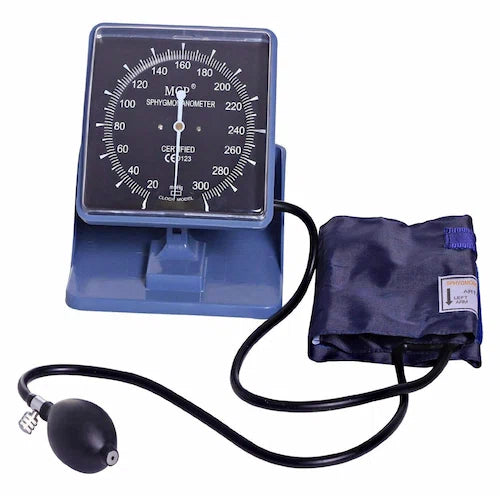

Type: BP Monitor
Desktop Blood Pressure Monitor Clock
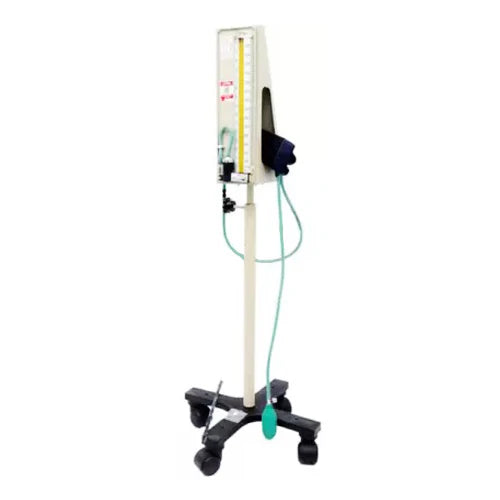
Type: Sphygmomanometer
Mercury BP Monitor Mercury with Stand, For Clinic, 0-300mHg
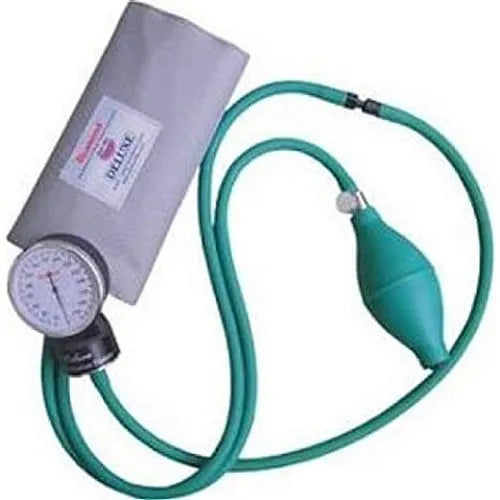
Type: Sphygmomanometer
Diamond Dial Deluxe Sphygmomanometer with Field Calibration BP Apparatus
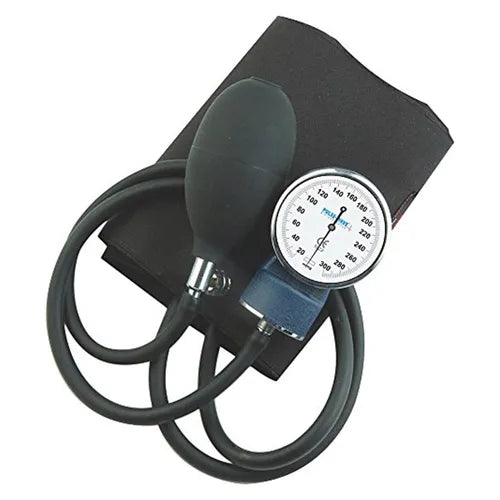
Type: Sphygmomanometer
Portable Aneroid Sphygomanometer

Type: Devices
Omron HBP-1320 Blood Pressure Monitor White
Type: Sphygmomanometer
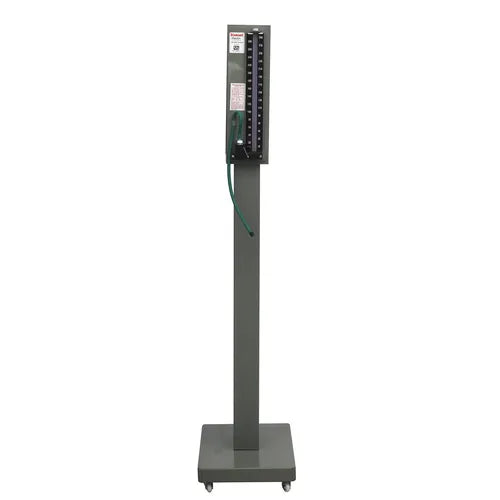
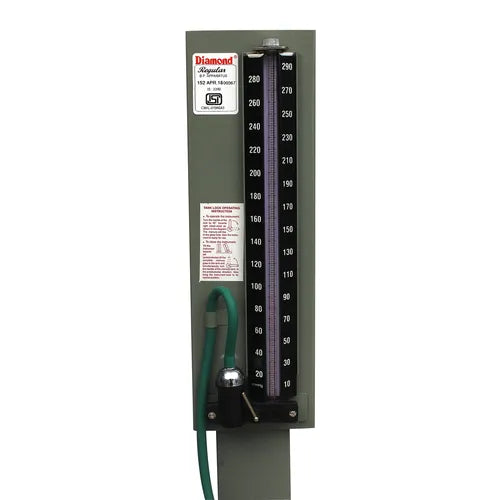
Diamond Mercurial BP Instrument Stand Model with Velcro Cuff BPMR152
Type: Home Healthcare
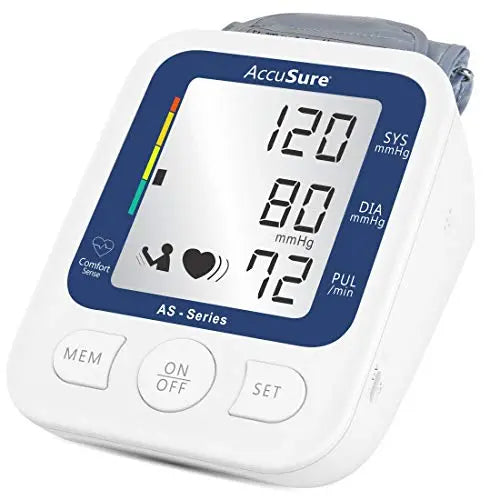
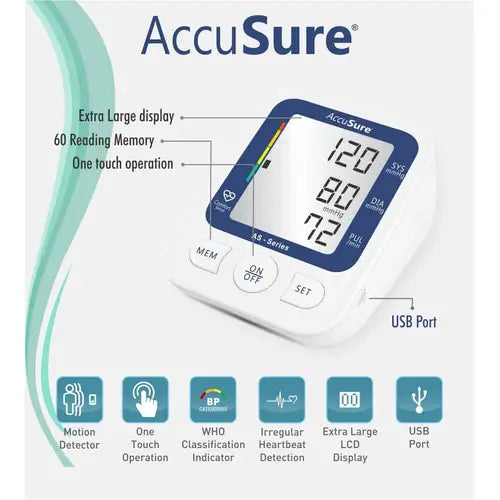
AccuSure AS Extra Large LCD and WHO Approved BP Machine
Type: bpm
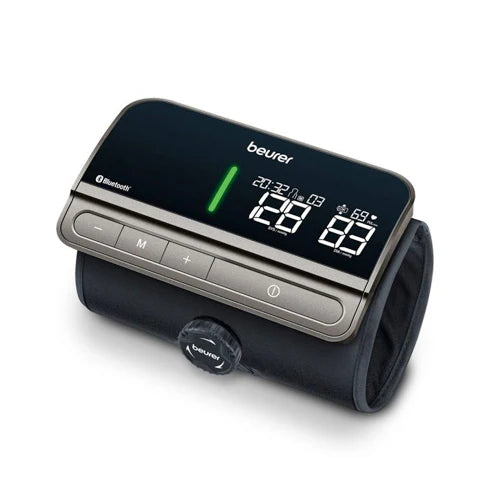
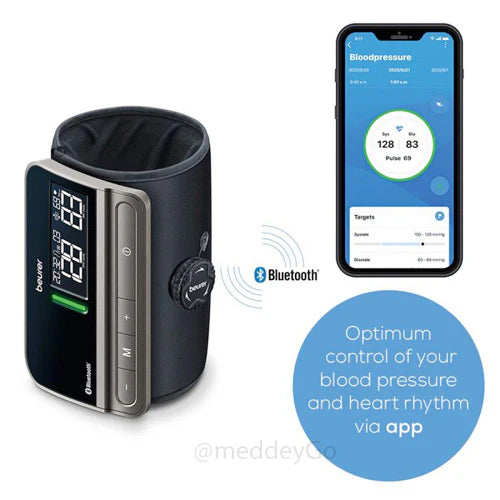
Beurer BM 81 Upper Arm Tubeless BPM with Easy Lock (BT)
Type: Sphygmomanometer
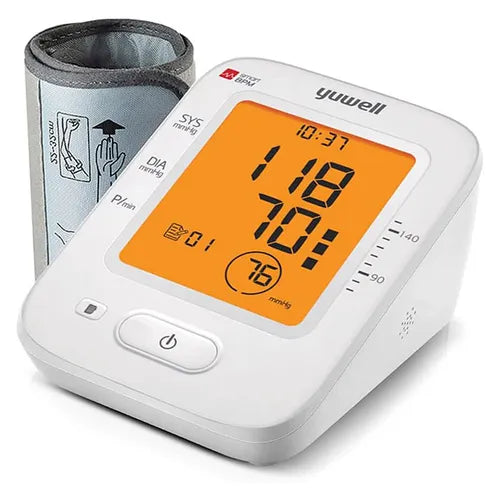
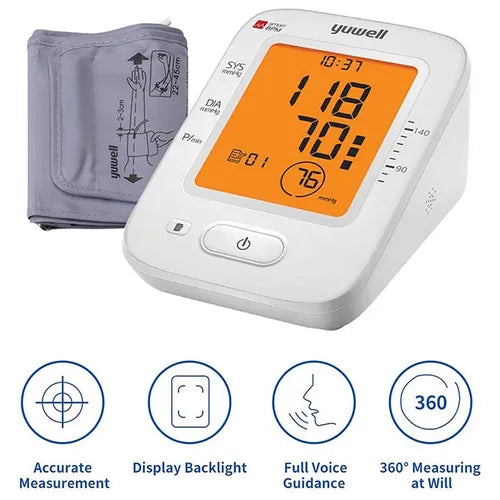
Digital BP Monitor Yuwell YE660F


Type: Sphygmomanometer
Palm Type Aneroid Sphygmomanometer BP Monitor with Stethoscope


Type: Sphygmomanometer
Mercury-Free Manual BP Monitor with LCD Display


Type: Sphygmomanometer
Digital Blood Pressure Machine YE670AR
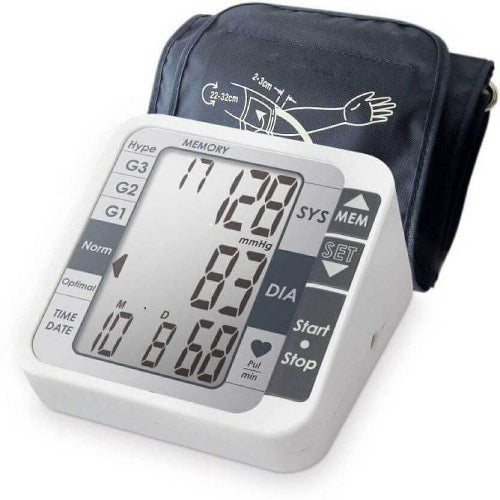
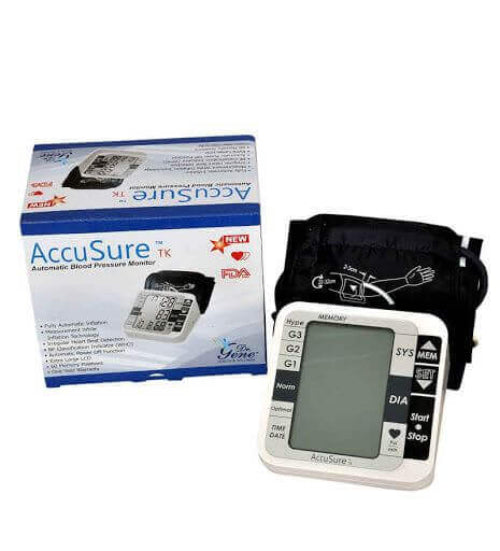
Type: Home Healthcare
AccuSure TS Smart Inflation BP Machine


Type: Devices
Omron HEM7600T Smart Elite Tubeless BP Monitor for Home Care
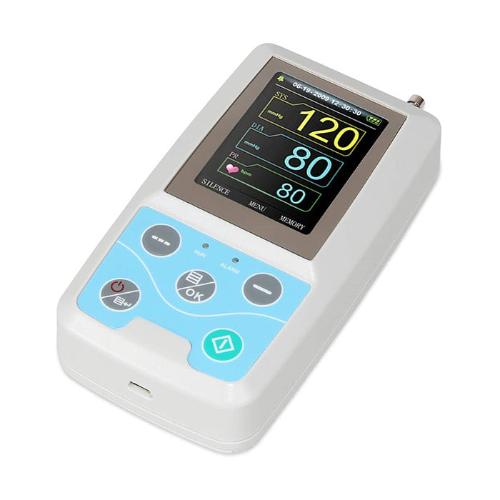
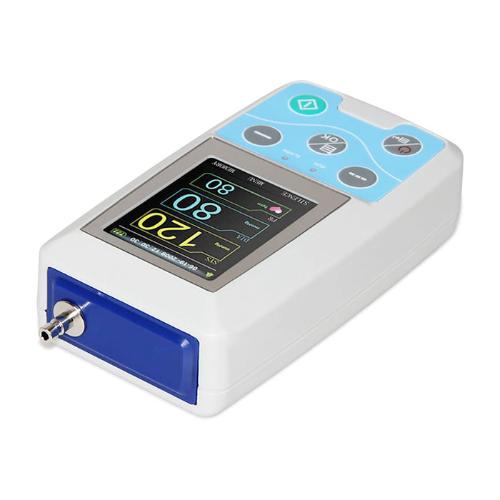
Type: bp monitor
Ambulatory Blood Pressure Monitor with SpO2
Collection:
Comparing Digital and Manual BP Machines

You know the routine: you rush to your appointment, sit on the exam table, and wait for the nurse to start the bp check. Even if you feel perfectly calm, your body often reacts to the subtle stress of the clinical environment, sending your numbers climbing higher than usual.
Medical experts call this common reaction "White Coat Syndrome." According to the American Heart Association, the anxiety of being in a doctor's office can cause a temporary spike in pressure that doesn't reflect your actual health. This creates a confusing puzzle where your results might look alarming in the clinic but perfectly normal when you are relaxing at home.
Think of that annual clinic visit as a single snapshot, whereas regular monitoring offers the full movie. Your blood pressure changes constantly based on what you eat, your stress levels, and even the time of day. A home bp monitor captures these daily patterns, filling in the crucial gaps that a once-a-year appointment simply misses.
Gathering this data yourself transforms a guessing game into a clear picture of your well-being. By tracking trends with your own bp machine, you give your doctor the reliable, real-world evidence they need to treat you accurately rather than reacting to a moment of nervousness.
Summary
Home monitoring counters “White Coat Syndrome” and captures day-to-day trends that a single clinic reading can miss. This guide explains systolic and diastolic pressures (garden hose analogy), compares digital (oscillometric, convenient, consistent) versus manual (Korotkoff sounds, precise with training) devices, and stresses cuff size, the 5-5-5 prep rule, and the superiority of upper-arm over wrist monitors for accuracy. It clarifies irregular heartbeat indicators, why prices vary (clinical validation and smart features), and highlights reputable brand options and use-cases, especially in India. Practical takeaways include basic manual technique and a 7-day logging protocol to turn individual readings into actionable trends for your clinician.
The Garden Hose Analogy: Decoding Systolic and Diastolic Numbers
When your doctor rattles off "120 over 80," it sounds like a math fraction, but these two figures tell a complete story about your cardiovascular workload. Seeing those digits flash on a screen can feel abstract, yet understanding the physical mechanics behind them is the first step toward taking control of your health.
To visualize what is happening inside your arm, imagine your arteries are a garden hose and your heart is the faucet. If you were to turn the water on full blast, the hose would stiffen and expand from the force of the water pushing against the rubber walls. This creates internal physical pressure, which is exactly what your home monitor detects.
The systolic and diastolic pressure explained simply breaks down into two distinct phases:
- The Top Number (Systolic): This is the "active" phase. Like water rushing through the hose when the faucet is wide open, this measures the maximum force against your artery walls when your heart squeezes.
- The Bottom Number (Diastolic): This is the "resting" phase. It represents the pressure remaining in the "hose" between beats while your heart relaxes and refills with blood.
Medical professionals record this bp measurement unit as "mmHg" (millimeters of mercury), a throwback to the days of liquid gauges, but you only need to focus on the numbers themselves. Both values are critical pieces of the puzzle; a high bottom number is just as significant as a high top one. With this foundation set, the next challenge is choosing the right tool to capture these readings accurately.
Digital vs. Manual: Which 'Heart Health Partner' Suits Your Lifestyle?
Walking down the pharmacy aisle or browsing online medical supplies reveals a dizzying array of options, making the selection process feel overwhelming. Most people simply grab the box with the boldest font, but choosing between the two main types of blood pressure machines is actually a decision about your daily habits and technical confidence. You need a device that acts as a supportive partner rather than a complex puzzle, because even the most accurate tool is useless if you dread using it every morning.
Manual aneroid monitors, often identifiable by their rubber squeeze bulb and dial gauge, remain the gold standard for doctors because they rely on direct human hearing. While they offer precise control, they require significant multitasking skills to coordinate pumping the cuff, releasing the valve slowly, and listening for faint pulse sounds with a stethoscope simultaneously. Unless you have formal medical training or a patient family member to assist you, this option often leads to errors and frustration during self-monitoring.
In the ongoing debate of a digital vs manual bp machine, automatic digital models usually win for home use simply because they remove the burden of technique. These devices handle the inflation and "listening" automatically, displaying your results clearly on a screen with the push of a single button. This convenience encourages you to test more frequently, creating a consistent history of data that is far more valuable to your doctor than a single reading that took twenty minutes of struggle to capture.
Finding the right fit is a universal priority, whether you are asking a local pharmacist for advice or searching online for the best bp monitor in india, Europe, or the Americas. Regardless of the brand name on the plastic casing, most modern digital devices operate using the same underlying sensing technology. To fully trust the numbers flashing on that screen, it helps to understand exactly what the computer inside is looking for while it squeezes your arm.
How Your Digital BP Machine Actually 'Thinks'
When you strap on an electronic bp machine and press start, the device isn't actually trying to "hear" your heartbeat in the way a doctor does with a stethoscope. Instead of using a microphone, the plastic casing holds a pressure sensor designed to detect minute changes in the air pressure inside the cuff. As the digital blood pressure monitor inflates and then slowly deflates, it acts more like a sensitive finger on a wrist than a set of ears. This sensor is waiting for the specific moment your blood flow generates enough force to push back against the constriction of the cuff.
The technical term for this process is the oscillating method of measurement , which is essentially the computer's way of tracking vibrations. As blood surges through your arteries, it creates a rhythmic ripple that travels through the arm and displaces the air in the cuff. An automatic bp machine captures these tiny waves to determine your reading. This reliance on vibration explains why staying perfectly still is so critical; if you talk or shift in your chair, the sensor confuses your physical movement with the pulse wave, leading to those frustrating "Error" messages or wildly inaccurate numbers.
Once the sensor collects this vibration data, an internal algorithm crunches the numbers to calculate your systolic and diastolic pressures based on the peak intensity of those waves. Because it uses a mathematical average of the pressure oscillations rather than pinpointing exact sounds, digital devices are incredibly consistent but can occasionally struggle with irregular heartbeats. This algorithmic approach is completely different from the traditional analog technique, which relies entirely on the sharp hearing and manual coordination required to operate a manual sphygmomanometer.

The Mechanics of the Manual Sphygmomanometer
While the digital sensors we just discussed rely on invisible vibrations to guess your pressure, the classic manual bp machine operates on a simpler, more direct principle: listening. This approach is often considered the gold standard in medical settings because it doesn't depend on a proprietary algorithm to interpret your pulse. Instead, it allows a human operator to hear the actual physical return of blood flow, known as Korotkoff sounds, through the artery.
To operate this tool, you must understand the specific bp machine parts name and function:
- Cuff: The fabric sleeve that inflates to temporarily stop blood flow in the arm.
- Bulb & Valve: The rubber pump creates pressure, while the metal screw-valve controls the precise speed of air release.
- Aneroid Gauge: The round, clock-faced dial that displays the pressure reading mechanically.
- Stethoscope: The listening device placed against the skin to detect the pulse sounds.
The process centers on the aneroid gauge . Unlike the debate between aneroid vs automatic monitors where a computer calculates an average, the manual user watches the needle on the dial drop while listening intently. The specific moment a tapping sound begins marks your systolic pressure, and the instant the sound disappears marks the diastolic pressure.
Reliability is the primary advantage of these bp apparatus parts; with no batteries to die and no electrical sensors to confuse, the device works consistently as long as the gear is calibrated. However, even the most accurate professional-grade machine becomes useless if the equipment doesn't actually fit your body. This highlights the most common error in home monitoring.
Why Most People Get the Wrong Reading: The 'Cuff Size' Trap
You might own the most expensive, professional-grade bp machine for home, but accuracy often fails before you even press the start button. The most frequent cause of error isn't a broken sensor or a dying battery; it is the physical fit of the cuff on your arm. Just as you wouldn't expect accurate running times while wearing shoes two sizes too small, you cannot expect a precise blood pressure reading from a cuff that doesn't match your anatomy.
The physics are simple but unforgiving. When a cuff is too small for your arm, the machine must over-inflate to compress the artery, artificially driving your numbers up---a frustration known as "cuff hypertension." Conversely, a cuff that is too large often yields falsely low readings, giving you a dangerous sense of security. Choosing the right cuff size requires a tape measure, not a guess, as "Medium" varies between manufacturers.
Follow these steps to find your specific size range:
- Measure: Wrap a tape measure around the midpoint of your upper arm, halfway between your shoulder and elbow.
- Small/Child: For arms measuring 7--9 inches (18--22 cm).
- Standard/Medium: The most common size, fitting 9--13 inches (22--32 cm).
- Large/Extra Large: Essential for arms measuring 13--18 inches (32--45 cm) or more.
Buying a blood pressure machine for home use is rarely a "one size fits all" transaction. Most standard kits include a medium cuff, which may be tight for anyone with muscular arms or higher body weight. Once you have confirmed your equipment is mechanically calibrated to your body, you must address the final variable in the equation: your physical behavior during the test.
The 5-5-5 Rule for Clinical Accuracy at Home
Even with a perfectly fitted cuff, your own biology can accidentally sabotage the results. Your blood pressure is not static; it fluctuates constantly based on movement, digestion, and stress levels. To distinguish between a dangerous spike and a normal reaction to rushing around the house, you must stabilize your body before pressing "Start."
To strip away these temporary fluctuations, adopt the "5-5-5 Rule" before every reading. Think of this protocol as pressing the "reset" button on your circulatory system, allowing your heart to return to its true baseline. This routine transforms a chaotic snapshot into a reliable medical metric.
Use this checklist for capturing an accurate resting rate:
- 5 Minutes of Rest: Sit in a stiff-backed chair with your feet flat on the floor---crossing your legs can spike readings.
- 5 Minutes of Quiet: Turn off the TV and silence your phone. According to American Heart Association monitoring guidelines, active listening or talking can raise your systolic pressure (the top number) by 10 points or more.
- 5 Inches (Heart Alignment): Ensure the cuff sits at the approximate height of your heart. Resting your arm on a table usually achieves this alignment naturally.
Mastering how to measure blood pressure at home relies on this consistency. If you skip the prep work, you are measuring your activity level rather than your heart health. However, even with the correct arm position for testing, some users find traditional cuffs physically difficult to manage, leading them to consider smaller alternatives.
Upper Arm vs. Wrist Monitors: The Truth About Accuracy
Choosing the best blood pressure machine often comes down to a battle between convenience and clinical precision. While wrist units feel less intrusive and are easier to travel with, nearly every doctor will point you toward an upper-arm cuff as the gold standard. This preference is based on simple fluid dynamics rather than tradition. The brachial artery in your upper arm is larger and located at the same physical level as your heart, making it significantly easier for the device---regardless of the specific bp check machine name or brand---to detect the strong, clear pulse needed for a reliable reading.
Anatomy poses a specific challenge for wrist-based measurements because blood vessels naturally narrow as they reach your extremities. By the time your blood reaches your wrist, the arteries are smaller and the pulse signal is fainter, which makes the sensors much more sensitive to slight body movements or errors. Furthermore, accuracy depends entirely on fighting gravity; if your wrist rests on your lap during the test, it is too low, and the reading will likely be artificially high. For a wrist monitor to provide useful data, you must hold your arm across your chest so the machine sits at the exact height of your heart.
Ultimately, in the upper arm vs wrist monitor debate, the upper arm cuff wins for general consistency, though wrist monitors serve a vital purpose for people with arm mobility issues or very large arms. If you have full mobility, sticking to the upper arm style eliminates variables and helps align your home results with what you see at the doctor's office. Once you have settled on the style of the device, you will likely notice a massive range in cost between models sitting on the same shelf.

Why Digital BP Machine Prices Vary So Much
Staring at a pharmacy shelf reveals a confusing reality: one bp machine price is twenty dollars while its neighbor costs over a hundred. It is natural to assume the expensive model is five times more accurate, but the core technology inside---the pump and pressure sensor---is often remarkably similar across the board. The extra cost usually funds durability and faster processors that can filter out noise from slight movements, ensuring the device lasts longer than a few months of daily use.
Clinical validation represents the single most important factor driving the digital bp machine price up, and it is the one feature you should rarely compromise on. Reputable manufacturers pay specifically to have their devices tested against rigorous standards set by organizations like the Association for the Advancement of Medical Instrumentation (AAMI) or the European Society of Hypertension (ESH). A generic device might be cheaper because it skipped this expensive exam, meaning you are trusting your health to an unverified algorithm rather than a proven medical tool.
Connectivity features largely dictate the upper end of the bp apparatus price spectrum. If a monitor boasts Bluetooth synchronization, colorful touchscreens, or cloud storage for your readings, you are paying a premium for convenience rather than medical precision. For many users, a standard notebook and a pen work just as well as a smartphone app, allowing you to save significant money by opting for a simpler model that still carries the validation seal.
Finding the best value involves ignoring the bp instrument price tag initially and looking solely for that validation mark, then filtering out expensive smart features you do not actually need. While digital monitors offer incredible convenience, some users prefer to eliminate electronic error entirely by learning the traditional method used by doctors.
Mastering the Manual Machine: A Beginner's Guide to Using a Stethoscope
While digital options are convenient, becoming a skilled bp operator of a manual device offers a level of reliability that batteries cannot match. The process begins before you even touch the pump: you must locate the brachial artery. Feel for the pulsing rhythm on the inside of the elbow crook, slightly towards your body. Placing the stethoscope head directly over this pulse is the only way to ensure the sounds you hear are accurate.
Once you have located that pulse, learning how to measure blood pressure at home involves coordinating your hands and ears effectively:
- Secure the Cuff: Wrap the manual bp instrument snugly around the upper arm, aligning the "Artery" arrow directly with the pulse you found.
- Inflate Quickly: Squeeze the bulb rapidly until the gauge reads roughly 30 points higher than your expected top number.
- Deflate Slowly: Crack the valve open just enough to let the needle drop at a steady rate of 2--3 points per second.
- Listen Intently: Note the number when you hear the first rhythmic thump (systolic) and again when the sound disappears (diastolic).
Controlling the air valve often feels clumsy at first, leading to the needle plummeting too fast to read. Think of the release valve like a sensitive faucet; you want a slow, steady drip, not a sudden gush. If the pressure drops too quickly, you will likely miss the start of the heartbeat sounds. Practice releasing the air without the cuff on your arm to build muscle memory.
Mastering this skill turns you into your own auditor, allowing you to verify a digital bp check machine if the numbers look suspicious. However, manual listening relies entirely on your focus and hearing. Digital monitors offer a different advantage: their sensors can detect complex rhythm anomalies that the human ear often misses, a feature we will explore next regarding irregular heartbeat indicators.
Decoding the 'Irregular Heartbeat' Icon
While manual monitoring requires a trained ear to catch skipped beats, modern irregular heartbeat detection technology acts as an automated safety net. You might occasionally see a jagged heart icon or a flashing symbol appear on your screen alongside your numbers. This isn't necessarily an immediate crisis; it simply means the bp monitor machine detected a rhythm deviation of more than 25% from the average heartbeat during the measurement. Instead of panic, view this feature as a "check engine" light prompting you to pay closer attention to your body's patterns.
Understanding the logic behind these digital sphygmomanometer features helps distinguish between a medical alert and a simple error. The computer inside the device expects a steady metronome beat; if you sneeze, shift in your chair, or talk while the cuff is inflating, the pressure sensor interprets those physical vibrations as rhythm anomalies. Consequently, a single appearance of this icon often indicates that you were not perfectly still rather than a heart defect. Retaking the reading after five minutes of quiet rest usually resolves these "phantom" arrhythmias.
Consistency is the key to interpreting this data effectively. If the symbol appears frequently---specifically, several times a week across different times of day---it serves as valid evidence to share with your healthcare provider for further investigation. However, reliable detection depends heavily on the quality of the device's sensors, as budget models often struggle to separate background noise from genuine heart signals. To ensure you have equipment you can trust, we will next evaluate the top contenders in our breakdown of "Best BP Machine Brands in India: A Practical Review."
Best BP Machine Brands in India: A Practical Review
Standing in a pharmacy aisle staring at a wall of white boxes can feel overwhelming, especially when accuracy is non-negotiable. You aren't just buying a gadget; you are investing in peace of mind. While many devices claim to be the top 5 best bp monitor in india, the real test lies in a combination of clinical precision and after-sales support. A trustworthy manufacturer ensures that if your device needs calibration or a new cuff in two years, a local service center is actually available to help.
For most home users, Omron remains the gold standard largely due to its proprietary "Intellisense" technology. Unlike older models that squeeze every arm with the same crushing force, this feature automatically adjusts inflation pressure based on your specific arm size and current reading. As a leading best bp machine brand, they strike a necessary balance between advanced sensors and a user-friendly interface, ensuring you don't need a medical degree to get a reliable number.
If you visit a doctor's clinic, however, you will likely see a mercury-free Diamond bp apparatus on their desk. These manual devices are incredibly durable and accurate, but they require a stethoscope and trained hearing to use effectively---making them excellent for professionals but difficult for the average patient. For those seeking a middle ground between professional durability and home convenience, a Medtech bp machine offers robust build quality at a accessible price point, often serving as a reliable choice for budget-conscious families.
Choosing the right tool depends entirely on who will use it most. Use this quick guide to match the machine to the user:
- For Professionals (Manual): Diamond (Unmatched durability, requires training to operate).
- For Budget/Backup (Semi-Auto): Medtech (Reliable sensors, lower cost).
Once you have selected your device, the final step is turning those daily readings into a long-term strategy in "Your Heart Health Action Plan: Transitioning from Observer to Manager."
Your Heart Health Action Plan: Transitioning from Observer to Manager
Taking charge of your heart health starts with removing the mystery from the machine. You have moved past the anxiety of the tightening cuff and now understand that those two numbers are simply a status report on your heart's workload. By mastering the basics of cuff placement and body posture, you have transformed a medical device into a practical tool for daily wellness.
Put this knowledge to work by shifting your focus from achieving a "perfect" score to establishing a consistent trend. Your most valuable next step is to create a reliable data set for your doctor by committing to a one-week tracking hypertension at home experiment. This provides a clearer picture of your true health than a single, nervous measurement in a clinic ever could.
Your 7-Day Tracking Protocol:
- Pick a standard week: Choose 7 days where your routine is typical to avoid skewed results.
- Double up: Measure once in the morning before medication and once in the evening.
- Lock the time: Use your home bp monitor at the same times each day (e.g., 8:00 AM and 8:00 PM) to minimize variables.
- Log everything: Write down every reading---even the high ones---to show the full pattern.
Remember that effective blood pressure monitoring is about the long game, not a single moment in time. One elevated reading doesn't define your health, but a consistent record helps you protect it. With this 7-day log in hand, you are ready to walk into your next appointment not just as a patient, but as an active partner in your heart health journey.
Q&A
Question: Why are my blood pressure readings higher at the clinic than at home?
Short answer: That’s often White Coat Syndrome—temporary anxiety in medical settings can spike your pressure and make a single office reading look worse than your real, day‑to‑day numbers. A clinic visit is a snapshot; home monitoring is the full movie. Regular, relaxed measurements at home build a trend that gives your doctor a truer picture than one stressed moment.
Question: Should I buy a digital or a manual BP machine for home use?
Short answer: For most people, a digital automatic monitor is best at home. It inflates, measures, and displays results with one button, reducing user error and encouraging consistent tracking. Manual aneroid devices can be very precise in trained hands using Korotkoff sounds, but they demand coordination with a stethoscope and are easy to misread without practice—better suited to clinicians.
Question: How does a digital BP monitor “think,” and why must I sit perfectly still?
Short answer: Digital monitors use the oscillometric method: a pressure sensor tracks tiny vibration waves in the cuff as it deflates, then an algorithm calculates systolic and diastolic values from those oscillations. Movement, talking, or shifting creates extra vibrations that the sensor can mistake for pulse waves, causing errors or skewed readings—hence the need to sit quietly and still.
Question: Are wrist BP monitors accurate compared to upper‑arm models?
Short answer: Upper‑arm cuffs are the accuracy gold standard because they measure at the brachial artery (larger and naturally at heart level). Wrist arteries are smaller and more position‑sensitive; if your wrist isn’t exactly at heart height, results can be off. Wrist units are useful if upper‑arm cuffs don’t fit or mobility is limited, but if you can use an upper‑arm monitor, choose it for consistency.
Question: How can I get reliable, doctor‑useful readings at home?
Short answer: Nail three basics: fit, prep, and logging. 1) Fit: measure mid‑upper arm and choose the right cuff—Small 7–9 in (18–22 cm), Medium 9–13 in (22–32 cm), Large 13–18 in (32–45 cm); wrong sizes skew results. 2) Prep with the 5‑5‑5 rule: 5 minutes of rest, 5 minutes of quiet, cuff at heart height (about 5 inches alignment via arm support). 3) Log a 7‑day protocol: measure morning (before meds) and evening at the same times, and record every reading to reveal actionable trends.