

Type: General Accessories
Premium Manual Breast Pump


Type: MeddeyGo
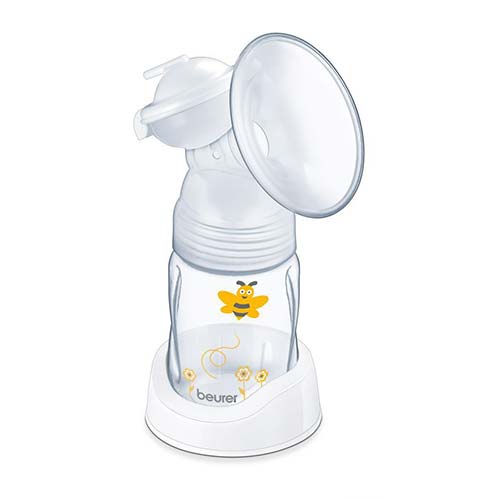
Breast Pump – Beurer BY 15 Manual Breast Pump
Type: MeddeyGo
Beurer BY 15 Manual Breast Pump
Type: MeddeyGo
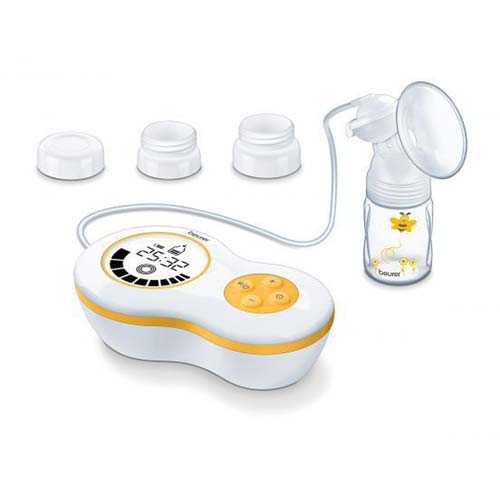
Beurer BY 40 Electric Breast Pump
Collection:
Choosing the Right Breast Pump for You

The Role of Breast Pumps in Modern Parenting
In today's fast-paced world, breast pumps have become essential for many parents. They offer flexibility and freedom for mothers who wish to continue breastfeeding while managing their professional and personal commitments. By allowing the expression and storage of breast milk, pumps enable mothers to maintain their milk supply and provide breast milk even when they are not physically present.
Manual vs. Electric Breast Pumps
Manual Breast Pumps are hand-operated and do not require electricity or batteries. They are generally quieter and more portable, making them ideal for on-the-go use. However, they can be more time-consuming and require more effort than their electric counterparts. The simplicity of manual pumps makes them a great choice for occasional use or as a backup option.
Electric Breast Pumps, on the other hand, are powered either by a battery or through an electrical outlet. They are typically more efficient and faster, making them a popular choice for frequent use. With adjustable suction levels and speed settings, electric pumps often offer more comfort and convenience. They come in both single and double models, catering to different needs and preferences. Double electric pumps, for instance, can save significant time by allowing simultaneous expression from both breasts.
Innovations in Breast Pump Technology
Recent advancements in breast pump technology have introduced features like app connectivity, silent operation, and customizable pumping programs. Some pumps now integrate with smartphone apps, allowing mothers to track milk output and adjust settings with ease. Additionally, the development of wearable breast pumps has revolutionized the market, offering discrete and hands-free options that fit seamlessly into a mother's daily routine.
Factors to Consider When Choosing a Breast Pump

Suction Strength and Speed Settings
One of the most important features to consider is the suction strength and speed settings. Different pumps offer various levels of suction, which can affect comfort and milk flow. Adjustable settings allow you to find the most comfortable and efficient rhythm for milk expression. Finding the right balance in these settings is crucial, as too much suction can cause discomfort, while too little may not be effective for milk extraction.
Portability and Ease of Cleaning
For mothers who need to pump on-the-go, portability is key. Portable breast pumps are compact and lightweight, making them easy to transport. Many models come with carrying cases or built-in battery packs, adding to their convenience. Additionally, ease of cleaning is an important consideration. Pumps with fewer parts or dishwasher-safe components can save time and effort. Regular cleaning is essential to maintain hygiene and ensure the longevity of the pump.
Backflow Protection and Accessories
Backflow protection is essential for maintaining hygiene and preventing milk from entering the pump's tubing. This feature safeguards the motor and ensures that milk remains uncontaminated. Many pumps come with additional accessories, such as storage bags, bottles, and cooler bags, which can enhance convenience and efficiency. These accessories can streamline the pumping process, making it more manageable, especially for busy mothers.
Noise Level and Discretion
For many mothers, the noise level of a breast pump is a significant factor. Quieter pumps are preferable, especially in work environments or during nighttime pumping sessions. Discretion is important, and a quieter pump ensures privacy and minimal disturbance to the surrounding environment. Considering the noise level can also impact your comfort and confidence when using the pump outside of the home.
Breast Pump Reviews and Recommendations
When selecting a breast pump, reading reviews and seeking recommendations can provide valuable insights into the user experience. Here are a few popular models and their unique features:
Spectra S2 Breast Pump
Known for its quiet operation and customizable settings, the Spectra S2 is a popular choice for its efficiency and comfort. This model offers hospital-grade performance at an affordable price, making it accessible for many families. Its nightlight feature is particularly appreciated for nighttime pumping, and the closed system design ensures hygiene and ease of maintenance.
Mee Mee Breast Pump
Offers affordability and ease of use, making it a great option for budget-conscious parents. The Mee Mee pump is designed for simplicity and user-friendliness, providing effective suction without complicated settings. Its compact design and lightweight structure make it easy to carry, and it is often recommended for occasional use or as a secondary pump.
Portable Breast Pumps
These are designed for moms on the move, providing flexibility without compromising on performance. Models such as the Willow and Elvie are gaining popularity due to their wearable design and silent operation. These pumps fit discreetly under clothing, allowing mothers to pump hands-free while going about their daily activities. They offer convenience and freedom, making them ideal for active lifestyles.
Addressing Common Questions and Concerns

Choosing a breast pump often comes with a host of questions and concerns. Addressing these can help alleviate anxiety and ensure a smoother experience.
Is a Breast Pump Painful?
Many first-time users worry about the discomfort associated with breast pumps. While some initial discomfort can occur, especially when adjusting to a new pump, it should not be painful. Ensuring the correct flange size and proper suction level can significantly enhance comfort. It's important to listen to your body and make adjustments as needed to ensure a pain-free experience.
Can Pumping Increase Milk Supply?
Regularly using a breast pump can help stimulate milk production, thereby increasing supply over time. The act of pumping mimics a baby's natural feeding pattern, encouraging the body to produce more milk. It's important to maintain a consistent pumping schedule to see the best results. Consulting with a lactation expert can provide guidance on techniques to boost milk supply effectively.
What Are the Side Effects of Breast Pumping?
While generally safe, some users may experience mild discomfort or breast tenderness. Over-pumping can lead to sore nipples or engorgement, so it's crucial to follow recommended guidelines and consult healthcare providers if issues arise. Taking breaks and ensuring proper pump settings can minimize these side effects, making the pumping process more comfortable and sustainable.
How to Handle Pumping Challenges
Pumping can sometimes present challenges, such as low milk output or difficulty in finding the right pumping schedule. It's important to stay patient and experiment with different techniques and settings. Support from lactation consultants and peer groups can be invaluable, providing tips and encouragement to overcome any difficulties encountered.
Practical Breast Pump Tips
To maximize the effectiveness of your breast pump, consider the following tips:
Find the Right Fit
Ensure the flange size is appropriate for your breast to avoid discomfort. Many pumps offer different flange sizes to accommodate various needs. A proper fit is crucial for effective milk expression and preventing nipple soreness. Trying different sizes and consulting fitting guides can help determine the best option for you.
Establish a Routine
Consistency is key. Try to pump at the same times each day to regulate supply. Setting a regular schedule helps your body adjust to the pumping routine, optimizing milk production. Keeping a pumping log can help track your sessions and identify patterns that work best for you.
Stay Comfortable
Use a comfortable chair and ensure you have everything you need within reach. Creating a relaxing environment can enhance the pumping experience, making it more enjoyable and efficient. Consider playing soothing music or using a warm compress to promote relaxation and milk flow.
Maintain Hygiene
Regular cleaning of your pump parts is essential for maintaining hygiene and ensuring the longevity of the pump. Follow the manufacturer's instructions for cleaning and sterilizing components. Having spare parts on hand can also be helpful, ensuring you always have clean equipment ready to use.
Conclusion
Choosing the right breast pump involves understanding your personal needs and preferences. By considering factors such as suction strength, portability, and ease of cleaning, you can select a breast pump that fits seamlessly into your lifestyle. Whether you opt for a manual or electric model, the right breast pump can support your breastfeeding journey, making it a more convenient and enjoyable experience.
In this rapidly evolving landscape of healthcare technology, staying informed about the latest advancements and options in breast pumps is essential for hospital administrators, medical equipment distributors, and healthcare technology consultants alike. This knowledge not only aids in making informed procurement decisions but also enhances the quality of care provided to patients and clients. Keeping abreast of innovations ensures that healthcare professionals can recommend and utilize the most effective and user-friendly options available, ultimately supporting the health and well-being of mothers and their infants.
Q&A
Question: How can I set up a pumping routine that supports milk supply?
Short answer: Consistency helps most. Pump at the same times each day to signal your body to maintain or increase production, and consider tracking sessions to find what works best. Creating a calm, comfortable setup (chair, supplies within reach, soothing music, warm compress) can make sessions more effective. For personalized techniques to boost supply, consult a lactation expert.
Question: What does a “proper fit” mean for flanges, and why does it matter?
Short answer: A properly sized flange helps you express milk efficiently without pain. The right fit reduces discomfort and nipple soreness and supports better output. If pumping feels uncomfortable, try different flange sizes and adjust suction/speed settings—too much suction can hurt, while too little may be ineffective.
Question: What is backflow protection (and a “closed system”), and why should I care?
Short answer: Backflow protection prevents milk from entering the pump’s tubing, protecting the motor and keeping milk uncontaminated. A closed system (as highlighted in the Spectra S2) adds a hygienic barrier and simplifies maintenance, helping ensure cleanliness and pump longevity.
Question: I only plan to pump occasionally—what should I prioritize?
Short answer: Look for simplicity, portability, and ease of cleaning. Manual pumps are quiet, lightweight, and great as a backup or for infrequent use. Budget-friendly, straightforward electric options (like the Mee Mee pump) can also work well for occasional sessions without complex settings.
Question: For hospitals, clinics, or distributors, what factors matter most when choosing pumps?
Short answer: Track innovations (app connectivity, silent operation, wearable designs) and prioritize user-friendly features that improve comfort and adherence. Focus on hygiene (closed systems/backflow protection), ease of cleaning, noise level and discretion, portability (built-in batteries/cases), and accessories (bottles, storage, coolers). Staying current supports informed procurement and better care for parents and infants.