


Type: Surgical
Cautery Machine for Minor Surgical Procedures
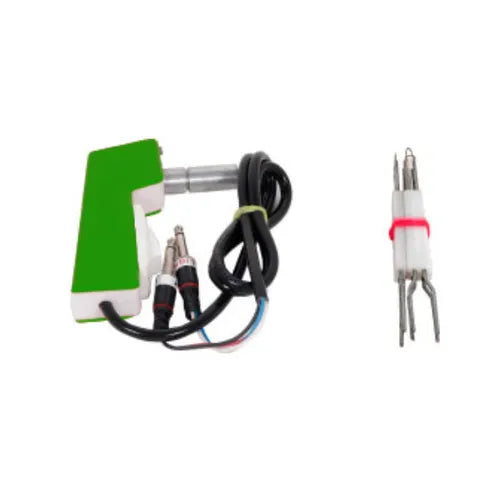
Type: Surgical
Electro Surgical Cautery Machine Accessories
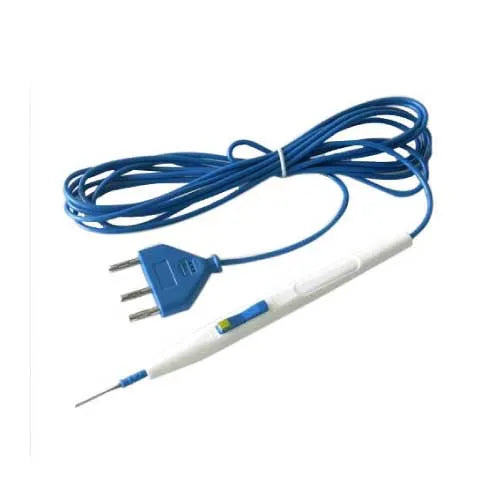

Type: Surgical Accessories
Disposable Cautery Pencil 3 PIN Connector
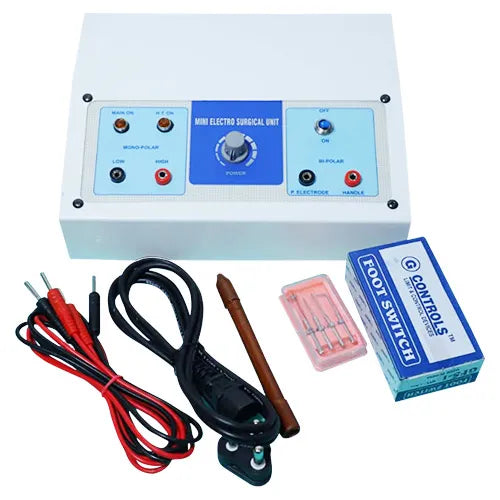
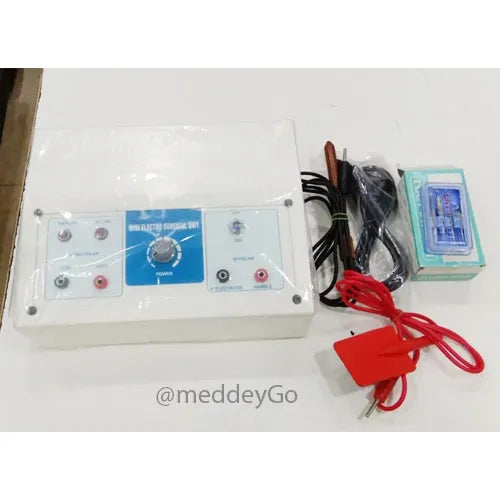
Type: Surgical
Mini Cautery Electro Surgical Monopolar Bi-Polar Unit
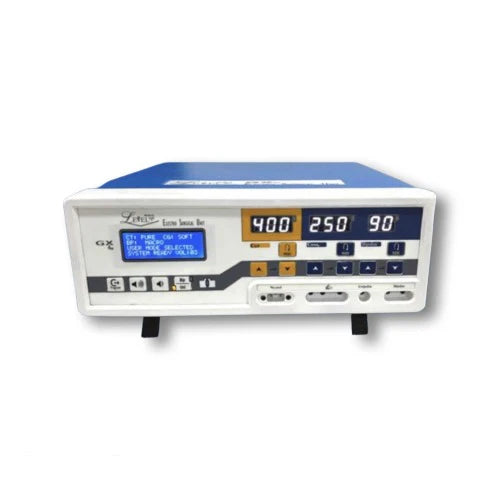
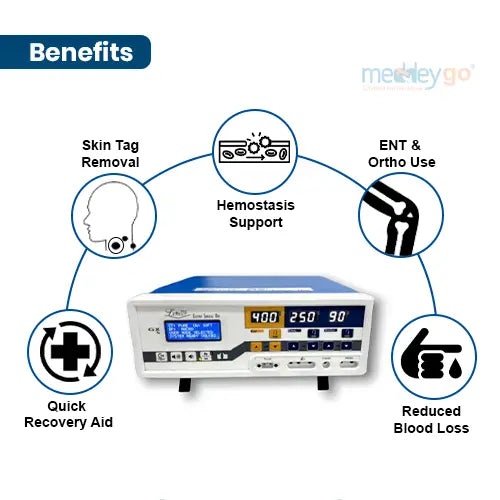
Type: Surgical
Digital Cautery Machine 400W
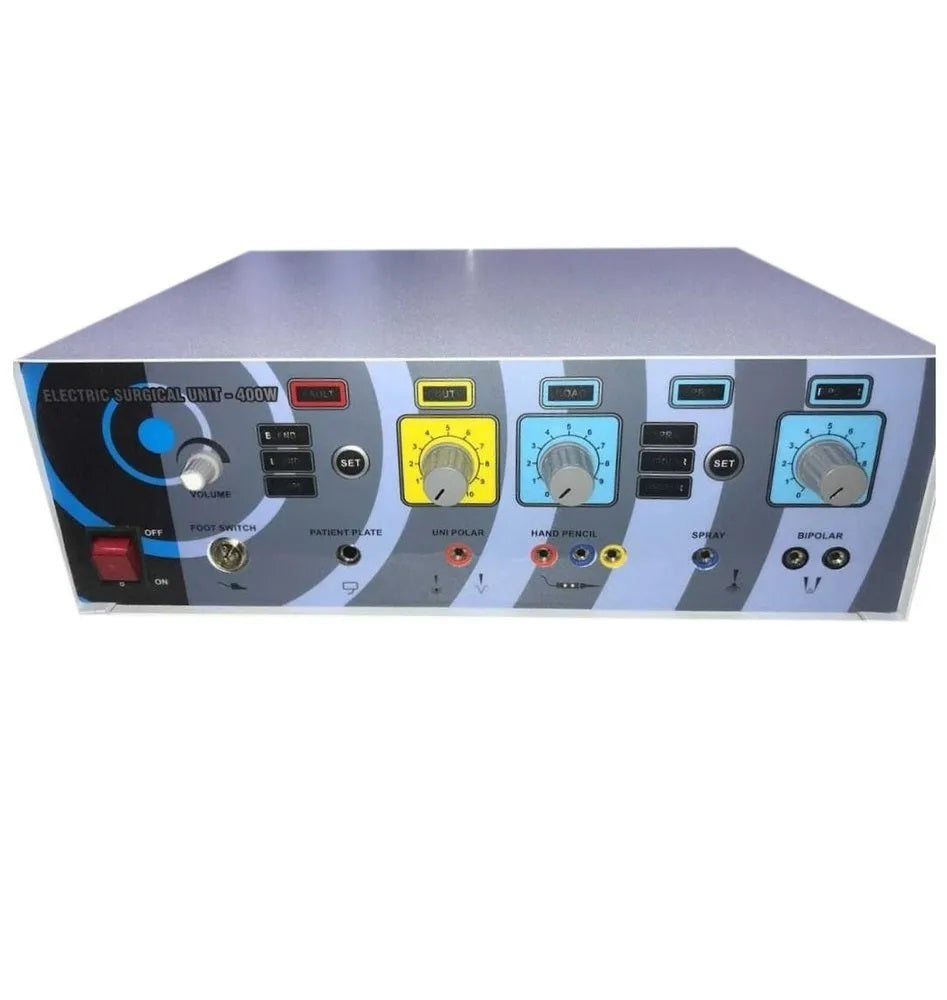
Type: Surgical
Analog Cautery Machine 400 Watt
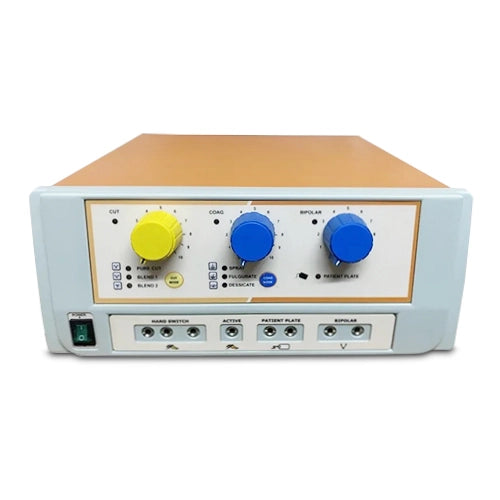
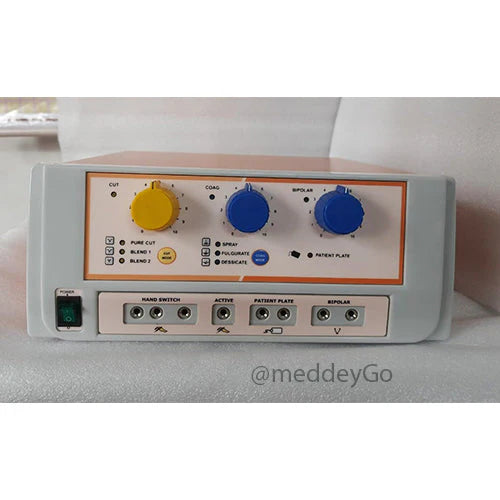
Type: Surgical
Analog Cautery Machine 400w
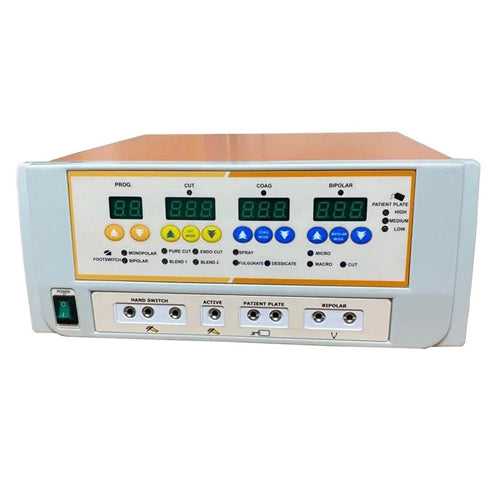
Type: Cautery Machines
Digital Cautery Machine BIOHEARTZ 400W, 480 KHz
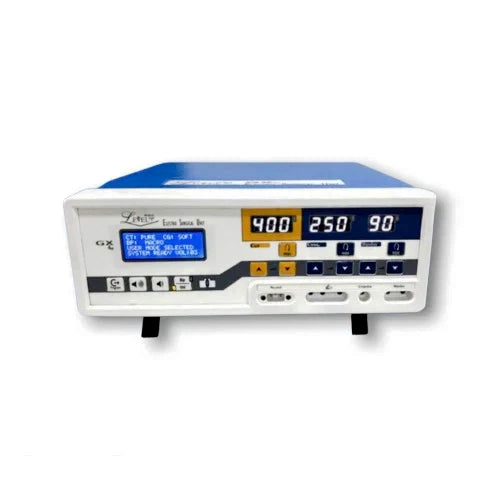
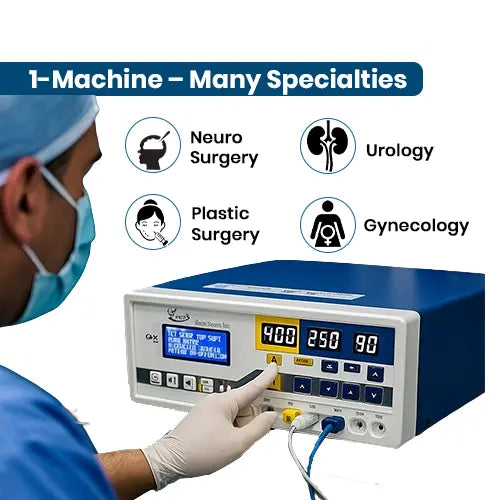
Type: Surgical
Digital Cautery Machine 300W
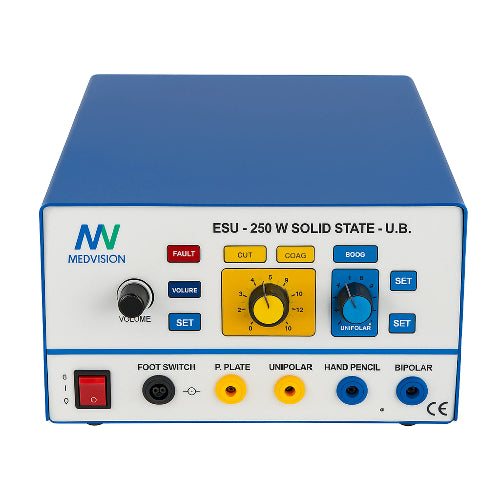
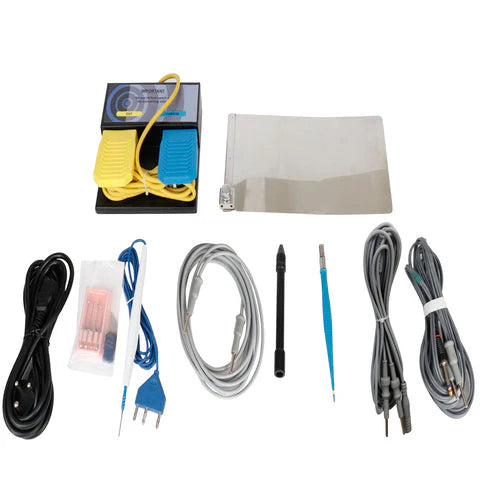
Type: Surgical
Analog Cautery Machine 250W
Collection:
Cauterization Techniques: Benefits and Risks Explained
Cauterization is a medical procedure used to burn part of the body to remove or close off a part of it. This technique is employed to stop bleeding (hemostasis), prevent infection, or remove abnormal growths. The process involves applying heat to tissue, which effectively seals wounds and blood vessels.
Historically, cauterization has been practiced for centuries. Ancient civilizations, such as the Egyptians and Greeks, used heated metal tools to stop bleeding and prevent infections. This method was crude compared to modern standards but laid the foundation for today's advanced techniques. Over time, the development of chemical agents and electrical devices refined the process, making it more effective and less painful for patients.
Today, cauterization is a staple in various medical fields. Surgeons use it during operations to manage bleeding, while dermatologists employ it for cosmetic procedures. Its adaptability extends to ENT specialists for nasal and throat surgeries, showcasing its versatility. The procedure's ability to rapidly seal blood vessels and tissues makes it indispensable in emergency medicine and planned surgeries alike.
The mechanism behind cauterization involves the application of heat or chemicals to tissues. This causes proteins in the tissue to denature, leading to coagulation. The coagulated tissue forms a barrier, effectively sealing wounds or blood vessels. This process helps prevent further bleeding and reduces the risk of infection, facilitating faster healing.

Types of Cauterization
Cauterization can be classified into different types based on the method used to apply heat or chemicals to the tissue.
Thermal Cauterization
Thermal cauterization involves using high temperatures to burn tissues and achieve hemostasis. This method is typically employed in surgical settings where precise control over bleeding is required. Devices like electrocautery units are common, providing steady heat to target areas. The procedure is often quick, reducing blood loss and accelerating recovery.
Chemical Cauterization
Chemical cauterization uses caustic substances to destroy tissue, often utilized for small lesions or warts. Agents such as silver nitrate or trichloroacetic acid are applied directly to the tissue. This method is less invasive than thermal cauterization and is ideal for treating superficial skin conditions. Patients often prefer it for its minimal discomfort and quick application process.
Electrosurgical Cauterization
A more advanced form of cauterization, electrosurgical cauterization, combines electricity and heat. It offers precision and is used in complex surgeries. The technique involves using electrical currents to cut tissue and coagulate blood simultaneously. Its precision minimizes damage to surrounding tissues, making it a preferred choice in intricate surgical procedures.
Cauterization vs. Electrosurgery: Understanding the Difference
While both cauterization and electrosurgery involve the use of heat to treat tissues, they are distinct techniques with specific applications.
Electrosurgery in Detail
Electrosurgery uses high-frequency electrical currents to cut tissue and coagulate blood. It is more precise than traditional cauterization and is often used in more complex surgical procedures. The technology allows for controlled cuts with minimal bleeding, enhancing surgical outcomes. Surgeons rely on electrosurgery for its effectiveness in maintaining clear surgical fields.
Cauterization's Unique Approach
Cauterization, on the other hand, typically involves direct application of heat or chemicals and is used for simpler procedures. Its straightforward approach makes it suitable for quick interventions. The method is particularly useful in settings where speed is crucial, such as emergency rooms or minor outpatient procedures. Despite its simplicity, cauterization remains a powerful tool in medical practice.
Comparative Benefits
Both techniques have their merits, with electrosurgery offering precision and cauterization providing speed. The choice between them often depends on the procedure's complexity and the desired outcome. In some cases, a combination of both methods may be used to achieve optimal results, highlighting the importance of a tailored approach in medical treatments.
What is Electrosurgical Cautery Used For?
Electrosurgical cautery is primarily used for:
Surgical Applications
Cutting through soft tissue with minimal bleeding is one of the primary applications of electrosurgical cautery. This technique is invaluable in surgeries where precision and minimal blood loss are crucial. By using controlled electrical currents, surgeons can make precise incisions, reducing the risk of complications and promoting quicker recovery times.
Coagulation in Surgery
Coagulating blood vessels to control bleeding during surgeries is another critical use. This application is particularly important in procedures involving highly vascular areas. The ability to swiftly seal blood vessels reduces the need for additional interventions, such as suturing, thereby shortening the overall procedure time.
Dermatological Procedures
Removing warts, moles, and other skin lesions is a common dermatological application. Electrosurgical cautery allows dermatologists to precisely target and remove unwanted skin growths with minimal damage to surrounding tissue. The technique's precision and efficiency make it a preferred choice for cosmetic and medical skin treatments.
What are the Two Types of Electrosurgery?
Electrosurgery can be divided into two main types, each with distinct mechanisms and applications.
Monopolar Electrosurgery
In monopolar electrosurgery, electrical current passes from an active electrode through the patient's body to a grounding pad. This method is widely used for its versatility and effectiveness in cutting and coagulating tissues. Surgeons appreciate its ability to handle various tissue types, making it suitable for a broad range of surgical procedures.

Who Performs Cauterization?
Cauterization is typically performed by trained medical professionals, each bringing their expertise to different medical fields.
Surgeons
Surgeons often use cauterization in various surgical procedures to ensure hemostasis. Their training and experience allow them to employ this technique effectively, minimizing blood loss and reducing surgical risks. Cauterization is a critical tool in their arsenal, enabling them to perform complex surgeries with confidence.
Dermatologists
Dermatologists employ cauterization for removing skin lesions. Their focus on skin health makes them adept at using cauterization for cosmetic and medical skin treatments. By applying their expertise, dermatologists can treat conditions like warts, moles, and other skin abnormalities efficiently, improving patient outcomes and satisfaction.
ENT Specialists
ENT specialists use cauterization for procedures involving nasal passages or throat. These areas are particularly prone to bleeding, making cauterization an essential technique. By controlling bleeding and sealing tissues, ENT specialists can perform procedures with greater precision and safety, enhancing the overall quality of care.
Tools Used in Cauterization
Various tools are used depending on the type of cauterization, each designed to optimize the procedure's effectiveness.
Thermal Cautery Devices
Thermal cautery devices, such as electrocautery units, use electricity to heat a metal wire. This tool is fundamental in surgical settings, providing consistent heat for precise tissue cauterization. Surgeons rely on these devices for their reliability and ease of use, ensuring effective hemostasis during procedures.
Chemical Agents
Chemical agents, like silver nitrate sticks, are used for chemical cauterization. These agents offer a non-invasive option for treating superficial skin conditions. Their ease of application and effectiveness in destroying unwanted tissue make them a popular choice for dermatological treatments.
Electrosurgical Units
Electrosurgical units provide precision and control during procedures, combining the benefits of electricity and heat. These units are essential in modern surgical practice, offering versatility and effectiveness in various surgical settings. Their ability to cut and coagulate simultaneously enhances surgical efficiency and safety.
How Painful is Electrosurgery?
Electrosurgery is generally performed under local anesthesia, which minimizes pain. Patients may experience some discomfort and a sensation of heat during the procedure. However, the anesthesia ensures that the process is tolerable. Post-procedure pain can vary based on the extent of the surgery but is usually manageable with over-the-counter pain relievers, allowing patients to recover comfortably.
Benefits of Cauterization
Cauterization presents several advantages in medical treatment, making it a valuable technique across various medical disciplines.
Effective Hemostasis
Cauterization quickly stops bleeding during surgeries, providing a reliable method for controlling blood loss. This capability is crucial in ensuring patient safety and improving surgical outcomes. By effectively sealing blood vessels, cauterization reduces the risk of complications and promotes faster recovery.
Reduced Risk of Infection
The technique seals wounds and prevents bacterial entry, significantly lowering the risk of infection. This benefit is particularly important in surgical settings, where infections can lead to severe complications. By minimizing infection risk, cauterization enhances patient safety and contributes to successful treatment outcomes.
Minimal Blood Loss
Cauterization is especially beneficial in surgeries with a high bleeding risk. By rapidly coagulating blood and sealing tissues, the technique minimizes blood loss and reduces the need for transfusions. This advantage is vital in preserving patient health and improving recovery times.
Versatility Across Disciplines
The versatility of cauterization allows its use in various medical disciplines, from dermatology to general surgery. Its adaptability makes it a valuable tool for healthcare providers, enabling them to address diverse medical conditions effectively. By incorporating cauterization into their practice, healthcare professionals can enhance the quality of care they deliver.

Risks and Considerations
While cauterization is generally safe, there are potential risks that healthcare providers must consider.
Tissue Damage
Incorrect application can lead to damage to surrounding tissues. This risk underscores the importance of proper technique and training. By ensuring that cauterization is performed by skilled professionals, healthcare providers can minimize the likelihood of tissue damage and ensure patient safety.
Infection Risk
Though rare, there is a risk of infection if the procedure is not performed under sterile conditions. Maintaining a sterile environment is crucial in preventing infections and ensuring successful outcomes. By adhering to strict hygiene protocols, healthcare providers can mitigate this risk and enhance patient care.
Scarring Concerns
Scarring is a potential concern, particularly in skin-related procedures. While cauterization can effectively remove unwanted tissue, it may leave scars, depending on the procedure and individual healing factors. Patients should be informed of this possibility, allowing them to make informed decisions about their treatment options.
Recovery Time After Electrosurgery
Recovery time after electrosurgery varies based on the procedure's complexity and the patient's overall health. Typically, minor procedures have a recovery period of a few days, while more extensive surgeries might require several weeks for full recovery. Patients should follow post-operative care instructions closely to ensure a smooth recovery process and achieve the best possible outcomes.
Implications for Healthcare Technology
The evolution of cauterization techniques highlights the importance of advanced medical technology in enhancing patient care.
Technological Advancements
Recent technological advancements have significantly improved cauterization tools, increasing their precision and effectiveness. These innovations enable healthcare providers to perform procedures with greater accuracy, reducing risks and improving patient outcomes. Staying abreast of these advancements is essential for healthcare professionals and administrators seeking to deliver high-quality care.
Strategic Considerations for Equipment Distributors
For hospital administrators and equipment distributors, understanding these advancements is crucial for optimizing procurement strategies and ensuring the availability of cutting-edge tools.
Market Analysis
Identifying the demand for specific cauterization and electrosurgical tools is vital for distributors. By analyzing market trends, distributors can anticipate healthcare providers' needs and ensure they have the right products available.
Product Differentiation
Highlighting unique features of products to stand out in a competitive market is essential. Distributors should focus on the benefits and advancements of their products, showcasing how they improve patient care and surgical outcomes.
Regulatory Compliance
Ensuring all equipment meets the latest healthcare standards is critical. Compliance with regulations not only ensures safety but also enhances the distributor's reputation, making them a trusted partner for healthcare providers.
Conclusion
Cauterization remains a vital technique in modern medicine, offering significant benefits in terms of hemostasis and infection control. However, it is essential to weigh these benefits against potential risks and ensure procedures are conducted by qualified professionals using advanced technology. For healthcare administrators and equipment distributors, staying informed about the latest trends and technologies in cauterization and electrosurgery is key to enhancing patient outcomes and maintaining a competitive edge in the healthcare market.
By understanding the nuances of cauterization, healthcare professionals can better navigate the complexities of medical procedures and equipment procurement, ultimately improving the quality of care delivered to patients. Through continued education and technological integration, the medical community can harness the full potential of cauterization, ensuring it remains a cornerstone of effective medical treatment.
Cauterization-Electrosurgery Q&A
Question: What’s the difference between cauterization and electrosurgery, and how do clinicians choose between them?
Short answer: Cauterization applies direct heat or chemicals to tissue to seal blood vessels or remove tissue, making it straightforward and fast for simpler or urgent interventions. Electrosurgery uses high-frequency electrical currents to cut and coagulate with greater precision, keeping surgical fields clear with minimal bleeding—ideal for more complex procedures. The choice depends on the procedure’s complexity, the need for precision versus speed, and desired outcomes; in some cases, both techniques are combined to optimize results.
Question: What are the two main types of electrosurgery, and when is each preferred?
Short answer: Monopolar electrosurgery sends current from an active electrode through the patient to a grounding pad, offering versatility for cutting and coagulating across many tissue types—hence its broad surgical use. It’s often preferred in delicate fields such as neurosurgery or ophthalmic procedures where minimizing surrounding tissue impact is critical.
Question: Who typically performs cauterization, and in what scenarios is it used?
Short answer: Trained medical professionals across several specialties perform cauterization. Surgeons use it intraoperatively for hemostasis; dermatologists apply it to remove warts, moles, and superficial lesions; and ENT specialists use it in nasal and throat procedures where bleeding control is vital. Its rapid vessel sealing makes it useful in both emergency settings and planned surgeries.
Question: What are the key benefits and risks of cauterization?
Short answer: Benefits include fast, effective hemostasis; reduced infection risk by sealing wounds; minimal blood loss (often lowering transfusion needs); and wide versatility across disciplines. Risks include potential damage to surrounding tissues if applied incorrectly, infection if sterility isn’t maintained, and possible scarring—especially in skin procedures. Using advanced tools, strict sterile technique, and skilled operators helps maximize benefits and minimize risks.
Question: How painful is electrosurgery, and what does recovery typically look like?
Short answer: Electrosurgery is generally done under local anesthesia, so patients usually feel minimal pain—often just warmth or mild discomfort during the procedure. Afterward, discomfort is commonly manageable with over-the-counter pain relievers. Recovery time varies with procedure complexity: minor treatments often heal within a few days, while more extensive surgeries can require several weeks. Following post-operative care instructions supports smoother healing and optimal outcomes.