
Filter
3 products


Type: Patient Transfer
Karma Rainbow 11 Foldable Aluminum Commode Chair


Type: Patient Room
Karma Commode chair Rainbow 2
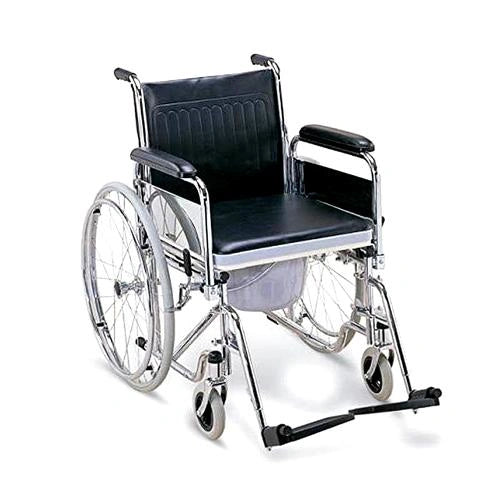
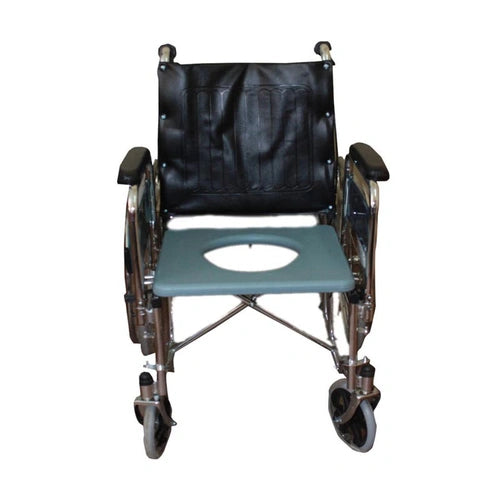
Type: Patient Transfer
Karma Rainbow 6 Commode Chair Wheelchair with 24 Inch Rear Wheels & Pan
Collection:
Commode Chair | Ideal for Limited Mobility
Introduction: Why Commode Chair Is Important in Patient Care
A commode chair is an important assistive device used for patients, adult people, post-surgical users, disabled individuals, and people with limited mobility who face difficulty using a regular toilet safely. It provides a practical toilet-support solution near the bed, inside the washroom, or over an existing toilet depending on the design. Because toileting is a basic daily need, a suitable commode chair can improve dignity, safety, hygiene, and caregiver convenience.
Many users search related terms such as toilet chair, adult potty chair, potty chair, portable toilet seat, potty seat for adults, toilet chair for patients, toilet seat for patients, patient chair, portable commode, commode for washroom, toilet commode chair, bed commode, bedside commode, folding toilet chair, and bathroom chair for patient. These search terms show that buyers want practical guidance for home care, hospital discharge planning, adult care, and patient mobility support.
A commode chair is not just a plastic seat. It is a patient-care aid that must be selected carefully. The right model depends on mobility level, weight capacity, transfer ability, washroom space, caregiver availability, patient height, balance, fall risk, hygiene needs, and whether wheels are required. Some users need a simple fixed bedside commode. Some need a toilet chair with wheels. Others need a commode wheelchair or patient wheel chair with commode function for movement and toileting support.
This article explains commode chair types, toilet chair price factors, commode chair price factors, adult potty chair use, bedside commode benefits, commode chair for Indian toilets, portable toilet seat selection, plastic commode seat options, folding toilet chair features, commode wheelchair differences, and safety precautions. The goal is to help healthcare professionals and buyers choose the right toileting support with dignity and safety.
For Doctors
Useful for discharge planning, post-surgical support, adult care advice, mobility limitation review, and fall-prevention discussion.
For Nurses
Helpful for bedside toileting support, patient transfer guidance, hygiene routines, skin care, and caregiver education.
For Physiotherapists
Important for transfer training, balance assessment, safe sitting-standing practice, mobility rehab, and home modification planning.
For Caregivers & Buyers
Supports selection of bedside commode, folding toilet chair, toilet chair with wheels, plastic toilet chair for patients, and portable commode options.
What Is a Commode Chair?
A commode chair is a toilet-support chair designed for people who cannot safely or comfortably use a standard toilet. It usually has a seat with a central opening and a removable container, bucket, or pan underneath. Some models are placed beside the bed. Some are used in the washroom. Some can be positioned over an existing toilet. Some have wheels and can be used for patient transfer.
In common language, a commode chair may also be called a toilet chair, adult potty chair, toilet commode chair, bed commode, bedside commode, portable commode, portable toilet seat, patient toilet chair, toilet seat chair, washroom chair, bathroom chair for patient, or potty seat for adults. These terms may describe slightly different designs, but they all belong to the same broad category of toileting assistance devices.
The main purpose is to reduce toileting difficulty. For a patient who cannot walk to the bathroom at night, a bedside commode can reduce fall risk. For a patient recovering from surgery, a toilet chair may reduce strain. For a patient with weakness or disability, a commode wheelchair may allow movement and toileting in one device.
Simple Definition
A commode chair is a patient toilet-support chair used when a person cannot safely or easily use a regular toilet because of weakness, age, injury, surgery, disability, or mobility limitation.
Common Uses of a Commode Chair
A commode chair is used in home care, hospitals, nursing homes, rehabilitation centers, post-operative recovery, adult care, and disability support. It is especially helpful when the patient cannot walk safely to the toilet, has frequent night-time toileting needs, is recovering from hip or knee surgery, has weakness after stroke, has balance issues, or requires caregiver assistance.
For bedridden or semi-mobile patients, a bedside commode or bed commode can be placed near the bed. For patients who can transfer but cannot walk far, a portable commode may be enough. For patients who need movement assistance, a toilet chair with wheels or commode wheelchair may be more suitable.
A commode chair also supports dignity. Toileting dependence can be emotionally difficult for patients. The right device can reduce embarrassment, improve independence, and make caregiving easier.
Bedside Toileting
Useful when patients cannot walk safely to the washroom, especially at night.
Post-Surgery Support
Helps reduce strain after hip, knee, spine, abdominal, or general surgery.
Adult Care
Supports adult with weakness, balance issues, or frequent toileting needs.
Caregiver Convenience
Makes toileting support easier, safer, and more hygienic for caregivers.
Toilet Chair vs Commode Chair
The terms toilet chair and commode chair are often used interchangeably. A toilet chair usually refers to a chair-like support that helps a patient use the toilet or sit over a commode pan. A commode chair often includes a removable bucket or pan so that it can be used without reaching the bathroom. In practice, many products combine both functions.
Some toilet chairs can be placed over an Indian or Western toilet, while others function as standalone portable commodes. Some have wheels, and some are fixed. Some are foldable, while others are heavy-duty. Understanding the use setting is more important than the product name.
| Term | Practical Meaning | Common Use |
|---|---|---|
| Commode Chair | Chair with toilet opening and removable pan or bucket | Bedside or washroom toileting support |
| Toilet Chair | Chair-style toilet aid for patient support | Over toilet, bedside, or bathroom use |
| Bedside Commode | Commode placed near the bed | Night-time or limited mobility toileting |
| Portable Commode | Movable commode chair | Home care, travel within room, temporary use |
| Commode Wheelchair | Wheelchair with commode function | Patients who need mobility and toileting support |
Adult Potty Chair and Potty Seat for Adults
An adult potty chair or potty seat for adults is a common search term used by caregivers and families. It usually means a commode chair for adult patients who cannot use a regular toilet safely. Unlike a child potty chair, an adult potty chair must support adult body weight, provide stable sitting, offer enough seat width, and allow easy cleaning.
For adult patients, comfort and stability are essential. The chair should have strong legs, anti-slip tips, a secure seat, armrests for support, and a bucket that can be removed and cleaned easily. If the patient is heavy or weak, weight capacity should be checked before purchase.
Adult potty chairs are often used after surgery, during illness, after stroke, during geriatric care, and for people with mobility disorders. They should be placed on a flat surface and used with caregiver supervision if the patient has poor balance.
Adult Use Rule
An adult potty chair should be stable, weight-appropriate, easy to clean, and fitted with supportive armrests when the patient needs help sitting or standing.
Bedside Commode and Bed Commode
A bedside commode or bed commode is designed to be kept near the patient’s bed. It is especially useful for patients who cannot walk to the bathroom at night, have urgency, are recovering from surgery, or are at risk of falls. It can reduce the need for repeated transfers to the washroom and can make caregiving safer.
A bedside commode should be placed on a flat, stable surface. The path from the bed to the commode should be clear. If the patient needs help, the caregiver should assist during transfer. The chair height should allow the patient’s feet to rest on the floor while sitting. Armrests can help the patient push up during standing.
After use, the bucket should be removed, emptied, cleaned, disinfected as appropriate, and replaced securely. Hygiene is essential to prevent odor, infection risk, and discomfort.
Near-Bed Access
Reduces long walking distance for weak or adult patients.
Night Safety
Helps reduce bathroom-related falls at night.
Caregiver Support
Makes toileting assistance easier and more controlled.
Hygiene Management
Removable bucket supports cleaning and daily care routines.
Commode Chair for Indian Toilets
A commode chair can provide a raised sitting option over or near the Indian toilet depending on design.
A commode chair for Indian toilets should be stable, height-appropriate, and suitable for the available washroom space. Some designs can be placed over the Indian toilet opening. Others are standalone chairs with buckets. The buyer should measure bathroom space before purchase because many washrooms are compact.
For patients with knee pain, hip replacement, balance problems, or spine issues, avoiding deep squatting may reduce strain. However, the right solution should be selected after understanding the patient’s condition and bathroom layout.
Indian Toilet Selection Point
When buying a commode chair for Indian toilets, check bathroom space, chair height, stability, anti-slip support, and whether the design is over-toilet or bucket-based.
Portable Toilet Seat and Portable Commode
A portable toilet seat or portable commode is useful when the patient needs a movable toileting solution. It can be shifted between bedroom, washroom, or care area depending on need. This makes it valuable for temporary recovery, home care, travel within the house, and patients who need flexible support.
Portability should not compromise safety. A lightweight chair must still be stable. The legs should have anti-slip tips. The seat should lock properly. The bucket should fit securely. If the chair is foldable, the locking mechanism should be checked before every use.
Portable commodes are often preferred after surgery because the patient may need assistance for a limited period. They are also helpful in rental homes or small rooms where permanent bathroom modification is not possible.
| Portable Feature | Benefit | Safety Check |
|---|---|---|
| Lightweight Frame | Easy to move within home | Should still support patient weight safely |
| Foldable Design | Easy storage when not in use | Check frame locking before sitting |
| Removable Bucket | Easy cleaning after use | Bucket should fit securely |
| Anti-Slip Legs | Improves floor stability | Rubber tips should not be worn out |
| Armrests | Supports sitting and standing | Should be strong and comfortable to grip |
Toilet Chair With Wheels and Commode Wheelchair
A toilet chair with wheels is useful when a patient cannot walk safely but needs to be moved between bed, washroom, and care area. A commode wheelchair combines mobility with toileting support. Some people also search patient wheel chair when they actually need a wheelchair with commode function.
The most important safety feature in wheeled toilet chairs is lockable wheels. The brakes should be locked before the patient sits, stands, or transfers. Footrests should be moved away before transfer if they block the patient’s feet. The chair should not be pushed fast or used on uneven surfaces unless designed for that purpose.
A commode wheelchair may be suitable for patients who require caregiver-assisted movement and toileting. However, it should not be confused with a standard wheelchair. The seat design, hygiene needs, wheel size, brakes, bucket placement, and bathroom compatibility are different.
Wheel Safety Warning
Always lock the brakes before transfer or toileting on a toilet chair with wheels or commode wheelchair. Unlocked wheels can cause falls.
Folding Toilet Chair
A folding toilet chair is useful for homes with limited space or temporary care needs. It can be folded and stored when not in use. This makes it popular for post-operative recovery, travel, short-term home care, and small rooms.
When buying a folding toilet chair, the locking mechanism is important. The chair should not collapse or shift when the patient sits. The frame should feel stable, and the seat should be properly attached. The user should check the chair before every use, especially after folding and unfolding.
Foldable models are convenient, but they may not be suitable for very heavy patients or users who require maximum stability unless the product has a strong load-bearing design. Weight capacity must be checked.
Plastic Commode Seat and Plastic Toilet Chair for Patients
A plastic commode seat is commonly used because it is lightweight, easy to clean, and resistant to moisture. Many products include a plastic seat over a metal frame. A plastic toilet chair for patients may be suitable for home-care use when the patient needs basic toileting support and the frame is stable.
The plastic seat should be smooth, properly fitted, and strong enough for patient weight. Sharp edges, loose seats, cracked plastic, or unstable fitting should be avoided. For long sitting time, padded seats may offer better comfort, but they may require more cleaning care.
In patient-care settings, hygiene matters. Plastic surfaces should be cleaned regularly. The bucket should be emptied immediately after use when possible. Odor control and infection prevention depend on consistent cleaning.
Easy Cleaning
Plastic surfaces are generally easier to wipe and maintain.
Lightweight Use
Plastic seat designs are often convenient for home care.
Moisture Resistance
Useful in washroom environments when cleaned properly.
Comfort Check
Seat edges should be smooth and comfortable for patient use.
Commode Chair Price and Toilet Chair Price Factors
The terms commode chair price and toilet chair price are searched by families, hospitals, and caregivers comparing different models. Price depends on frame material, load capacity, foldability, wheels, brakes, armrests, backrest, seat material, bucket quality, height adjustment, padding, brand, and warranty.
A basic fixed commode chair may cost less than a height-adjustable folding toilet chair. A toilet chair with wheels or commode wheelchair may cost more because it includes mobility components, brakes, larger frame, and additional safety features. A heavy-duty commode chair may also cost more because it supports higher weight capacity.
The best purchase is not always the cheapest option. For patient safety, stability, weight capacity, comfort, and hygiene should be prioritized. A low-price chair that wobbles or has weak brakes may create fall risk.
| Price Factor | Why It Affects Cost |
|---|---|
| Frame Material | Steel, aluminium, and coated frames differ in strength and price |
| Weight Capacity | Higher load capacity requires stronger construction |
| Wheels and Brakes | Mobility features increase cost and safety value |
| Foldability | Folding mechanisms add convenience and design complexity |
| Height Adjustment | Adjustable height improves patient fit |
| Seat and Backrest Comfort | Padded or ergonomic designs may cost more |
| Bucket Quality | Better removable buckets improve hygiene and durability |
How to Choose the Right Commode Chair
Choosing the right commode chair requires patient assessment. Buyers should consider whether the patient can walk, stand, transfer, balance, and sit without support. They should also check patient weight, height, washroom size, caregiver availability, and whether the chair will be used beside the bed or inside the bathroom.
If the patient can transfer independently, a fixed bedside commode may be enough. If the patient needs caregiver-assisted movement, a toilet chair with wheels may be useful. If the patient has very poor balance, a stable chair with strong armrests and back support is important. If the patient is heavy, weight capacity becomes critical.
For physiotherapists and occupational therapists, the chair should match transfer ability and rehabilitation goals. For nurses, cleaning and hygiene workflow matters. For caregivers, ease of emptying, lifting, folding, and moving are important.
Selection Rule
Choose a commode chair based on patient mobility, transfer ability, body weight, washroom space, caregiver support, and safety features—not only price.
Safe Use of a Commode Chair
Safe use starts with placement. The commode chair should be placed on a flat, non-slippery surface. It should not wobble. If it has wheels, the brakes should be locked before sitting or standing. The patient should wear non-slip footwear if standing transfer is required. The area should be well-lit, and the path should be free from rugs, wires, water, and clutter.
The chair height should allow the patient’s feet to touch the floor. The patient should not be left alone if they are weak, dizzy, confused, or at risk of falling. Caregivers should assist from the correct side and avoid pulling the patient suddenly.
After use, the bucket should be cleaned. The seat should be wiped and dried. The chair should be checked regularly for loose screws, cracked seat, worn rubber tips, weak brakes, and unstable frame.
| Safety Step | Correct Practice | Risk If Ignored |
|---|---|---|
| Flat Placement | Place chair on stable, level floor | Wobbling or tipping risk |
| Brake Locking | Lock wheels before transfer | Chair may move suddenly |
| Clear Pathway | Remove rugs, wires, water, and clutter | Fall or trip risk |
| Correct Height | Feet should touch the floor while sitting | Poor balance and transfer difficulty |
| Caregiver Supervision | Assist weak or confused patients | Unsafe transfer or fall |
| Cleaning Routine | Empty and clean bucket after use | Odor, infection risk, and poor hygiene |
Commode Chair for Hospitals and Clinics
Hospitals, clinics, and nursing homes need commode chairs for patients who cannot use regular toilets safely. A hospital-grade commode chair should be strong, easy to clean, stable, and suitable for repeated use. It should have good weight capacity, smooth surfaces, removable bucket, anti-slip tips, and strong armrests.
In wards, nurses may use commode chairs for post-operative patients, adult patients, stroke patients, orthopedic patients, and patients with weakness. In rehabilitation departments, commode chairs support transfer training and functional independence. In emergency or observation areas, portable commodes may support short-term patient care.
Hospitals should maintain cleaning protocols. Shared commode chairs must be disinfected properly between users. Damaged chairs should be removed from service.
Commode Chair for Physiotherapy and Rehabilitation
For physiotherapists, a commode chair is part of functional mobility training. Toileting independence is an important goal for many patients. After stroke, hip surgery, knee replacement, spinal injury, neurological weakness, or prolonged hospitalization, patients may need training in safe sitting, standing, pivot transfer, and toilet transfer.
A physiotherapist may assess whether the patient needs armrests, raised height, back support, wheeled transfer, or caregiver assistance. They may also train the patient in safe transfer technique. The goal is not only to provide a chair but to improve independence safely.
A bathroom chair for patient use should match the patient’s functional level. A chair that is too low may make standing difficult. A chair without armrests may be unsafe for weak patients. A chair with wheels may be unsafe if brakes are poor.
Rehab Point
For rehabilitation patients, commode chair selection should support safe transfers, sitting balance, standing ability, and gradual return to independence.
Commode Chair for Home Care
In home care, the commode chair should fit the room, patient, and caregiver routine. Families should measure the available space near the bed or washroom. They should check whether the chair can be cleaned easily and whether the patient can transfer safely. If the patient needs night toileting, the chair should be placed close enough to reduce fall risk but not so close that it blocks movement.
Home caregivers should also plan privacy and dignity. A screen, curtain, or dedicated corner may help. Odor control, regular cleaning, and proper disposal are important. The patient should be encouraged to participate in toileting as much as safely possible.
If the patient is confused, has dementia, is very weak, or has frequent falls, supervision is essential. A commode chair does not eliminate fall risk by itself.
Measure Space
Check bedside and washroom area before buying.
Plan Privacy
Respect patient dignity during toileting support.
Clean Daily
Regular cleaning reduces odor and infection risk.
Supervise Transfers
Weak or confused patients should not transfer alone.
Common Buying Mistakes
One common mistake is buying only by price. A low-cost chair may not have enough stability, weight capacity, or comfort. Another mistake is ignoring bathroom size. Some chairs may not fit through narrow bathroom doors or may not align with Indian toilets. A third mistake is buying a chair with wheels but not checking brake quality.
Many buyers also confuse a standard patient chair with a commode chair. A patient chair may be used for sitting, but a commode chair has a toilet opening and bucket or toilet-access design. Similarly, a surgical chair is a broad medical furniture term and may not mean a toilet chair.
The correct approach is to match the product to the patient’s toileting need, transfer ability, safety risk, and home layout.
Buying Caution
Do not buy a commode chair based only on price. Stability, weight capacity, brakes, height, armrests, and patient transfer ability matter more.
Hover Quick Guide
Move the cursor over the highlighted terms:
Commode Chair A toilet-support chair used for patients who cannot safely use a regular toilet. Bedside Commode A commode chair placed near the bed for patients with limited mobility or night-time toileting needs. Commode Wheelchair A wheelchair-style commode with wheels that supports both patient movement and toileting. Portable Toilet Seat A movable toilet-support seat or commode used for flexible home-care needs. Lockable Wheels Safety brakes on wheeled toilet chairs that must be locked before transfer or toileting.
Frequently Asked Questions
What is a commode chair?
A commode chair is a patient toilet-support chair used when a person cannot safely or comfortably use a regular toilet because of weakness, surgery, age, injury, or disability.
What is the difference between toilet chair and commode chair?
The terms are often used together. A toilet chair supports toileting, while a commode chair usually includes a toilet opening and removable pan or bucket for bedside or washroom use.
Who needs an adult potty chair?
An adult potty chair is useful for adult people, post-surgery patients, disabled users, bedridden patients, and anyone with difficulty using a regular toilet safely.
What is bedside commode?
A bedside commode is a commode chair placed near the bed for patients who cannot walk to the washroom safely, especially during night-time toileting.
What affects commode chair price?
Commode chair price depends on frame material, weight capacity, wheels, brakes, foldability, armrests, height adjustment, seat comfort, bucket quality, and brand.
Is toilet chair with wheels safe?
A toilet chair with wheels can be safe when the brakes are strong and locked before transfer. It should be used with caregiver supervision if the patient is weak.
Can commode chair be used for Indian toilets?
Yes, selected commode chairs can be used for Indian toilets or as standalone alternatives. Buyers should check height, stability, bathroom space, and design compatibility.
What is a portable commode?
A portable commode is a movable toilet-support chair that can be placed near the bed, in the washroom, or in a convenient care area.
What is commode wheelchair?
A commode wheelchair is a wheeled patient chair with commode function. It supports both mobility and toileting assistance.
Is plastic commode seat good?
A plastic commode seat is lightweight and easy to clean, but it should be strong, smooth, stable, and suitable for the patient’s weight and comfort.
What is folding toilet chair?
A folding toilet chair is a foldable commode chair that can be stored easily when not in use. It is useful for temporary home care and small spaces.
How should a commode chair be cleaned?
The bucket should be emptied and cleaned after use. The seat and frame should be wiped regularly, dried properly, and checked for damage or odor.
Conclusion
A commode chair is an essential patient-care aid for adult users, post-surgical patients, disabled individuals, bedridden patients, and people with limited mobility. Whether buyers search for toilet chair, adult potty chair, commode chair price, toilet chair price, potty chair, commode wheelchair, commode chair for Indian toilets, portable toilet seat, toilet chair for patients, bedside commode, folding toilet chair, plastic toilet chair for patients, washroom chair, bathroom chair for patient, or patient wheel chair, the main goal remains the same: safe, hygienic, dignified toileting support. The right chair should match patient mobility, transfer ability, weight, space, caregiver support, and safety needs. Price matters, but stability, brakes, height, armrests, hygiene, and comfort matter more.