Skip to content

India’s Go to Platform for Medical Supplies Procurement

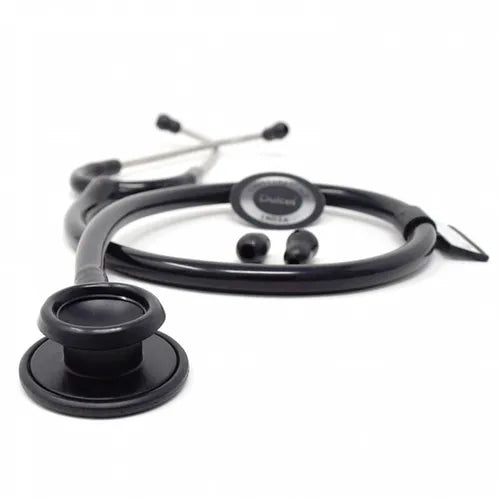
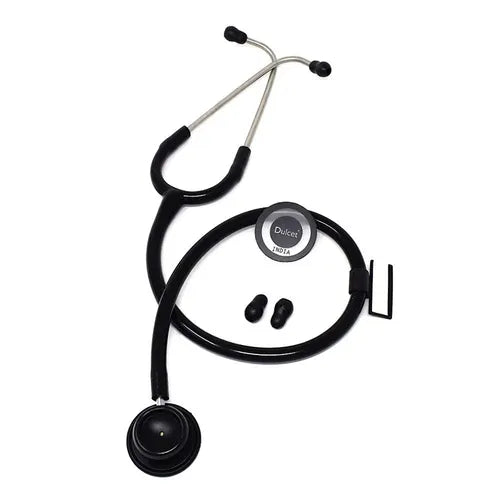
dulcet brace chrome stethospcope

Type: Stethoscopes

Dulcet Brace Chrome Stethospcope (Black)

Regular price Rs. 506
Sale price Rs. 506 Regular price Rs. 644
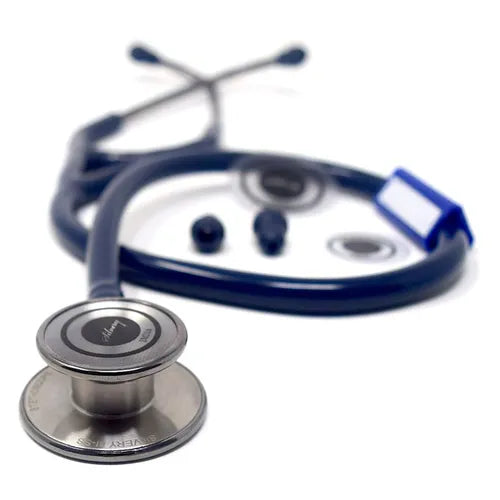
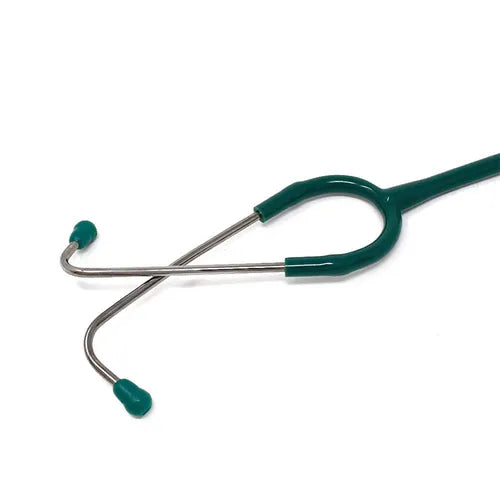
silvery aluminium hrome stethoscope (green)

Type: Stethoscope

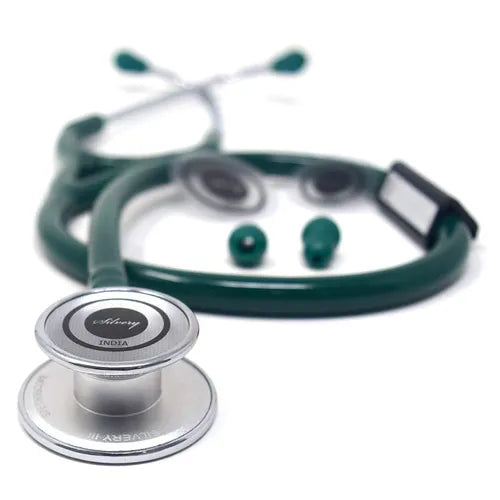
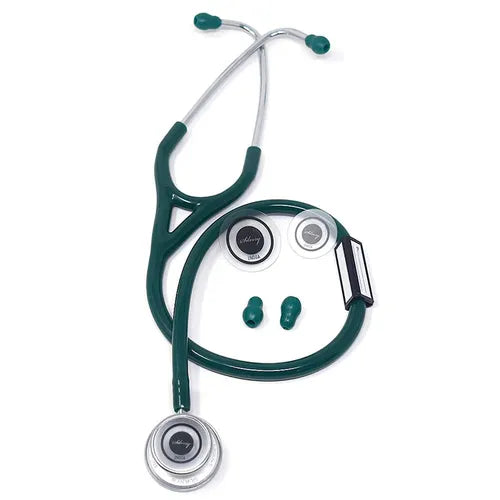
Silvery Aluminium Chrome Stethoscope (Green)

Regular price Rs. 1,103
Sale price Rs. 1,103 Regular price Rs. 2,023
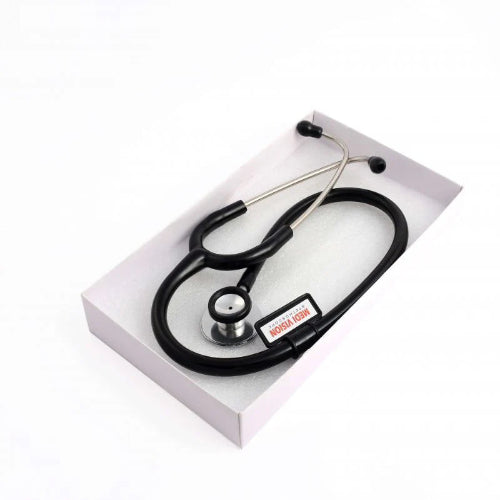
Medivision Stethoscope Deluxe

Type: Stethoscope

Stethoscope Deluxe

Regular price Rs. 367
Sale price Rs. 367 Regular price Rs. 506
silvery III ss stethoscope blue

Type: Stethoscope

Silvery III SS Stethoscope (Blue)

Regular price Rs. 1,839
Sale price Rs. 1,839 Regular price Rs. 3,679
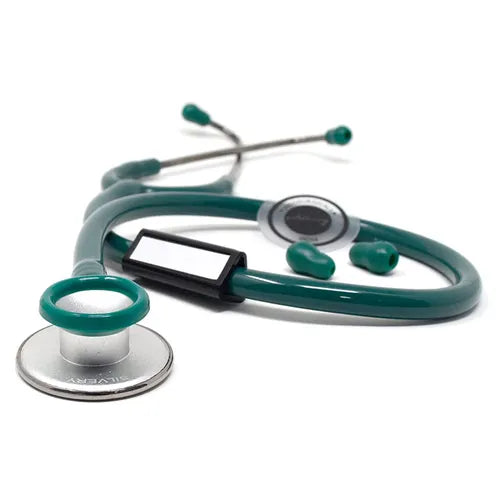
Silvery III Aluminium Chrome SS Stethoscope (Green)

Type: Stethoscope

Silvery III Aluminium Chrome SS Stethoscope (Green)

Regular price Rs. 1,839
Sale price Rs. 1,839 Regular price Rs. 3,219
silvery III aluminium chrome stethoscope (Black)

Type: Stethoscope

Silvery III Aluminium Chrome Stethoscope (Black)

Regular price Rs. 1,839
Sale price Rs. 1,839 Regular price Rs. 3,679
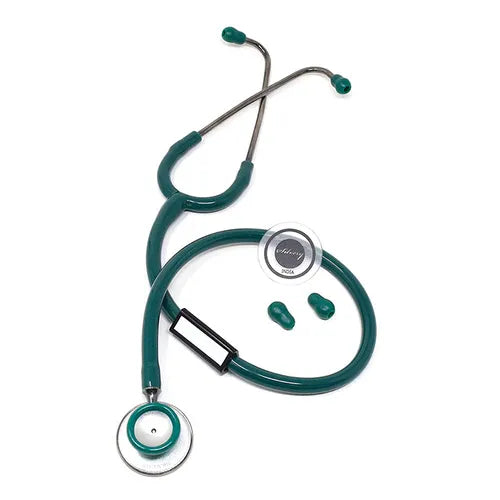
silvery III ss stethoscope (red)

Type: Stethoscope

Silvery III SS Stethoscope (Red)

Regular price Rs. 1,839
Sale price Rs. 1,839 Regular price Rs. 3,679
silvery II-ss stethoscope (green)

Type: Stethoscope

Silvery II-SS Stethoscope (Green)

Regular price Rs. 1,287
Sale price Rs. 1,287 Regular price Rs. 2,023
silvery II-ss stethoscope (blue)

Type: Stethoscope

Silvery II-SS Stethoscope (Blue)

Regular price Rs. 1,287
Sale price Rs. 1,287 Regular price Rs. 2,023
Silvery II-SS Stethoscope (Black)

Type: Stethoscope

Silvery II-SS Stethoscope (Black)

Regular price Rs. 1,287
Sale price Rs. 1,287 Regular price Rs. 2,023
silvery III ss stethoscope green

Type: Stethoscopes

Silvery III SS Stethoscope (Green)

Regular price Rs. 1,839
Sale price Rs. 1,839 Regular price Rs. 3,679
silvery III aluminium chrome ss stethoscope (Grey)

Type: Stethoscope

Silvery III Aluminium Chrome SS Stethoscope (Grey)

Regular price Rs. 1,517
Sale price Rs. 1,517 Regular price Rs. 3,219
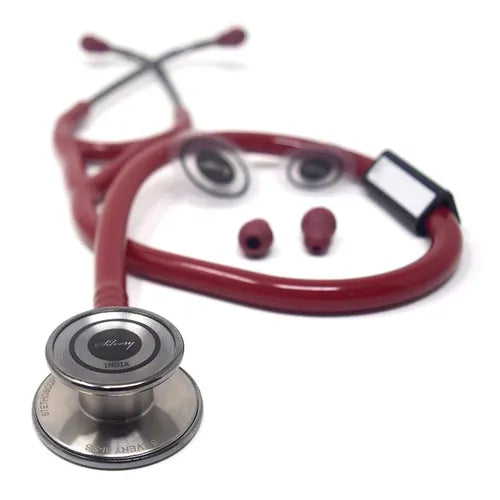
Silvery Aluminium Chrome Stethoscope (Red)

Type: Stethoscope

Silvery Aluminium Chrome Stethoscope (Red)

Regular price Rs. 1,103
Sale price Rs. 1,103 Regular price Rs. 2,023
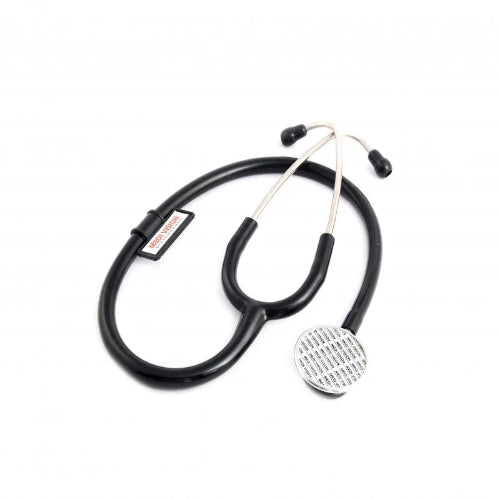
dulcet ss pediatric neonatal stethoscope

Type: Stethoscopes

Dulcet SS Pediatric Neonatal Stethoscope

Regular price Rs. 1,932
Sale price Rs. 1,932 Regular price Rs. 2,024
silvery III aluminium chrome ss stethoscope blue

Type: Stethoscope

Silvery III Aluminium Chrome SS Stethoscope (Blue)

Regular price Rs. 1,517
Sale price Rs. 1,517 Regular price Rs. 3,219

Collection: Complete Guide to Stethoscope Types and Functions: A Clinical Perspective

The stethoscope remains the most iconic and essential diagnostic tool in the medical profession. For clinicians, it is the primary instrument for non-invasive assessment, allowing for the immediate auscultation of heart, lung, and bowel sounds. As medical technology has progressed, specialized stethoscope uses have evolved to meet the rigorous demands of different departments—from the high-noise environment of the ER to the delicate requirements of the NICU.

In this comprehensive guide, we analyze the primary types of stethoscope, their specific acoustic functions, and the top-tier models currently trusted by healthcare professionals in hospitals and clinics.

1. Acoustic Stethoscope: The Clinical Standard

The traditional acoustic stethoscope is the foundation of physical examination. It operates by transmitting sound waves from the patient's skin through air-filled flexible tubing directly to the clinician’s ears.

Core Components:
  • Chestpiece: Usually dual-head (Diaphragm for high frequencies, Bell for low frequencies).
  • Tubing: Thick, high-quality PVC to minimize ambient interference.
  • Acoustic Range: Typically detects sounds between 20Hz – 2000Hz.

Primary Uses & Functions:

  • General heart and lung auscultation.
  • Blood pressure monitoring (Korotkoff sounds).
  • Standard OPD and ward rounds.

Recommended Acoustic Models:

Model Key Clinical Value
Littmann Classic III High acoustic sensitivity for general physical assessment.
MDF Acoustic Lightweight Ergonomic design for nurses and doctors on long shifts.

2. Electronic (Digital) Stethoscopes

Electronic models are designed to overcome the limitations of traditional acoustics. By utilizing digital amplification, these types of stethoscope are essential for clinicians working in loud environments or those requiring advanced sound processing.

  • Noise Filtering: Actively reduces background room noise (up to 85% reduction).
  • Amplification: Can amplify body sounds up to 40x for detecting faint murmurs.
  • Stethoscope Uses: Ideal for telemedicine, teaching (via recorded playback), and clinicians with hearing impairment.

Top Model: Littmann Electronic Stethoscope 3200.

3. Cardiology Stethoscopes

A cardiology stethoscope is a precision instrument designed for the most demanding cardiac assessments. It features a larger, deeper chestpiece and significantly thicker tubing to provide elite acoustic isolation.

Specialized Diagnostic Uses:
  • Identifying faint S3 and S4 gallop rhythms.
  • Detecting subtle Grade 1 diastolic murmurs.
  • Differentiating between clicks, snaps, and rubs in complex heart conditions.

Best Models: Littmann Cardiology IV (Mirror, Rainbow, or Black Finish editions).

4. Pediatric and Neonatal Stethoscopes

In pediatrics, using an adult-sized chestpiece can lead to significant diagnostic errors due to the "Air Gap" effect—where the diaphragm cannot make full contact with a child’s smaller rib cage. Pediatric stethoscopes are engineered with smaller diameters and lighter frames to ensure a perfect acoustic seal on smaller patients.

Specialized Pediatric Features:

  • Reduced Diaphragm Size: Usually 3.3cm for pediatric and 2.7cm for neonatal models.
  • Non-Chill Rims: Essential for keeping young patients calm and cooperative during exams.
  • High-Frequency Sensitivity: Optimized to capture the rapid heart rates (120-160 bpm) typical of infants.

Top-Rated Pediatric Models:

  • Littmann Classic Pediatric: Specialized 1-inch bell for localized sound.
  • MDF Dual Head Pediatric (Green/Blue): Professional-grade acoustics with a child-friendly aesthetic.

5. Fetal Stethoscope (Pinard Horn)

The Fetal Stethoscope, or Pinard horn, remains a vital, cost-effective tool in obstetrics. Unlike Doppler systems that use ultrasound, the Pinard horn uses pure acoustic amplification to monitor fetal heart sounds through the maternal abdomen.

  • Stethoscope Uses: Routine prenatal monitoring and verifying fetal position.
  • Benefits: Requires no electricity, batteries, or gel—making it indispensable in low-resource or emergency settings.

6. Doppler Stethoscope

A Doppler stethoscope utilizes ultrasonic waves to detect the movement of blood cells. It converts the frequency shift of the reflected waves into audible sound, providing highly precise vascular and cardiac data.

Clinical Applications:

Widely used for vascular mapping, identifying deep vein thrombosis (DVT), and confirming blood flow in peripheral arteries. In obstetrics, it provides a clearer, amplified fetal heart rate compared to traditional acoustic horns.

7. Teaching Stethoscopes (Dual Headset)

Crucial for medical education and residency programs, a teaching stethoscope features two sets of binaurals (earpieces) connected to a single chestpiece. This allows an instructor and a student to listen to the same physiological sound simultaneously.

Why it is Essential for Training:

  • Real-Time Correlation: Instructors can point out specific murmurs, clicks, or rales as they happen.
  • Skill Validation: Ensures the student is identifying the correct anatomical landmarks and sounds.
  • Clinical Accuracy: Reduces the "learning gap" in identifying complex heart rhythms and respiratory patterns.

Summary: How Many Types of Stethoscope Exist?

While dozens of sub-variants exist for niche research, the medical field in 2026 relies on these primary categories for clinical practice:

  • 1. Acoustic: The versatile daily driver.
  • 2. Electronic: High-gain digital amplification.
  • 3. Cardiology: Elite acoustic isolation.
  • 4. Pediatric: Small-frame patient comfort.
  • 5. Doppler: Ultrasonic vascular mapping.
  • 6. Teaching: Dual-headset educational tool.

Professional Buyer's Checklist: What to Consider

Before selecting a model for your clinic or hospital department, evaluate these technical parameters to ensure long-term diagnostic reliability:

Factor Clinical Requirement
Frequency Range Must cover 20Hz (low bruits) to 2000Hz (lung sounds).
Acoustic Sensitivity Stainless steel or titanium chestpieces offer the best sound conduction.
Tube Durability Latex-free PVC resistant to skin oils prevents hardening over time.
Chestpiece Size Must match patient anatomy (Neonatal vs. Pediatric vs. Adult).

Clinical FAQ: Expert Insights

Q: How does an electronic stethoscope improve diagnosis in noisy wards?

A: Electronic models use Ambient Noise Reduction (ANR) technology to cancel out room echoes and ventilation noise, while amplifying body sounds up to 40x, ensuring faint murmurs aren't missed.

Q: Why is the Cardiology IV considered superior for cardiac rubs and clicks?

A: It utilizes Tunable Diaphragm Technology, allowing the clinician to hear different frequencies simply by adjusting the pressure on the chestpiece—light pressure for low frequency and firm for high frequency.

Q: What is the benefit of a Dual-Lumen tube?

A: Dual-lumen tubing provides two separate sound paths inside one tube. This eliminates the "rubbing noise" artifact that often occurs in traditional single-tube stethoscopes.

Equip Your Practice with Precision

Selecting the right instrument enhances your ability to detect subtle clinical findings and deliver superior patient care. MeddeyGo offers a curated selection of high-quality stethoscopes from trusted brands like Littmann, MDF, and Microtone.

Maintenance & Infection Control: Clinical Best Practices

For a healthcare professional, a stethoscope is a high-precision diagnostic instrument that requires meticulous care. In 2026, maintaining the sterility of your device is just as important as its acoustic clarity. A neglected stethoscope can become a reservoir for multi-drug resistant organisms (MDROs).

🛡️ Disinfection Protocol

Use 70% isopropyl alcohol wipes to clean the chestpiece and tubing between every patient. Avoid submerging the instrument in any liquid or using hand sanitizer, as the latter may contain agents that degrade PVC tubing.

🔧 Tubing Longevity

Human skin oils can cause stethoscope tubing to harden and crack. Clinicians should avoid wearing the stethoscope directly against bare skin. Always drape it over a collar or use a pocket clip.

👂 Eartip Seal

Regularly inspect the soft-sealing eartips for debris or wear. A compromised seal significantly reduces the volume of low-frequency heart sounds (S3/S4).

The Specialty Map: Selecting Your Instrument

Different medical roles require different acoustic priorities. Use this clinical mapping to verify your choice:

Healthcare Professional Recommended Type Primary Clinical Focus
General Physician / MBBS Acoustic (Littmann Classic III) Broad diagnostic versatility and durability.
Cardiologist / Pulmonologist Cardiology IV / Electronic Faint murmurs, rubs, and high-frequency rales.
Pediatrician / Neonatologist Pediatric / Neonatal Specific Small chest wall contact and rapid FHR.
Nurse Practitioner / EMS MDF Acoustic Lightweight Portable, lightweight for fast-paced shifts.

Expertise in Every Beat

At MeddeyGo, we recognize that your stethoscope is more than a tool—it is an extension of your clinical senses. By selecting the correct instrument based on your specialty and maintaining it with professional rigor, you ensure the highest standard of patient care and diagnostic accuracy.