
Filter
5 products
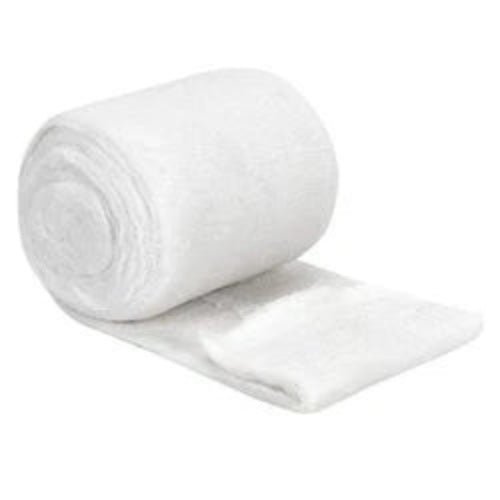

Type: Gauzes
Gamjee Roll Cotton Sterile (Pack of 5)

Type: Gauzes
Gamjee Cotton Roll with Sterility Indicator (Pack of 10)


Type: Nursing
Absorbent Cotton Wool 500 gms
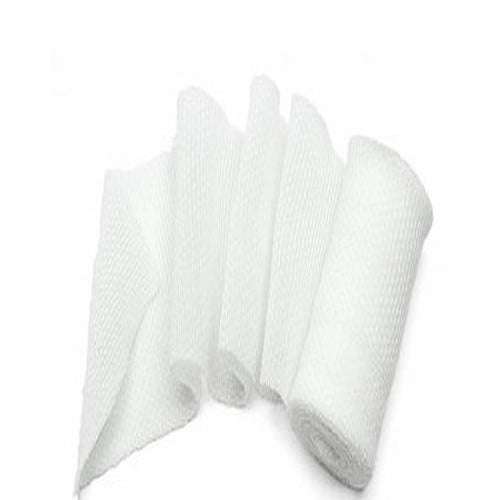
Type: Cotton Bandages
Cotton Bandages (120 Rolls) Woven Fabricated


Type: Gauzes
Zig Zag Cotton 100gm Pack of 10 Absorbent Cotton
Collection:
Cotton Roll | Essential for Healthcare Use
Introduction: Why Cotton Roll Is Still Essential in Modern Care
The cotton roll remains one of the most widely used consumables in healthcare. Even though it appears simple, it plays an important role in dressing support, skin cleaning, dental assistance, general nursing tasks, and basic first-aid care. In hospitals, clinics, dental setups, and home-care environments, cotton roll products are chosen because they are soft, absorbent, flexible, and easy to handle. Whether the requirement is a compact procedure roll or a big cotton roll for repeated daily use, the product remains a standard part of clinical workflow.
Buyers often assume all cotton rolls are the same, but that is not true. The quality, processing, absorbency, purity, roll size, and end-use suitability can vary significantly. A cotton roll meant for general cleaning use may not be the same as a medical absorbent cotton roll expected to perform in hospital or dental procedures. This is why product selection should be based on purpose rather than appearance alone.
Another common reason people search this topic is price. They ask questions such as How much does a roll of cotton cost?, How much is 1 kg of cotton?, What is the cotton price today?, and Which price is best of cotton? These questions seem simple, but they actually refer to different markets. A medical cotton roll is a processed healthcare product. Raw cotton is an agricultural commodity. Daily spot cotton prices are a market matter. Hospital cotton roll pricing is a medical-supply question. When these are mixed together, confusion begins.
This article explains cotton roll meaning, common uses, product quality, differences between medical cotton and raw cotton, what 100% pure cotton really means, and how to think practically about pricing, weight, and buying decisions. The goal is to help doctors, physiotherapists, hospitals, clinics, dental professionals, and home-care buyers understand the category more clearly.
Hospitals & Clinics
Used in dressing rooms, skin cleaning, procedure trays, and routine nursing support.
Dental Practices
Commonly used for moisture control, chairside support, and small oral-care procedures.
Home Care & First Aid
Useful for basic hygiene support, first-aid care, and selected non-invasive household medical tasks.
What Is a Cotton Roll?
A cotton roll is a rolled, soft, absorbent mass of cotton fiber prepared for medical, hygienic, or procedural use. In healthcare settings, it is commonly referred to as absorbent cotton when the product has been processed to meet cleanliness and absorbency expectations suitable for routine clinical work. Cotton rolls are designed to be practical. They can be cut, peeled, shaped, or separated according to need, which makes them highly versatile.
In a clinical environment, cotton roll is often valued because it combines softness with workable structure. It can hold solution, support skin cleansing, assist in wound-surface handling, or provide chairside help in dentistry. Compared with loose cotton, the roll format is easier to store, more organized in supply rooms, and more convenient during high-frequency use.
It is also important to understand that a cotton roll is not automatically sterile just because it is cotton. Some cotton products are sterile, some are non-sterile, and some are meant only for general external or support use. Buyers should always check the intended application, especially when purchasing for hospitals or procedure rooms.
Simple Meaning
A cotton roll is a rolled absorbent cotton product used in healthcare, dental care, hygiene, and support procedures where softness and liquid absorption are important.
What Makes Cotton Roll Useful in Clinical Practice?
Cotton roll remains useful because it solves many small but important practical problems in patient care. It can hold antiseptic or saline, support wiping and cleansing, help with surface drying, provide light pressure support, and assist in dental moisture management. A single material performing so many simple tasks explains why cotton roll continues to remain a staple supply item even in highly modern healthcare settings.
Another major benefit is flexibility. A cotton roll can be adjusted quickly according to the procedure. It can be used as a full strip, torn into smaller pieces, twisted into a more focused application shape, or layered for padding. This makes it suitable for everything from general ward use to dressing support to dental chairside work.
In addition, cotton is usually comfortable against the skin when handled properly. Its soft structure makes it useful where harsh or stiff materials would be unsuitable. This matters in delicate skin care, oral work, and selected wound-support tasks.
Absorbency
Useful for holding fluids such as saline or antiseptic during routine care tasks.
Softness
Supports contact with skin and soft tissues more comfortably than rigid materials.
Flexibility
Can be shaped, cut, or separated according to the exact clinical or dental need.
Easy Storage
Roll form makes stocking, dispensing, and repeated daily use more practical.
Common Uses of Cotton Roll in Hospitals and Clinics
In hospitals and clinics, cotton rolls are used in many routine workflows. They may be used for skin cleaning before certain procedures, dressing support, cleaning around wounds, assisting with antiseptic application, or helping remove small amounts of fluid or residue from the skin surface. They are also used in nursing stations for general handling tasks that require something soft and absorbent.
In procedure and minor treatment areas, cotton roll is often included alongside gauze, tape, antiseptic solutions, and disposable trays. It is not always the primary dressing material, but it often acts as a support material that makes the procedure smoother. It can also be used as light padding under certain bandaging conditions, though the exact dressing choice depends on the clinical requirement.
In physiotherapy-linked care or rehabilitation support, cotton products may be used during small skin-prep or supportive care tasks, especially in settings where patients need recurring contact care and hygiene handling.
| Setting | Common Cotton Roll Use | Main Benefit |
|---|---|---|
| General Ward | Surface cleaning, dressing support, routine nursing use | Quick and versatile handling |
| Dressing Room | Antiseptic application and wound-area cleaning support | Soft and absorbent contact material |
| Clinic Procedure Area | Minor care support and cleaning tasks | Easy to shape and use as needed |
| Home Care | Basic hygiene and first-aid support | Accessible and familiar product |
Cotton Roll in Dental Practice
Cotton roll has a particularly strong role in dentistry. It is commonly used to help manage saliva, improve dryness in selected areas, and support a cleaner working field for specific chairside tasks. In many dental settings, the compact shape of cotton roll pieces makes them especially useful because they can be positioned more precisely than loose cotton.
This is one reason search terms sometimes connect cotton with dental routines. Cotton rolls are easy to place and remove, easy to cut to size, and practical when moisture control is needed during short procedures. They are also useful in chairside assistance where material organization matters.
The inclusion of the question “What is the 3-3-3 rule for teeth?” likely comes from a broader dental curiosity context. While that phrase is not a formal universal clinical standard in the same way as instrument guidelines, cotton roll is undeniably a basic and useful dental support material in everyday practice.
What Is 100% Pure Cotton?
In simple product language, 100% pure cotton means the material is composed entirely of cotton fiber rather than mixed synthetic fiber. However, in practical medical and clinical buying, purity should never be judged by the phrase alone. A cotton roll may claim purity, but the real questions are whether it is absorbent enough, clean enough, soft enough, and suitable enough for the intended task.
For hospital and clinic use, quality matters just as much as fiber composition. Medical buyers generally care about consistency, visible cleanliness, roll structure, softness, lint behavior, absorbency, and reliable supply. So while “100% pure cotton” sounds attractive, it should be treated as only one part of the buying decision.
A better professional approach is to ask whether the product is suitable for medical absorbent use, whether it performs consistently, and whether it matches the needs of wound support, cleansing, or dental work.
Purity vs Practicality
“100% pure cotton” sounds important, but in healthcare buying, absorbency, softness, cleanliness, and intended use are just as important as fiber purity itself.
Big Cotton Roll vs Standard Cotton Roll
A big cotton roll is usually preferred in settings where cotton is used repeatedly throughout the day. Hospitals, larger clinics, dental setups, and home-care suppliers often choose larger rolls because they reduce the need for frequent replacement and may provide better long-term value per unit of cotton. Standard smaller rolls can still be useful, especially in low-volume environments or where storage space is limited.
The best choice depends on usage frequency. If cotton is needed only occasionally, a smaller roll may be sufficient. If the product is used multiple times a day across multiple patients or procedures, a larger roll generally makes more operational sense.
For procurement teams, this becomes a question of workflow, storage, waste control, and average daily consumption. A larger roll is not automatically better — it is better only when matched with actual usage needs.
How Much Does a Roll of Cotton Cost?
The cost of a cotton roll varies depending on the size of the roll, the total weight, the brand, the level of processing, whether the product is medical absorbent cotton, and whether it is sterile or non-sterile. This is why the question “How much does a roll of cotton cost?” cannot be answered with one single universal figure.
In practical buying, cotton roll pricing is usually influenced by:
- Roll weight and bulk quantity
- Medical-grade vs general-purpose use
- Packaging and brand consistency
- Absorbency and softness quality
- Local distributor pricing and institutional order volume
Hospitals and clinics usually look at the cost per roll, cost per kilogram, and consistency of supply rather than only the visible pack price. Home-care buyers may focus more on affordability, but they still benefit from selecting a product that matches the actual care need instead of buying the cheapest option blindly.
How Much Is 1 kg of Cotton?
This question becomes tricky because 1 kg of cotton can refer either to a raw agricultural commodity or to processed absorbent cotton sold as a medical or hygiene product. These are not the same thing. A hospital buyer asking about 1 kg of cotton usually means processed absorbent cotton. A commodity trader asking about 1 kg of cotton may mean raw kapas or cotton fiber pricing.
That is why price discussions should always separate raw cotton market valueRaw cotton market value relates to commodity or agricultural pricing, which changes with season, grade, arrivals, and market conditions. It is different from medical absorbent cotton roll pricing. from medical consumable value. Medical cotton rolls include processing, packaging, finishing, and supply-chain costs that do not apply in the same way to raw fiber pricing.
So the correct answer is not one number, but a distinction: 1 kg of medical cotton is a finished healthcare product, while 1 kg of raw cotton belongs to the commodity market.
How Much Is 1 kg of Raw Cotton?
Raw cotton pricing is driven by agricultural market conditions. It changes with harvesting season, staple type, grade, mandi arrivals, demand, export conditions, and government price support. This is why raw cotton prices are usually discussed through commodity and trade references rather than healthcare supply catalogs.
For evergreen content, the safest way to answer this is by explaining that raw cotton prices change over time and should be checked through live commodity references or official cotton trade organizations. In India, pricing context is often followed through bodies such as the Cotton Association of India and market references like.
Important Distinction
Raw cotton price and medical cotton roll price are not the same. One belongs to the commodity market, while the other is a processed medical-use product.
What Is the Cotton Price Today?
The question “What is the cotton price today?” changes every day and depends on what exactly is being priced. If the question refers to raw cotton or kapas, the answer changes with live market and regional conditions. Official India cotton market references show that daily spot rates and commodity-linked values differ by grade, staple, micronaire, and location, which is why a single permanent number is not reliable for evergreen content.
If the question refers to cotton roll products in medical stores, then price depends on brand, roll size, medical absorbency quality, pack weight, and distributor margin. Again, there is no single daily national “cotton roll price” that applies to every healthcare buyer.
The most useful way to handle this topic in a professional article is to explain that raw cotton prices are market-driven and current values should be checked through official spot-rate or trade references, while medical cotton roll prices should be checked through healthcare product suppliers and distributors. CAI currently lists official spot-rate structures and also notes government-announced MSP benchmarks for the 2025–26 cotton season.
Which Price Is Best for Cotton?
The best price for cotton is not always the lowest price. For healthcare and clinical use, the best price is the one that gives the right combination of product quality, absorbency, softness, low contamination risk, and consistency of supply. Cheap cotton that sheds excessively, performs poorly when wet, or lacks reliable processing may become more expensive in actual use because it creates inefficiency and compromises care quality.
So instead of asking only which price is cheapest, a better professional question is:
- Is the cotton suitable for medical or dental use?
- Does it absorb well without falling apart?
- Is the roll clean, soft, and consistent?
- Does the supplier provide repeatable quality?
- Is the cost justified by performance and safety?
This is how hospitals, clinics, and long-term care buyers usually think: cost matters, but performance matters too.
Medical Cotton Roll vs General Cotton Products
Medical cotton rolls should never be assumed identical to general consumer cotton products. In healthcare use, absorbency, cleanliness, softness, and processing standards matter more because the product may come in close contact with skin, dressings, or procedural work. A decorative or cosmetic cotton product may not behave the same way as a clinically useful absorbent roll.
This is also why hospitals and clinics often prefer known medical suppliers rather than general retail cotton. The better product is not chosen only for appearance. It is chosen because it performs properly in routine care.
| Product Type | Main Use | What Buyers Should Check |
|---|---|---|
| Medical Cotton Roll | Clinical, dental, dressing, hygiene support | Absorbency, softness, cleanliness, healthcare suitability |
| General Cotton Product | General cleaning, cosmetic, or non-clinical use | May not be ideal for medical procedure support |
| Raw Cotton | Agricultural or industrial fiber base | Not the same as a finished medical cotton roll |
How Hospitals, Clinics, and Dentists Choose Cotton Roll
For professional buyers, the right cotton roll depends on workload and care context. Hospitals may prefer larger, more absorbent rolls that can support dressing rooms and nursing stations. Dental setups often prioritize shape, clean handling, and chairside practicality. Home-care suppliers may prefer medium-size rolls that balance storage convenience and value.
Buyers usually compare:
- Roll size and bulk weight
- Absorbency and softness
- Medical suitability
- Packaging quality
- Supply consistency
- Value over repeated use
Good procurement is not just about keeping cost low. It is about making sure the cotton roll performs well in the real care setting.
Hospital Buyers
Usually need high-volume, consistent, absorbent cotton for repeated daily workflow.
Dental Buyers
Often prioritize controlled handling, softness, and chairside usability.
Home-Care Users
Need practical quantity, affordability, and reliable softness for routine support use.
Distributor View
Repeat quality and stable supply are as important as price competitiveness.
What Is the 3-3-3 Rule for Teeth?
This question appears more often in general dental curiosity than in cotton-roll technical discussions. It is not a universal formal rule in the same way as dosage or surgical guidelines. However, its presence in cotton-roll-related searches likely comes from the fact that cotton rolls are often used in dental setups. The main point here is that cotton roll supports chairside work, but dental-care instructions should come from a dentist or qualified oral-health source rather than from simplified number rules alone.
Frequently Asked Questions
What is a cotton roll?
A cotton roll is a rolled absorbent cotton product used in medical, dental, hygiene, and first-aid settings where softness and fluid absorption are needed.
How much does a roll of cotton cost?
The price depends on roll size, weight, product quality, medical suitability, and brand. There is no single universal price for every cotton roll.
How much is 1 kg of cotton?
The answer depends on whether you mean raw cotton as a commodity or processed absorbent cotton as a healthcare product. These belong to different markets.
How much is 1 kg of raw cotton?
Raw cotton pricing changes with market conditions, region, and grade. It should be checked through current market references rather than assumed from medical-supply pricing.
What is 100% pure cotton?
It generally means the product is made fully from cotton fiber, but practical medical value also depends on cleanliness, absorbency, softness, and proper processing.
What is the cotton price today?
Daily cotton prices vary by grade, region, and market conditions. Official spot-rate references and trade bodies are the better source for current commodity values.
Which price is best of cotton?
The best price is the one that balances affordability with quality, absorbency, softness, and suitability for the intended medical or dental use.
What is the use of a big cotton roll?
A big cotton roll is useful where cotton is used frequently, such as hospitals, dressing rooms, and dental clinics, because it supports bulk workflow and better long-term value.
Conclusion
The cotton roll remains one of the most practical and dependable support consumables in medical, dental, and home-care environments. Its real value comes from softness, absorbency, flexibility, and ease of use. But choosing the right cotton roll means looking beyond the label. Purity, quality, processing, intended use, and pricing context all matter. When hospitals, clinics, dentists, and home-care buyers choose the right cotton roll for the right purpose, they improve workflow, comfort, and overall care quality.