
Filter
3 products

Type: Anesthesia
CPAP Nasal Vented Mask Standard
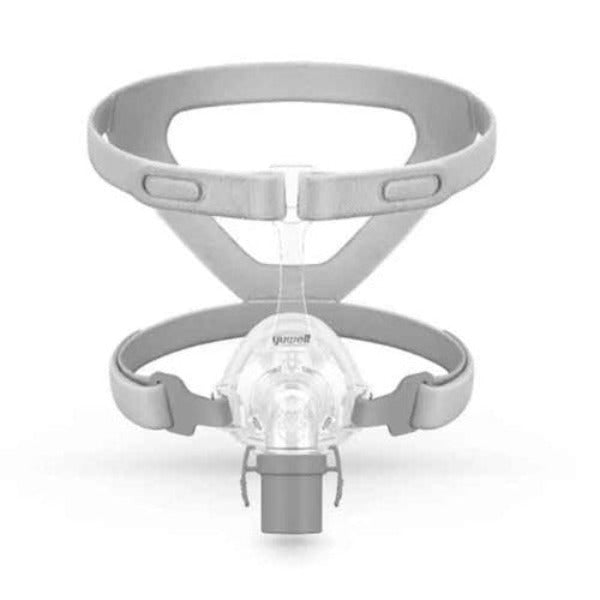
Type: Respiratory
CPAP Nasal Vented Mask Deluxe
Type: anesthesia
CPAP Nasal Vented YN 03 from Yuvell
Collection:
CPAP Machine Guide: Uses, Types, Benefits & Common Problems
A CPAP machine (Continuous Positive Airway Pressure) is a widely used medical device designed to support breathing during sleep. It is primarily prescribed for patients suffering from sleep-related breathing disorders, especially obstructive sleep apnea (OSA). By delivering a constant flow of air through a mask, the device helps keep airways open, ensuring uninterrupted breathing throughout the night.
With growing awareness about sleep health, devices like automatic CPAP machines have become increasingly popular for both hospital and home use. These machines not only improve sleep quality but also help reduce long-term risks associated with untreated sleep apnea, such as cardiovascular disease, fatigue, and poor cognitive performance.
Quick Facts
- CPAP is used to treat sleep apnea and breathing disorders.
- Provides continuous airflow to keep airways open.
- Used at home and in clinical settings.
- Improves sleep quality and oxygen levels.
What is CPAP and How Does It Work?
A CPAP machine works by delivering a steady stream of pressurized air through a mask worn over the nose or mouth during sleep. This airflow prevents airway collapse, which is the primary cause of obstructive sleep apnea.
- Air is drawn from the environment
- Filtered and pressurized by the machine
- Delivered through tubing and mask
- Keeps airway open during sleep
Modern automatic CPAP machines can adjust pressure levels in real-time based on breathing patterns, making therapy more comfortable and effective.
What is a CPAP Used For?
CPAP therapy is primarily used to manage conditions that affect breathing during sleep. Its most common use is for treating obstructive sleep apnea, but it also supports other respiratory conditions.
- Obstructive sleep apnea (OSA)
- Snoring and airway obstruction
- Respiratory insufficiency
- Post-surgical breathing support
- Chronic lung conditions in some cases
By maintaining consistent airflow, CPAP therapy helps reduce nighttime awakenings, improve oxygen saturation, and enhance overall sleep quality.
What is the 4-Hour Rule for CPAP?
The 4-hour rule for CPAP refers to the minimum recommended usage duration required to achieve therapeutic benefits. Healthcare providers generally advise patients to use their CPAP machine for at least four hours per night.
This guideline is also important for compliance monitoring, especially in cases where insurance or treatment programs track usage.
- Minimum usage: 4 hours per night
- Ideal usage: entire sleep duration
- Improves therapy effectiveness
- Reduces long-term complications
Consistent use beyond four hours leads to better outcomes, including improved daytime alertness and reduced cardiovascular risk.
What is CPAP and BiPAP? Key Differences
Both CPAP and BiPAP machines are used for respiratory support, but they differ in how they deliver air pressure.
| Feature | CPAP | BiPAP |
|---|---|---|
| Pressure Type | Single continuous pressure | Two pressure levels (inhalation & exhalation) |
| Comfort | Moderate | More comfortable for severe cases |
| Usage | Sleep apnea | Severe respiratory conditions |
| Complexity | Simple | Advanced |
While CPAP is ideal for most sleep apnea patients, BiPAP is recommended for individuals who require varying pressure levels or have more complex breathing disorders.
Types of CPAP Machines
Different types of CPAP machines are available to meet varying patient needs, depending on the severity of the condition, comfort requirements, and clinical recommendations. Each type delivers airway pressure in a slightly different way, ensuring optimal breathing support during sleep.
Standard CPAP Machine
A standard CPAP machine delivers a fixed and continuous level of air pressure throughout the entire sleep cycle. This pressure is pre-set by a healthcare provider based on the patient’s diagnosis and remains constant regardless of breathing patterns. It is commonly used for patients with stable and predictable sleep apnea conditions. While effective, some users may initially find the constant pressure slightly uncomfortable during exhalation.
Automatic CPAP Machine
An automatic CPAP machine (also known as APAP) is a more advanced device that continuously adjusts the air pressure in response to the patient’s breathing patterns. It increases pressure when airway obstruction is detected and reduces it when breathing stabilizes. This dynamic adjustment enhances comfort and improves therapy adherence, making it a preferred choice for many patients, especially those with varying sleep conditions.
BiPAP Machine
A BiPAP machine (Bilevel Positive Airway Pressure) provides two distinct pressure levels—higher pressure during inhalation and lower pressure during exhalation. This makes breathing more natural and comfortable, particularly for patients who find it difficult to exhale against continuous pressure. BiPAP machines are often recommended for individuals with severe sleep apnea or additional respiratory conditions such as COPD.
Choosing the right type of CPAP device depends on individual health needs, comfort preferences, and medical advice. Each machine plays a vital role in improving breathing quality and ensuring effective sleep therapy.
Types of CPAP Machines and Masks
While CPAP machines are designed to deliver continuous airflow, their effectiveness and comfort largely depend on the type of mask used. Different patients have different breathing patterns, comfort preferences, and clinical conditions, which is why multiple mask options are available. Selecting the right mask is essential for ensuring proper therapy adherence and optimal results.
The most suitable mask for a patient depends on factors such as sleeping position, whether they breathe through the nose or mouth, and the severity of sleep apnea. Below are the commonly used CPAP mask types:
- Nasal Mask: This mask covers the nose and is one of the most commonly recommended options. It is ideal for patients who move frequently during sleep, as it offers a secure fit while maintaining comfort. It allows natural airflow through the nose and is generally well-tolerated by most users.
- Nasal Pillow Mask: Instead of covering the entire nose, this mask uses small cushions or prongs that fit directly into the nostrils. It is lightweight, less intrusive, and suitable for patients who prefer minimal facial contact. Additionally, users who wear glasses or feel claustrophobic often find this mask more comfortable.
- Full Face Mask: This triangular mask covers both the nose and mouth, making it suitable for patients who breathe through their mouth during sleep. It is also recommended for individuals with nasal blockages or chronic congestion. While it provides effective airflow, some users may require time to adjust to its size and fit.
- Hybrid Mask: A hybrid mask combines features of both nasal and full face masks. It covers the mouth while using nasal cushions or prongs for the nostrils, avoiding pressure on the bridge of the nose. This design offers flexibility and is often chosen by patients seeking a balance between comfort and coverage.
Healthcare providers typically guide patients in selecting the most appropriate mask type based on individual needs. It is common for users to try multiple mask options before finding the best fit, as comfort plays a key role in successful long-term CPAP therapy.
Benefits of CPAP Machine
Consistent use of a CPAP machine provides both immediate and long-term health benefits, particularly for individuals diagnosed with sleep apnea. By maintaining an open airway during sleep, CPAP therapy reduces interruptions in breathing and supports better oxygen delivery throughout the body.
Short-Term Benefits
- Improved Sleep Quality: Continuous airflow helps eliminate breathing pauses, resulting in deeper and more restful sleep.
- Reduced Snoring: CPAP therapy significantly reduces or eliminates snoring by keeping the airway open.
- Less Daytime Sleepiness: Better sleep leads to improved energy levels and reduced fatigue during the day.
- Improved Mood and Focus: Quality sleep positively impacts mental well-being, concentration, and productivity.
Long-Term Benefits
- Better Blood Pressure Control: Regular CPAP use can help reduce hypertension associated with sleep apnea.
- Reduced Cardiovascular Risk: It lowers the risk of heart attack, stroke, and other heart-related conditions.
- Improved Cognitive Function: Better oxygenation supports memory, decision-making, and brain function.
- Enhanced Overall Health: Long-term therapy contributes to improved quality of life and reduced healthcare complications.
By consistently using a CPAP device as prescribed, patients can experience significant improvements in both physical and mental health. Proper mask selection, regular usage, and adherence to medical guidance are key factors in achieving the full benefits of CPAP therapy.
CPAP Machines: Tips to Avoid Common Problems
Using a CPAP machine is an effective treatment for obstructive sleep apnea, but many users may experience challenges during the initial adjustment period. Understanding these common issues and their solutions can help improve comfort, ensure consistent usage, and maximize the benefits of CPAP therapy.
1. Incorrect Mask Size or Style
A poorly fitted mask is one of the most common issues in CPAP therapy. An improper fit can lead to air leakage, causing symptoms such as dry eyes, nasal congestion, dry mouth, and skin irritation. It can also reduce therapy effectiveness.
Choosing the correct mask type—such as nasal, full-face, or nasal pillow—and ensuring proper sizing is essential. Adjustable straps and proper fitting techniques can significantly improve comfort. If issues persist, consulting your healthcare provider or CPAP supplier for adjustments is recommended.
2. Difficulty Getting Used to the Mask
New users may find it uncomfortable to wear a CPAP mask initially. To adapt, it is helpful to wear the mask during the day while awake, such as while watching television. Gradually increasing usage helps build comfort and familiarity.
Consistency is key—using the CPAP machine every night, including during naps, accelerates the adjustment process and improves long-term therapy outcomes.
3. Discomfort from Forced Air Pressure
Some users feel uncomfortable with continuous airflow. Modern CPAP machines offer a ramp feature that starts with lower pressure and gradually increases to the prescribed level as the user falls asleep.
If discomfort continues, switching to an automatic CPAP machine or a BiPAP device, which provides different pressures for inhalation and exhalation, may enhance comfort.
4. Dry or Stuffy Nose
A dry or congested nose is often caused by air leaks or lack of humidification. Ensuring a proper mask fit is the first step in resolving this issue.
Using a heated humidifier attached to the CPAP machine can help maintain moisture in the airway. Additionally, saline nasal sprays or prescribed medications may improve nasal comfort and breathing.
5. Feeling Claustrophobic
Some users experience anxiety or claustrophobia while wearing the mask. Gradual exposure techniques—such as holding the mask near the face, then wearing it without straps, and eventually using it with the machine—can help reduce discomfort.
Relaxation techniques like deep breathing or meditation may also be beneficial. Switching to a smaller mask, such as a nasal pillow type, can further improve comfort.
6. Mask Leakage, Skin Irritation or Pressure Sores
Air leaks reduce the effectiveness of CPAP therapy and may cause irritation or dryness in the eyes and skin. Proper mask adjustment and positioning are essential to prevent leaks.
Regular cleaning, use of mask liners, and petroleum-free moisturizers can help reduce skin irritation. It is also important to check the mask regularly for wear and tear.
7. Difficulty Falling Asleep
Some users find it difficult to fall asleep while using a CPAP machine. Wearing the mask during the day can help improve comfort at night.
Maintaining good sleep hygiene—such as avoiding caffeine before bedtime, following a consistent sleep schedule, and creating a relaxing environment—can significantly improve sleep quality.
8. Dry Mouth
Dry mouth can occur if you breathe through your mouth while using a nasal mask. Air leaks can also contribute to this issue.
Using a chin strap, switching to a full-face mask, or adding a heated humidifier can help maintain moisture and improve comfort.
9. Removing the Mask During Sleep
It is common for users to unknowingly remove the mask during sleep, especially if it feels uncomfortable. Ensuring a proper fit and selecting a suitable mask type can help reduce this issue.
If the problem persists, setting a reminder or alarm to check the mask during the night may help improve adherence.
10. Noise from the CPAP Machine
Although modern CPAP machines are designed to operate quietly, noise can sometimes be bothersome. This may be due to dust, blocked filters, or improper maintenance.
Regular cleaning of filters, tubing, and masks can reduce noise. If the issue persists, using earplugs or a white noise machine may help. Placing the device slightly away from the bed can also minimize disturbance.
By understanding and addressing these common challenges, users can significantly improve their CPAP therapy experience. Consistent use, proper maintenance, and professional guidance are key to achieving the best results from CPAP treatment.
Benefits of CPAP Therapy
- Improves sleep quality
- Reduces snoring
- Prevents airway collapse
- Enhances oxygen levels
- Reduces risk of heart disease
Important Things You Should Know
Can CPAP cure sleep apnea?
CPAP does not cure but effectively manages symptoms.
Is CPAP safe for long-term use?
Yes, it is safe and commonly used for lifelong therapy.
Do automatic CPAP machines improve comfort?
Yes, they adjust pressure dynamically, improving user comfort.
Why Choose CPAP Machine from Meddeygo.com
Choosing the right CPAP machine is essential for effective management of sleep-related breathing disorders and long-term respiratory health. A reliable device ensures consistent airflow delivery, improved comfort, and better adherence to therapy, which directly impacts patient outcomes.
Meddeygo.com offers a comprehensive range of CPAP machines, including automatic CPAP devices, from well-known and trusted medical brands. The platform allows healthcare professionals, clinics, and home users to compare features, specifications, and pricing, making the selection process more informed and convenient.
With a focus on genuine products, competitive pricing, and dependable availability, Meddeygo.com ensures that users receive high-quality respiratory support devices suited to their specific needs. Whether for clinical use or home therapy, choosing a CPAP machine from a trusted platform helps improve treatment efficiency and patient comfort.
Conclusion
The CPAP machine plays a vital role in the management of sleep apnea and other breathing-related disorders by maintaining continuous airflow and preventing airway collapse during sleep. Its consistent use helps improve sleep quality, reduce daytime fatigue, and support overall cardiovascular health.
With advancements in technology, modern CPAP and automatic CPAP machines offer enhanced comfort, ease of use, and adaptability to individual breathing patterns. These improvements have made therapy more accessible and effective for a wide range of patients.
Incorporating CPAP therapy into daily life, under proper medical guidance, can significantly enhance long-term health outcomes and overall quality of life.