


Type: Bed Sheets
Disposable Bed Sheet Large Size 160 X 210cm


Type: Drapes
Disposable Bed Sheet Sterile with Indicator Large Size 160 X 200 cm
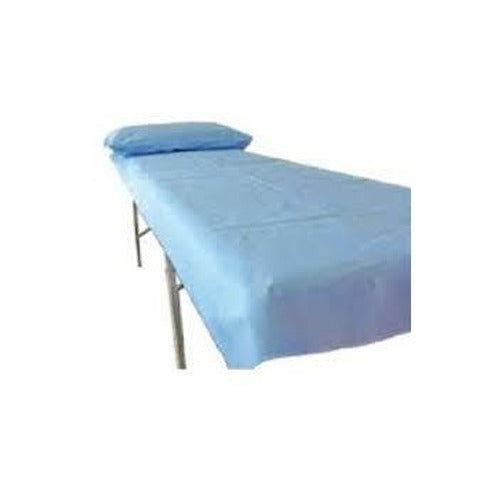
Type: Bed Sheets
Disposable Bed Sheet Medium Size 100cm x 100cm

Type: Bed Sheets
Disposable Bed Sheet Sterile with Indicator Large Size 160 X 210cm - Pack of 5


Type:
Disposable Bed Sheet Sterile with Indicator Medium 100cm X 100cm


Type: Drapes
Disposable Delivery Kit for Hospitals


Type: Drapes
Disposable Cesarean Procedure Kit
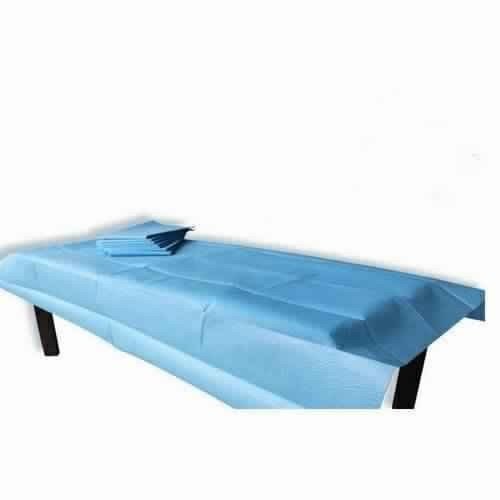
Type: Bed Sheets
Disposable Bed Sheet Sterile with Indicator Large Size 160 X 210cm


Type: Drapes
Disposable Cesarean Drape Sterile with ETO Indicator

Type: Drapes
Disposable Cesarean Drape


Type: Drapes
Disposable Hip U Drape With Head Sheet XXL
Collection:
Benefits of Using Disposable Spa Bedding
We've all experienced that awkward moment in a doctor's office---shifting slightly and hearing the loud, undeniable crinkle of paper beneath us. But when you book a massage to relax, that distracting sound is the last thing you want to hear. Modern wellness centers have moved beyond that clinical feel, adopting a solution that offers the best of both worlds: the safety of a single-use cover with the softness you expect from luxury linens.
While fluffy cotton towels look inviting, maintaining them is a massive challenge for even the best spas. Heavy massage oils and lotions can embed themselves deep into cloth fibers, sometimes surviving even industrial washing cycles. Disposable spa bedding acts as a "freshness hero," guaranteeing that the surface touching your skin has never been used by anyone else. It provides a pristine hygiene barrier that eliminates the worry of lingering scents or invisible residues from previous clients.
Disposable bedding is not paper; it is non-woven fabric, a material engineered to feel like a soft, breathable cloth rather than a stiff sheet of stationery. Unlike standard paper that tears the moment you turn over, these advanced fibers are designed to flex and breathe with your body, ensuring your comfort isn't sacrificed for cleanliness.
Next time you settle in for a facial or body treatment, take a moment to notice the texture of the linens. Top-tier establishments are increasingly swapping traditional spa towels for these high-quality disposables to ensure every guest receives a truly fresh start. Recognizing this difference helps you spot a facility that prioritizes both your relaxation and your well-being.
Disposable spa bedding made from soft, breathable non-woven fabrics delivers a hygienic, single-use “first-time” surface without the clinical crinkle of paper or the lingering oils, lint, and residues common in laundered cotton. Quality varies by GSM and optional PE coatings, letting providers match breathable, oil-resistant, or waterproof protection to each treatment while maintaining durability for full sessions. Compared with traditional linens, disposables can reduce water, energy, labor, and replacement costs, and newer materials like PLA, bamboo fiber, and recycled polymers enhance sustainability. Fast fitted setups, dedicated face-cradle covers, and a simple quality checklist help clients spot spas—and set up homes—that prioritize cleanliness, comfort, and quiet.
What Exactly is 'Non-Woven' Disposable Bedding?
If you look at a traditional cotton sheet under a microscope, you see threads weaving over and under each other like a tiny basket. Non-woven salon bed covers, primarily made from a material called polypropylene, skip the weaving loom entirely. Instead, manufacturers take fine, synthetic fibers and bond them together using heat and pressure. The result is a sheet that mimics the drape and softness of cloth but creates a consistent "shield" that resists tearing better than paper ever could.
That unique bonding process solves a specific problem often found with laundered linens: lint. Since the fabric isn't made of twisted threads that can fray or break over time, it doesn't shed. This means you won't walk away from a waxing appointment or oil massage with fuzz sticking to your skin, a common annoyance with older, over-washed cotton towels.

When assessing quality, one acronym is essential: GSM. This stands for "Grams per Square Meter," and it functions much like thread count does for regular sheets---it tells you how thick and plush the material feels.
Most disposable sheets fall into three main categories based on this weight:
- 20--25 GSM: Lightweight and airy, ideal for quick protective coverings during dry treatments like waxing.
- 30--35 GSM: The industry standard, offering a balance of softness and durability for general massage.
- 40+ GSM: Heavyweight and opaque, providing a plush, "luxury" feel often used in high-end spa facials.
These weights explain why some covers feel like a light veil while others feel like a genuine blanket. This distinction is crucial when considering why your skin might actually prefer a "first-time" surface over traditional options.
Why Your Skin Prefers a 'First-Time' Surface
There is a distinct peace of mind that comes from knowing you are the very first person to touch the bedding on a treatment table. While high-quality cotton sheets feel luxurious, they unfortunately have a "memory." Even after a spin through a hot wash cycle, woven fabrics can retain microscopic remnants from previous clients, creating hidden hygiene challenges that go beyond visible stains.
Traditional spa linens face a tough opponent: massage oil. Cotton fibers are hollow and absorbent, acting like microscopic sponges that trap oils deep within their structure. Over time, trapped oils can oxidize and turn rancid inside the fiber, leading to that faint, stale scent sometimes found in older towels---a sign that the fabric isn't as fresh as it looks.
To combat those stubborn stains and ensure cross-contamination prevention in spas, commercial laundries often resort to aggressive cleaning protocols. Sensitive skin can easily react to the invisible residue left behind by this heavy-duty washing process, which typically accumulates:
- High-alkaline industrial detergents
- Harsh bleaching agents
- Residual oxidized oils
- Micro-abrasive mineral deposits
Switching to hypoallergenic single-use beauty couch covers creates a neutral zone for your skin. Because the material is biologically inert and requires no washing, it carries zero chemical load or fragrance triggers. This purity creates the ideal canvas for aromatherapy and treatments, though it raises the logical question of environmental impact.
The Battle of the Beds: Disposable vs. Traditional Laundry
Tossing a sheet in the bin to save the planet seems contradictory, but the math behind professional laundry is surprisingly heavy. While a disposable cover creates physical waste, cleaning heavy cotton towels and sheets requires an immense amount of water---often up to 30 gallons per load. Many clients are now seeking eco-friendly alternatives to traditional spa linens because they realize that skipping the wash cycle saves thousands of liters of heated water annually, trading a small amount of solid waste for a massive reduction in liquid pollution.
Achieving that pristine, hotel-white brightness requires aggressive energy consumption. To strip massage oils and sanitize fabrics, machines must run at ultra-high temperatures for extended periods, consuming significant electricity. This energy intensity is a major factor in reducing salon laundry operational costs, but for the eco-conscious guest, it highlights a hidden carbon footprint. The "clean" cotton sheet you lie on has likely traveled through an energy-intensive industrial cycle just to reach the table.

When comparing reusable vs single-use spa linens, texture tells the real story of fabric degradation. Cotton fibers break down after repeated exposure to high heat and harsh detergents, leading to "pilling"---those tiny, rough balls of fuzz that can feel like fine grit against sensitive skin. A disposable sheet offers a consistent, factory-smooth surface every time because it hasn't suffered through hundreds of aggressive spin cycles that turn soft loops into scratchy nubs.
Modern manufacturing has shifted the conversation from "wastefulness" to "resource balance." By utilizing lightweight materials, spas can offer a hygienic barrier that doesn't demand gallons of fresh water to maintain. This evolution in material science doesn't just save water; it allows for specialized textures designed to repel liquids entirely.
From Oil-Resistant to Waterproof: Choosing Your Shield
If you have ever felt a damp spot on a treatment table or worried about lotions seeping through to the cushion below, you understand why the "one sheet fits all" approach rarely works in a modern spa. While standard fabric is perfect for dry comfort, wet treatments demand spa covers that act as an impermeable shield. For intense hydration therapies or deep-tissue massages using heavy oils, professionals must switch to materials engineered specifically to keep you dry and comfortable.
This is where the industry relies on oil-resistant protective spa table liners enhanced with a PE-coating. Think of this coating as a micro-thin raincoat for the bedding---it uses polyethylene to stop moisture dead in its tracks without feeling stiff. While older versions of waterproof protective exam paper rolls were notorious for being loud and "crunchy" every time a client shifted weight, modern innovations bond this waterproof layer to soft non-woven fibers. This hybrid design offers the silent softness of fabric against your skin with the heavy-duty protection of plastic underneath, making it ideal for messy services like mud wraps or salt scrubs.
Most professionals follow a simple "match the mess" rule when selecting their table barriers:
- Relaxation Massage: Soft Non-woven (Breathable, quiet, and feels like cloth).
- Body Wrap: PE-coated Sheet (Waterproof barrier that traps heat and blocks fluids).
- Quick Waxing: Paper Roll (Sanitary, creates a clean workspace, and easy to change).
How Long Do Disposable Sheets Actually Last?
Clients often worry that the thin material beneath them will fall apart. We often associate disposables with flimsy doctor's office paper that tears the moment you scoot forward, creating a noisy and uncomfortable mess. However, modern spa bedding is designed with the understanding that clients need to move, stretch, and settle in without the foundation failing.
Unlike standard paper, which is made of pressed pulp that rips easily in any direction, single-use massage table sheets are usually constructed from spun synthetic fibers. This creates a web-like structure similar to fabric, giving the material "strength-under-stretch." In the industry, this is known as tensile resistance; even when you pull it or apply pressure during a deep tissue adjustment, the fibers tend to stretch slightly rather than snapping immediately.
High-quality options are engineered to withstand a full 60 to 90-minute session. Whether you are receiving a vigorous sports massage requiring frequent repositioning or a still restorative facial, premium non-woven covers maintain their integrity against friction and body weight. They are built to survive the natural tossing and turning required to get comfortable, ensuring you stay separated from the table surface throughout the entire appointment.
While these sheets are surprisingly tough, they do have physical limits. Sharp jewelry or extreme, sudden force can still puncture the material, which is why professionals ensure the sheet is laid out with enough slack to accommodate movement.
Setting Up a Professional Sanctuary in 3 Minutes
Changing standard linens between every single client would turn a relaxing spa day into a logistics nightmare. That is why fitted elasticized non-woven sheets have become the gold standard for the base layer of a treatment bed. Just like a fitted sheet on your mattress at home, these covers use elastic corners to grip the table securely, ensuring the protective barrier doesn't slide around when you turn over. This smart design allows therapists---or home users setting up a massage station for a partner---to transform a bare surface into a fresh, inviting space in seconds.

Beyond the main table, the most critical piece of the puzzle is the face cradle. Because this is where you breathe and rest your face, modern spa essentials include specific U-shaped shields that sit softly over the cushion without blocking airflow. Whether using a fitted base for security or a versatile flat sheet for body draping, knowing how to set up sanitary massage tables involves a quick three-step rhythm:
- The Warmer Layer: Place the disposable sheet over any electric table warmers so the heat radiates through to your back without sweat reaching the equipment.
- The Corner Check: Ensure the elastic is tucked fully under the table corners to prevent that distracting "snapping" sound during movement.
- The Breathability Test: Press down on the face cradle cover to ensure it has enough slack for the head to sink in comfortably without feeling tight.
Once the table is dressed, the result is a pristine environment that looks professional and feels safe. While the comfort benefits are clear for the person resting on the table, the business logic behind skipping the washing machine is equally compelling.
The Financial Math: Why Your Spa Owner Loves Disposables
Cotton towels might seem cheaper because you only buy them once, but for a busy wellness center, the initial price tag is just the start. Every time a therapist strips a table, they trigger a hidden chain of expenses involving gallons of hot water, heavy-duty detergents, and the high-voltage electricity needed to run industrial dryers. This daily cycle creates a massive utility bill that quickly exceeds the initial purchase price of the fabric.
Beyond the utility bills, time management is a critical factor. If a massage therapist spends an hour every day sorting, washing, folding, and stacking heavy towels, that is an hour they cannot spend treating clients. Eliminating the need for high-paid staff to double as laundry attendants allows the team's focus to remain entirely on client care rather than back-room chores.
When owners crunch the numbers, the math surprisingly favors the single-use option. While buying a box of disposable linens feels like a recurring expense, the cost per sheet is often lower than the combined cost of water, power, labor, and soap required to wash a cotton equivalent. Furthermore, traditional linens degrade quickly under high heat and oil exposure, meaning disposable sheets save owners from the expensive cycle of constantly replacing stained or tattered inventory. These savings often prevent rising energy and labor costs from increasing service fees.
Are Disposables 'Green'? The Rise of Biodegradable Spa Supplies
The environmental calculation of disposables is complex. While single-use items create solid waste, reusable linens demand massive amounts of water and energy to sanitize---especially when fighting stubborn massage oils. Many experts argue that the carbon footprint of heating gallons of water and running industrial dryers often rivals the impact of manufacturing light, eco-friendly alternatives to traditional spa linens. The choice is no longer just between dirtying water or filling landfills; it is about finding a balance through better materials.
The industry is moving away from basic plastics toward smarter, plant-based sciences. You might hear the term "PLA" (Polylactic Acid) mentioned by conscious brands. Simply put, this is a material that looks and feels like synthetic fabric but is actually derived from fermented plant starch, usually corn. This means that what is disposable bedding made of is shifting from unrecyclable petrochemicals to renewable resources designed to break down effectively in industrial composting facilities.
If sustainability is a priority for your wellness routine, keep an eye out for these specific materials on product labels or your spa's menu:
- Bamboo Fiber: Known for growing rapidly without pesticides, this material is soft, naturally hypoallergenic, and often fully biodegradable.
- PLA (Cornstarch): A plant-based alternative that mimics the strength of plastic but comes from renewable crops rather than oil.
- Recycled Polymer: Some brands now create sheets from post-consumer recycled bottles, giving plastic waste a useful second life.
Choosing biodegradable disposable salon supplies allows you to enjoy the hygiene benefits of single-use items without the heavy ecological baggage. By asking your local spa about their materials, you encourage the whole industry to shift toward these greener solutions.
The 'Home Spa' Hack: Bringing Hygiene to Your Guest Bed
While we often associate protective layers exclusively with professional clinics, they solve a surprisingly common household problem: the mess of DIY beauty. Many consumers ask, "Do they make disposable bed sheets?" usually after ruining a high-thread-count duvet with self-tanner or a rich body oil. Professional-grade barriers act as an insurance policy for your home furniture, allowing you to indulge in deep-conditioning hair masks or messy skincare treatments without the lingering anxiety of permanent laundry stains.
Incorporating spa linens designed for single use into your home routine instantly upgrades the atmosphere from a bathroom experiment to a sanctuary experience. Whether you are hosting a mobile massage therapist or simply arranging an at-home facial night with friends, draping a soft, non-woven sheet over a guest bed or recliner creates a clean, designated zone for relaxation. This simple addition signals to your brain that it is time to unwind, while simultaneously catching every drop of excess lotion or dye that would otherwise seep into your upholstery.
Beyond beauty rituals, disposable spa bedding offers a practical layer of defense for unexpected hosting scenarios or creative projects. The same engineered fabric that keeps a massage table hygienic is soft enough to serve as a temporary barrier for a guest mattress or a protective throw for crafts involving glues and paints. Because modern materials are designed to be breathable and cloth-like, they provide this protection without the distracting "crinkle" of medical paper.
The ultimate benefit lies in the cleanup. By adopting this professional trick, you protect your investment in permanent bedding and save gallons of hot water that would otherwise be spent scrubbing out stubborn grease.
What to Look for During Your Next Spa Visit: A Checklist for Quality
Stepping into a treatment room should feel like entering a sanctuary, not a gamble. Now that you understand the role of disposable spa bedding, you can look past the old stigma of "doctor's office paper" and appreciate the engineering behind your comfort. It isn't just about efficiency for the business; it is about the peace of mind that comes from knowing you are resting on a fresh, untouched surface.
The next time you book a session, take a moment to evaluate how your provider is maintaining hygiene standards in massage therapy. A high-quality spa prioritizes your safety without sacrificing that luxurious feel. Use this quick quality check to ensure you are in good hands:
- Is it soft? The material should feel like breathable fabric, not stiff paper.
- Is it fresh? Watch for sheets pulled from a clean dispenser or sealed pack.
- Does it cover? The barrier should protect the entire surface of the bed.
- Is the face cradle safe? Look for a specific, fitted cover for the headrest.
- Is it quiet? Premium materials won't rustle loudly every time you shift position.
You no longer have to guess what are the best disposable massage sheets for your experience; you will be able to feel the difference instantly. Whether you are visiting a local boutique or setting up a home spa day, prioritizing modern, non-woven fabrics ensures that your path to wellness is as clean as it is comfortable.
Q&A
Question: What exactly is “non-woven” disposable spa bedding, and how does it differ from paper or cotton?
Short answer: Non-woven bedding is made by bonding fine synthetic fibers (often polypropylene) with heat and pressure instead of weaving threads. It feels like soft, breathable cloth—not stiff paper—and resists tearing as you shift. Because it isn’t made of twisted yarns, it doesn’t shed lint, so you won’t leave with fuzz on your skin. Compared with cotton, it provides a consistent, hygienic barrier without retaining oils, scents, or detergent residues from prior washes—and without the clinical crinkle of exam paper.
Question: How do I choose the right disposable sheet for different spa treatments?
Short answer: Match weight and coating to the service. GSM (grams per square meter) indicates plushness and strength:
- 20–25 GSM: Light and airy for quick, dry treatments (e.g., waxing).
- 30–35 GSM: Balanced softness and durability for general massage.
- 40+ GSM: Plush, opaque “luxury” feel for high-end facials. For wet or oily services, pick non-wovens enhanced with a PE coating—think of it as a silent, fabric-soft raincoat that blocks oils and moisture. A simple rule of thumb: relaxation massage = soft non-woven; body wrap = PE-coated waterproof sheet; quick waxing = sanitary paper roll.
Question: Will a disposable sheet actually last an entire session without tearing?
Short answer: Yes—quality non-woven sheets are engineered to handle 60–90 minutes of movement. Their spun-fiber structure provides tensile resistance, stretching slightly under pressure instead of ripping like paper. They’re built to withstand repositioning, deep-tissue work, and normal friction. As with any material, sharp jewelry or sudden, extreme force can puncture them, so practitioners leave a bit of slack during setup to accommodate movement.
Question: Are disposables really eco-friendly, and what materials should I look for?
Short answer: The trade-off is resource balance: disposables create solid waste, but laundering cotton consumes large amounts of heated water and energy (e.g., up to ~30 gallons per load), plus detergents and bleach. Many guests prefer cutting that water and energy use, especially for oil-heavy services. For greener options, look for:
- Bamboo fiber (fast-growing, naturally hypoallergenic, often biodegradable)
- PLA/cornstarch-based non-wovens (plant-derived; designed to break down in industrial composting)
- Recycled polymers (give post-consumer plastic a second life) Choosing these materials helps you keep the hygiene benefits while reducing the ecological burden.
Question: Can I use disposable spa bedding at home, and how do I set it up quickly?
Short answer: Absolutely. It protects mattresses, sofas, and duvets during DIY beauty (self-tanner, hair masks, rich body oils) and cleans up in seconds. For a fast, pro-style setup:
- Place the disposable sheet over any electric warmer so heat passes through while sweat/oils stay off the device.
- Tuck elasticized corners fully under the surface to prevent slipping or snapping sounds.
- Add a dedicated U-shaped face-cradle cover (if using a headrest) and press to ensure breathable slack. You’ll get a soft, quiet, hygienic “first-time” surface without risking stains—or running extra laundry.