
Type: General Instruments
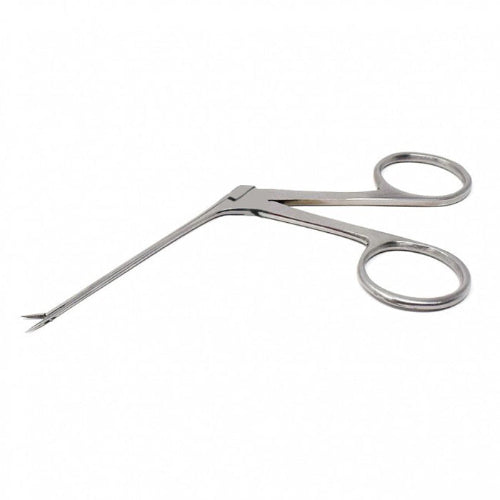
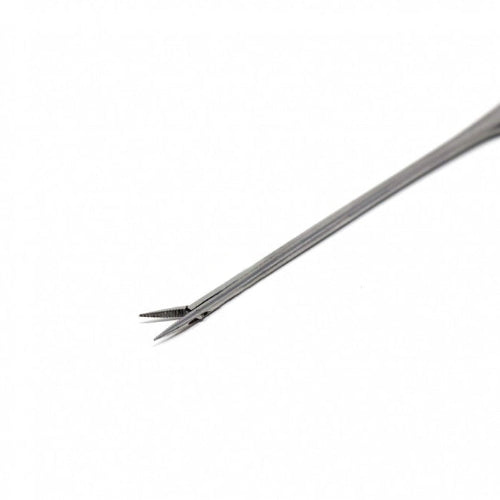
Hartmann Alligator Ear Forceps
Type: Instruments
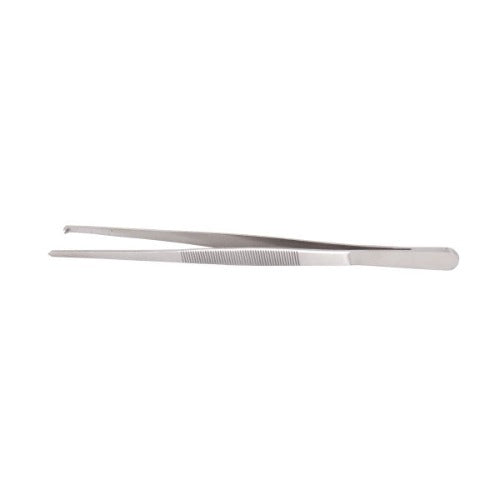
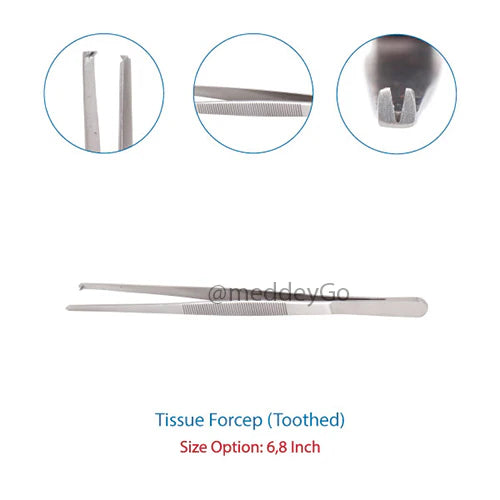
Dissecting Tissue Forceps Toothed
Type: Instruments
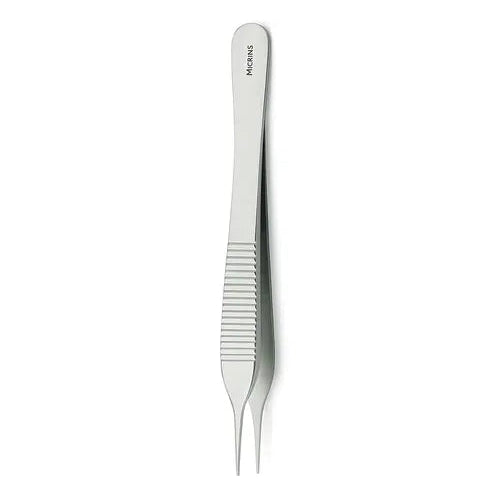
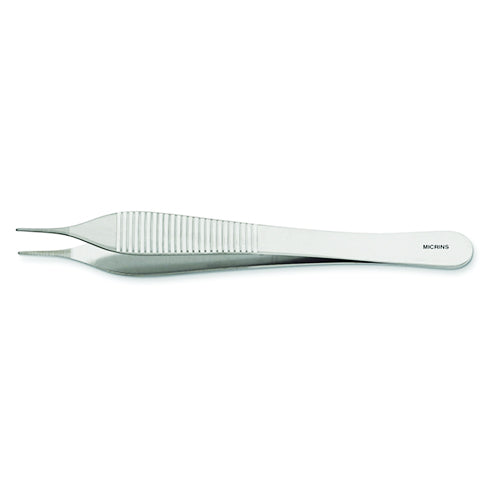
Adson Forcep Surgical Instruments
Type: Instruments
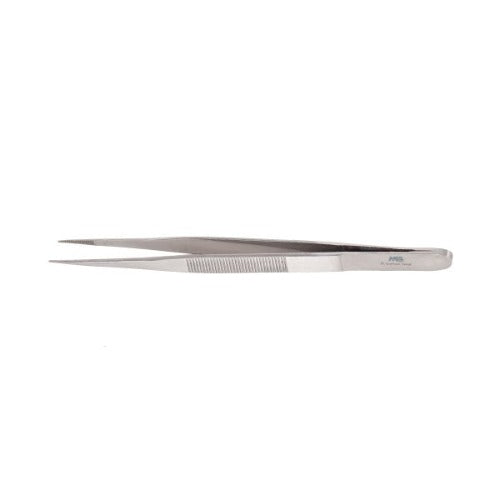
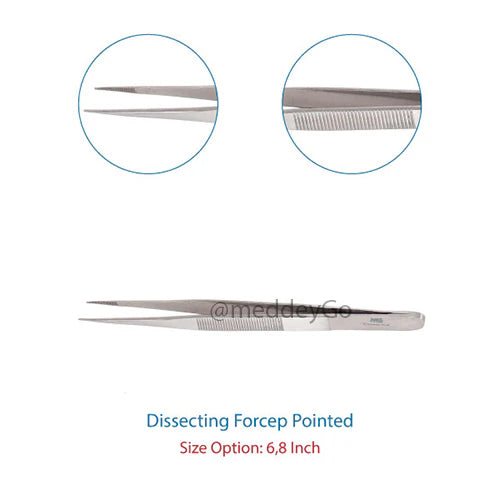
Dissecting Tissue Forceps Plain
Type: Instruments
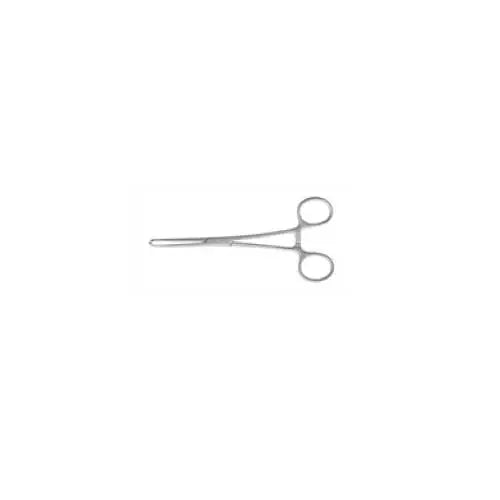
Allis Tissue Forceps Surgical Instrument
Type: Instruments
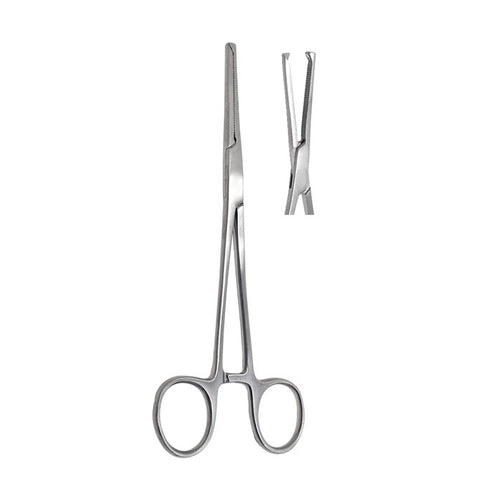
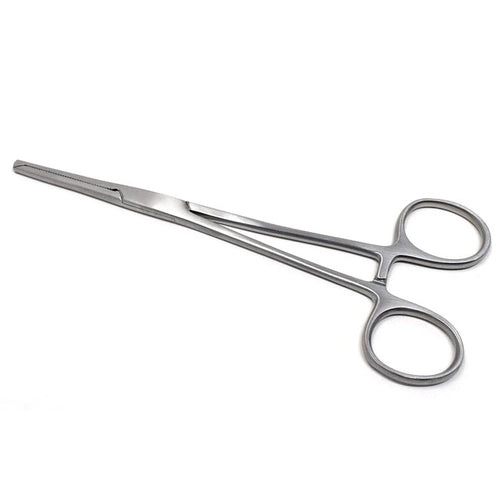
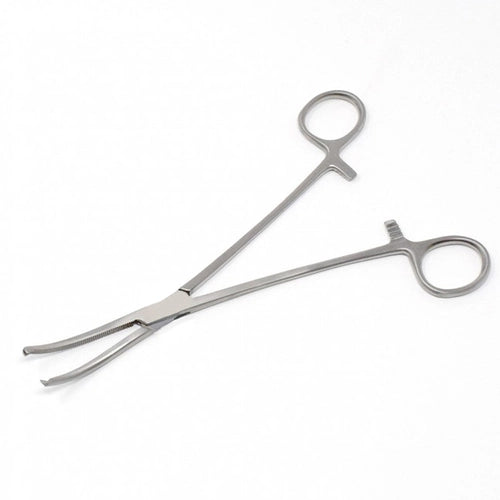
Kochers Forceps Straight
Type: Instruments
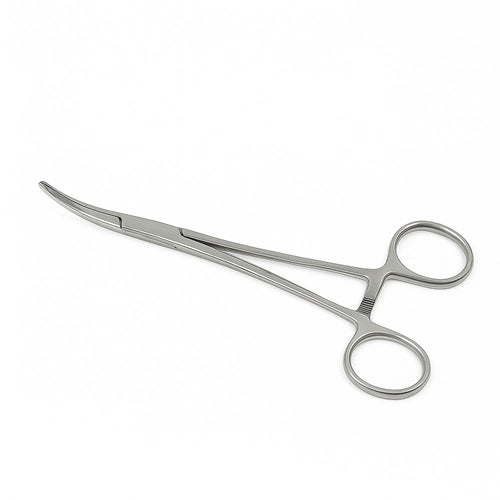
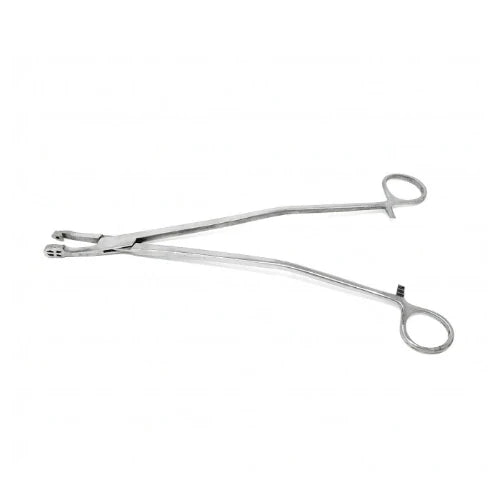
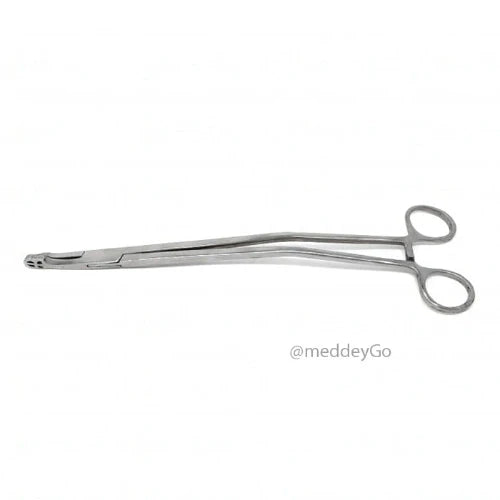
Kochers Forceps Curved
Type: Instruments
Cervical Punch Biopsy Forceps
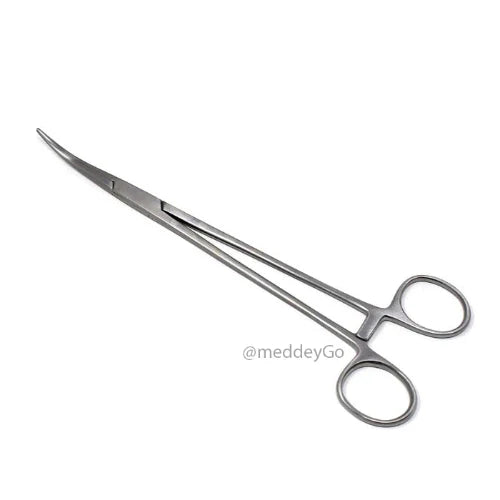
Type: Instruments
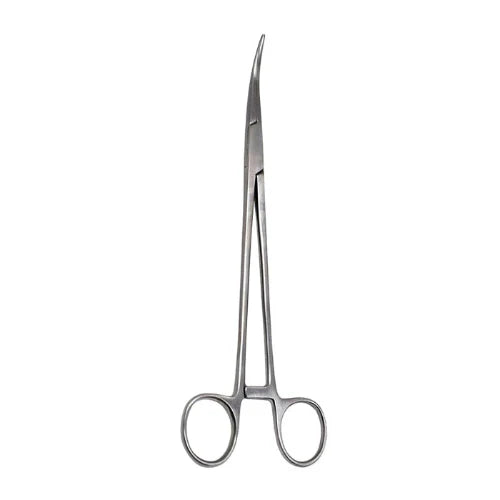
Crile Artery Forceps (Curved)
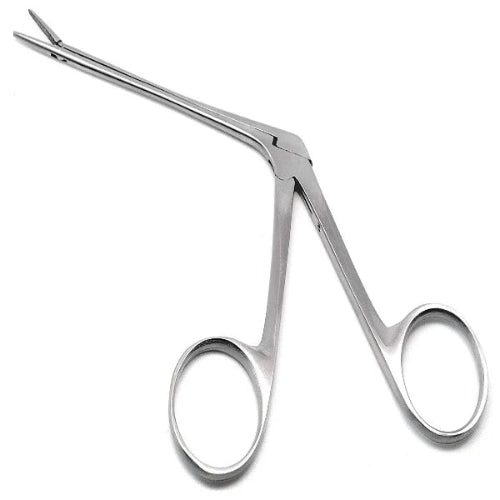
Type: MeddeyGo
Crocodile Ear Forceps Surgical Instrument
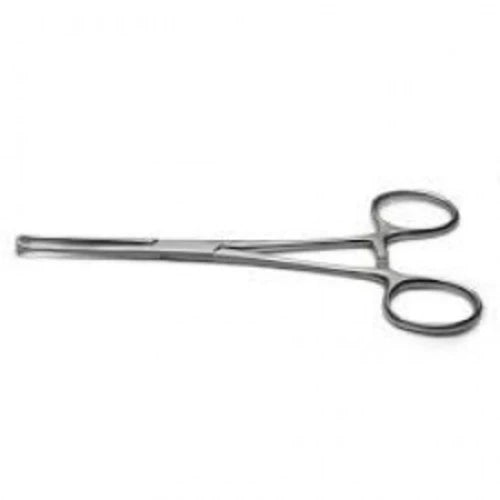
Type: Instruments
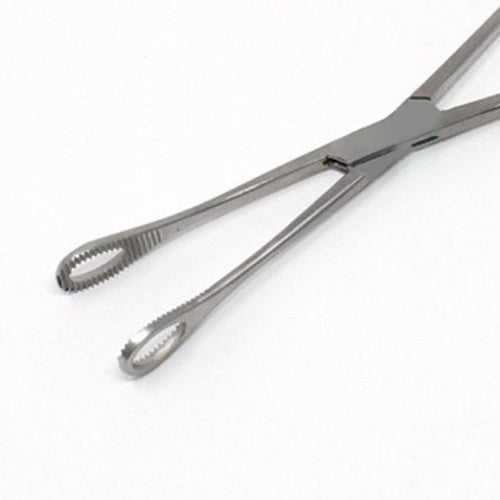
Allis Tissue Forceps Straight SS Delux Quality
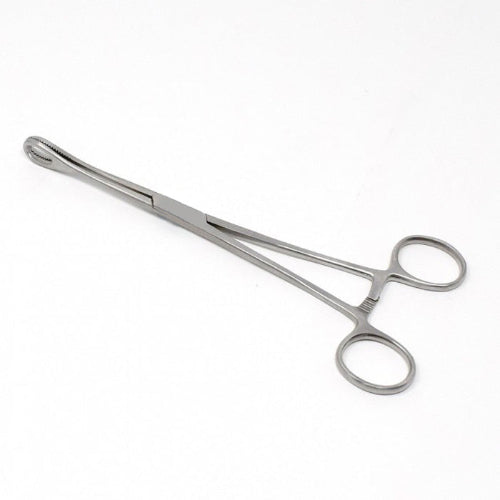
Type: Instruments
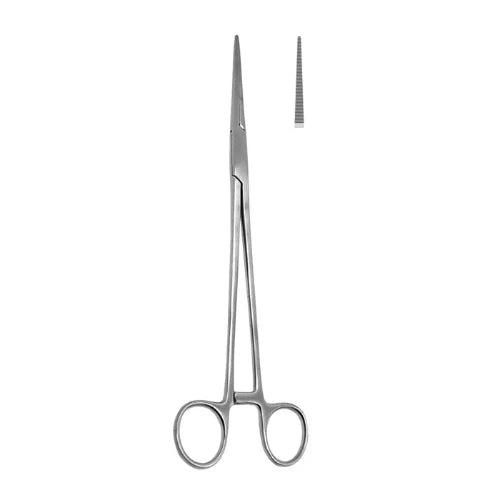
Foerster Sponge Holding Forceps (Straight)
Type: Instruments
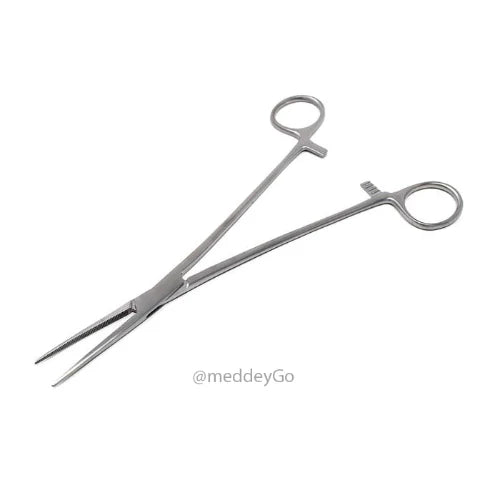
Crile Artery Forceps (Straight)
Type: Instruments
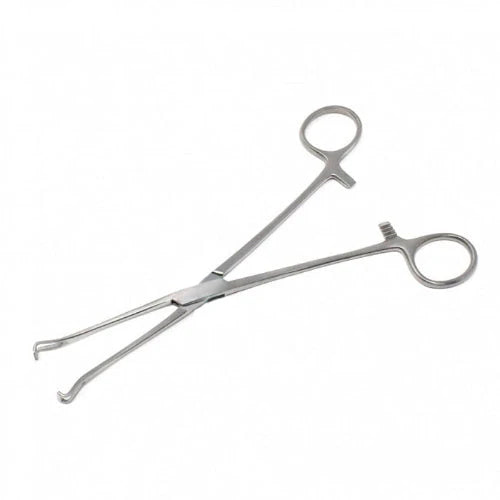
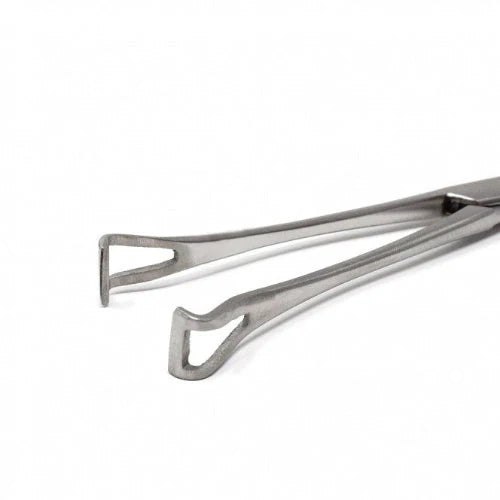
Babcock Forcep Surgical Instrument
Type: General Instruments
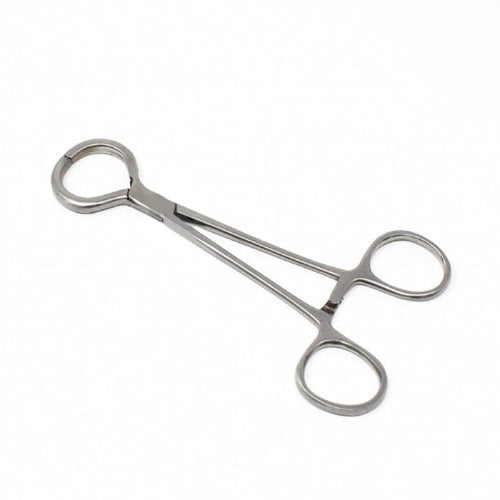
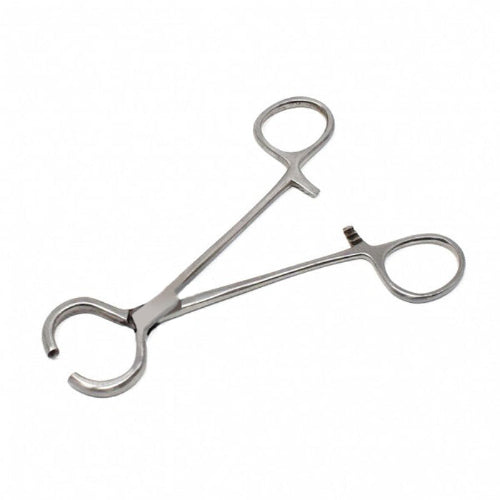
Hernia Ring SS Forceps
Collection:
Medical Forceps: Alligator & Ear
If you have ever watched a doctor remove a stubborn bit of wax or a lost earring back from a patient's ear, you might have noticed a strange instrument that resembles a miniature crane. This specialized tool, known as Alligator Ear Forceps, often looks intimidating to the untrained eye, yet it remains one of the most gentle precision instruments in a medical professional's kit. Unlike standard household tweezers that rely on a large squeezing motion, this device is engineered specifically for the deep, dark tunnels of the human body where space is limited.

The anatomy of the ear canal presents a unique engineering challenge because it is not a straight line; it is a narrow, sensitive S-curve. Attempting to navigate this space with rigid tweezers usually blocks the doctor's view and risks scratching delicate skin. To solve this, medical equipment designers placed a tiny hinge only at the very tip of the shaft, functioning much like a mechanical "reacher-grabber" used to retrieve cans from a high shelf. By keeping the long neck stationary while only the small jaws open and close, the instrument protects the surrounding ear walls from unnecessary movement or friction.
It is this distinct snapping action at the end of the long snout that gives the tool its animal-inspired name. While the jaws provide a firm grip on slippery objects, the handles are typically angled to the side, ensuring the user's hand never obstructs their line of sight. In practice, this combination of visibility and fine control allows ENT specialists to safely clear blockages that would otherwise require complex procedures, proving that sometimes the oddest-looking tools are the most essential for patient safety.
Forceps vs. Tweezers: The Mechanical Difference You Can Feel
When you squeeze a standard pair of cosmetic tweezers, your fingers have to do all the work. The pivot point sits at the very back of the tool, creating a simple lever that functions much like a pair of chopsticks. While this design is fine for plucking a stray eyebrow hair, it lacks the mechanical advantage needed to pull stubborn objects out of the ear canal without slipping. If the resistance at the tip is greater than the pressure your fingers can maintain mid-shaft, the tweezers will simply slide off the object.
Alligator ear forceps solve this power problem by changing how the energy travels. Unlike the simple spring action of household tools, these medical instrument forceps utilize compound leverage. Imagine the difference between trying to cut a thick wire with craft scissors versus heavy-duty pliers; the tool multiplies the force you apply. By utilizing an internal mechanism connecting the handle to the tip, a gentle squeeze from the doctor translates into a much stronger, closer-to-parallel grip at the jaws.
Hardened earwax or foreign objects can be surprisingly difficult to grasp, often requiring the secure hold of surgical forceps rather than a gentle pinch. This enhanced strength ensures that once the jaws latch onto a slippery obstruction, they act like medical clamps and won't let go, preventing the debris from falling deeper. However, grip strength is only half the equation; to work safely inside a narrow tunnel, the tool needs a specific way to open its mouth without hitting the walls.
The Secret of the Distal Hinge: How the Tip Moves While the Shaft Stays Still
If you try to open a pair of scissors inside a cardboard tube, the blades will immediately hit the sides before they separate enough to be useful. The human ear canal presents the same spatial challenge; it is too narrow to accommodate tools that expand as they open. To solve this, Alligator Forceps function like a miniature "reacher-grabber" tool you might use to retrieve an item from a high shelf. The long, thin neck remains completely stationary while an internal rod activates the tiny jaw mechanism at the very end.
This specific mechanic is a critical safety feature. With standard tweezers, squeezing the handle causes the entire length of the metal arms to flex outward. In a sensitive ear, that outward flexing would scrape against the tender skin or inadvertently push wax deeper. Because these surgical graspers confine all movement to the very tip---technically called distal action---the doctor can open the jaws wide enough to capture a foreign object without the shaft of the instrument ever expanding to hit the canal walls.
Such isolated movement allows for incredible precision, enabling a physician to pick up a bead or piece of cotton just millimeters away from the eardrum. The mechanical action happens exactly where the problem is, rather than creating movement along the whole tool. Yet, even the steadiest hand and best mechanics are useless if the operator cannot see where they are going. This necessitates the final major design feature: the peculiar bend in the handle.
Why Are Ear Forceps Angled? The Quest for an Unobstructed View
Imagine trying to write a letter while your hand covers the tip of the pen; you would lose all precision because you cannot see the contact point. Standard straight tweezers create this exact problem by placing the user's knuckles directly in the "line of sight," effectively blocking the view of the ear canal. To solve this, the Hartmann Alligator Ear Forceps utilize a distinct 45-degree offset or "bayonet" style bend. This ergonomic shift moves the doctor's hand below the visual axis, creating a clear, unobstructed tunnel of vision. This critical design choice is the primary reason why ear forceps are angled and is what differentiates a true ENT surgical instrument from generic household tools.
This geometry serves a dual purpose by also accommodating necessary lighting. Since the ear canal is effectively a deep, dark cave, physicians must project a beam of light---either from a headlamp or an otoscope---all the way to the eardrum. If the handle were straight, the operator's grip would cast a shadow over the very object they are trying to remove. Once the target is fully illuminated and the tip is in position, however, a new challenge arises: ensuring the smooth metal jaws don't slip off a slick object like hardened wax.

Serrated Jaws and Micro-Teeth: The Physics of the Grip
Slippery objects are the enemy of precision, especially inside a sensitive area like the ear canal. If a doctor tries to grab a piece of hardened wax with smooth metal, it often acts like a wet bar of soap, shooting deeper toward the eardrum. To prevent this dangerous slip, manufacturers engineer serrated jaws for precise gripping by cutting tiny parallel grooves into the metal "beak." These microscopic ridges function exactly like the tread on a tire, increasing friction and allowing the tool to lock onto the target without requiring excessive pressure.
Beyond just adding texture, the actual geometry of the tip changes based on the specific obstacle the doctor is facing. Just as a mechanic uses different pliers for different nuts, surgeons utilize different types of otology graspers optimized for specific shapes. Common variations include:
- Serrated for latching onto irregular, soft materials like cotton or impacted wax.
- Smooth for manipulating delicate skin or tissues without causing abrasion.
- Cup-shaped for securely encasing round, hard foreign bodies like beads or food kernels.
Controlling the "crush" force is the final piece of the safety puzzle. A successful medical extraction relies on retrieval, not destruction. The mechanical hinge is calibrated to limit closure tightness, ensuring the doctor can hold an object firmly without pulverizing it into difficult-to-clean fragments. This specific balance of delicate touch and reliable strength is rarely found in generic tools, pointing toward the specific manufacturing standards set by one dominant name.
The Hartmann Advantage: Why One Name Dominates Ear Care
When doctors reach for a tool to clear an ear canal, they almost invariably choose a design known as the Hartmann alligator ear forceps. Named after Arthur Hartmann, a German physician, this specific style became the global standard because it solved a critical visibility problem. Before this innovation, a physician's own hand often blocked their view while trying to grasp small items. The Hartmann design features a clever angle between the handle and the long, thin shaft, allowing the doctor to keep their hand out of the line of sight while the tiny jaws operate with pinpoint accuracy at the tip.
Quality manufacturing is just as crucial as the clever geometry. Since the ear is a sensitive and humid environment, these tools are crafted as stainless steel micro ear forceps to prevent corrosion and withstand the intense heat of sterilization. The shaft typically measures between 8 and 14 centimeters, providing just enough length to reach the middle ear without being unwieldy. While lower-quality options exist, professional forceps medical instruments must remain completely rigid; if the metal flexes even slightly during a procedure, the doctor could lose their grip on a difficult object.
Retrieving the Impossible: Common Objects Rescued by Alligator Forceps
While curiosity often leads children to experiment with their ears, adults frequently find themselves in need of assistance after a cleaning mishap or a device malfunction. Doctors rely on alligator forceps for pediatric ear foreign body extraction and adult procedures alike because the tool's delicate "bite" can secure slippery or oddly shaped items without requiring a wide opening. This precision is vital when removing foreign objects from ear canal spaces that are rarely wider than a pencil and incredibly sensitive to touch.
The specific grip used by the physician depends entirely on what has been discovered inside the ear. Some of the most frequently removed items include:
- Small toy parts like plastic beads or LEGO bricks that offer little surface area to grab.
- Organic material such as beans, seeds, or even insects that require gentle handling.
- Cotton swab ends that detach during aggressive cleaning attempts.
- Hearing aid domes or battery covers that become lodged deep in the canal.
Successfully retrieving small items from deep ear canal environments requires assessing the object's texture. Hard, round objects like beads are notoriously difficult because a clumsy attempt can push them further in, potentially damaging the eardrum. Organic objects pose a different threat; beans or seeds can absorb moisture and swell, wedging themselves tighter against the sensitive skin. In these cases, the physician uses the alligator forceps to bite firmly into soft material or grasp the hard edge of a bead, ensuring a secure hold before pulling backward. However, not every shape is best suited for a jaw-like grip; some situations call for a completely different angle of approach.
Alligator vs. Bayonet Forceps: Choosing the Right Tool for the Job
While the alligator forceps are the stars of deep canal retrieval, doctors often switch to a tool that looks quite different to maintain a clear line of sight. Bayonet forceps feature a unique Z-shaped offset---resembling the mount of a rifle bayonet---which keeps the physician's hand away from their eyes. This design addresses a critical problem common to different types of medical forceps: if the handle is straight, the doctor's knuckles block the view of the patient's ear or nose.
Beyond visibility, the choice between alligator forceps vs bayonet forceps comes down to the specific action required. The alligator style is akin to a precision claw, perfect for snapping onto a tiny bead or pulling a sliver out of a narrow tunnel. In contrast, bayonet forceps act more like robust extensions of the fingers. They are frequently used for "packing," a process where the doctor gently inserts gauze strips to stop bleeding or apply medication, requiring a wider, flatter grip than the alligator's fine tip can provide.
Knowing which forceps types to employ ensures the procedure remains quick and comfortable:
- Alligator: Best for deep reach, narrow spaces, and snapping onto small foreign objects.
- Bayonet: Best for larger spaces (like the nose), packing gauze, or extracting bigger items where a stronger grip is needed.
However, having the right tool is only half the battle; the expertise to use them safely is why these instruments are strictly professional devices.
The Danger of DIY: Why These Aren't Household Tweezers
It might seem straightforward to buy a pair of professional instruments online, but looking into an ear canal is deceptively difficult. When you look into a small, dark tunnel, you lose the ability to judge distance accurately, a phenomenon known as the loss of binocular depth perception. This optical limitation is the primary reason why learning how to use alligator forceps safely requires clinical training and specialized lighting. Without an otoscope or a surgical microscope, a home user effectively operates blind, unable to distinguish if an object is sitting safely in the middle of the canal or resting precariously against the sensitive structures deep inside.
The margin for error inside the ear is practically non-existent. The tympanic membrane, or eardrum, is a translucent barrier thinner than a piece of tissue paper. Because alligator forceps are made of rigid steel designed to grip hard objects, they provide no cushion if they accidentally lunge forward. Preventing eardrum injury during ear cleaning is nearly impossible if you cannot visualize the membrane, and a puncture here can lead to intense pain, permanent hearing loss, or the need for surgical repair.

Experienced practitioners rely on subtle tactile feedback---the tiny vibrations felt through the metal handle---to know exactly what the tip is touching before they squeeze the trigger. This sensitivity takes years to develop and distinguishes a routine extraction from a trip to the emergency room. While these medical tools are marvels of mechanical engineering, they become dangerous without that professional touch. Even if a procedure goes perfectly, the tool itself presents a hidden risk invisible to the naked eye if it hasn't been maintained properly.
Keeping it Sterile: The Lifecycle of a Surgical Instrument
Surgical-grade stainless steel is chosen for these medical instrument forceps not because it looks professional, but because it can survive extreme environments. While a quick wipe might make a tool look "clean" to the naked eye, true safety requires it to be "sterile"---completely free of living microorganisms. This is particularly tricky with alligator forceps because their defining feature, the tiny jaw hinge, creates microscopic crevices where biological debris can hide. ENT surgical instrument maintenance focuses intensely on this mechanism, ensuring that nothing travels from one patient to the next.
Achieving this level of purity involves a rigorous cleaning ear instruments sterilization guide followed by hospitals to neutralize invisible threats:
- Manual Cleaning: Technicians scrub visible debris immediately after use to prevent drying.
- Ultrasonic Bath: The tool is submerged in fluid where high-frequency sound waves vibrate microscopic particles out of the hinge.
- Autoclave: The instrument is "baked" in a chamber of high-pressure steam (around 250-270°F) to kill any remaining bacteria or viruses.
Once the instrument cools, it is safe for its next task. With the safety behind the metal understood, the human side of the equation becomes the focus: how doctors use these strange-looking tools without terrifying their youngest patients.
The Pediatric Perspective: Making Ear Procedures Less Scary for Kids
For parents, few things are as stressful as a foreign body extraction, but the tool's unique design offers an unexpected psychological advantage. Doctors often leverage the "alligator" nickname, turning a frightening procedure into a game of "feeding the hungry animal." By demonstrating how the tiny jaws snap open and shut before the instrument approaches the face, a practitioner can transform a scary silver claw into a friendly character, helping to reduce the anxiety and wiggling that makes removal difficult.
Visibility is the other half of the battle when working on small patients. To see deep into a tiny ear canal, the physician uses a speculum---a plastic, funnel-shaped cone---to hold the ear open and provide light. Because these medical forceps types feature a long, thin neck and angled handles, the doctor can slide the tool through this funnel without their own hand blocking the view. This setup ensures the jaws grab only the blockage, avoiding the sensitive skin of the canal wall.
Even with a calm child, physical reflexes can be unpredictable, so professional technique requires a specific safety anchor known as bracing. You might notice the doctor resting their pinky finger or hand against the child's cheek while holding the surgical instruments. This ensures that if the patient suddenly turns their head, the forceps move instantly with them, preventing accidental injury. While these grippers are famous for rescuing ears, their precision makes them indispensable in other surprising medical scenarios.
Beyond the Ear: Other Medical Uses for 'Alligator' Style Forceps
The utility of medical alligator forceps designs extends well beyond the pediatrician's office, finding a crucial role in veterinary medicine. Because dogs and cats often have ear canals that form a sharp, deep "L" shape, standard straight tools are useless for retrieving foreign objects like foxtails, grass seeds, or ticks lodged deep inside. Veterinarians rely on longer, more robust versions of these instruments to navigate that steep angle safely. The unique mechanics of the distal hinge---where only the very tip moves---allow the vet to firmly clamp down on a blockage without spreading the jaws wide, which would otherwise stretch or irritate the animal's sensitive ear canal walls during the extraction.
On the opposite end of the size spectrum, surgeons utilize miniature surgical graspers for delicate procedures inside the middle ear itself. These "micro-alligators" are scaled down to such a fine degree that they can manipulate the tiny bones of hearing, known as ossicles, under a microscope. In these high-stakes environments, the tool functions like a microscopic extension of the surgeon's hand, translating finger movements into sub-millimeter precision at the tip. Because such extreme accuracy allows no room for mechanical failure or slippage, the manufacturing standards for these specialized medical forceps must be incredibly high, driving the need for superior materials and craftsmanship.
Investing in Quality: What to Look for in Professional Grade Otology Tools
While you might expect top-tier medical equipment to shine like polished chrome, professional instruments actually use a duller, satin finish for a practical reason. Doctors work under incredibly bright, focused lights to see down the dark tunnel of an ear canal. If the tool is highly polished, it acts like a mirror, reflecting that harsh light back into the user's eyes and obscuring their view of the blockage. High-quality steel is treated to reduce this glare, ensuring the focus remains on the delicate task at hand rather than fighting blinding reflections.
The mechanics of the tool tell an equally important story about safety. When identifying high-quality otology instruments , look closely at the "alligator" jaws; they must meet perfectly flush. If they are misaligned even slightly, they can pinch tissue or lose their grip on a slippery object. Furthermore, cheap versions often have "burrs"---microscopic rough edges left over from manufacturing---that can scratch sensitive skin. True surgical instruments offer smooth, consistent tension in the handle, ensuring the doctor feels exactly what the tip is touching without mechanical resistance.
- Jaw Alignment: Tips must close precisely flat without gaps or overlap.
- Hinge Tension: The trigger action should be smooth, not loose or sticky.
- Surface Finish: A matte or satin look prevents dangerous glare during exams.
- Material Quality: Surgical-grade stainless steel is required to prevent rust and breakage.
Understanding these precision requirements highlights exactly why these tools are safest in the hands of a trained expert.
Your Action Plan for Ear Health: When to Call the Professional
Understanding the mechanics of medical forceps, specifically the Alligator Ear Forceps, changes the way you view a routine ear exam. What might appear to be a simple pair of metal pincers is actually a masterpiece of medical engineering, specifically designed to navigate the sensitive curves of the ear canal without causing harm. You now recognize that the angled handle and the tiny, hinged jaw allow a doctor to bypass the "blind spots" that make standard tweezers so dangerous in this area.
While this knowledge takes the mystery out of the procedure, it also highlights why preventing eardrum injury requires professional hands. If you suspect a blockage or foreign object, adopt a personal "no-poke" policy using this simple approach:
- Inspect: Look at the outer ear only; if the object isn't falling out on its own, stop.
- Do Not Poke: Avoid cotton swabs or home tweezers, which often push objects deeper.
- Seek the Alligator: Visit an ENT or urgent care professional who has the right tool to remove the obstruction safely.
The next time you or a family member sits in the exam chair, you can set aside the anxiety of the unknown. Instead of fearing the instrument, you can appreciate the precision at work. Knowing that these forceps are designed to grab the problem while leaving the sensitive skin untouched turns a potentially stressful moment into a quick, usually painless solution. You now have the knowledge to stay safe and the wisdom to let the experts handle the rest.
Q&A
Question: What problem do alligator ear forceps solve that regular tweezers can’t, and how do they work?
Short answer: Regular tweezers rely on simple spring pressure and open along their entire length, which can slip on stubborn objects and scrape the S‑shaped, narrow ear canal. Alligator ear forceps use compound leverage to amplify grip strength and a distal hinge that moves only the tiny jaws at the tip while the long shaft stays still. Combined with an angled handle that preserves the clinician’s line of sight, this design delivers strong, precise gripping deep in tight spaces without the shaft expanding against the canal walls.
Question: Why are ear forceps angled, and what is special about the Hartmann design?
Short answer: The angle—often a 45-degree, bayonet-style offset—drops the user’s hand out of the visual pathway so the doctor can see straight down the canal and keep the target fully illuminated. The Hartmann alligator ear forceps popularized this geometry, solving the “knuckles block the view” problem while allowing pinpoint distal action at the tip. Built from stainless steel to withstand sterilization and corrosion, typical shafts are 8–14 cm long—long enough to reach safely, yet rigid to prevent flex that could cause a slip.
Question: When should a clinician choose alligator forceps versus bayonet forceps?
Short answer: Use alligator forceps as a precision “claw” for deep, narrow spaces and small objects (beads, cotton, hardened wax), where distal-tip action and serrated or specialized jaws can latch securely without widening in the canal. Choose bayonet forceps when you need a broader, finger-like grip or unobstructed sight in larger spaces (like the nose), especially for tasks such as packing gauze or removing bigger items that benefit from a wider, flatter hold.
Question: Why is DIY ear object removal risky, even with “professional” tools bought online?
Short answer: Without clinical lighting and magnification, you lose depth perception in the dark canal and can’t reliably see the eardrum—a membrane thinner than tissue paper. Rigid steel jaws offer no cushion if you misjudge distance, and a forward lunge can puncture the eardrum, causing pain or hearing loss. Professionals rely on visualization, sterile technique, tactile feedback through the instrument, and bracing methods to move safely with patient motion—skills that take training and experience to perform reliably.
Question: How are alligator forceps sterilized, and what signals a high‑quality instrument?
Short answer: After use, instruments undergo manual cleaning to remove debris, an ultrasonic bath to flush particles from the distal hinge’s crevices, and autoclaving (high‑pressure steam around 250–270°F) to achieve sterility. Quality cues include: perfectly flush jaw alignment (no gaps or overlap), smooth and consistent hinge tension (not loose or sticky), a matte/satin finish to prevent glare under bright lights, and surgical‑grade stainless steel that resists rust and maintains rigidity during precise work.