Skip to content

India’s Go to Platform for Medical Supplies Procurement

examination couch drawer cabinet with footstep

Type: Consulting Room

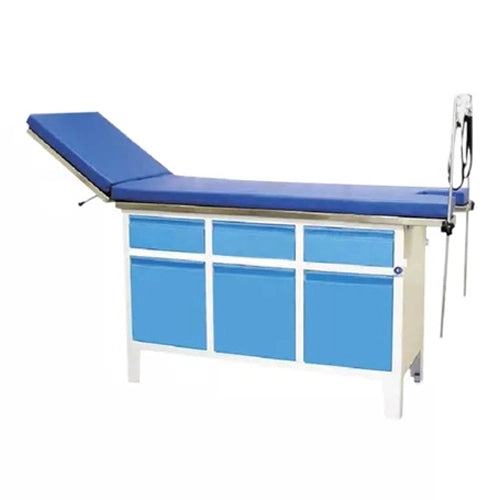
Examination Couch Drawer Cabinet with Footstep

Regular price Rs. 22,999
Sale price Rs. 22,999 Regular price Rs. 40,000
gynaecological table

Type: Operating Room

Gyne Examination Table Deluxe Quality | Gynaecological Table

Regular price Rs. 9,249
Sale price Rs. 9,249 Regular price Rs. 14,000
gyne examination table

Type: Operating Room

Gyne Examination Table Delux Quality

Regular price Rs. 9,249
Sale price Rs. 9,249 Regular price Rs. 14,000
examination table

Type: Consulting Room

Examination Table Wooden Physiotherapy

Regular price Rs. 13,799
Sale price Rs. 13,799 Regular price Rs. 18,400
examination couch

Type: Consulting Room

Examination Couch with Footrest, Padded Legrest and Bowl

Regular price From Rs. 27,499
Sale price From Rs. 27,499 Regular price Rs. 40,000
examination table

Type: Consulting Room

Wooden Examination Table for Clinic | Physio Use

Regular price Rs. 13,799
Sale price Rs. 13,799 Regular price Rs. 18,400
examination couch plain

Type: Consulting Room

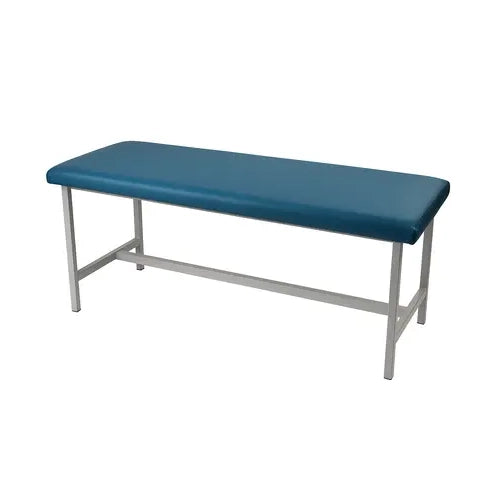
Examination Couch Plain

Regular price Rs. 9,999
Sale price Rs. 9,999 Regular price Rs. 15,000
examination cum gynaec couch with lithotomy rods

Type: Consulting Room

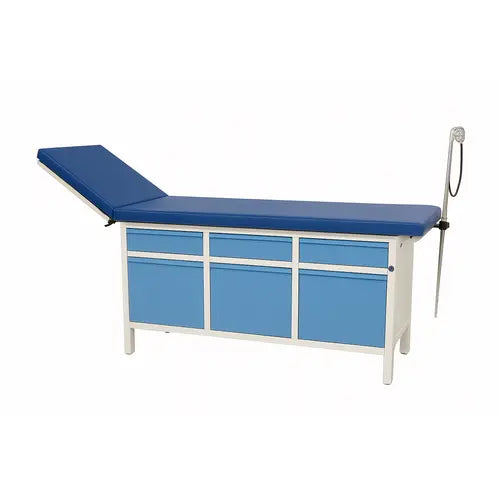
Examination Cum Gynaec Couch with Lithotomy Rods

Regular price Rs. 24,499
Sale price Rs. 24,499 Regular price Rs. 45,000

Collection: Examination Tables: Medical Exam Tables for Clinics & Hospitals

In any modern healthcare facility, the examination table is more than just a piece of furniture—it is the central hub of patient care. Whether you are setting up a new private practice or upgrading a diagnostic center, selecting the right examination table is a decision that impacts everything from clinician ergonomics to patient trust.

In 2026, the shift toward "Patient-Centric Design" has made the choice of a medical exam table a strategic investment. At MeddeyGo, we understand that the right equipment facilitates better outcomes. Let’s explore the fundamental reasons why your choice of table defines the quality of your practice.

1. Enhanced Patient Experience: The Key to Accurate Data

The primary reason to prioritize a high-quality examination table is the direct improvement in the overall patient experience. A patient who feels physically supported and comfortable is more likely to be relaxed during a consultation.

How Comfort Drives Clinical Results:

  • Better Communication: When a patient is not distracted by an uncomfortable or unstable surface, they can communicate symptoms more clearly to the practitioner.
  • Improved Assessments: Physical exams are more effective when the patient can remain still and compliant.
  • Increased Accuracy: A stable medical exam table allows for prompt checking of vitals and physical signs with a higher degree of precision.
  • Reduced Anxiety: Professional-grade upholstery and seamless height adjustments help reduce the "clinical anxiety" that many patients feel upon entering an exam room.

2. Clinician Ergonomics: Protecting Your Staff

An often-overlooked reason to choose a premium examination table is the long-term health of the healthcare provider. Back strain and musculoskeletal injuries are common among clinicians who use non-adjustable tables.

Modern examination table designs offer adjustable heights and multi-sectional tilting (Fowler's position), allowing doctors to maintain a neutral posture during prolonged examinations or minor procedures.

3. Hygiene and Infection Control

In 2026, infection control standards are stricter than ever. A professional examination table features seamless, medical-grade vinyl upholstery that is resistant to fluids and easy to disinfect with 70% Isopropyl Alcohol or bleach solutions. Choosing a table with an integrated paper roll holder further ensures a sterile barrier between every patient.

Navigating the Options: Types of Examination Tables

Not every examination table is built for the same purpose. Depending on your patient demographic and the complexity of your procedures, you may require a simple static surface or a high-tech motorized station. In 2026, the market is categorized into three main types:

1. Manual & Fixed-Height Tables

These are the workhorses of general practice. A manual medical exam table typically features a fixed height with a manually adjustable backrest (often using a ratchet or gas-spring mechanism).
Best For: Basic consultations, wellness checks, and clinics with a lower volume of Adult or mobility-impaired patients.

2. Electric Power Examination Tables

Electric tables are the gold standard for modern accessibility. With the push of a button or foot pedal, the entire examination table can be lowered to wheelchair height (approx. 18 inches) and raised to a comfortable working height for the clinician.
Best For: High-traffic clinics, multi-specialty hospitals, and practices focused on inclusivity and geriatric care.

3. Specialized Treatment Tables

Some procedures require more than a flat surface. Specialized tables include integrated features like stirrups for GYN exams, drop-down sections for cardiac imaging, or extra-wide "Bariatric" platforms to accommodate patients up to 300kg.

Comparison: Manual vs. Electric Models

Feature Manual Table Electric Table
Accessibility Requires patient to step up Lowers to floor level
Adjustment Speed Manual (Slower) Motorized (Fast & Smooth)
Maintenance Minimal Periodic motor checks
Initial Cost Budget-friendly Premium investment

Advanced Features: The "Hidden" Value

When choosing an examination table in 2026, look for these "quality of life" features that enhance the Enhanced Patient Experience mentioned in Part 1:

  • Integrated Storage: Drawers built into the base of the table keep supplies like gloves, speculums, and gauze within arm's reach, reducing clinician movement.
  • Heated Upholstery: A high-end feature that keeps patients warm during long exams, significantly reducing anxiety and "shiver-related" movement.
  • Built-in Scales: Some modern tables include weight sensors, allowing you to capture vitals without asking the patient to move to a separate station.

Quick Facts: The 2026 Examination Table Standard

  • Weight Capacity: 225kg - 300kg (Standard vs Bariatric).
  • Upholstery: Medical-grade, antimicrobial PVC/Vinyl.
  • Adjustment: Gas-spring or Electric Actuators.
  • Paper Roll Size: 18" to 21" width compatibility.
  • Safety: Anti-trap sensors (Electric models).
  • Mobility: Lockable castors for easy room repositioning.

Clinical Protocol: How to Use Your Examination Table Effectively

To ensure the Enhanced Patient Experience promised in Part 1, the physical operation of the examination table must be seamless. Follow these steps for every patient encounter:

  1. Pre-Entry Check: Ensure the table is at its lowest height setting to assist patient ingress. Pull a fresh layer of examination paper across the surface.
  2. The "Communication" Lean: Adjust the backrest to a 45-degree angle (Fowler’s position) for the initial consultation. This allows for better eye contact and communication before the physical assessment begins.
  3. Positioning: Use the side-rail levers or foot pedals to transition the patient into a supine position. Always warn the patient before moving the table to prevent startle-induced muscle tension.
  4. Final Sanitization: After the patient leaves, discard the paper and use a clinical-grade wipe on all touchpoints (table edges, stirrups, and headrests).

⚠️ Safety Warnings for Medical Staff

  • Center of Gravity: Never allow a patient to sit on the extreme edge of the head or foot section when the table is elevated; this can cause tipping in lighter manual models.
  • Obstruction Check: Before lowering an electric medical exam table, ensure no stools, trash cans, or cables are underneath the frame.
  • Weight Limits: Always verify the patient's weight against the table’s maximum capacity. Overloading can lead to hydraulic or motor failure.

Benefit Analysis: Why This Choice Matters

Stakeholder Primary Benefit Clinical Outcome
Patient Pressure-relieving foam & secure feel Lowered anxiety & physiological stability
Doctor Adjustable height & multi-positioning Reduced back fatigue & better exam angles
Facility Owner Long-lasting medical grade materials Reduced replacement costs & easier audits
Cleaning Staff Seamless antimicrobial upholstery Faster room turnover & infection control

The Business Case: Return on Investment (ROI)

Investing in a high-quality examination table is not just a clinical requirement; it is a financial strategy. In 2026, medical practices are judged by their efficiency and patient satisfaction scores. A cheap, unstable table often leads to:

  • Frequent Repairs: Manual ratchets and low-grade hydraulics fail under constant use, leading to costly downtime.
  • Staff Fatigue: Poor ergonomics lead to increased sick leave and decreased productivity among doctors and nurses.
  • Patient Attrition: If a medical exam table feels flimsy or looks unhygienic, patient trust is eroded immediately.

Longevity Guide: Maintenance for the Modern Clinic

To protect your investment, follow this 2026 maintenance schedule to ensure your examination table remains in peak condition:

Weekly & Monthly Tasks:

  • Upholstery Integrity: Inspect for small tears. Even a micro-fissure can harbor bacteria. Use only approved medical-grade cleaners to prevent the vinyl from becoming brittle.
  • Mechanical Lubrication: For manual tables, check the pivot points and gas springs. Ensure the movement is smooth and silent to maintain a professional atmosphere.
  • Electrical Safety: For power tables, inspect the power cord for fraying and ensure the foot control/hand pendant is responsive.
  • Leveling: Ensure all four feet or castors are firmly on the ground. An unlevel table causes unnecessary stress on the frame.

The 2026 Buyer’s Checklist: 5 Questions to Ask

Before you click "Add to Cart," ensure the medical exam table meets these five criteria:

  1. Does it have a low-access height? (Crucial for Adult and pediatric safety).
  2. Is the upholstery seamless? (Essential for preventing liquid penetration and infection).
  3. What is the static vs. dynamic weight capacity? (Ensure it handles the "sit-down" force of your heaviest patients).
  4. Does it include a warranty for parts and labor? (A sign of manufacturer confidence).
  5. Are stirrups or storage drawers upgradable? (Look for modularity to future-proof your practice).

Conclusion: The Foundation of Clinical Excellence

Choosing an examination table is about more than just finding a place for a patient to lie down. It is about creating an environment of safety, efficiency, and professional care. As we have explored in this guide, the right table enhances the patient experience, protects the clinician's health, and ensures diagnostic accuracy through stability.

In the fast-evolving landscape of 2026 healthcare, don't let substandard equipment hold your practice back. Trust in the durability and design of the [medical examination tables](https://admin.shopify.com/store/meddeygo/collections?selectedView=all) available at MeddeyGo to provide the reliability you—and your patients—deserve.

Ready to Upgrade Your Exam Room?

Explore our curated selection of manual, electric, and specialized examination tables designed for 2026 standards.

Technical & Clinical FAQ

Selecting a medical exam table involves understanding the intersection of mechanical engineering and patient care. Below are the six most critical questions addressed with detailed, clinical-grade answers.

1. How does "Low-Access" height impact clinic liability and safety?

In modern healthcare, "Low-Access" refers to a examination table that can descend to a height of 18–19 inches (roughly the height of a standard wheelchair seat). This is a major safety feature because it allows patients with mobility impairments, Adult patients, or young children to transition onto the table without the use of a step stool. Step stools are one of the leading causes of patient falls in clinical settings. By eliminating the "climb," you significantly reduce the risk of injury and the associated legal liability for your practice.

2. What is the difference between "Static" and "Dynamic" weight capacity?

This is a vital distinction for a medical exam table. Static weight capacity refers to the maximum weight the table can hold while stationary (e.g., 300kg). Dynamic weight capacity is the maximum weight the table’s motors or gas springs can safely lift while in motion. When buying for a bariatric-friendly clinic, always ensure the dynamic capacity meets your needs, as a motor that is strained by a heavy patient will have a significantly shorter lifespan and may fail mid-adjustment.

3. Why is "Seamless Upholstery" considered an infection control standard?

Traditional tables use stitched seams which, over time, can stretch and create microscopic holes. These holes trap fluids, skin cells, and pathogens that standard surface disinfectants cannot reach. 2026 examination table standards favor "Seamless" or "Vacuum-formed" upholstery. Because there are no needle holes or thread, the surface remains 100% fluid-proof. This allows for total disinfection and prevents the growth of mold or bacteria inside the foam padding, which is essential for surgical or diagnostic environments.

4. When should a clinic choose an Electric table over a Manual one?

The choice typically depends on patient volume and physician health. If your clinic sees more than 15 patients per day, an electric examination table is highly recommended. The cumulative physical strain of manually adjusting a backrest or helping patients onto a high table can lead to repetitive strain injuries for staff. Furthermore, if you perform minor procedures (like biopsies or suturing), the ability to fine-tune the table height to your exact eye level is a massive ergonomic advantage that manual tables cannot provide.

5. Are "Stirrups" and "Pull-out Trays" necessary for a general practice?

While stirrups are standard for OB/GYN practices, they add significant value to general practices by enabling comprehensive wellness exams and pelvic screenings without referring patients elsewhere. Modern medical exam tables often feature "hidden" or retractable stirrups that stay out of the way for routine consultations but can be deployed in seconds. Integrated pull-out trays (treatment pans) are also useful for containing fluids during minor wound cleaning, making the table more versatile for multi-specialty care.

6. How do I choose between a 2-section and a 3-section examination table?

A 2-section examination table features an adjustable backrest and a fixed leg section, which is sufficient for most general exams. A 3-section table allows for an adjustable headrest, backrest, and a separate leg/foot section. The 3-section design is superior for procedures requiring the "Trendelenburg" position (tilting the patient with feet higher than the head) or for orthopedic exams where specific leg elevation is required. If your practice involves diverse diagnostic work, the 3-section model offers the most flexibility.