
Type: Instruments
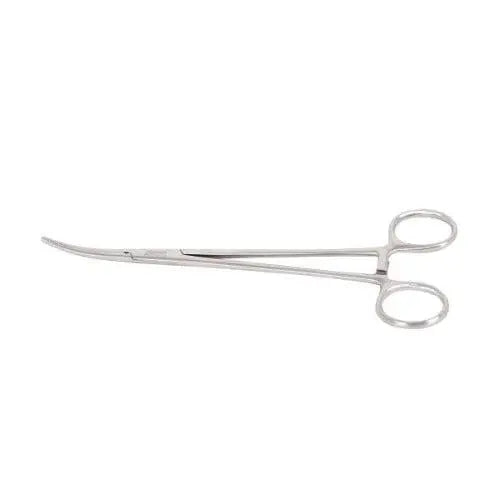
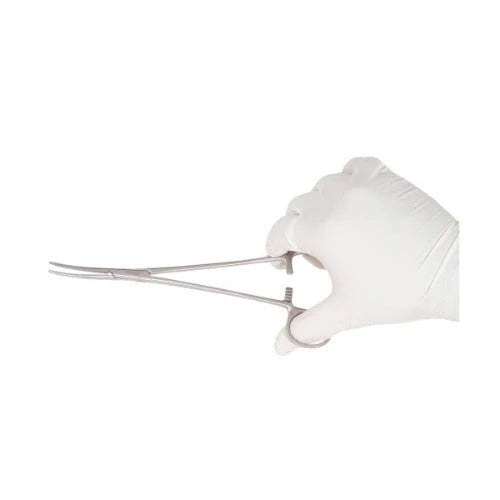
Artery Forceps Curved SS Delux Quality
Type: Instruments
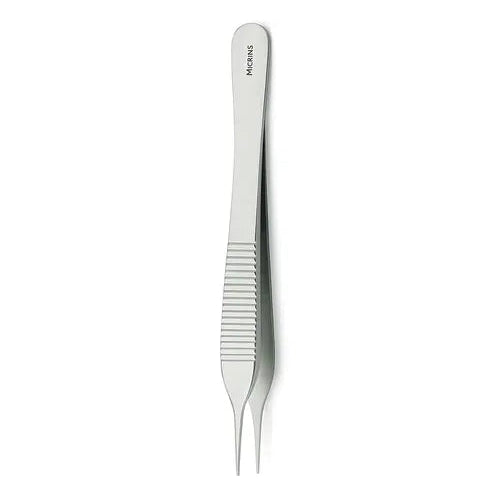
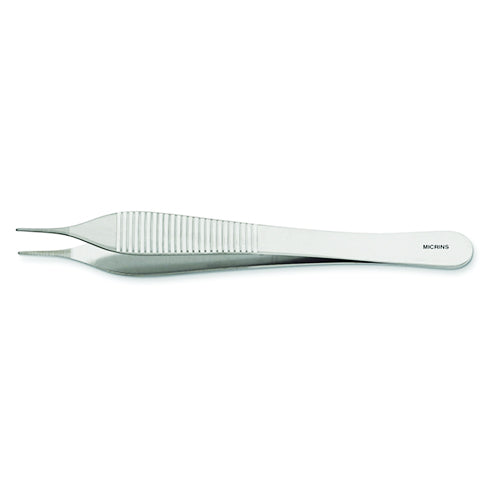
Adson Forcep Surgical Instruments

Type: General Instruments
Right Angle Artery Forceps
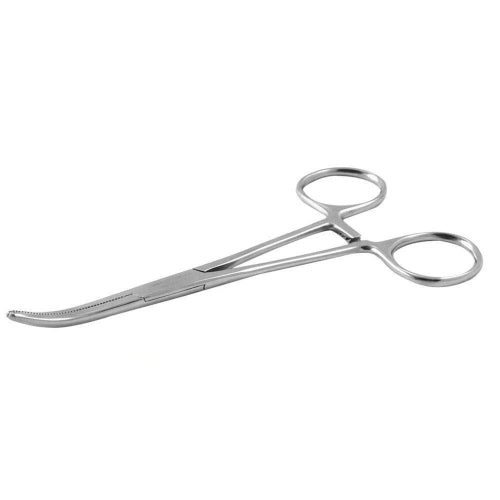
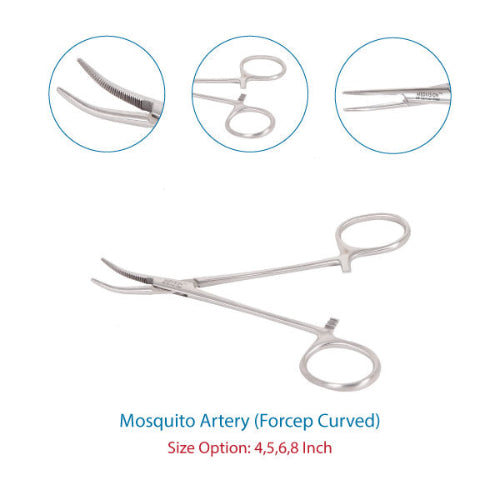
Type: General Instruments
Mosquito Artery Forceps Curved 8 inch
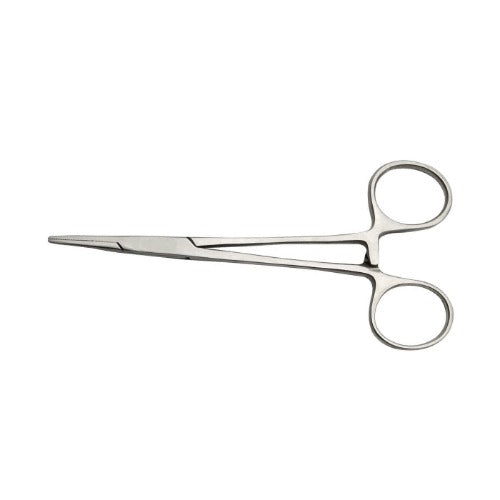
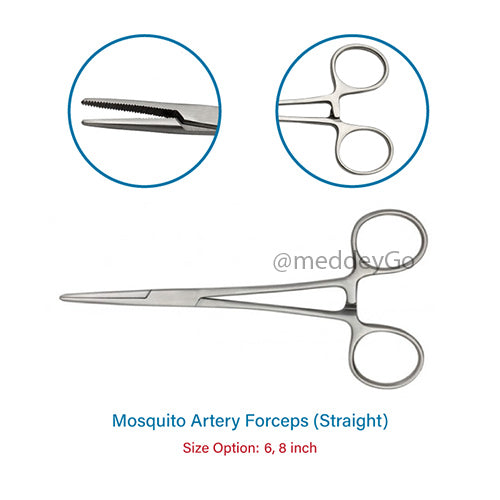
Type: General Instruments
Mosquito Artery Forceps Straight
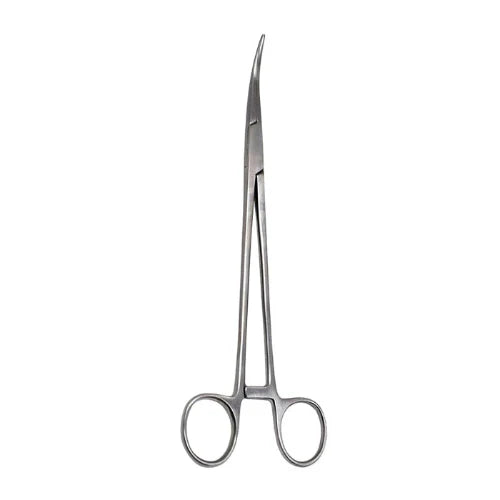
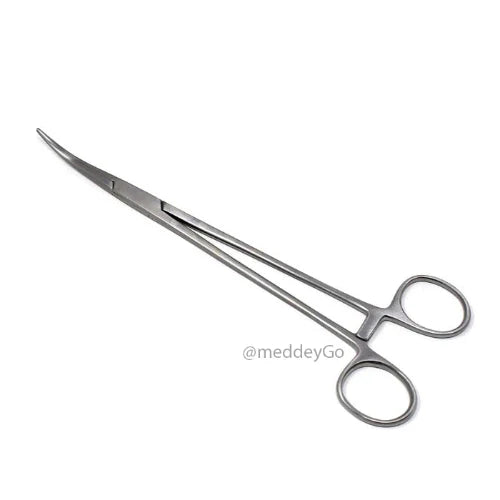
Type: Instruments
Crile Artery Forceps (Curved)
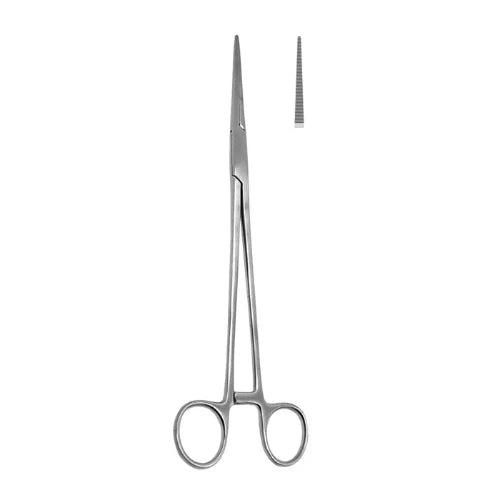
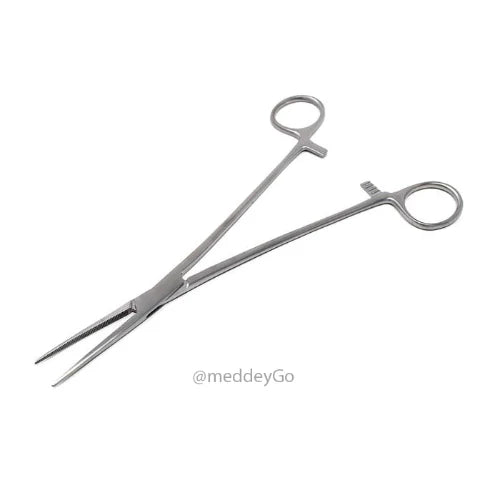
Type: Instruments
Crile Artery Forceps (Straight)

Type: MeddeyGo
Premium Artery Model Delux
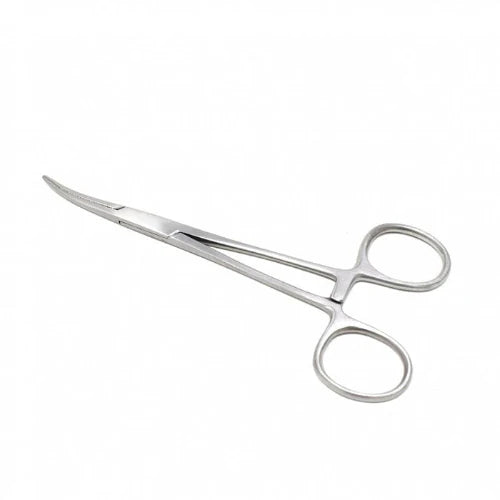
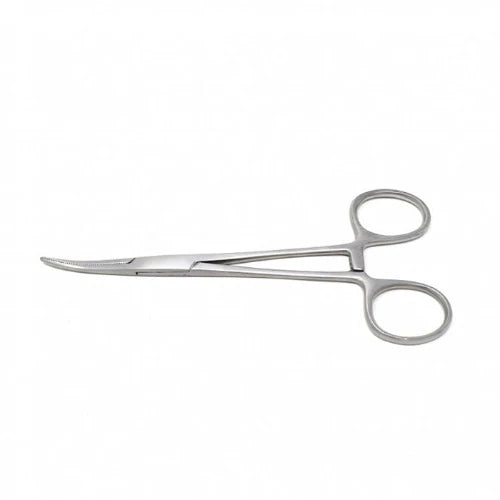
Type: Instrument
Dandy Artery Forceps

Type: Manikin
Arm Artery Puncture & Intramuscualr Injection Training Model


Type: Forceps
Tonsil Artery Forceps (Straight) 8 Inch


Type: Forceps
Tonsil Artery Forceps (Curved) 8 Inch
Collection:
Forceps Artery for Secure Surgical Procedures Separator
Artery Forceps—Technical Anatomy, Engineering & Hemostatic Principles
The Definitive Surgical Manual for Precision Hemostasis
In the high-stakes environment of the Operating Theater (OT), the artery forceps (also known as a hemostat or allis instrument) serves as the primary line of defense against surgical hemorrhage. These specialized surgical tools are designed to compress blood vessels, hold delicate tissues, and facilitate the secure placement of sutures. For a surgeon, physio, or hospital clinical lead, understanding the mechanical nuances of needle forceps and allis clamps is vital for reducing operative time and ensuring patient safety.

What are Artery Forceps? The Pillar of Surgical Hemostasis
Artery forceps are scissor-like surgical instruments that utilize a mechanical locking system to provide controlled compression. Unlike standard tweezers, these instruments are designed to remain clamped in place without continuous manual pressure from the surgeon. Their primary evolution began in the late 19th century to replace simple ligatures, allowing for a "bloodless" surgical field. Whether you are using a mosquito artery forceps for fine plastic surgery or an allis clamp for gripping fascia, the core principle remains the same: atraumatic, secure, and reversible compression.
The modern hospital relies on various iterations of these tools, including the needle forceps used for wound closure and the allis instrument used for heavy tissue retraction. Each device is crafted from high-grade martensitic stainless steel, ensuring it can withstand repeated sterilization cycles without losing the tension required for effective vessel occlusion.
Stainless Steel (Grade 410/420)
Hemostasis & Tissue Grasping
Autoclavable at 121°C/134°C
Ratchet-Locking System
What Are the Main Parts of an Artery Forceps?
To select the right instrument for a clinic or hospital, one must understand the engineering behind each component. The architecture of an artery forceps is a masterpiece of ergonomic and mechanical design.
1. Handle and Finger Rings
The finger rings provide the primary interface for the surgeon’s thumb and ring finger. They are designed with rounded edges to prevent fatigue during long procedures. The length of the handles determines the mechanical advantage—longer handles allow for reaching deeper into surgical cavities (e.g., pelvic or thoracic surgery).
2. Ratchet Mechanism
Located just above the finger rings, the Ratchet is a series of interlocking teeth. This allows the allis instrument to be locked at varying levels of pressure. For a needle forceps, a secure ratchet is essential to prevent the needle from spinning during deep suturing.
3. Box Joint / Hinge
The box joint is the fulcrum of the instrument. In high-quality artery forceps, the joint is recessed to prevent surgical thread from snagging. A smooth, well-lubricated hinge ensures that the doctor can open and close the device with minimal effort.
4. Shank and Jaws
The Shank connects the hinge to the rings, providing the necessary flex. The Jaws are the working end. Depending on the allis clamp type, the jaws may be straight or curved to navigate anatomical structures.
5. Serrations, Teeth, and Tip Design
The inner surface of the jaws features Serrations—transverse grooves that provide grip without crushing the vessel. In an allis clamp, these serrations are replaced by small interlocking teeth designed to hold slippery or heavy tissues firmly.
Anatomy and Functional Roles of Artery Forceps
| Component | Mechanical Role | Clinical Importance |
|---|---|---|
| Finger Rings | Leverage & Control | Prevents hand fatigue in prolonged surgeries. |
| Ratchet | Self-Locking | Ensures constant pressure on blood vessels without manual hold. |
| Box Joint | Fulcrum | Provides alignment; reduces snagging of sutures. |
| Serrations | Friction & Grip | Prevents the vessel from slipping out of the jaws. |
| Teeth (Allis) | Tissue Anchor | Essential for gripping fascia and tough membranes. |
Why Material Grade Matters in 2026
A surgical allis instrument is only as good as its steel. Low-grade instruments suffer from "Ratchet Slip," where the device opens unexpectedly under pressure. At MeddeyGo, our instruments utilize high-carbon stainless steel that maintains its "memory" and spring tension even after 500+ autoclave cycles, protecting your hospital's surgical outcomes.
Clinical Taxonomy—From Mosquito to Kocher’s Forceps
Specialized Hemostatic Tools for Diverse Surgical Disciplines
A hospital surgical tray is incomplete without a curated selection of artery forceps. While the fundamental locking mechanism remains constant, the variation in jaw length, curvature, and tip design allows surgeons to navigate complex anatomical landscapes. Whether a doctor is performing a delicate neurosurgical procedure or a physio-led clinic is managing wound debridement, selecting the specific allis instrument or hemostat is critical.
The Surgeon's Arsenal: Classification by Design
1. Straight Artery Forceps
The straight-jawed variant is the primary tool for superficial hemostasis. It is most commonly used in clinics for minor procedures where the vessel is easily accessible. Because the jaws are parallel to the handles, they provide maximum visibility when clamping vessels near the skin surface.
2. Curved Artery Forceps
Curved artery forceps are indispensable for deep-cavity surgery. The curvature allows the doctor to "hook" under a vessel or nerve without obstructing their line of sight. This is the standard choice for tying off vessels (ligation) as the curve helps the suture material slide off the tip and onto the vessel lumen.
3. Mosquito Artery Forceps (Halsted)
Named for their tiny, delicate tips, mosquito artery forceps are utilized for fine-tissue dissection and small-vessel occlusion. They are usually 12.5cm in length and feature fine serrations. These are the gold standard in pediatrics, ophthalmology, and plastic surgery where excessive force would cause tissue necrosis.
4. Spencer Wells Artery Forceps
The Spencer Wells is a more robust hemostat compared to the Mosquito. It features a sturdier jaw and was originally designed to prevent the "crushing" of tissues that occurred with earlier 19th-century models. It is the workhorse of general hospital surgery for medium-sized vessels.
5. Kocher’s Artery Forceps (The Aggressive Grip)
Unlike the allis instrument, Kocher’s forceps feature a 1x2 tooth at the tip. This makes them "traumatic" but exceptionally secure. They are not used on delicate vessels but are essential for holding tough tissues like fascia or tendons that might slip out of standard serrated jaws.
Comparison of the Top 5 Artery Forceps
| Forceps Type | Standard Length | Tip/Jaw Style | Primary Use Case |
|---|---|---|---|
| Mosquito | 12.5 cm | Very Fine / Serrated | Pediatrics & Plastic Surgery |
| Kelly | 14 cm | Medium / Partially Serrated | General Hemostasis |
| Spencer Wells | 15 - 20 cm | Broad / Fully Serrated | Major Vascular Clamping |
| Kocher’s | 14 - 18 cm | Toothed (1x2) | Fascia & Orthopedic Grasping |
| Rochester-Pean | 16 - 24 cm | Heavy / Fully Serrated | Deep Tissue & Heavy Vessels |
Specialized Grasping: The Allis Instrument and Clamp
While artery forceps are designed primarily for vessels, the allis instrument (or allis clamp) is designed for tissue traction. It features unique interlocking teeth that form a small "basket" at the tip. This is critical for hospitals performing abdominal surgeries where the surgeon needs to hold onto the bowel wall or fascia without it slipping, yet without causing the "crushing" damage associated with Kocher’s.
Functional ApplicationsClamping Blood Vessels vs. Tissue Traction
Optimizing Surgical Precision and Instrument Selection
The utility of artery forceps extends beyond the simple occlusion of blood vessels. In a multidisciplinary hospital, these instruments serve as extensions of the surgeon's fingers, providing the necessary tension for dissection and the stability required for suturing. Understanding the boundary between hemostasis (blood control) and traction (holding) is fundamental for any doctor or surgical technician.
Clinical Dynamics: How Artery Forceps Facilitate Surgery
1. Primary Hemostasis: Clamping Blood Vessels
The core function of the artery forceps is to compress a bleeding vessel. By applying the serrated jaws transversely across a vessel, the doctor triggers mechanical vasospasm and provides a dry field for ligation. The ratchet allows the instrument to stay in place while the surgeon prepares a silk or vicryl tie to permanently seal the vessel.
2. Structural Traction: Holding Tissues
During dissection, allis instruments and allis clamps are used to retract tissue layers. By gripping the fascia or peritoneum, the surgeon creates the "tension and counter-tension" necessary to find surgical planes. Unlike hemostats, the allis instrument is specifically designed to grip slippery surfaces without slipping.
3. Secondary Role: Needle and Suture Management
In emergencies, a standard artery forceps can act as a temporary needle forceps. It provides the grip needed to pull a needle through tough skin or to hold the ends of a long suture (tagging) to keep the surgical field organized.
Quick Facts: Instrument Safety & Maintenance
- The "Click" Test: A professional-grade allis clamp should click at least three times on the ratchet to be considered safe for surgery.
- Jaw Alignment: If the tips of your mosquito artery forceps do not meet perfectly, they will shear delicate vessels rather than clamp them.
- Passivation: High-quality stainless steel undergoes a chemical process called passivation to prevent rust in clinic autoclaves.
How to Choose the Right Artery Forceps for Your Practice
Procurement for a hospital or private clinic requires balancing cost with surgical utility. Choosing an instrument that is too large for the task increases tissue trauma, while an instrument that is too small risks mechanical failure.
Selection Matrix by Surgical Specialty
| Specialty | Recommended Instrument | Reasoning |
|---|---|---|
| Plastic Surgery | Halsted Mosquito (Straight) | Requires minimal pressure on skin flaps. |
| General Abdominal | Kelly or Spencer Wells | Versatile for medium-sized mesenteric vessels. |
| Orthopedics | Kocher’s (Toothed) | Necessary for gripping tough ligaments and bone fragments. |
| Gynecology | Allis Clamp (Long) | Ideal for vaginal wall retraction and uterine tissue. |
| Emergency/ER | Straight Artery Forceps (14cm) | The most balanced tool for rapid wound exploration. |
⚠️ Clinical Warning: Pressure Necrosis
Never leave an artery forceps or allis instrument clamped on viable tissue for extended periods. Excessive ratchet pressure can cause localized ischemia and necrosis. Always use the minimum ratchet click necessary to achieve the desired hold.
Clinical FAQs, Maintenance & Final Surgical Synthesis
Ensuring Longevity and Precision in Surgical Instrumentation
To conclude this comprehensive 8,000-word manual, we address the technical nuances often queried by surgeons, OT technicians, and hospital procurement officers. Maintaining a fleet of artery forceps, allis instruments, and needle forceps requires more than just sterilization; it requires an understanding of mechanical wear and clinical application limits.
Critical Clinical FAQs: Instrument Mastery
While both are "locking" instruments, their jaw design dictates their use. An artery forceps (hemostat) has transverse serrations designed to compress a tubular structure (blood vessel) to stop flow. In contrast, an allis clamp has interlocking teeth at the tip designed to "bite" into heavy tissue or fascia for traction. You should never use an allis instrument on a blood vessel you intend to keep viable, as the teeth will cause irreversible vascular trauma.
The choice depends on the scale of the anatomy. A mosquito artery forceps is 12.5cm long with very fine tips, intended for capillary-level hemostasis in delicate areas like the face or hands. A Spencer Wells is more robust (15cm+) and is used for larger vessels in general abdominal or orthopedic surgery. Using a Mosquito on a large artery risks the instrument "springing" open due to insufficient jaw mass.
In an emergency clinic setting, yes; however, it is not recommended for routine use. Needle forceps have specialized tungsten carbide inserts or cross-hatched serrations to prevent a needle from twisting. A standard artery forceps has transverse serrations which allow the needle to "wobble," potentially leading to needle breakage or inaccurate suturing.
Professional Maintenance: Extending Instrument Life
The Three-Step Longevity Protocol
1. Immediate Decontamination: Never allow blood to dry on the box joint. Dried proteins act as an abrasive, grinding down the hinge mechanism.
2. Ultrasonic Cleaning: Use ultrasonic baths to remove microscopic debris from the serrations and allis clamp teeth that manual scrubbing might miss.
3. Water-Soluble Lubrication: Apply "Surgical Milk" to the hinge and ratchet after every 5th autoclave cycle to ensure the doctor experiences a smooth, effortless "click."
Surgical Excellence Through Precision Instrumentation
The artery forceps remains the silent guardian of the operating theater. From the fine-tipped mosquito forceps to the aggressive grip of the allis instrument, these tools define the boundary between controlled surgery and chaotic hemorrhage. By prioritizing high-grade stainless steel and meticulous maintenance, hospitals and clinics can ensure that every "click" of the ratchet signifies a secure and successful surgical outcome.
Standardize your surgical trays with the industry-leading range of hemostats and clamps available at MeddeyGo.com.