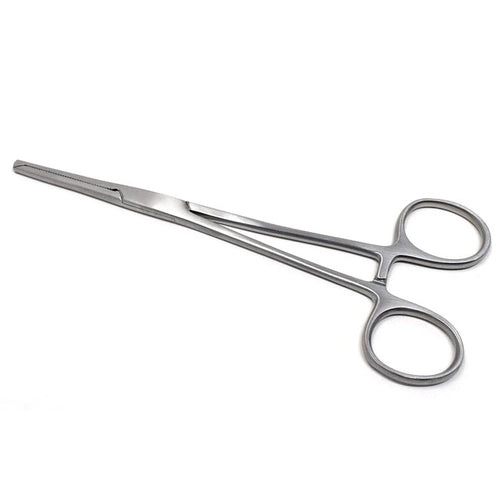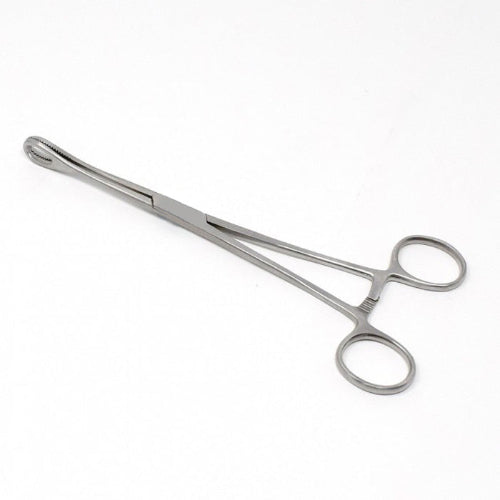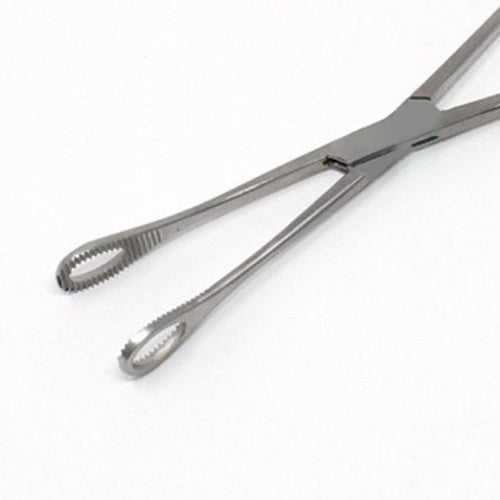
Filter
29 products
Type: General Instruments
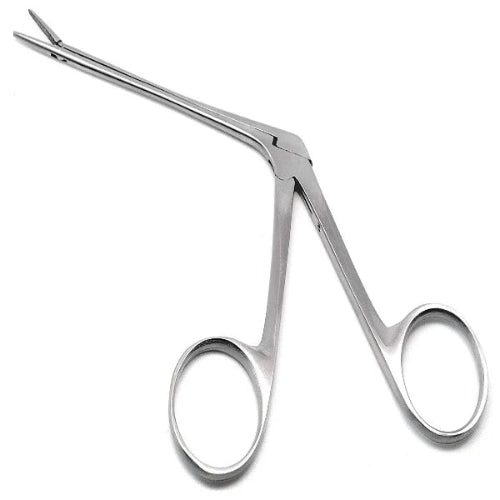
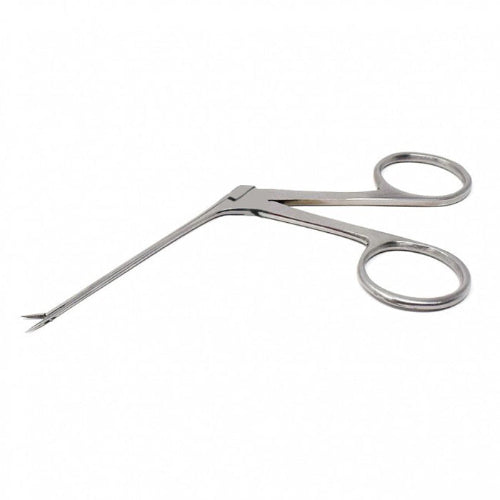
Hartmann Alligator Ear Forceps
Type: Instruments
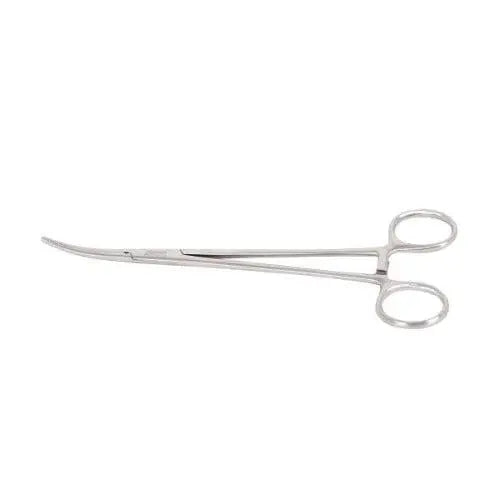
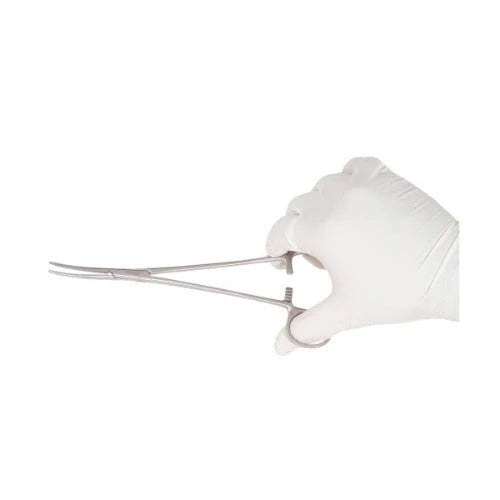
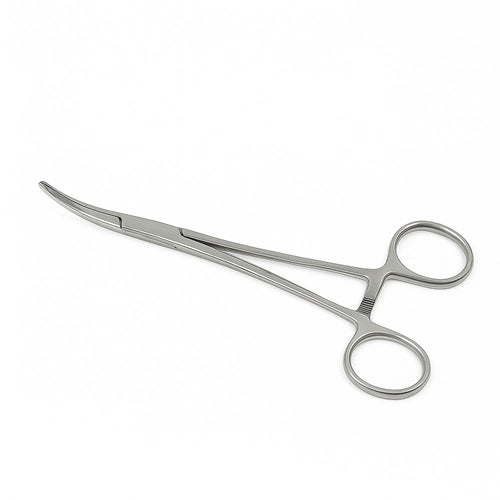
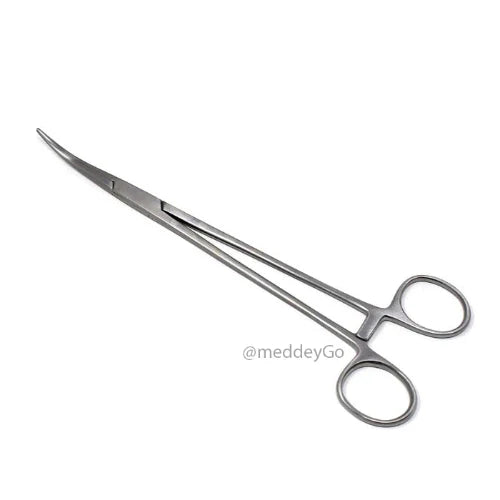
Artery Forceps Curved SS Delux Quality
Type: General Instruments
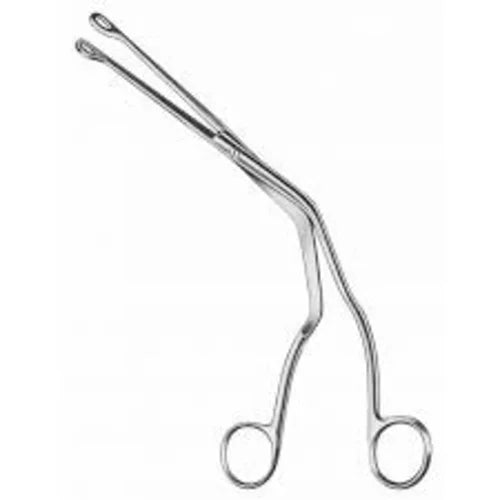
Magill Forceps Stainless Steel Surgical Instrument
Type: Instruments
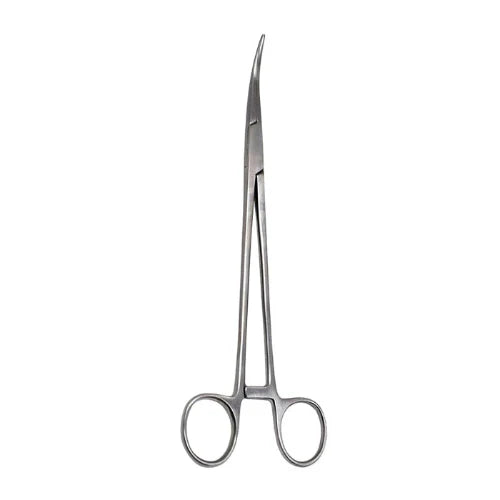
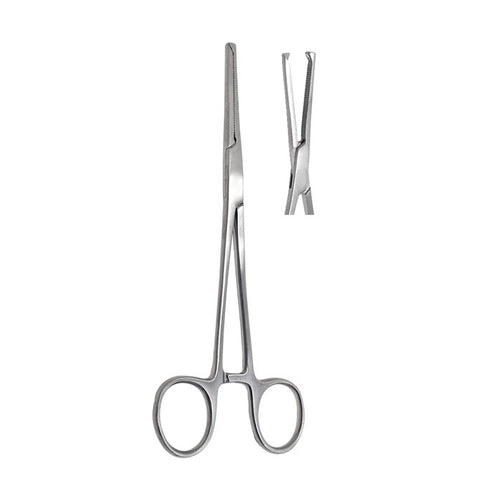
Kochers Forceps Curved
Type: Instruments
Cervical Punch Biopsy Forceps
Type: Instruments
Allis Tissue Forceps Surgical Instrument
Type: Instruments
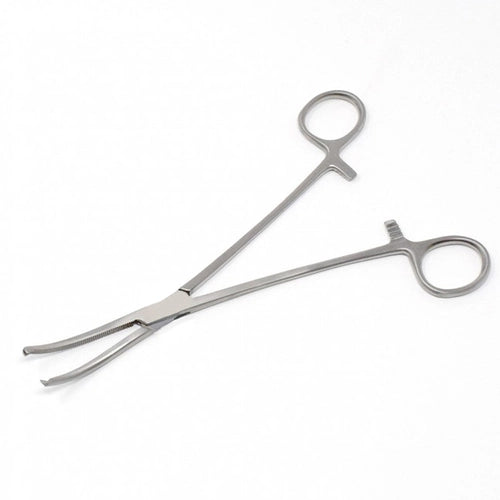
Crile Artery Forceps (Curved)
Type: Instruments
Kochers Forceps Straight
Type: Instruments
Allis Tissue Forceps Straight SS Delux Quality
Type: Instruments
Foerster Sponge Holding Forceps (Straight)
Type: MeddeyGo
Crocodile Ear Forceps Surgical Instrument
Type: Instruments
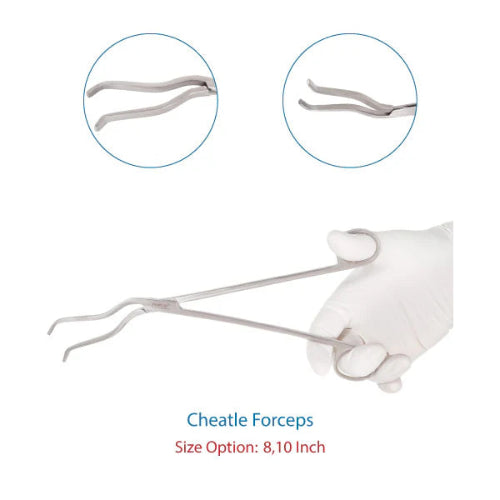
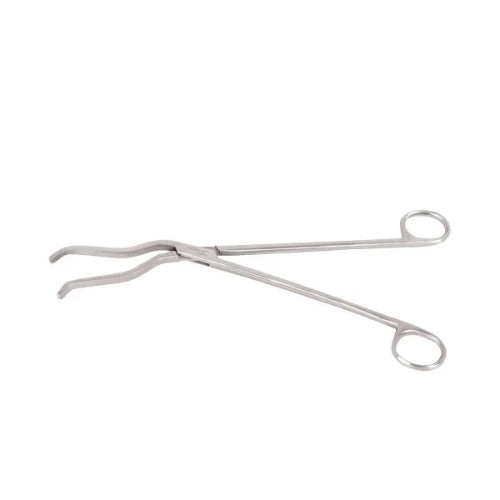
Cheatle Forceps SS Delux Quality
Type: Instruments
Bishop-Harmon Tissue Forceps SS
Type: General Instruments
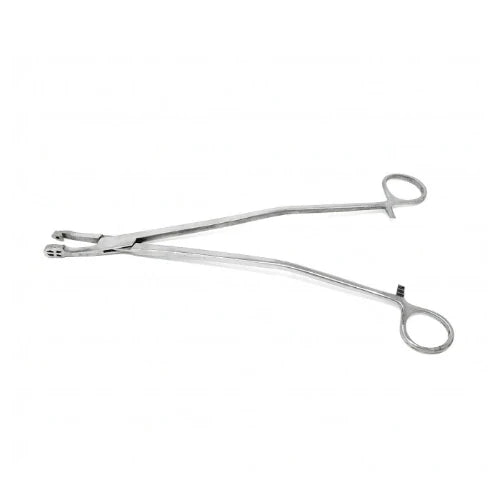
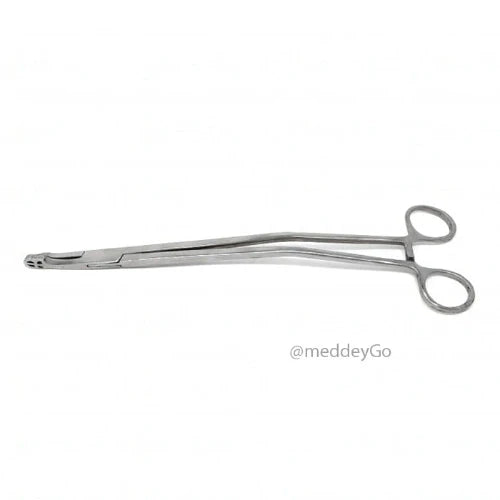
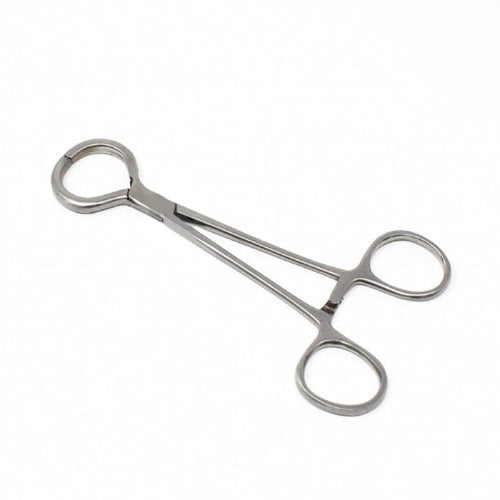
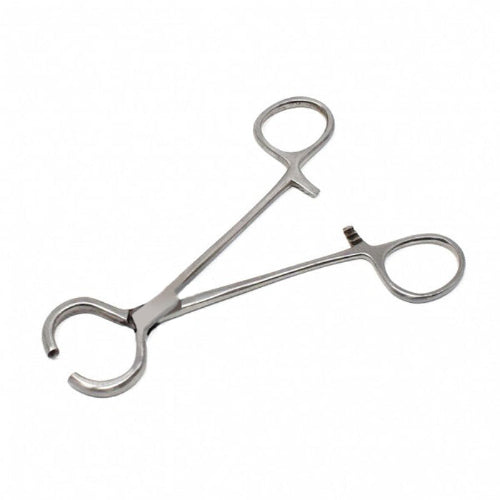
Hernia Ring SS Forceps
Type: Instrument
Debakey Satinsky Forceps
Collection:
Forceps Instrument | Essential for Medical Use
Precision Handling Starts With the Right Forceps
Forceps are among the most commonly used handheld instruments in medical, surgical, dressing, laboratory, and educational settings. Although they look simple, they play an important role in controlled handling. A well-selected pair of forceps helps healthcare professionals hold, lift, separate, grasp, position, or manipulate small materials with better control.
In clinical practice, forceps are used in many areas. They may be used during dressing, dissection, minor procedures, suturing support, specimen handling, instrument preparation, and teaching demonstrations. Also, different forceps have different tip designs. Therefore, a plain forceps, pointed forceps, small forceps, or plain dissecting forceps may not serve the same purpose.
Many buyers search for plain forceps, plain dissecting forceps, pointed forceps, plain forceps uses, forceps price, small forceps, forceps pointed, and plain thumb forcep. These searches show that users want both product clarity and buying guidance. Since forceps are available in different sizes, materials, finishes, and tip patterns, selection should be based on intended use rather than appearance alone.
At the same time, forceps are professional instruments. They must be used by trained users in appropriate settings. For clinical use, cleaning, sterilization, storage, inspection, and correct handling are essential. A damaged or poorly finished instrument can affect grip, safety, and workflow. Therefore, hospitals and medical buyers should check quality before purchase.
What Are Forceps?
Forceps are tweezer-like medical instruments designed to hold, grip, pick, or manipulate objects. They are commonly made of stainless steel and are available in different designs. Some have plain tips, while others have teeth, serrations, curves, fine points, or special shapes. Because each design has a specific purpose, the right forceps should be chosen according to the procedure and material being handled.
In simple terms, forceps work like an extension of the fingers. However, they offer better reach, improved precision, and more controlled handling. For example, plain dissecting forceps can help handle tissue or dressing material during clinical work. Similarly, pointed forceps may help in tasks where a fine tip is needed.
Healthcare buyers should note that “forceps” is a broad category. It includes plain forceps, toothed forceps, artery forceps, dressing forceps, tissue forceps, thumb forceps, dissecting forceps, and many other types. This article focuses mainly on plain forceps, plain dissecting forceps, pointed forceps, and small forceps because these are the keywords requested and commonly searched.
Simple Meaning
Forceps are handheld instruments used to hold, grasp, lift, separate, or manipulate materials during medical, surgical, dressing, laboratory, and educational work.
Plain Forceps: Basic Design and Purpose
Plain forceps are forceps without teeth at the tip. They may have smooth or lightly serrated gripping surfaces, depending on the model. Since they do not have sharp teeth, they are commonly used when a less aggressive grip is needed. They may be suitable for handling dressing material, gauze, cotton, delicate items, or selected tissue handling tasks under professional supervision.
The term plain forceps is often used by buyers who need a simple, general-purpose instrument. However, even plain forceps differ in size, grip pattern, tip shape, and finish. Therefore, a buyer should check product details carefully before ordering.
In many clinical settings, plain forceps are preferred when the user wants controlled handling without sharp toothed tips. Still, the exact application depends on the clinical protocol and instrument type. Therefore, plain forceps should be selected according to the procedure, not only by name.
- Plain forceps are usually non-toothed instruments.
- They may be used for dressing, gauze, cotton, or general handling.
- They can support controlled grip in clinical and laboratory settings.
- They are available in multiple sizes and tip patterns.
- They must be cleaned and sterilized properly for clinical use.
Plain Dissecting Forceps
Plain dissecting forceps are used in dissection, tissue handling, dressing work, and medical training depending on the instrument design and setting. The word “plain” generally means the tips do not have teeth. Because of this, plain dissecting forceps may be used when a gentle, controlled, non-toothed grip is required.
In anatomy labs and medical colleges, dissecting forceps help students handle small anatomical structures during demonstration and dissection. In clinical areas, similar forceps may be used during dressing or minor procedure assistance. However, clinical use must follow sterilization and infection-control standards.
The quality of plain dissecting forceps matters. The tips should meet properly. The spring tension should feel balanced. Also, the instrument should not bend easily during normal use. If the tips are misaligned, the grip may become poor and the instrument may not perform well.
Non-Toothed Tip
Plain dissecting forceps usually have non-toothed tips for controlled handling.
Good Alignment
Tip alignment improves grip and precision during professional use.
Balanced Tension
Proper spring tension helps reduce hand fatigue during repeated use.
Stainless Steel Body
Quality stainless steel supports durability, cleaning, and sterilization.
Pointed Forceps and Forceps Pointed Design
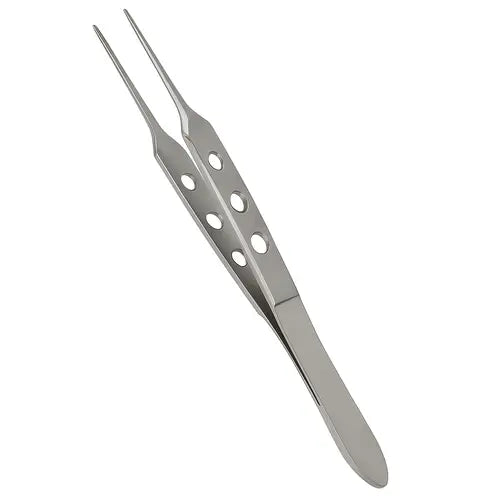
Pointed forceps have fine or narrow tips. Buyers may also search for forceps pointed when they need a forceps model with a precise tip. This design is useful when the user needs to pick or handle small objects, fine materials, or delicate structures with better visibility.
However, pointed forceps should be used carefully. A fine point may provide accuracy, but it may also cause unwanted puncture, scratch, or tissue injury if used incorrectly. Therefore, pointed forceps are more suitable for trained users who understand the task and required pressure.
In laboratory settings, pointed forceps may support careful handling of small items. In medical settings, they may be used only according to clinical need. Before purchase, buyers should check whether the tip is sharp, blunt-pointed, straight, curved, serrated, or smooth.
Selection Tip
Pointed forceps are useful for precision handling, but the tip design should match the task, user skill, and safety requirement.
Plain Thumb Forcep: Meaning and Use
Plain thumb forcep is a common buyer term for plain thumb forceps. Thumb forceps are held between the thumb and fingers and are controlled by squeezing the arms together. They do not usually have a locking mechanism like artery forceps. Therefore, they are simple to use for quick grasping and positioning tasks.
A plain thumb forcep may be useful in dressing work, dissection, tissue handling, and general clinical support depending on the design. Since it does not have teeth, it may be chosen where a softer grip is preferred. However, the application should always follow the procedure requirement and healthcare protocol.
When buying a plain thumb forcep, check the size, tip alignment, grip surface, steel quality, and finish. Also, check whether it is reusable or disposable if the product category offers both options.
Plain Forceps Uses
The phrase plain forceps uses is commonly searched by students, nursing staff, lab users, and medical buyers. Plain forceps may be used for several professional tasks, but the exact use depends on the instrument type, size, and clinical setting. In general, they support controlled handling where fingers alone may not be suitable.
- Handling gauze, cotton, or dressing material during dressing procedures.
- Supporting tissue handling during selected clinical or educational tasks.
- Picking small items in laboratory or medical preparation areas.
- Assisting during minor procedures under professional supervision.
- Supporting dissection work in medical training settings.
- Holding small materials when direct finger contact should be avoided.
- Improving reach and precision during sterile or clean workflows.
Although plain forceps are useful, they must not be used casually for self-treatment. Any wound care, procedure, or medical handling should be done by trained professionals or under medical guidance. Also, reusable forceps must be cleaned and sterilized before clinical use.
Small Forceps: When Compact Size Helps
Small forceps are useful when the user needs better control in a limited area. A smaller instrument may be easier to handle during delicate tasks, small dressing work, laboratory use, or medical training. In addition, small forceps may be preferred when the material being handled is tiny or when space is restricted.
However, small size is not always better. If the user needs stronger grip, deeper reach, or handling of larger dressing material, a longer or stronger forceps may be more suitable. Therefore, size should be selected according to the actual task.
Before buying small forceps, check length, tip style, material, finish, and grip pattern. Also, confirm whether the forceps are suitable for sterilization if they will be used in a clinical environment.
| Forceps Type | Best Use Logic | Buyer Checkpoint |
|---|---|---|
| Plain Forceps | General non-toothed handling | Check tip alignment and grip surface |
| Plain Dissecting Forceps | Dissection, dressing, and controlled handling | Check size, balance, and spring tension |
| Pointed Forceps | Fine and precise handling | Check tip sharpness and safety requirement |
| Small Forceps | Compact handling in limited spaces | Check length, strength, and tip design |
| Plain Thumb Forcep | Quick thumb-controlled grasping | Check non-locking design and hand comfort |
Forceps Material and Build Quality
Most reusable medical forceps are made from stainless steel. Stainless steel is preferred because it supports durability, cleaning, corrosion resistance, and sterilization. However, not all steel quality is the same. Therefore, hospitals and clinics should check grade, finish, strength, and supplier reliability before buying.
A good forceps should have smooth edges, proper finishing, balanced tension, and accurate tip alignment. Also, the instrument should not feel too loose or too stiff. If the tips do not meet properly, the grip will be poor. If the surface is rough, cleaning may become difficult.
For repeated clinical use, the instrument must tolerate sterilization. Therefore, reusable forceps should be selected from trusted medical instrument suppliers. In contrast, disposable forceps may be used in some settings where single-use workflow is preferred.
Steel Quality
Good stainless steel improves durability, cleaning, and corrosion resistance.
Tip Alignment
Properly aligned tips help improve grip and handling accuracy.
Smooth Finish
A smooth finish supports cleaning and reduces unwanted rough contact.
Balanced Grip
Correct tension improves hand control during repeated use.
Forceps Price: What Affects Cost?
Forceps price depends on material, size, finish, design, brand, manufacturing quality, reusable or disposable type, and intended use. A simple small forceps may cost less than a high-grade surgical forceps. Also, specialized pointed forceps or premium stainless-steel forceps may cost more because they require better finishing and precision.
Price also depends on whether the buyer is purchasing a single instrument or bulk quantity. Hospitals, medical colleges, and distributors may compare bulk pricing. However, price should not be the only factor. Poor-quality forceps may bend easily, rust early, lose alignment, or feel uncomfortable during use.
Therefore, buyers should compare quality and long-term value. A slightly higher-priced instrument may perform better if it is durable, easy to sterilize, and reliable during regular use.
| Price Factor | Why It Matters |
|---|---|
| Material Quality | Better stainless steel usually improves durability and corrosion resistance. |
| Instrument Size | Small forceps, medium forceps, and long forceps may have different prices. |
| Tip Design | Plain, pointed, serrated, or fine tips affect manufacturing precision. |
| Reusable or Disposable | Reusable instruments may cost more initially but can last longer. |
| Brand and Finish | Trusted brands and smoother finishing may increase cost. |
| Bulk Purchase | Hospitals and medical colleges may get different pricing for bulk orders. |
How to Choose the Right Forceps
Choosing the right forceps starts with the intended use, check the quality. The tips should meet evenly. The arms should open and close smoothly. Also, the grip should feel stable. Since forceps are used repeatedly in many clinical settings, poor design can affect user comfort and workflow.
- Choose plain forceps for non-toothed general handling.
- Choose pointed forceps when fine-tip precision is needed.
- Choose plain dissecting forceps for dissection or controlled handling tasks.
- Choose small forceps when compact size and close control are required.
- Check stainless steel quality and corrosion resistance.
- Inspect tip alignment before clinical use.
- Confirm sterilization compatibility for reusable instruments.
- Compare forceps price with quality, not only size.
Cleaning, Sterilization, and Storage
Reusable forceps must be cleaned and sterilized according to healthcare facility protocol. After use, visible contamination should be removed during the cleaning process. Then, the instrument should go through the correct disinfection or sterilization workflow depending on its intended use and facility standards.
Improper cleaning can create infection-control risks. Also, poor drying and storage may lead to corrosion or staining. Therefore, forceps should be dried properly and stored in a clean instrument tray or sterile pack as required.
Before each use, inspect the forceps. Look for rust, cracks, bent tips, loose alignment, rough edges, or weak tension. If the instrument is damaged, it should not be used for clinical work.
Sterilization Reminder
Reusable forceps must be cleaned, sterilized, dried, stored, and inspected according to facility protocol before clinical use.
Common Mistakes While Buying Forceps
Many buyers choose forceps only by price. However, low price does not always mean good value. If the forceps bend easily or tips do not align, the instrument may fail during regular use. Another common mistake is buying pointed forceps when plain forceps are needed. Since tip design affects use, this can create handling problems.
Some buyers also ignore instrument size. A small forceps may be useful for fine work, but it may not be suitable for larger dressing tasks. Similarly, a long forceps may provide reach, but it may feel less controlled for delicate work. Therefore, size and purpose should match.
| Mistake | Problem | Better Choice |
|---|---|---|
| Buying only by low price | May lead to poor alignment or weak steel | Compare quality, finish, and durability |
| Wrong tip selection | May not grip correctly for the task | Choose plain, pointed, or toothed design as needed |
| Ignoring size | Instrument may feel too short or too long | Select size based on working area and use |
| No sterilization check | May be unsuitable for clinical reuse | Confirm reusable and sterilizable quality |
| Ignoring tip alignment | Grip becomes weak or uneven | Inspect tips before use |
Safe and Professional Use
Forceps should be used only by trained users in appropriate settings. They are not general household tools. For dressing or wound care, professional hygiene and sterilization are important. Also, forceps should not be used on wounds or body tissue at home without medical guidance.
For students, forceps should be handled carefully during learning. Pointed forceps should be used with extra attention because the tip may be sharp. In addition, instruments should be returned to the correct tray after use to avoid loss, damage, or contamination.
Professional Safety Note
Forceps are professional medical instruments. For clinical use, they must be handled by trained users and sterilized according to healthcare protocol.
FAQs
What are forceps?
Forceps are handheld instruments used to hold, grasp, lift, separate, or manipulate materials during medical, surgical, dressing, laboratory, and educational work.
What are plain forceps?
Plain forceps are usually non-toothed forceps used for controlled handling where a softer grip is preferred.
What are plain dissecting forceps?
Plain dissecting forceps are non-toothed forceps used for dissection, dressing support, tissue handling, and educational demonstration depending on the setting.
What are pointed forceps used for?
Pointed forceps are used for fine and precise handling. They are useful when a narrow or fine tip is needed for small materials or delicate work.
What are plain forceps uses?
Plain forceps uses include handling gauze, cotton, dressing materials, small items, selected tissue handling, and medical training tasks under professional settings.
What affects forceps price?
Forceps price depends on material, size, tip design, finish, brand, reusable or disposable type, and manufacturing quality.
Are small forceps useful?
Yes, small forceps are useful when compact size and close control are needed. However, they may not be suitable for larger handling tasks.
What does forceps pointed mean?
Forceps pointed means a forceps design with a narrow or fine tip. It is selected for precision handling.
What is plain thumb forcep?
Plain thumb forcep is a common buyer term for plain thumb forceps. It is a non-locking instrument held between the thumb and fingers for controlled grasping.
Can forceps be reused?
Reusable forceps can be used again only after proper cleaning, sterilization, inspection, and storage according to healthcare facility protocol.
How should forceps be stored?
Forceps should be cleaned, dried, sterilized if required, and stored in a clean tray, sterile pack, or instrument cabinet according to clinical protocol.
Are pointed forceps safe for all tasks?
No. Pointed forceps should be used carefully because the fine tip may scratch or puncture if used incorrectly. They are best for trained users and suitable tasks.
Conclusion
Forceps are essential medical instruments used for controlled handling in clinical, surgical, dressing, laboratory, and educational settings. Whether buyers search for plain forceps, plain dissecting forceps, pointed forceps, plain forceps uses, forceps price, small forceps, forceps pointed, or plain thumb forcep, the right selection should depend on tip design, size, material, finish, grip quality, sterilization compatibility, and intended use. A good forceps should feel balanced, align properly, and support safe professional handling. Most importantly, reusable forceps must be cleaned, sterilized, inspected, and stored correctly before clinical use.