
Type: Gauzes
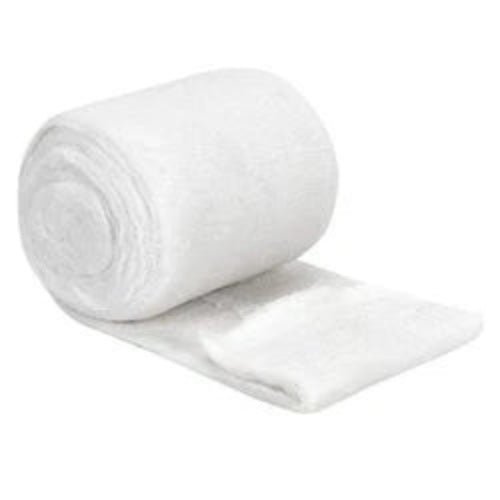
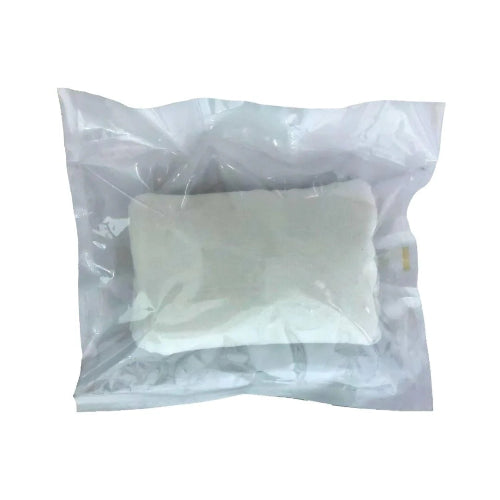
Gamjee Roll Cotton Sterile (Pack of 5)
Type: Nursing
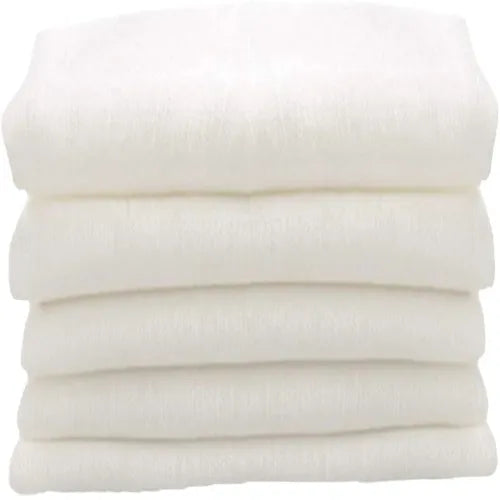
Gauze Than 90cm x 18mtr (1 than)

Type: Gauzes
Gamjee Cotton Roll with Sterility Indicator (Pack of 10)
Collection:
Gamjee Roll & Pad Supplies
Have you ever dealt with a tricky wound? Maybe a large scrape that just won't stop weeping, or a sensitive area that needs extra cushioning after a minor procedure. A simple adhesive bandage won't cut it, and stacking regular gauze pads can feel clumsy and ineffective. For these situations, you need a first-aid all-star that you might not know by name: the Gamjee pad.
A pharmacist or doctor might refer to it as a "Gamjee Roll." It is a soft, absorbent pillow for your wound---a special type of dressing made with a thick, fluffy cotton core sandwiched between a gentle, non-stick gauze layer, designed for injuries that need extra care.
This dressing's real strength lies in its two primary functions. First, it offers superior absorbency, wicking away moisture from larger or heavily weeping wounds to keep the area clean and promote healing. Second, its thick, pillowy construction provides excellent protective cushioning, shielding the sensitive injury from bumps, pressure, and further irritation. It's a combination of a sponge and a cushion in one simple pad.
This guide explains when to choose Gamjee Roll & Pad Supplies over other options, how to apply them correctly for the best results, and why they are a must-have for any well-stocked first-aid kit.
What Exactly Is a Gamjee Pad? The 'Bandage Sandwich' Explained
A Gamjee pad is more than just another square of gauze. It's best described as a 'bandage sandwich'---a soft, thick dressing built to handle jobs that a simple adhesive strip can't. This special construction is what makes it a go-to for wounds that need both serious cushioning and absorbency in one neat, effective package.
Peeling back the layers reveals a simple but clever design. The core of the pad is packed with a thick, fluffy layer of surgical cotton. This is the powerhouse of the dressing, designed to pull significant amounts of fluid away from the skin, keeping the wound area drier and cleaner. This absorbent cotton is then fully enclosed by a soft, non-woven gauze-like fabric. This outer shell acts as a gentle, low-adherent barrier, preventing the cotton fibers from sticking directly to the healing tissue.
This two-part structure, often called a combined dressing pad, is the secret to its effectiveness. You get the super-absorbency of cotton without the risk of it sticking or falling apart, all contained in a single, sterile pad. The first duty of this smart design is to act like a super-sponge for weeping wounds.

Benefit #1: The Super-Sponge Effect for Weeping Wounds
One of the most common challenges with larger scrapes, burns, or post-procedure sites is managing the fluid they produce. This fluid, which doctors call exudate , is a normal part of the healing process. However, letting it sit against your skin can slow down recovery and lead to irritation. A Gamjee pad truly shines here, acting as one of the best dressings for exuding wounds you can find.
The thick cotton core allows it to perform this function. While a standard gauze square can get soaked very quickly, a Gamjee pad's absorbent center is designed to pull in and lock away significant amounts of moisture. It is the difference between wiping a spill with a paper towel versus a heavy-duty sponge. The Gamjee pad doesn't just cover the wound; it actively manages the environment to keep it cleaner and drier.
Managing that fluid is crucial, as these high absorbency medical pads create a healthier healing space.
- It pulls harmful fluid away: Exudate contains old cells and bacteria. Drawing it into the pad keeps it from sitting on your healing skin.
- It reduces dressing changes: Because it can hold so much more fluid, you often don't need to change the dressing as frequently, which means less disruption to the injury.
- It prevents soggy skin: By keeping the surrounding area drier, it helps prevent the healthy skin from becoming soft, white, and irritated.
This superior absorbency provides more confidence and comfort. You can trust that the dressing is doing its job effectively, reducing the risk of leaks and allowing the wound to heal without interference. Soaking up fluid is only half of its job; its other major benefit is how it protects the injury from the outside world.
Benefit #2: The Ultimate Cushion for Sensitive Injuries
Beyond its ability to absorb, the thick, soft nature of a Gamjee pad provides a protective barrier against the outside world. A fresh injury is incredibly sensitive, and even a light knock from a countertop or a stray pet can be surprisingly painful. The pad acts as a personal bodyguard for your wound, cushioning it from the accidental bumps and bangs of daily life. This protective quality is a crucial feature that sets it apart from other basic bandaging supplies, which often only provide a thin layer of coverage.
This cushioning does more than just shield from direct impact; it also works to relieve pressure, which is vital for both comfort and healing. If you're wrapping a sprained joint or need to keep a limb stable, placing a Gamjee roll underneath the elastic bandage prevents it from digging into your skin and creating sore spots. This is one of the most common orthopedic padding roll uses---it distributes pressure evenly, making a support wrap much more comfortable to wear, especially over bony areas like an ankle, elbow, or shin.
When you combine this protective cushioning with its incredible absorbency, you get a powerhouse dressing perfect for delicate situations. It's often recommended in any simple post-operative wound care guide for exactly this reason: it handles fluid while simultaneously protecting the tender site from pressure and friction. This two-in-one function ensures the wound is not only clean and dry but also safe and comfortable.
When Should I Use a Gamjee Pad Instead of a Regular Bandage?
Knowing exactly when to use a Gamjee Pad is what truly empowers you. With so many options in a first aid kit, it can be confusing to decide what's best. The answer is surprisingly simple: reach for a Gamjee pad when your injury is a little more demanding than what a standard adhesive bandage can handle. It's the perfect step-up for wounds that need more absorption, more protection, or both.
Think about those awkward injuries. A large scrape on a knee from a fall, a minor kitchen burn that's starting to weep, or a deep cut that continues to ooze slightly even after the bleeding has stopped. In all these cases, a small bandage won't provide enough coverage or absorbency. The wound's fluid can quickly overwhelm a thin pad, leading to messy leaks and a less-than-ideal healing environment. A Gamjee pad, a premier first aid kit absorbent dressing, becomes your best friend, easily managing fluid to keep the area clean and dry.
Beyond size and fluid, consider the injury's location. A wound on a flat, fleshy area like your forearm might be fine with a simple dressing. But an injury over a bony spot like an elbow, shin, or ankle gets bumped constantly and needs extra padding to prevent pain and re-injury. By choosing the right wound dressing for the location, you ensure comfort. The thick cushioning of a Gamjee pad shields these sensitive spots from pressure and impact.
Choose a Gamjee Pad When:
- The wound is larger than what a standard adhesive bandage can cover.
- The wound is weeping or oozing fluid that would soak a normal dressing.
- The injury is on a joint or bony area that needs extra cushioning.
If Gamjee is the clear winner for these situations, why not just stack a few regular gauze pads to do the same job?
Gamjee Pads vs. Regular Gauze: What's the Real Difference?
That's a fair question, and the answer gets to the heart of proper wound care. While you could stack regular gauze pads, it's a bit like using paper towels to clean up a big spill when what you really need is a sponge. Standard gauze, or what is a gauze roll and pad, is made of a simple woven material. It's excellent for cleaning a wound or providing a very light covering, but it wasn't designed for heavy-duty absorption. It quickly becomes saturated, feeling wet against the skin and often requiring frequent, messy changes.
The difference comes down to construction. A Gamjee pad is built smarter, like a "bandage sandwich." It has a highly absorbent, fluffy cotton core sealed inside a gentle, non-stick gauze-like casing. You may hear it called a combined dressing pad vs gamjee, which is often the same thing; it combines a protective layer and an absorbent core into one neat package. Unlike a simple gauze weave that just gets wet, the Gamjee's core actively pulls fluid away from your wound and locks it deep inside the padding, keeping the surface next to your skin much drier.
This efficient design leads to one of the biggest, often-overlooked benefits: fewer dressing changes. Because a Gamjee pad can hold significantly more fluid, it keeps the wound environment stable for longer. This isn't just about convenience; it means you disturb the healing wound less often, which can lead to more comfort and a better outcome. The principles of wound dressing layers explained simply are about keeping a wound clean, dry on the surface, and protected, which Gamjee accomplishes in a single step as a top layer.
Gauze is a multi-purpose tool, while a Gamjee pad is a specialist. Use gauze for cleaning and for very minor scrapes that barely weep. But for any wound that needs serious absorption and protective cushioning, the Gamjee pad is the superior choice that makes wound care simpler, cleaner, and more effective.
How to Apply a Gamjee Pad or Roll: A Simple 5-Step Guide
Knowing how to apply a dressing correctly is just as important as choosing the right one. While a thick Gamjee pad might seem more complex than a simple bandage, the process is incredibly straightforward and gives you a much more secure and protective result. Following these steps will ensure the wound stays clean, cushioned, and on the right track to healing. This guide on how to apply an absorbent cotton roll or pad works for nearly any situation where a secondary dressing is needed.
- Wash Your Hands & Clean the Wound Always start with clean hands to prevent infection. Wash them thoroughly with soap and water. Then, gently clean the wound area as directed by your doctor or pharmacist---this usually involves saline solution or mild soap and water. Gently pat the surrounding skin dry with a clean cloth.
- Apply Any Ointment or Primary Dressing (If Needed) This is a crucial step for many wounds. If a doctor has recommended a medicated ointment or a special non-stick film that goes directly on the injury, apply that first. This layer is called the primary dressing. Its job is to be in direct contact with the wound itself.
- Position the Gamjee Pad Now it's time for the Gamjee pad, which acts as the secondary dressing. This is the absorbent, protective cushion that goes on top. Place it directly over the primary dressing (or over the clean wound if no primary layer was needed). Ensure the pad is large enough to extend at least an inch beyond the edges of the wound on all sides.
- Secure the Pad Gently but Firmly Learning how to secure a wound pad properly is essential for comfort and effectiveness. Use medical tape on all four sides or a conforming bandage roll (like Kerlix or an elastic wrap) to hold the Gamjee pad in place. The goal is snug, not tight. You want it to stay put without shifting, but you should never wrap it so tightly that it causes pain or bulges around the edges. A good rule of thumb: you should be able to slip one finger comfortably under the wrap.
- Check and Change as Needed Finally, do a quick check to make sure everything is secure but comfortable. Adhering to a good routine is a basic principle of any post-operative wound care guide. Follow your doctor's advice on how often to change the dressing, but a general rule is to replace it daily or immediately if it becomes soaked with fluid.
Choosing Your Tool: The Gamjee Roll vs. The Pre-Cut Pad
When buying Gamjee supplies, you'll typically face a simple choice between pre-cut pads and a long, continuous roll. The decision comes down to one thing: are you looking for quick convenience or complete customization? Choosing the right wound dressing size and shape is key, and understanding the difference between these two formats makes that choice easy.
For most straightforward injuries, like a standard post-procedure incision or a moderate scrape on a flat area, pre-cut pads are your best bet. They are the grab-and-go solution---perfectly portioned, often individually sterilized, and ready to apply with no cutting needed. This simplicity saves time and ensures you have a clean, uniform pad every time you change the dressing. If your wound fits neatly under a standard-sized square or rectangle, the pre-cut pad is the most efficient option.
The Gamjee Roll for Dressing Wounds , however, offers unparalleled versatility for more complex situations. It is your custom-padding toolkit. If you're dealing with a large scrape that runs down a shin or an injury in an awkward spot like an elbow or heel, the roll allows you to cut the exact piece you need. Furthermore, its continuous length makes it ideal for orthopedic padding roll uses, such as wrapping an entire limb to provide soft, uniform cushioning under a compression bandage for a sprain.
Once you've settled on the best format for your needs, there's one final detail that's critical for safety: whether the dressing is sterile or non-sterile.

Sterile vs. Non-Sterile: A Crucial Choice for Wound Safety
Beyond shape and size, the most critical feature on the packaging of any wound care product is the word "sterile." Understanding the difference between sterile vs non-sterile dressing pads is the single most important factor in preventing infection and ensuring your wound heals properly. Getting this wrong can introduce harmful germs directly where they can do the most damage.
A sterile dressing is one that is guaranteed to be completely free of germs, bacteria, and other tiny organisms. These pads are typically packaged and sealed individually right after they undergo a special process to eliminate all microbes. This is non-negotiable for any dressing that will make direct contact with broken skin, like a cut, scrape, or surgical site. The sterile wrapper acts as a shield, keeping the pad pristine until the moment it touches your wound.
Non-sterile options, like some bulk medical gauze rolls, are clean and perfectly safe for general use, but they don't offer that germ-free guarantee. Their job is different. They are meant for situations where the skin is intact, such as providing extra cushioning over an already-bandaged injury or for use as an orthopedic padding roll under a splint or brace. Since they aren't touching an open wound, the risk of introducing infection is minimal.
Follow this one unbreakable rule when selecting your supplies:
- Use STERILE for: Any open wound, broken skin, burn, or post-surgery site. The dressing touching the wound must be sterile.
- Use NON-STERILE for: External padding over intact skin, cushioning closed injuries, or adding bulk over an existing sterile dressing.
How Often Should I Change a Gamjee Dressing?
One of the most common questions after dressing a wound is, "When do I change it?" Your dressing itself will give you the clearest signal. Look for a sign called strike-through---it's when fluid from the wound has soaked all the way through the absorbent cotton and is visible on the outside of the pad. This is your definitive cue that the dressing is full and can no longer keep the area clean. Seeing this means it's time for a fresh dressing to prevent germs from reaching the skin.
Strike-through isn't the only reason for a change. A dressing's job is to provide a clean, protective barrier, and that job is compromised if it gets wet or soiled. If the pad accidentally gets splashed while washing your hands or becomes dirty, it should be replaced immediately, even if it looks otherwise fine. The same goes for comfort; if the dressing starts to peel away, feels uncomfortably heavy, or the wound becomes painful, it's always best to start fresh.
The most important guideline is the one given to you by a healthcare professional. If your doctor or surgeon provided a specific schedule for your post-operative wound care---for example, "change it every 24 hours regardless"---you must follow their instructions. Their advice is tailored to your specific injury and always supersedes general tips.
Building a Smarter First-Aid Kit: Why Gamjee Deserves a Spot
Most basic first-aid kits are great for small cuts and scrapes, but they fall short when faced with a larger, weeping wound. A nasty fall on the pavement or a moderate kitchen burn can quickly overwhelm a few small gauze squares, leaving you with a clumsy, ineffective dressing. This gap in preparedness is precisely where upgrading your bandaging supplies can give you peace of mind.
A Gamjee pad or roll proves its worth here. Think of it as the heavy-duty tool in your wound care toolbox. By adding this highly absorbent dressing, you're equipped to handle injuries that need serious absorption and protective cushioning---something a simple adhesive bandage can't provide. It bridges the gap between minor cuts and injuries that require immediate professional help, making your kit far more versatile.
A Gamjee dressing is a key player, but it works best as part of a team. Turning your basic box into a comprehensive first aid kit is simple with the right shopping list.
Your Upgraded First-Aid Kit:
- Adhesive bandages (various sizes)
- Antiseptic wipes
- Sterile Gamjee pads (e.g., 10cm x 10cm)
- A small Gamjee roll for custom sizing
- Medical tape
- A roller bandage or cohesive wrap to secure the pad
- Saline wound wash for gentle cleaning
With these key wound care products, you create a complete system. You can properly clean a wound with saline, cover it with a sterile and super-absorbent Gamjee pad, and secure it firmly with tape or a wrap. You're no longer just patching up injuries; you're managing them effectively.

Your Gamjee Questions Answered:
Even with the right supplies, you might have some practical questions. Here are answers to a few common points about using these powerhouse pads.
Is "Gamjee" a brand or a product type?
It's both. Much like "Kleenex" became a common name for tissues, "Gamjee" was originally a brand name that grew to describe any thick, sterile dressing with an absorbent cotton core. So, when your pharmacist hands you a similar product with a different name on the box, like a Highly Soft and Absorbent Pure Cotton Gamjee Roll or pad, you can be confident you're getting the right thing.
Why can't I just stack gauze pads as a Gamjee alternative?
While stacking gauze can work in a pinch, a Gamjee pad is far more effective as a gamjee dressing alternative. Its dense cotton filling is specifically designed to pull a large amount of fluid away from the wound and lock it in, keeping the skin healthier. Plus, its single-piece, cushioned design provides better, more stable protection against bumps than a shifting stack of thin gauze ever could.
What is a Gamjee pad used for, and can I cut it to size?
They are perfect for larger scrapes, weeping minor burns, and any injury needing a protective cushion. However, you should never cut a sterile pad. Doing so breaks the sterile seal and can introduce fibers and germs into your wound. For smaller areas, use a pre-cut pad. For large or awkwardly shaped injuries, use a Gamjee roll, which you can cut to your desired length before applying it.
What if the dressing sticks to my wound?
If your Gamjee dressing does stick, don't ever pull on it. Instead, soak a fresh piece of gauze or a clean cloth in saline solution (or cool, clean water) and gently press it over the stuck area. Let it sit for five to ten minutes. This will rehydrate the dried fluid and allow the dressing to lift off easily and without causing pain or damaging the healing tissue.
Feel Confident in Your Wound Care Choices
A Gamjee pad is a specialized tool in your care kit. You can move beyond simply covering a wound to understanding how to properly manage it by choosing the right level of absorption and protection.
The most critical takeaways are:
- Your 'Super-Dressing': Think of Gamjee as a super-dressing that excels at two jobs: absorbing significant fluid and cushioning sensitive injuries.
- When to Use It: Reach for it when dealing with large scrapes, weeping wounds, or injuries that need protection from bumps and pressure.
- How to Apply It: Always place the sterile pad over the wound (or a primary dressing), and then secure the entire thing snugly with medical tape or a wrap.
By learning about this one simple but effective tool, you have taken a significant step in dressing wounds with confidence. The next time you or a loved one faces an injury that's too much for a simple bandage, you'll know exactly what to do. You have the knowledge to choose the right tool and use it correctly, ensuring a safer and more comfortable healing process.
Gamjee Roll & Pad Supplies Q&A
Question: Can a Gamjee pad go directly on a wound, or should there always be a primary dressing first?
Short answer: A Gamjee pad is typically used as a secondary dressing, placed over a primary layer (like a non-stick film or medicated ointment) when your clinician recommends one. If no primary dressing is needed, a sterile Gamjee pad can go directly over a clean wound. The key is sterility: anything touching open skin must be sterile, and you should follow your doctor’s instructions if they specify a primary layer.
Question: How do I choose between a Gamjee roll and pre-cut Gamjee pads?
Short answer: Pick pre-cut pads for speed and simplicity on straightforward wounds—flat areas and standard sizes—since they’re ready to use and often individually sterile. Choose a Gamjee roll when you need custom sizing or continuous cushioning, such as along a shin, around an elbow or heel, or as orthopedic padding under a compression wrap. Use pads for “grab-and-go” dressing changes; use a roll for shaping, wrapping, and evenly distributing pressure.
Question: How tight should I secure a Gamjee dressing, especially over joints, so it doesn’t slip?
Short answer: Aim for snug, not tight. Use medical tape on all four sides or a conforming/elastic wrap and follow the one-finger rule: you should be able to slide one finger comfortably under the wrap. Over joints, anchor the wrap above and below the joint, and consider laying a Gamjee roll under elastic bandages to prevent digging and hot spots. Avoid bulging edges or pain—both signal over-tightening.
Question: When exactly should I change a Gamjee dressing?
Short answer: Change it immediately if you see strike-through (fluid visible on the outside), if it becomes wet or soiled, if it starts peeling, feels heavy, or the wound becomes painful. Otherwise, a common routine is daily changes—unless your clinician gives a specific schedule, which you should follow.
Question: Is a “combined dressing pad” the same as a Gamjee pad, and how is it different from regular gauze?
Short answer: Yes—“Gamjee pad” often refers to a combined dressing pad: a thick, fluffy surgical cotton core enclosed in a soft, low-adherent gauze-like outer layer. This “bandage sandwich” wicks and locks away exudate while providing cushioning. Regular gauze is a simple woven material that saturates quickly and usually needs frequent changes. For weeping wounds and protection from bumps and pressure, the Gamjee design is superior to stacking standard gauze.