Filter
12 products
Type: Gauzes
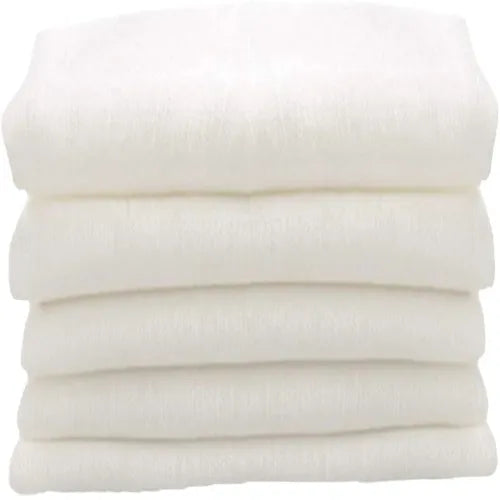
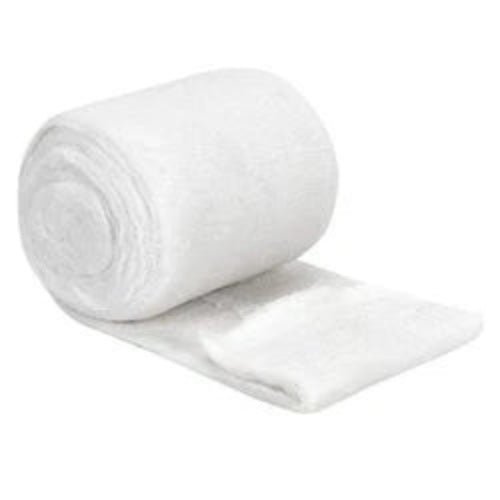
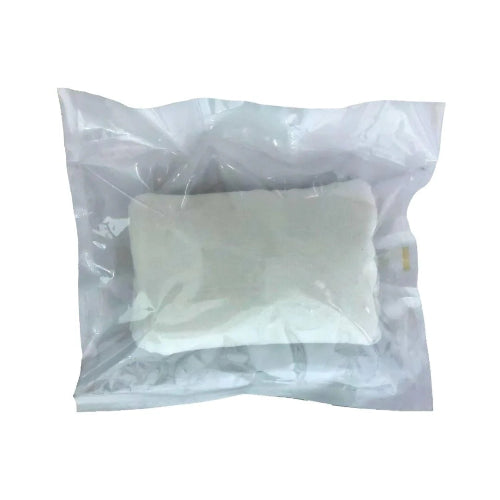
Gamjee Roll Cotton Sterile (Pack of 5)
Type: Gauzes
Abdominal MOP Sponge (50 Pc) Non Sterile 8 Ply X-Ray Detectable Thread
Type: Nursing
Gauze Than 90cm x 18mtr (1 than)
Type: Gauzes
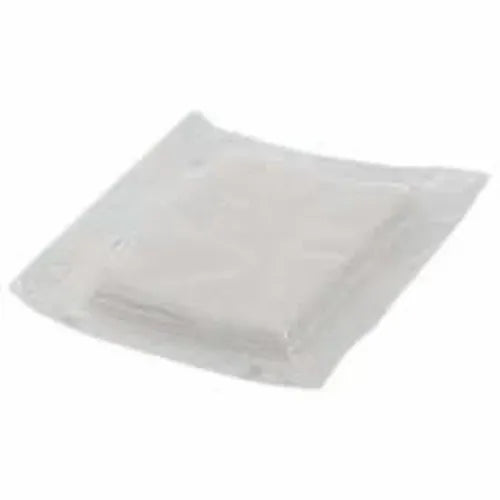
Abdominal MOP Sponge (25Pc) Sterile with Indicator 8 Ply
Type: Gauzes
Sterile Gauze 12 Ply Swab Dressing (100 Pc - 25 packs of 4 Each)
Type: Gauzes
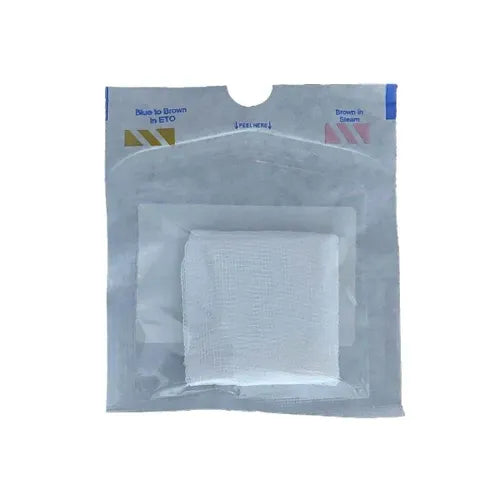
Sterile Gauze 12 Ply Swab Dressing (Pack of 4) with Sterility Indicator
Type: Gauzes
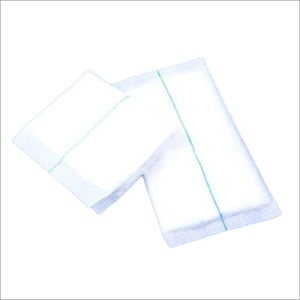
Combine Dressing Pad Sterile with Indicator
Type: Gauzes
Gauze Than 90cm x 18mtr
Type: Gauzes
Gamjee Cotton Roll with Sterility Indicator (Pack of 10)
Type: Surgical Cotton
ABS Cotton Wool 500 gms (Pack of 5)
Type: Cast Padding
Electosoft Orthopedic Cast Padding (Pack of 5)
Type: Gauzes
Zig Zag Cotton 100gm Pack of 10 Absorbent Cotton
Collection:
Gauze: Breathable Fabric for Healing & Cotton Gauze Roll Online | MeddeyGo
What is Gauze Used For? Definition and Pronunciation
In the world of medical consumables, gauze is a thin, translucent fabric with a loose open weave. Technically, it is defined by its "leno weave" or plain weave structure, which allows it to remain breathable while providing enough structural integrity to manage fluids. The term gauze originated from the Middle Eastern city of Gaza, historically a center for fine weaving. Today, medical gauze is the backbone of wound management, surgery, and first aid.
For those asking "How do we pronounce gauze?", the phonetics are simple: /ɡɔːz/ (rhymes with "pause" or "laws"). Despite its simple pronunciation, the utility of surgical gauze is incredibly complex. It is used primarily for wound cleaning, debriding, packing, and dressing. Because absorbent gauze is made from highly purified cotton or synthetic fibers, it can soak up many times its weight in blood or exudate.
When you look at gauze fabric under a microscope, you see a grid-like pattern. This "mesh" is what allows air to reach a wound (promoting healing) while acting as a barrier against larger contaminants. Whether it is a small cotton dressing pad for a minor cut or a massive cotton dressing roll used in major abdominal surgery, the material's fundamental purpose remains the same: fluid management and tissue protection.
What is Type 7 Gauze? Understanding USP Standards
In clinical procurement, you will often encounter the term Type 7 Gauze . This refers to a specific classification set by the United States Pharmacopeia (USP). Type 7 medical gauze is defined by its thread count—specifically, it must have a mesh of 20 x 12 (threads per inch). This specific weave is considered the "gold standard" for absorbent gauze because it provides the perfect balance between softness, absorbency, and strength.
Type 7 surgical gauze is frequently used for making sponges and pads. Its high cotton purity ensures that it doesn't leave lint or loose fibers in a wound, which is a critical safety factor in deep-tissue surgery. When hospitals look for a cotton dressing roll, they often specify Type 7 to ensure that the fabric won't tear when soaked with saline or blood.
Understanding these technical grades is vital when choosing gauze fabric for different medical applications. While lower types (like Type 1) are thinner and used for general cleaning, Type 7 is the workhorse of the operating room. Using a high-quality cotton gauze bandage of this grade ensures that the wound remains sterile and the dressing changes are less painful for the patient due to the high-thread-count softness.
The Difference Between Gauze and Bandages
While often used interchangeably in casual conversation, there is a distinct clinical difference between gauze and a bandage. Think of it this way: Gauze is the "Primary Dressing," while a bandage is the "Secondary Dressing." Surgical gauze is designed to come into direct contact with the wound. Its primary job is absorption and protection of the broken skin. This is why medical dressing must be sterile and lint-free.
A bandage, however, is used to hold the cotton gauze pad in place. While you can have a cotton gauze bandage (which is a strip of gauze fabric used as a wrap), most bandages are made of elastic or non-woven materials meant to apply pressure and provide support to a limb. A bandage does not necessarily need to be sterile because it should not touch the wound directly; it touches the absorbent gauze that is already on the wound.
For example, if you have a deep cut, you first apply a cotton dressing pad to stop the bleeding (Primary). Then, you wrap a cotton dressing roll or an elastic bandage around it to secure it (Secondary). Confusing the two can lead to complications; using a non-sterile bandage directly on an open wound can introduce bacteria, which is why professionals always rely on certified medical dressing for the initial contact layer.
Why Choose 100% Cotton Gauze Roll for Wound Care?
The choice of material in a cotton dressing roll is non-negotiable for high-quality wound care. 100% pure cotton is preferred over synthetic blends for several reasons. First is Hypoallergenic Safety . Pure cotton gauze contains no resins or glues that could irritate sensitive skin. This is particularly important when considering: Is United Absorbent Gauze safe for sensitive skin? The answer is yes, primarily because of its 100% natural cotton composition.
Second is Capillary Action . Natural cotton fibers are hollow, allowing them to wick fluid away from the wound bed much faster than polyester. This "wicking" action keeps the wound dry and prevents "maceration" (when skin becomes soggy and breaks down). When you use a cotton dressing bandage made of 100% cotton, you are ensuring the best possible environment for cell regeneration.
Finally, 100% cotton gauze fabric can withstand high-temperature sterilization (autoclaving) without melting or losing its structure. This makes it the only reliable choice for surgical dressing used in internal procedures. Whether in the form of a cotton dressing pad or a long cotton dressing roll, 100% cotton remains the gold standard for patient safety and comfort.
What is United Absorbent Gauze Used For in Treatment?
United Absorbent Gauze is a specific brand of high-purity medical dressing used across various surgical specialties. Its most common use is in Exudate Management . In post-operative care, surgical sites often leak serous fluid. United medical gauze is applied to absorb this fluid, preventing the growth of bacteria in a damp environment.
Another critical use is in Blunt Debridement . During wound cleaning, a wet cotton gauze pad is used to gently "scrub" the wound surface to remove dead tissue and biofilm. The unique texture of United gauze fabric is rough enough to remove debris but soft enough not to damage the healthy "granulation tissue" underneath.
Furthermore, in emergency trauma, United cotton gauze roll is used for "wound packing." If a patient has a deep puncture or cavity wound, the surgical dressing is layered into the cavity to apply internal pressure and stop hemorrhaging. The high absorbency and structural strength of this specific medical dressing make it a staple in both hospital emergency rooms and military first-aid kits.
How to Use 80CM x 16MTR Gauze Roll Safely
The 80CM x 16MTR cotton gauze roll is the backbone of hospital consumable inventory. Because of its massive size, it offers versatility but requires strict handling protocols to remain safe for patient use. The first rule of using a bulk gauze roll is maintaining the "Sterile Chain." Since this roll is typically supplied in a non-sterile bulk format, it must be cut into required sizes and then autoclaved (sterilized) before it touches an open wound or is used in a surgical theater.
To use it safely, medical staff should use sterilized stainless steel scissors to cut the gauze fabric into smaller squares or long strips. It is vital to fold the raw edges inward; loose threads from a surgical dressing can detach and become embedded in the wound bed, causing a "foreign body reaction" or infection. Once cut, the absorbent gauze pieces should be placed in sterilization pouches. The 80cm width is particularly useful for creating large abdominal pads or for wrapping large areas like the chest or thigh following trauma.
Safety also involves monitoring the "Lint Factor." When handling a 16-meter cotton dressing roll, excessive shaking can release cotton micro-fibers into the air. In an operating room, these fibers can settle on sterile instruments. Therefore, the roll should be unrolled smoothly and cut in a clean utility room rather than the active treatment area. By following these preparation steps, the bulk medical gauze remains a cost-effective and highly reliable tool for comprehensive wound management and surgical prepping.
Which Size of Surgical Gauze is Best for Hospitals?
Selecting the right size of surgical gauze is a balance between clinical efficiency and waste reduction. For general wards and nursing homes, the 2x2 inch and 4x4 inch cotton dressing pad are the most frequently used. The 2x2 size is ideal for needle-site pressure after injections or IV removals, while the 4x4 size is the standard for cleaning minor lacerations and surgical incisions. However, for specialized units like the Orthopedic or Burn ward, a cotton dressing roll is far superior to individual pads.
| Gauze Format | Common Dimensions | Best Clinical Use |
|---|---|---|
| Gauze Swabs | 10cm x 10cm | General Wound Cleaning |
| Bulk Roll | 80cm x 16mtr | Maternity & Orthopedic Wrapping |
| Gauze Bandage | 10cm x 3mtr | Securing Dressings on Limbs |
| Eye Pad | Oval 5cm x 7cm | Ophthalmic Protection |
Hospitals typically prefer the bulk cotton gauze roll because it allows them to customize the dressing size to the patient's specific injury. For instance, a long limb cast requires a continuous cotton gauze bandage layer to protect the skin from the plaster. Nursing homes, on the other hand, often benefit from pre-cut, sterile medical gauze packs to reduce the labor required for sterilization. Ultimately, the "best" size is determined by the volume of trauma handled; high-traffic ERs rely on 80cm rolls for flexibility, while outpatient clinics prefer the convenience of ready-to-use absorbent dressing squares.
Is United Absorbent Gauze Safe for Sensitive Skin?
When treating pediatric patients or the adult, the question often arises: Is United Absorbent Gauze safe for sensitive skin? The answer lies in the chemical purity of the gauze fabric. United medical dressing is processed using oxygen-bleaching rather than chlorine-bleaching. This ensures that there are no residual dioxins or harsh chemicals that could cause "contact dermatitis" or allergic reactions on fragile skin.
Sensitive skin is prone to tearing when a dressing is removed. Because United absorbent gauze features a high-grade 100% cotton weave, it has a lower "adherence rate" compared to synthetic blends. The fibers are rounded and soft, which minimizes the mechanical irritation caused by the cotton dressing pad rubbing against the skin. For patients with "parchment skin" (common in oncology or geriatric care), using a high-quality cotton gauze roll ensures that the skin remains intact during dressing changes.
Furthermore, the breathability of this surgical dressing prevents sweat and moisture buildup. Moisture trapped against sensitive skin can lead to fungal infections or skin breakdown (maceration). By providing a high-airflow environment, United cotton gauze dressing helps maintain the skin's natural pH balance. For anyone looking to buy gauze online for home care, opting for 100% cotton variants like United ensures that the medical treatment does not inadvertently cause a secondary skin complication.
Quick Tips: Storage and Handling of Absorbent Gauze
To maintain the clinical integrity of your gauze, storage conditions are paramount. Medical gauze is highly "hygroscopic," meaning it naturally absorbs moisture from the air. If a cotton dressing roll is stored in a damp environment, it can become a breeding ground for mold or bacteria even before the package is opened. Always store your surgical gauze in a cool, dry place, ideally in an airtight container or the original sealed medical-grade plastic.
Another tip for those using absorbent dressing at home: check the expiration date. While cotton doesn't "spoil," the sterility of the packaging has a lifespan. Over time, the seals on a cotton dressing pad can become brittle or microscopic punctures can occur, compromising the sterile barrier. If you are using a non-sterile cotton gauze bandage for support, this is less critical, but for open-wound care, always use fresh, perfectly sealed products.
Finally, when handling a cotton gauze roll, always wash your hands and wear gloves. The oils and bacteria from your fingertips can easily transfer to the gauze fabric. If you are cutting the gauze for future use, ensure the scissors are wiped with alcohol. By treating your medical dressing with the respect a clinical instrument deserves, you ensure that every dressing change is a step toward healing rather than a risk of infection.
Technical Specifications of Medical Gauze
When purchasing surgical gauze for professional environments, understanding the technical metrics is crucial for ensuring patient safety. Not all gauze fabric is created equal; parameters like thread count, weight per square meter (GSM), and sinking time determine the absorbency and reliability of the material. Below is the definitive specification chart for high-grade absorbent dressing used in hospitals.
| Parameter | Standard Specification | Clinical Importance |
|---|---|---|
| Material | 100% Pure Natural Cotton | Hypoallergenic & High Wicking |
| Mesh Count | 19x15, 24x20, or 30x20 | Determines Strength & Linting |
| Sinking Time | < 10 Seconds | Measure of Instant Absorbency |
| Bleaching | Oxygen Bleached (Chlorine Free) | Safe for sensitive skin |
| Fluorescence | None / Zero | Ensures no chemical residues |
A key factor in the cotton dressing roll quality is the "Sinking Time." This test measures how fast a piece of medical gauze saturates with water and sinks to the bottom of a container. A sinking time of less than 10 seconds indicates high-purity cotton that hasn't been clogged with waxes or pectins. Furthermore, the mesh count dictates how many threads are woven vertically and horizontally. A higher mesh count in your surgical gauze means more surface area to trap bacteria and fluids, making it the preferred choice for heavy-drainage wounds.
Clinical Protocol: How to Use and Quick Tips
1. Preparation
Always wash hands and use sterile forceps when handling medical gauze. If using a cotton gauze roll, cut with alcohol-wiped scissors.
2. Cleaning
Use a cotton gauze pad soaked in saline to clean from the center of the wound outward to prevent re-contamination.
3. Application
Layer the absorbent gauze gently. Do not press hard on fresh granulation tissue to avoid cell damage.
4. Security
Secure the pad with a cotton gauze bandage. Ensure it is firm but doesn't cut off blood circulation.
Critical Warnings for Surgical Gauze Use
Despite its simple appearance, improper use of gauze can lead to severe clinical complications. The most significant warning involves Adherence Trauma . If medical gauze is left on a dry wound for too long, the new skin cells (granulation) grow *into* the mesh of the dressing fabric. When the dressing is removed, it tears away the new skin, causing pain and delaying healing. To avoid this, always moisten the cotton gauze pad with sterile saline before removal if it appears stuck.
Another critical warning concerns Fiber Migration . When a cotton dressing roll is cut, microscopic lint fibers can fall into the wound. In internal surgeries, these fibers can cause granulomas (lumps of inflamed tissue). This is why professionals always fold the cut edges of the surgical dressing inward. Furthermore, never reuse absorbent gauze. Even if it looks clean, once the sterile seal is broken and it has touched the air, it is considered a biohazard.
Finally, be wary of "Tight Wrapping." When applying a cotton gauze bandage, check for signs of poor circulation, such as blue fingernails or tingling. Cotton fibers can shrink slightly when they get wet with wound exudate, causing a once-comfortable wrap to become a constriction hazard. Always leave a "two-finger" gap under the bandage to ensure safety.
Manufacturing: The Journey of Medical Gauze
The process of creating high-quality absorbent gauze begins with raw "Grey Cotton." This raw material contains natural oils, waxes, and proteins that must be removed to make the cotton hydrophilic (water-loving). The cotton is first carded and spun into yarn, which is then woven into the large-format gauze fabric. The most critical step is the Scouring and Bleaching phase.
The woven fabric is boiled at high pressure with alkaline solutions to remove all impurities. Following this, it is bleached using hydrogen peroxide. Unlike household bleach, this medical process ensures no toxic residues remain. Once bleached, the cotton gauze roll is thoroughly rinsed in deionized water and dried in controlled "Stenter" machines to set the width and mesh consistency.
The final stage is Cutting and Sterilization . The massive rolls are slit into standard widths (like the 80cm roll) and then cut into pads or folded into swabs. These are then subjected to Gamma Irradiation or ETO (Ethylene Oxide) gas sterilization. This rigorous manufacturing ensures that when you buy gauze online from a certified supplier like MeddeyGo, you are receiving a product that meets international pharmacopeia standards for purity and performance.
Gauze & Wound Care: Master Clinical FAQs
While a cotton gauze roll is highly versatile, it is primarily intended for "wet" wounds or those requiring debridement. For highly sensitive, granulating wounds that are almost healed, a "non-adherent" pad might be better to prevent sticking. However, for 90% of surgical and trauma cases, 100% cotton absorbent gauze is the preferred choice due to its superior wicking ability and breathability.
Typically, a surgical gauze dressing should be changed once a day or whenever it becomes "struck through" (saturated with fluid). If the cotton gauze pad stays wet against the skin, it can cause infection. Always consult your surgeon, as specific procedures may require different protocols.
Yes, provided you use "Medical Grade" scissors cleaned with 70% alcohol. When cutting a cotton gauze roll, ensure you do not leave loose threads hanging, as these can fall into the wound. Always fold the edges of the gauze fabric inward before applying it to the skin.
Sterile medical gauze usually has a shelf life of 3-5 years. While the cotton itself doesn't expire, the sterile barrier of the packaging can degrade. For a non-sterile cotton gauze bandage used for support, the lifespan is much longer, but it should be replaced if it loses elasticity or becomes soiled.
Absolutely not. Surgical gauze is a single-use medical consumable. Washing it destroys the weave structure, removes the sterile properties, and can leave behind detergent residues that irritate the wound. To ensure safety, always use a fresh cotton gauze pad.
This is usually normal. As absorbent gauze wicks away "serous fluid" (the clear/yellowish liquid the body produces during healing), the cotton fibers will change color. However, if the yellow is accompanied by a foul smell or pus, it may indicate infection, and you should see a doctor immediately.
Why Choose MeddeyGo for Your Gauze Needs?
USP Grade Quality
We only stock surgical gauze that meets international pharmacopeia standards for purity and mesh count.
Bulk Savings
Get the best hospital-grade cotton gauze roll prices, whether you're a clinic or a home caregiver.
Fast Sterility
Our medical gauze is stored in climate-controlled environments to ensure the sterile barrier is never compromised.
Expert Sourcing
From United Absorbent Gauze to custom sizes, we source only from ISO-certified manufacturers.
The Gold Standard in Wound Protection
From the operating theater to your home first-aid kit, high-quality Gauze is the first line of defense against infection. Choose the breathability and absorbency of 100% cotton.