


Type: General Accessories
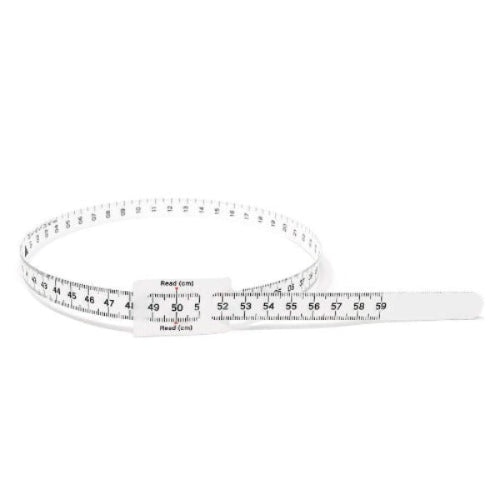
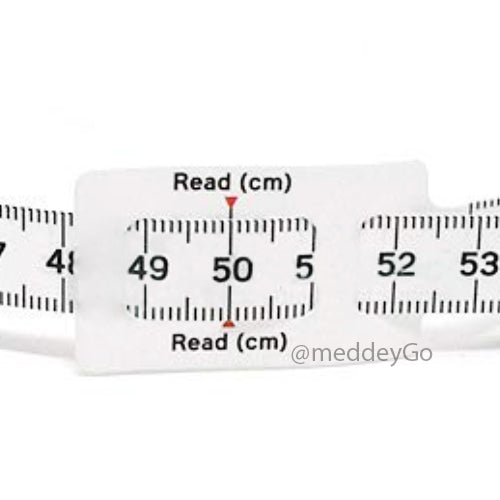
Head Circumference Measuring Tape, PVC, Reusable (Pack of 4)
Type: General Accessories
Head Circumference Measuring Tape, PVC, Reusable (Pack of 10 Pcs.)
Collection:
Understanding Head Circumference Measuring Tools
In the realm of healthcare, precision is paramount. Among the essential metrics often recorded in both pediatric and adult patients is head circumference. This seemingly simple measurement can provide critical insights into a patient's health status. Consequently, understanding the various head circumference measuring tools and their proper usage is vital for healthcare professionals. This article explores the different tools available for measuring head circumference and offers guidance on their appropriate use.

Definition and Measurement
Head circumference is the measurement of the distance around the largest part of the head. This metric is essential not just because of its simplicity, but also due to the valuable information it can provide. In the clinical setting, it serves as a non-invasive and quick method for assessing brain growth and development. The measurement is typically taken from just above the eyebrows and around the widest part of the occipital bone at the back of the skull.
Importance in Pediatrics
In pediatrics, head circumference is a fundamental parameter for tracking the growth and development of infants and children. Regular monitoring can help healthcare providers identify whether a child is growing at a normal rate. Deviations from the expected growth patterns may signal underlying health issues, warranting further investigation. Conditions such as microcephaly, characterized by a smaller-than-normal head size, or macrocephaly, with a larger-than-normal head size, can be detected early with routine measurements.
Health Implications
Abnormal head circumference readings can indicate potential health concerns, including neurological disorders, developmental delays, or genetic conditions. Early detection of these issues allows for timely intervention, which can be crucial in managing the child's health outcomes. For instance, an increase in head size could be associated with conditions like hydrocephalus, where excess fluid accumulates in the brain. Thus, regular measurements are vital for ongoing health assessments and interventions.
Common Types of Head Circumference Measuring Tools
Several tools are available for measuring head circumference, each with its own set of features and benefits. Understanding these options can help healthcare providers select the most appropriate tools for their practice.
1. Head Circumference Measuring Tape
The most common tool used for measuring head circumference is a flexible measuring tape. It's typically made from non-stretchable material to ensure accuracy. These tapes are marked in both inches and centimeters, allowing for precise measurement.
Features and Benefits
- Flexibility: The tape easily wraps around the head, accommodating various head sizes and shapes. Its flexibility ensures that it can adapt to the contours of the head without difficulty.
- Accuracy: Made from non-stretch material, the tape prevents distortion, maintaining measurement accuracy. This is crucial in ensuring that readings are consistent and reliable.
- Dual Markings: With measurements in both metric and imperial units, the tape caters to diverse healthcare settings, allowing for seamless integration into various clinical protocols.
Practical Application
In practice, these tapes are favored for their simplicity and effectiveness. They are lightweight, portable, and require minimal training for accurate use. This makes them a staple in both hospital and outpatient settings, where quick, reliable measurements are essential.
Limitations
While highly effective, traditional measuring tapes may face challenges such as wear and tear over time. Regular inspection and replacement are necessary to maintain their accuracy, ensuring that measurements remain precise over time.
2. Shakir's Tape
A Shakir's Tape is a specialized measuring tape commonly used in pediatrics. It is designed for multi-purpose use, including measuring mid-upper arm circumference (MUAC) for nutritional assessments.
Features and Benefits
- Versatility: Shakir's tape can be used for multiple measurements, making it a cost-effective tool for comprehensive assessments. It is particularly useful in settings where both head and arm circumference measurements are required.
- Color-coded: Often features color codes to indicate nutritional status, providing immediate visual feedback to healthcare providers regarding a child's health.
Practical Application
In pediatric settings, Shakir's tape is invaluable for its dual functionality. It is particularly beneficial in resource-limited settings where multiple measurement tools may not be available. The color-coding system aids in quick assessments, facilitating timely interventions.
Limitations
Although versatile, Shakir's tape may not offer the same level of precision as digital tools. It requires careful handling and regular validation against known standards to ensure its accuracy over time.

3. Digital Head Circumference Measuring Tools
Digital tools are becoming increasingly popular due to their ease of use and enhanced accuracy. These devices often feature electronic displays that provide instant readings.
Features and Benefits
- Precision: Digital tools offer highly accurate measurements, minimizing the risk of human error. This level of precision is essential for reliable assessments and clinical decision-making.
- User-Friendly: Simple to operate, these devices reduce the risk of error during measurement, enhancing user confidence and efficiency.
- Data Storage: Some models can store and track measurements over time, providing valuable data for monitoring trends and progress in patient growth.
Practical Application
Digital measuring tools are ideal for settings that require high-volume measurements or where tracking changes over time is critical. They are particularly beneficial in research environments where data accuracy and consistency are paramount.
Limitations
Despite their advantages, digital tools may present challenges such as higher initial costs and the need for regular calibration. Ensuring that these devices are maintained and calibrated properly is crucial for sustaining their accuracy.
How to Properly Measure Head Circumference
Accurate measurement of head circumference requires attention to detail and adherence to specific guidelines to ensure consistency and reliability.
Step-by-Step Guidelines
Position the Tape
Place the measuring tape above the eyebrows, ears, and around the largest part of the head at the back. Ensure that the tape is level and not tilted, as this can affect the accuracy of the measurement. The tape should be positioned at the widest part of the head to capture the true circumference.
Ensure Snug Fit
The tape should be snug but not too tight, ensuring it lies flat against the skin without compressing it. It is important to avoid squeezing the head, which can lead to inaccurate readings. The fit should be comfortable, with the tape resting gently on the skin.
Read and Record
Take the measurement at the point where the tape meets. Ensure the reading is at eye level for accuracy, preventing parallax errors. Record the measurement carefully, noting the units used (inches or centimeters) to ensure consistency in patient records.
Repeat for Accuracy
It's advisable to take two to three measurements and use the average to ensure precision. Variability in measurements can occur, so averaging multiple readings helps to minimize errors and enhance reliability.
Tips for Consistency
Consistency in measurement technique is vital for reliable data. Training all staff on the standard method and regularly reviewing procedures can help maintain consistency across different practitioners. Additionally, using the same type of measuring tool for repeated measurements enhances reliability.
Selecting the Best Head Circumference Measuring Tools
Choosing the right tool depends on the specific needs of the healthcare setting and the patient population. Here are some factors to consider:
Patient Demographics
Consider the patient population when selecting measuring tools. Pediatric settings may benefit from Shakir's tape, which caters to the unique needs of children, while general practices might prefer standard measuring tapes for their versatility and ease of use across age groups.
Budget Constraints
While digital tools offer advanced features, they may come at a higher cost compared to traditional tapes. Evaluate the budgetary constraints of the healthcare facility and balance the need for advanced features with cost-effectiveness. Traditional tapes may be more suitable for settings with limited financial resources.
Ease of Use
Ensure that staff are adequately trained in the use of any selected tool to maximize its potential. User-friendly tools that require minimal training can enhance efficiency and reduce the risk of measurement errors. Consider the training requirements and support available when choosing a tool.
Advantages of Accurate Head Circumference Measurement
Accurate head circumference measurements offer several advantages in patient care:
Early Detection
Helps identify developmental issues early, allowing for timely intervention. Early detection of abnormal growth patterns can lead to prompt diagnosis and treatment of underlying conditions, improving patient outcomes.
Growth Monitoring
Tracks growth patterns, providing reassurance or indicating potential concerns. Regular monitoring allows healthcare providers to assess whether a child is following expected growth trajectories, providing valuable information for ongoing care.
Clinical Decision-Making
Assists in diagnosing conditions related to abnormal head size. Accurate measurements are crucial for making informed clinical decisions and developing appropriate care plans for patients with atypical head growth.
Challenges and Considerations
While head circumference measurement is a straightforward process, there are challenges to consider:
Consistency
Different practitioners may measure slightly differently, so standardizing the process within a practice is crucial. Implementing standardized protocols and regular training can help minimize variability and ensure consistent measurements.
Tool Maintenance
Regularly inspect and replace measuring tapes to prevent wear and tear from affecting accuracy. Ensuring that tools are in good condition is essential for maintaining measurement precision and reliability over time.
Environmental Factors
Consider the environment in which measurements are taken. External factors such as lighting, patient positioning, and ambient temperature can impact the accuracy of measurements. Creating a controlled environment can help mitigate these influences.
Conclusion

Head circumference measuring tools are indispensable in the healthcare toolkit, providing vital data that informs patient care. By understanding the tools available, their proper use, and the importance of accurate measurement, healthcare providers can enhance their clinical practices and improve patient outcomes. Whether opting for traditional measuring tapes or embracing digital innovations, the key lies in selecting the right tool for the task and ensuring consistent, precise measurements. In doing so, healthcare professionals can continue to deliver the highest standard of care.
Integration in Healthcare Systems
By integrating these tools effectively, hospital administrators, medical equipment distributors, and healthcare technology consultants can navigate the evolving landscape of medical equipment procurement with greater confidence and precision. The choice and implementation of the right tools can streamline operations, improve patient care, and contribute to the overall efficiency of healthcare delivery systems.
Q&A
Question: Why is head circumference measured in clinical practice?
Short answer: It’s a quick, non-invasive way to assess brain growth and development. In pediatrics, routine tracking helps confirm normal growth and flag deviations that may indicate conditions such as microcephaly (small head size), macrocephaly (large head size), or issues like hydrocephalus (excess fluid in the brain). Early detection supports timely evaluation and intervention, improving health outcomes.
Question: What are the main types of head circumference measuring tools, and how do they differ?
Short answer:
- Standard non-stretch measuring tape: Flexible, accurate, dual-marked (cm/in), portable, and easy to use; requires periodic inspection and replacement.
- Shakir’s tape: Multi-purpose (e.g., head circumference and MUAC), often color-coded for quick nutritional status cues; valuable in pediatric and resource-limited settings but may be less precise than digital tools and should be validated regularly.
- Digital tools: Offer high precision, easy operation, and sometimes data storage for trend tracking; they cost more and require maintenance and calibration.
Question: How do I correctly measure head circumference?
Short answer: Position the tape above the eyebrows and ears, around the widest part of the occipital bone, keeping it level. Ensure a snug, flat fit without compressing the skin. Read at eye level to avoid parallax error, record the value with units, and repeat two to three times, using the average. Train staff in a standard method and use the same type of tool for repeat measurements to improve consistency.
Question: What can affect measurement accuracy, and how can I minimize errors?
Short answer: Variability between practitioners, worn or stretched tapes, uncalibrated digital devices, and environmental factors (lighting, patient positioning, temperature) can all reduce accuracy. Standardize the technique and train staff, regularly inspect and replace tapes, calibrate digital tools, control the measurement environment, keep the tape level and non-compressive, and average multiple readings.
Question: How should a clinic choose and integrate the best tool for its needs?
Short answer: Align the choice with patient demographics (e.g., pediatrics may benefit from Shakir’s tape; general practices often favor standard tapes), budget (traditional tapes are cost-effective; digital tools add precision and data features at higher cost), and ease of use (consider training and support). Thoughtful selection and implementation can streamline operations, support consistent, precise measurements, improve patient care, and enhance overall system efficiency.