


Type: 3 para monitor
3 Para Patient Monitor Bedside with 1 Year Warranty


Type: patient room
Chrome Plated IV Stand with Metal Base for Hospital


Type: Patient Room
Hospital Footstep Double MS Frame with Non-Slip Steps


Type: Drapes
Disposable Camera Drape in Sterile Pouch

Type: Nursing
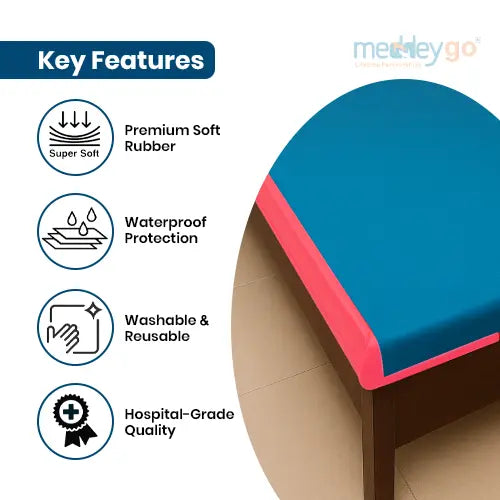
Mackintosh Sheet Mattress Protector for Bed (10m)

Type: General
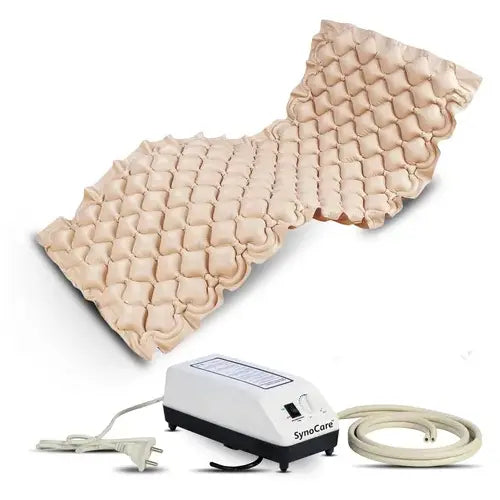
Anti Bedsore Bubble Air Mattress Portable - ROHS Compliant


Type: Consulting Room
Revolving Patient Stool 3 Leg SS Top for Clinics


Type: Consulting Room
Clinical Examination Couch Combo Set for GP Clinics
Type: Scopes
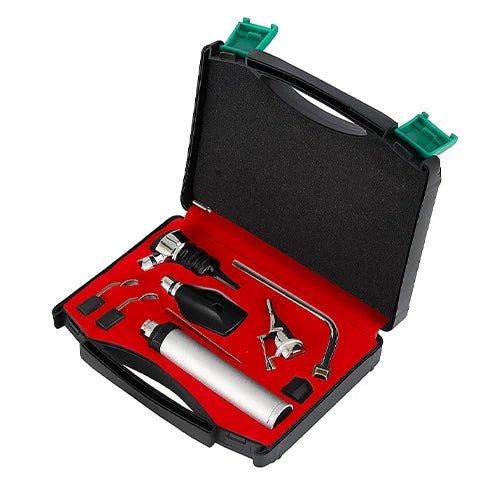
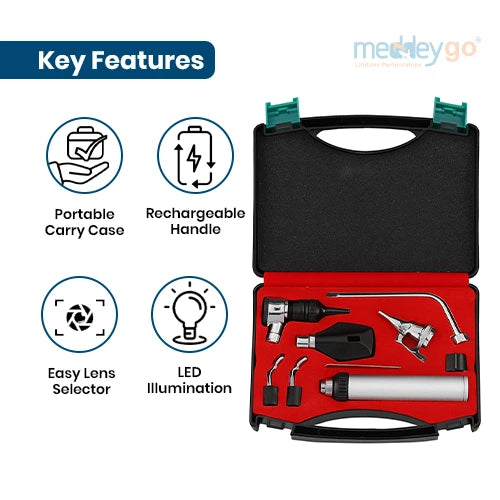
Direct Oto-Opthalmoscope Set


Type: Drapes
Disposable OT Towel 60 x 80 cm Sterile with Indicator


Type: General
Bio Dustbin Combo with Trolley for Biomedical Waste Segregation


Type: para monitor
5 Para Patient Monitor with SpO2 ECG NIBP & Stand


Type: Drapes
Disposable C Arm Drape with Sterility Indicator
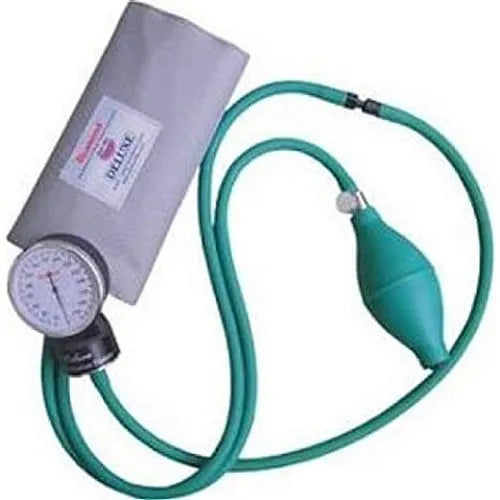
Type: Sphygmomanometer
Diamond Dial Deluxe Sphygmomanometer with Field Calibration BP Apparatus


Type: Anesthesia
Resuscitation Kit Adult for Emergency Care Hospital Use Kits
Collection:
Enhancing Patient Comfort at the Hospital Bedside
Finding yourself in a hospital bed can feel like being in the cockpit of a spaceship you don't know how to fly. Wires seem to sprout from every direction, machines beep for reasons you can't decipher, and the remote in your hand has more buttons than your television at home. This experience can be overwhelming, but you don't need to be a pilot to navigate your hospital stay. This guide is your simple user manual to take control, reduce anxiety, and focus on your comfort.
It's completely normal to feel lost amidst the activity of a hospital bedside. In fact, patient advocates and nurses often find that a major source of stress for patients isn't just their medical condition, but the unfamiliar environment itself. Feeling powerless in a new setting can hinder rest and recovery, making the challenge of enhancing patient comfort about more than just a soft pillow.
Our goal is to help you translate that confusing environment into a space you can manage. This guide will walk you through the basics, one simple step at a time, so you can learn what the most common pieces of equipment are for, why alarms aren't always a cause for panic, and how to effectively ask for exactly what you need, from pain relief to an extra blanket.
By understanding your immediate surroundings, you free up mental and emotional energy to focus on what truly matters: your healing. Taking an active role in your own care is one of the most powerful things you can do to create a less stressful, more restorative hospital experience.
Your Comfort Command Center: How to Use the Bed Remote
That remote attached to your bed rail is your personal key to getting more comfortable. While it might look complicated, you only need to focus on a few key buttons. Look for the simple icons of a person sitting up or with their knees bent. These are your controls. Just like a recliner at home, these buttons will raise the head of the bed to help you sit up or lift your feet to take pressure off your lower back. Don't be afraid to make small adjustments until you find a position that feels right.
You'll notice other buttons on the remote, sometimes with different colors or symbols like a lock or a scale. These controls are for the nursing staff. They use them for important safety functions, like locking the bed's position or activating a bed alarm that lets them know if a patient who is at risk of falling tries to get up alone. It's best to leave these buttons to your care team so they can keep you safe and the bed working properly.
A small change in your position can make a big difference in how you feel. Even raising the head of the bed just a little bit can make breathing feel easier and relieve strain on your back and lungs from lying flat. Finding that "just right" angle is one of the first and best things you can do to take back a little control and improve your own comfort throughout the day.

Your Lifeline: How to Use the Nurse Call Button
That button on your remote or on a cord attached to the bed rail is your most important communication tool. Many people hesitate to press it, worrying they might be a "bother" to the nursing staff. Please know this: your care team wants you to use it. Asking for help is expected and encouraged. The first thing you should do is make sure that button is always within easy reach. If it's not, ask a nurse or visitor to move it closer for you.
When you press the button, a light usually turns on above your room door, and a staff member at the nurses' station is alerted. Often, a voice will come through a small speaker on your wall unit---this is the intercom system. It allows the staff to quickly ask what you need. Simply tell them your name and what you need, for example: "Hi, it's Jane in room 204, I need help getting to the bathroom." If no one speaks through the intercom, they are already on their way.
Being clear helps the team respond to your needs more efficiently. There is no wrong reason to ask for help, whether your need feels big or small.
A few perfect reasons to use the call button include:
- You need help to use the bathroom.
- Your pain is returning or getting worse.
- You are thirsty or need a blanket adjusted.
- A machine in your room starts beeping.
Ultimately, using your call button is a crucial part of staying safe. Asking for help to get out of bed can prevent a serious fall, and managing pain before it becomes severe will keep you much more comfortable. Letting staff know about a new sound from a monitor is also important.
What Is That Screen and Why Does It Keep Beeping? Demystifying the Bedside Monitor
That screen with the moving lines and numbers is likely a hospital bedside monitor. Think of it as an extra set of eyes for your care team, a safety tool that constantly keeps track of how you're doing, even when they aren't in the room. It allows them to spot subtle changes quickly, providing a continuous picture of your health.
Its main job is to display your vital signs---a simple term for your body's most basic functions. This vital signs monitor usually shows your heart rate (how fast your heart is beating), blood pressure, breathing rate, and the oxygen level in your blood. Watching these numbers helps your care team make decisions without having to disturb you for every single check.
The beeping can be startling, but the most important thing to understand about a hospital monitor is that alarms are extremely common and often do not signal an emergency. The machine is built to be very sensitive, so something as simple as coughing, shifting your position, or moving your arm can make a number temporarily dip and trigger an alert. Sometimes a sensor just needs a small adjustment.
Because these alerts happen so often, your nurses are used to them. When you hear a beep, try to remember this: an alarm is a signal for a nurse to check , not a reason for you to panic. You can always press your call button to let the staff know, but rest easier knowing the machine is just doing its sensitive job.
Your Automated Helper: Understanding the IV Pole and Pump
That tall metal stand with a bag of liquid hanging from it is your IV pole, and it's almost always paired with a small electronic box called an infusion pump. Think of the pump as a very precise, automatic faucet. Its only job is to control the speed of the fluid or medicine you're receiving, making sure it's delivered at a steady, safe rate. It's one more helper in the room designed to manage a task for your nurses so they can focus on your other needs.
Much like the bedside monitor, this pump will also beep from time to time. This sound can be just as surprising, but it's rarely a cause for alarm. The two most common reasons for an IV pump to beep are very simple: either the dose of medicine is complete, or the bag of fluid is now empty. The beep is simply the machine's way of saying, "My job is done, I need attention."
When you hear that specific beep, the only thing you need to do is press your call button to let the staff know. A nurse will come to either change the bag or simply turn off the machine. For your own safety, it's important to never try to silence the alarm or adjust the buttons on the pump yourself. Just let your care team handle it.
The "Puffy Leg Wraps": Preventing Blood Clots
Along with the various beeps and tubes, you'll likely notice a pair of soft, puffy wraps around your lower legs, connected by hoses to a small, quiet machine. These are called Sequential Compression Devices, or SCDs, and they serve a very important protective role. When you spend a lot of time resting in bed, the blood in your legs can slow down, increasing the risk of forming a dangerous blood clot. These wraps are your personal defense against that risk, acting like an automated massage to keep your circulation moving smoothly.
The sensation of the wraps rhythmically inflating with air and then deflating can feel a bit strange at first. You'll feel a gentle squeeze on your calves, followed by a release, over and over again. This constant, gentle pressure is the machine doing its job perfectly. Each squeeze helps push blood up and out of your legs, preventing it from pooling and keeping you safe while you recover. Think of it as a reassuring sign that you are being protected, even while you rest.
Because they are so important for your safety, you should try to keep the wraps on as much as possible. If they feel too tight, too loose, or you need to get out of bed to use the restroom or walk, don't remove them yourself. Instead, use your call button to ask a nurse or an aide for help. They can easily adjust the fit or temporarily disconnect you from the machine.
Your In-Reach Command Center: Organizing the Overbed Table
That rolling table that glides over your lap is more than just a place for your meal tray---it's your personal command center. Making it work for you is a simple way to feel more in control and comfortable. The most important feature of this hospital overbed table with wheels is its height adjustment. Most have a simple lever or handle on the side; a light touch is all you need to raise or lower the surface, much like adjusting an office chair. This allows you to position it perfectly for eating, reading, or just keeping things within easy reach.
With your table at the right height, the next step is strategic organization. Think of this surface as prime real estate and reserve it for only your most-used items. Keeping it clutter-free prevents things from getting knocked over or lost in the bedding. This is the ideal spot for your water cup (with a straw!), your phone and its charging cable, your glasses, the TV remote, and most importantly, your nurse call button. Having these essentials right in front of you can make a huge difference in your day.
Beyond just a flat surface, many of these tables have a clever hidden feature that's perfect for passing the time. When you're ready for a little change of pace, look for a small latch or knob underneath the tabletop. Often, this allows a portion of the table to tilt up towards you, creating an angled stand. This is ideal for propping up a book, tablet, or magazine, saving you from the neck and arm strain of holding it up yourself. It's a small detail that provides a big boost in comfort.
By using your overbed table wisely, you create a small zone of convenience and order in an unfamiliar space. For your other belongings---like your bag, a change of clothes, or your toiletries---you have another storage space designed to keep your room tidy and your possessions secure.

What Is a Bedside Locker and What Belongs Inside?
That small cabinet next to your bed is your personal storage unit, often called a bedside locker or, more simply, a bedside cabinet. Think of it as the home base for the personal belongings you want nearby but not constantly in your way. Most patient bedside cabinets include a small drawer at the top and a larger cupboard space below. Its main job is to help you organize patient belongings neatly, keeping the area around your bed safe and clear for you and the hospital staff.
Having a few comforts from home can make all the difference. This cabinet is the perfect place to store items that will make your stay more comfortable without cluttering your main space.
Bedside Cabinet Checklist:
- A long phone or tablet charging cable (outlets are often far from the bed)
- Basic toiletries like a toothbrush, toothpaste, deodorant, and a comb or brush
- A comfortable change of clothes, such as pajamas or sweatpants
- A book, magazine, or puzzle book for quiet moments
- A few non-perishable snacks, as long as your diet allows
A simple way to keep everything organized is to separate items by how often you'll need them. Use the top drawer for things you might want to grab quickly, like lip balm, a notebook, or your glasses case. The larger cupboard below is then freed up for bulkier things you'll use less frequently, such as your travel bag, extra clothes, or books you've already finished. By giving everything a designated spot, you create a system that makes finding what you need effortless.
Overbed Table vs. Bedside Cabinet: A Strategy for What Goes Where
Having two surfaces to manage your things---the overbed table and the bedside cabinet---can feel like a blessing and a curse. To create order, it helps to think of them as two different zones: your "Arm's Reach Zone" and your "Storage Zone." This simple strategy helps you decide between the overbed table and bedside cabinet in a way that makes sense for your needs.
Think of your overbed table as your Arm's Reach Zone. This is your prime real estate, meant only for the items you need immediately or in the next hour---your water cup, the book you're reading, your phone, and the TV remote. The bedside cabinet, on the other hand, is your Storage Zone. It's the perfect home for everything else: your bag, extra clothes, and snacks for later. This system provides accessible storage without crowding your personal space.
Using this two-zone approach is the secret to preventing clutter in a patient's room. A clear overbed table is not only safer for staff but also makes mealtime a breeze. When your food tray arrives, you only have a few items to shift aside instead of a pile of belongings. By keeping essential items close and storing the rest, you give yourself more independence and control over your immediate environment.
What is a Bed Trapeze Bar and How Can It Help You?
Beyond the remote control, you might spot another tool designed to help you get comfortable: a handle suspended from a frame over the head of the bed. This is a bed trapeze bar. Think of it as a sturdy, well-placed grab bar, a simple piece of equipment that can make a world of difference in your mobility. Understanding this device can give you a major boost in independence right from your bed.
The real value of the trapeze is that it allows you to use your arm strength to move your body. By reaching up and grabbing the handle, you can lift or shift your hips with much less effort than trying to push up with your legs or elbows. This small act of repositioning yourself not only increases your comfort but can also reduce the need to call for help with minor adjustments, giving you more control over your own body throughout the day.
While helpful for many, the trapeze bar is especially useful if you have weakness in your legs or are recovering from abdominal or back surgery, where engaging your core muscles can be painful. It lets your arms do the heavy lifting, allowing you to change positions, scoot up in bed, or prepare to get out of bed with greater ease and less strain.
For Visitors: 5 Concrete Ways to Help at the Bedside
When someone you love is in the hospital, you want to do everything you can to help. But standing in a room full of unfamiliar equipment, it's easy to feel uncertain about what you can or should do. Shifting from a guest to a helpful hospital visitor means focusing on small, meaningful tasks that provide comfort without interfering with medical care. Your role in supporting a loved one can be incredibly powerful.
Instead of asking a general, "What do you need?" which can be tiring for a patient to answer, you can become their environmental manager. Here are five specific actions you can take that make a real difference:
- Manage the "Arm's Reach Zone." The most valuable items are often just out of reach. Make sure their water cup (with a straw), the TV remote, their phone, and the nurse call button are all within easy grasp on the bedside table. This simple act restores a huge amount of independence.
- Offer specific, low-effort choices. Rather than asking "Are you hungry?" try, "The nurse said you can have juice or broth. Would you like me to get you some?" This reduces the mental work for the patient and gives them a simple yes/no decision.
- Be a second set of ears. When doctors or nurses visit, it can be hard for a patient to absorb everything. You can listen quietly, take notes on your phone, and help your loved one remember questions they wanted to ask.
- Curate their entertainment. Hospital days can be long and boring. Offer to find a good show on TV, read a chapter of a book aloud, or help them put on a favorite podcast. This provides a welcome distraction from pain and worry.
- NEVER silence a medical alarm. This is the most important rule. Alarms are designed to get a nurse's attention. Even if it seems minor, your job is not to diagnose the sound but to get the right person. Use the call button and say, "The IV pump is beeping."
By taking on these small but vital roles, you provide immense comfort and support.
Who's Who In Your Room: A Simple Guide to the Care Team
When you press the call button, you might wonder who will walk through the door. With everyone in similar-looking scrubs, it can be hard to tell different hospital staff roles apart. For your day-to-day needs, you'll most often interact with a core team of two: a Registered Nurse and a Certified Nursing Assistant, who work together to take care of you.
Your Registered Nurse, or RN, is the clinical leader of your care team. They are responsible for the medical side of your treatment, like giving you medication, managing your IV lines, and assessing your overall condition. If you are experiencing pain, feel a new symptom, or have a question about your health, your RN is the person to talk to. They have the training to understand the big picture of your health and make decisions about your care.
Working closely with the nurse is a Certified Nursing Assistant (CNA) or Patient Care Technician (often called a "Tech"). Their role is focused on your comfort and daily activities. They are the ones who will help you get out of bed or to the bathroom, bring you a warm blanket, or take your "vitals"---which is just a quick check of your blood pressure, temperature, and heart rate. They provide essential hands-on support throughout the day.
Knowing the difference helps you get what you need faster. For instance, if you're thirsty or need help adjusting your pillows, the tech is the perfect person to ask. But for a question about your next dose of pain medicine, it's best to speak with your RN. This simple team structure helps you feel more in control, turning an overwhelming environment into a place where you know exactly who to ask for help.

From Overwhelmed to Empowered: Your Plan for a More Comfortable Hospital Stay
That tangle of wires and chorus of beeps by the hospital bedside no longer has to be a source of anxiety. Where you once may have seen a confusing and intimidating environment, you can now recognize the tools available for your comfort and safety. You've moved from being an overwhelmed passenger to a capable navigator of your own space, ready to take an active role in your well-being.
To ensure a more comfortable hospital stay, patient empowerment begins with a few simple actions. As you settle in, commit to this straightforward plan for self-advocacy.
Your Confidence Checklist:
- I will keep my essential items in my 'Arm's Reach Zone'.
- I will use my call button anytime I need help, day or night.
- I will ask questions about any machine, medication, or procedure I don't understand.
These steps are more than just a to-do list; they represent a fundamental shift in your role. By managing your space, calling for help, and seeking clarity, you transform from a passive recipient of care into an essential partner. You are the most important member of your care team. This guide has given you the tools to play that role with confidence.
Frequently Asked Questions
Question: What can I safely adjust myself to get more comfortable in bed?
Short answer: Use the bed remote to raise the head or the feet, and, if available, use the trapeze bar to help you reposition—leave the other bed controls to the staff. Small changes can make a big difference in comfort and breathing.
- Focus on the head-up and knee/leg-up buttons (usually shown with simple person icons).
- Avoid buttons with locks, scales, or other symbols—those are for the care team to manage safety features like bed locks and bed alarms.
- Even a slight head elevation can ease breathing and reduce back strain.
- If you have a trapeze bar above the bed, use it to lift or shift your hips with your arms—especially helpful if your legs are weak or you’re recovering from abdominal/back surgery.
Question: When should I press the nurse call button, and what should I say?
Short answer: Keep it within reach and use it anytime you need assistance—big or small. Give your name, room, and a clear request.
- Good reasons include: help to the bathroom, returning/worsening pain, needing water or a blanket, or if a machine starts beeping.
- After you press it, a light usually goes on above your door and staff are alerted; you may hear an intercom voice—simply say, “Hi, it’s [Name] in room [Number]. I need [specific help].”
- There’s no “wrong” reason to ask for help, and using the call button is key to safety and comfort.
Question: The monitor or IV pump keeps beeping—does that mean something is wrong? What should I do?
Short answer: Beeps are common and usually not emergencies. They’re prompts for staff to check. Press the call button and don’t try to silence or adjust equipment yourself.
- Monitors are very sensitive; coughing, shifting, or a loose sensor can trigger an alert. Alarms are signals for nurses to check, not reasons to panic.
- IV pumps often beep when a medication dose finishes or a fluid bag is empty—another “please check me” message.
- Your role: press the call button and let the care team handle it.
Question: What are the “puffy leg wraps,” and do I really need to keep them on?
Short answer: They’re Sequential Compression Devices (SCDs) that gently squeeze and release to keep blood flowing and help prevent clots while you’re in bed—wear them as much as possible.
- The rhythmic inflating/deflating is normal and means they’re working.
- If they’re uncomfortable or you need to get up, use the call button—staff can adjust the fit or temporarily disconnect them for you.
Question: How should I set up my space—what belongs on the overbed table vs. in the bedside cabinet?
Short answer: Treat the overbed table as your “Arm’s Reach Zone” for essentials you’ll use in the next hour, and the bedside cabinet as your “Storage Zone” for everything else.
- Overbed table (height-adjustable, often with a tilt feature): keep it clear and reserve it for your water (with a straw), phone with long charging cable, glasses, TV remote, and your nurse call button.
- Bedside cabinet (drawer + cupboard): store toiletries, a comfy change of clothes, reading material, and allowed snacks.
- Use the top drawer for quick-grab items (lip balm, notebook, glasses case) and the lower space for bulkier items, keeping your main surface tidy and safe.