


Type: ecg
Portable Holter ECG System 5000H


Type: Devices
Portable Finger Touch ECG Monitor PM-10 for Home and Clinic Use


Type: bp monitor
OMRON HEM 7530T Blood Pressure Monitor ECG Machine Measure Bp ECG Afib

Type: General Accessories
Niko ECG Electrodes Round 60 Pc Per Pack


Type: Manikin
ECG Training Stimulator with Normal & Abnormal Rhythms


Type:
BPL 12 Channel ECG Machine | Cardiart 9108D
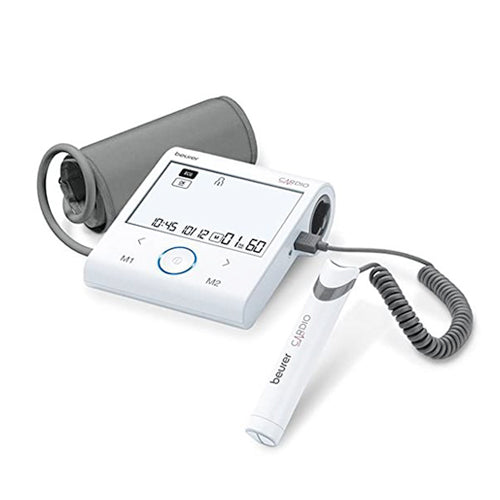
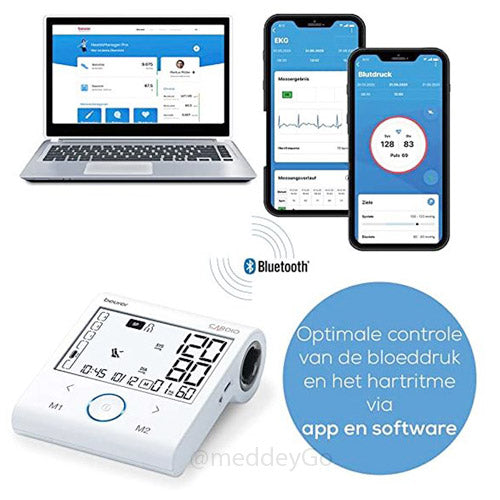
Type: Monitor
BM 96 Multi-Functional Blood Pressure and ECG Device for Heart Health Monitoring


Type: ecg machine
3 Channel ECG Machine with High Quality Waveforms


Type: ECG Machine
12 Channel ECG Machine with Auto Analysis and Diagnosis Function


Type: Device
Electrocardiogram Machine 12 Lead ECG 7 Inch Screen
Collection:
How ECG Machines Revolutionize Heart Monitoring
In today's rapidly evolving healthcare landscape, technology plays a pivotal role in enhancing patient care and diagnostic accuracy. Among the myriad of innovations, Electrocardiogram (ECG) machines stand out as a revolutionary advancement in heart monitoring. These devices provide invaluable insights into cardiac health, making them indispensable in hospitals, clinics, and even at-home healthcare settings.
An Electrocardiogram (ECG or EKG) machine records the electrical activity of the heart over a period of time. It produces a visual representation of heart rhythms, which can be analyzed to detect abnormalities such as arrhythmias, myocardial infarctions, and other cardiac conditions. By capturing the heart's electrical signals, ECG machines help healthcare providers assess heart health and diagnose potential problems.
ECG machines operate by placing electrodes on the skin, typically on the chest, arms, and legs. These electrodes detect the electrical signals generated by the heart as it beats. The signals are then transmitted to the ECG machine, which amplifies and records them for further analysis. This non-invasive procedure provides critical data that can be used to evaluate the heart's function.
Healthcare professionals rely on ECG machines to provide a baseline of cardiac health. Regular ECG testing can help detect changes in heart rhythm or structure over time, offering insights into the progression of heart disease or the effectiveness of treatments. This makes ECGs a foundational tool in both preventive and diagnostic cardiology.
ECG machines come in various forms, each suited for specific clinical needs:

- 3 Channel ECG Machine: Records three different leads or channels of the heart's electrical activity simultaneously. It is ideal for routine checks and basic cardiac assessments. These machines are often portable and user-friendly, making them suitable for small clinics and home use.

- 6 Channel ECG Machine: Offers enhanced detail by recording six leads at a time. It is commonly used in more comprehensive cardiac evaluations. This type of ECG machine strikes a balance between detail and ease of use, making it popular in outpatient settings.

- 12 Channel ECG Machine: Provides the most detailed view by recording all 12 leads at once. This is crucial for complex diagnoses and is often found in hospital settings. The comprehensive data gathered by these machines is essential for in-depth analysis of cardiac conditions, enabling precise diagnosis and treatment planning.
In addition to the standard models, there are specialized ECG machines designed for specific purposes. Holter monitors, for example, are portable devices used for continuous monitoring over 24 to 48 hours, providing detailed insights into how the heart functions over time. Stress test ECG machines are used during physical exertion to evaluate how the heart responds to increased activity levels, crucial for diagnosing exercise-induced cardiac issues.
ECG technology has dramatically transformed heart monitoring by providing real-time, accurate, and non-invasive diagnostic capabilities. This has led to several advancements in cardiac care:
- Early Detection of Cardiac Issues: ECG machines can identify potential heart problems before symptoms become severe. This allows for timely intervention, which can be life-saving. Early detection is crucial for conditions like arrhythmias, where prompt treatment can prevent more serious complications.
- Improved Patient Management: Continuous monitoring with ECG devices enables healthcare providers to track the effectiveness of treatments and adjust care plans as needed. By observing changes in heart rhythms over time, doctors can fine-tune medications and therapies to optimize patient outcomes.
- Accessibility and Portability: Modern ECG machines, such as portable and home-based models, allow patients to monitor their heart health from the comfort of their homes. This increases accessibility to cardiac care and reduces the need for frequent hospital visits. Home-based monitoring empowers patients to take charge of their health, facilitating early detection and intervention.
Recent advancements in ECG technology have further enhanced its capabilities. Innovations such as wireless connectivity and cloud-based data storage allow for seamless sharing of ECG results with healthcare providers, facilitating remote consultations and timely interventions. Additionally, artificial intelligence and machine learning algorithms are being integrated into ECG systems to assist in diagnosing complex cardiac conditions with greater accuracy.
While ECG machines are powerful tools, they are not infallible. They are excellent for detecting electrical abnormalities and some structural heart problems, but they may not identify all conditions. Other diagnostic tools, such as echocardiograms or MRIs, may be necessary for a comprehensive cardiac evaluation. These complementary tools provide additional insights into the heart's structure and function, offering a more complete picture of cardiac health.


ECG machines consist of several key components:
- Electrodes: Placed on the patient's skin to detect electrical signals. The positioning of these electrodes is crucial for obtaining accurate readings, as each placement provides a specific view of the heart's electrical activity.
- Leads: Wires that transmit the signals from the electrodes to the machine. Each lead provides a different perspective of the heart's activity, allowing for a comprehensive analysis of cardiac function.
- Amplifier: Increases the strength of the electrical signals for clearer readings. This component ensures that even the faintest electrical impulses from the heart are captured and recorded accurately.
- Display/Recorder: Shows or prints the ECG waveform for analysis. Modern ECG machines often come with digital displays and the capability to store data electronically, facilitating easier sharing and long-term monitoring.
The leads V1 through V5 refer to the placement of electrodes on the chest, which provide specific views of the heart's electrical activity. Each lead offers a different perspective, helping clinicians pinpoint issues in various parts of the heart.
- V1 and V2: Positioned on the right and left sides of the sternum, these leads focus on the right ventricle and anterior wall of the heart. They are crucial for detecting issues in these areas, such as right ventricular hypertrophy.
- V3 and V4: Placed along the left side of the chest, they provide insights into the anterior and septal regions of the heart. Abnormalities in these leads can indicate anterior myocardial infarctions.
- V5 and V6: Positioned further left, these leads give a view of the lateral wall of the heart. They are essential for diagnosing lateral wall ischemia or infarctions.
Modern ECG machines are increasingly being integrated with other medical devices, such as blood pressure monitors and pulse oximeters, to provide a more comprehensive picture of a patient's cardiovascular health. This integration allows healthcare providers to assess multiple parameters simultaneously, enhancing diagnostic accuracy and patient care.
In clinical settings, ECG machines are essential for routine check-ups, emergency diagnostics, and ongoing patient monitoring. Hospitals often use advanced models like the BPL 12 Channel ECG Machine for comprehensive cardiac assessments.
These machines are pivotal in emergency departments, where quick and accurate heart monitoring can make a significant difference in patient outcomes. In intensive care units, continuous ECG monitoring is critical for managing patients with severe cardiac conditions, allowing for immediate intervention when necessary.
With advancements in portable ECG devices, patients can now conduct ECG tests at home. Devices like the Contec 3 Channel ECG Machine offer a simplified user experience, enabling individuals to monitor their heart health regularly and share data with their healthcare providers.
At-home ECG testing is particularly beneficial for patients with chronic conditions who require regular monitoring. It reduces the burden on healthcare facilities and provides patients with the convenience of managing their health from their own homes. This approach is also valuable for early detection of changes in heart health, prompting timely medical consultations.
ECG machines are increasingly being used in telemedicine, where they enable remote cardiac assessments. Patients can conduct ECG tests at home and transmit the results to their healthcare providers via secure digital platforms. This facilitates timely consultations and interventions, particularly for patients in remote areas with limited access to healthcare facilities.
A normal ECG reading is a good indicator, but it doesn't guarantee the absence of heart problems. It's essential to consider other factors like symptoms, family history, and additional tests for a complete assessment of heart health.
Even with a normal ECG, individuals experiencing symptoms such as chest pain, shortness of breath, or palpitations should seek further evaluation. Other diagnostic tools, like stress tests or echocardiograms, may be necessary to uncover underlying issues that a resting ECG might miss. A comprehensive approach to cardiac assessment involves integrating ECG findings with clinical evaluations and additional diagnostic tests.
The normal range for ECG readings can vary based on the specific measurement, such as heart rate or QRS duration. Generally, a heart rate between 60-100 beats per minute is considered normal.
Other parameters, such as the PR interval and QT interval, also have standard ranges that help assess the heart's electrical activity. Deviations from these normal ranges can indicate potential issues, such as conduction abnormalities or electrolyte imbalances. Understanding these parameters is crucial for healthcare providers to make informed diagnostic and treatment decisions.
Regular ECG monitoring is vital for individuals with a history of heart disease or risk factors such as hypertension or diabetes. It helps track changes in heart health over time and provides valuable information for adjusting treatment plans. Consistent monitoring can lead to early detection of new or worsening conditions, allowing for prompt intervention and improved patient outcomes.
As technology continues to evolve, ECG machines are expected to become even more integrated with digital platforms, offering enhanced connectivity, data analysis, and predictive capabilities. This will further revolutionize heart monitoring, providing deeper insights and improved patient outcomes.
Artificial intelligence (AI) is poised to play a significant role in the future of ECG technology. AI algorithms can analyze vast amounts of ECG data quickly and accurately, identifying patterns that may be indicative of specific cardiac conditions. This capability can assist healthcare providers in making more accurate diagnoses and developing personalized treatment plans.
Future ECG machines are likely to offer improved connectivity features, allowing for seamless data sharing between patients and healthcare providers. This will facilitate more efficient telemedicine consultations and enable real-time monitoring of patients with chronic cardiac conditions. Enhanced connectivity can also support large-scale epidemiological studies by aggregating anonymized data from diverse populations.
Advancements in predictive analytics will enable ECG machines to identify individuals at risk of developing cardiac conditions before symptoms appear. By analyzing patterns in ECG data, these systems can provide early warnings, allowing for preventive measures to be taken. This shift towards predictive and preventive care has the potential to significantly reduce the incidence of heart disease and improve overall public health.
ECG machines have indeed revolutionized heart monitoring by providing accurate, timely, and accessible diagnostic tools for cardiac care. Whether in a hospital, clinic, or home setting, these devices play a crucial role in maintaining heart health and enhancing patient care. As technology advances, the future holds even greater promise for ECG innovations, cementing their place as a cornerstone in the realm of healthcare technology.
ECG Machine-Frequently Asked Questions
Question: What is an ECG machine and how does it work?
Short answer: An ECG (electrocardiogram) machine records the heart's electrical activity via electrodes placed on the chest, arms, and legs. The signals are carried through leads to the machine, amplified, and displayed or recorded as waveforms for analysis. Because it's non-invasive and real-time, clinicians use ECGs to detect rhythm abnormalities (arrhythmias), myocardial infarctions, and other cardiac issues, establish a baseline of heart health, and track changes over time to guide diagnosis and treatment.
Question: What's the difference between 3-, 6-, and 12-channel ECG machines, and when is each used?
Short answer:
- 3-channel ECG: Captures three leads simultaneously; portable and user-friendly for routine checks, basic assessments, small clinics, and some home uses.
- 6-channel ECG: Records six leads at once, offering more detail while remaining practical; common in comprehensive outpatient evaluations.
- 12-channel ECG: Acquires all 12 leads simultaneously for the most complete view; preferred in hospitals for complex diagnoses and detailed treatment planning.
Question: How do Holter monitors and stress-test ECGs complement standard ECGs?
Short answer: Holter monitors provide continuous recording over 24--48 hours, revealing patterns and intermittent abnormalities that a brief, in-clinic ECG might miss. Stress-test ECGs measure heart activity during physical exertion to uncover exercise-induced issues. Together, they extend ECG insights across time and physiologic stress, improving diagnostic accuracy and management.
Question: Does a normal ECG mean my heart is fine? What else should be considered?
Short answer: A normal ECG is reassuring but doesn't rule out all heart problems. Assessment should also consider symptoms (e.g., chest pain, shortness of breath, palpitations), family history, and other tests when indicated. Complementary imaging (such as echocardiograms or cardiac MRI) and stress testing can reveal structural or functional issues a resting ECG may not detect. Clinicians integrate ECG findings with the full clinical picture for a reliable diagnosis.
Question: How are ECGs used at home and in telemedicine, and what new technologies are improving them?
Short answer: Portable and home-based ECG devices let patients record and share heart data remotely, reducing hospital visits and enabling earlier intervention---especially useful for chronic conditions. Modern systems use wireless connectivity and cloud storage for seamless data sharing, integrate with tools like blood pressure monitors and pulse oximeters to broaden cardiovascular assessment, and increasingly employ AI/machine learning to assist in identifying complex patterns. These advances support timely remote consultations, continuous monitoring, and more personalized care.
Question: What's the difference between electrodes, leads, and channels in an ECG setup?
Short answer: Electrodes are the sensors placed on the skin (chest, arms, and legs) that detect the heart's electrical signals. Leads are the different "views" of the heart's activity created from those electrodes, each offering a unique perspective for analysis. Channels refer to how many leads the machine records at the same time (e.g., 3-, 6-, or 12-channel), which determines the level of detail captured and the typical clinical setting where the device is used.
Question: Why is correct placement of chest leads V1--V6 important, and what parts of the heart do they highlight?
Short answer: Accurate placement is essential because each chest lead provides a specific view of the heart. V1 and V2 (beside the sternum) focus on the right ventricle and anterior wall; V3 and V4 emphasize the anterior and septal regions; V5 and V6 look at the lateral wall. These targeted perspectives help clinicians localize problems such as right ventricular hypertrophy, anterior myocardial infarctions, and lateral wall ischemia or infarctions.
Question: When is continuous ECG monitoring essential in clinical care?
Short answer: Continuous monitoring is pivotal in emergency departments for rapid, accurate assessment that can change outcomes, and in intensive care units for managing severe cardiac conditions. It enables immediate detection of dangerous rhythm changes and supports timely interventions when every second counts.
Question: What's considered a normal heart rate on an ECG, and what else do clinicians look at?
Short answer: A resting heart rate of 60--100 beats per minute is generally normal. Clinicians also evaluate intervals such as the PR and QT, and the QRS duration, because deviations from standard ranges can signal conduction problems or electrolyte imbalances. Importantly, ECG findings are interpreted alongside symptoms, history, and other tests for a complete assessment.
Question: How do ECGs support preventive cardiology and ongoing treatment management?
Short answer: ECGs establish a baseline of cardiac health and, with regular testing, reveal changes in rhythm or structure over time. This helps track disease progression, assess treatment effectiveness, and fine-tune therapies to improve outcomes. Regular monitoring is especially valuable for people with a history of heart disease or risk factors like hypertension or diabetes, and portable/home-based devices further enhance early detection and timely care.
Question: What does an ECG machine measure, and how is the test performed?
Short answer: An ECG records the heart’s electrical activity via electrodes placed on the chest, arms, and legs. These electrodes pick up electrical signals, which are sent through leads to the machine, amplified, and displayed or recorded as waveforms. The non-invasive, real-time tracing helps clinicians detect arrhythmias, myocardial infarctions, and other electrical or some structural abnormalities, establish a baseline, and monitor changes over time.
Question: How do 3-, 6-, and 12-channel ECG machines differ, and when is each most useful?
Short answer:
- 3-channel: Captures three leads at once; portable and user-friendly for routine checks and basic assessments in small clinics or at home.
- 6-channel: Records six leads simultaneously, offering more detail while remaining practical—well-suited for comprehensive outpatient evaluations.
- 12-channel: Acquires all 12 leads in one go, providing the most complete view for complex diagnoses in hospitals and for precise treatment planning.
Question: When would a Holter monitor or a stress-test ECG be used instead of a standard resting ECG?
Short answer: Holter monitors continuously record for 24–48 hours, revealing intermittent or time-dependent abnormalities a brief, in-clinic ECG might miss. Stress-test ECGs assess heart function during exertion, uncovering exercise-induced issues. Together, they extend ECG insight across time and physiologic stress, improving diagnostic accuracy and care planning.
Question: What are the limits of ECGs, and what other tests might be needed?
Short answer: ECGs excel at detecting electrical abnormalities and some structural clues, but they don’t identify all cardiac conditions. Clinicians may add echocardiograms, cardiac MRI, or stress testing for a fuller view of heart structure and function. Even with a normal ECG, symptoms (chest pain, shortness of breath, palpitations), family history, and risk factors guide further evaluation.
Question: How are modern ECG technologies improving access and care, including at home and via telemedicine?
Short answer: Portable/home ECGs let patients record and share data remotely, reducing hospital visits and enabling earlier intervention—especially valuable for chronic conditions. Wireless connectivity and cloud storage streamline sharing with providers for timely consultations. Integration with devices like blood pressure monitors and pulse oximeters broadens cardiovascular assessment, while AI/machine learning assists in recognizing complex patterns and supports more personalized, predictive care.