Skip to content

India’s Go to Platform for Medical Supplies Procurement

medicated nebulizer

Type: Devices

Omron Portable Nebulizer NE-U200 for Home and Travel

Regular price Rs. 5,051
Sale price Rs. 5,051 Regular price Rs. 8,266
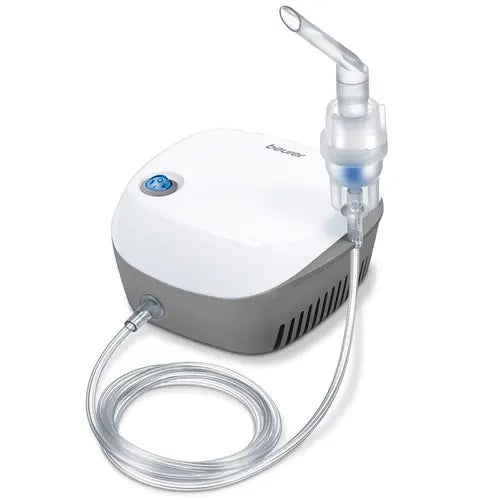
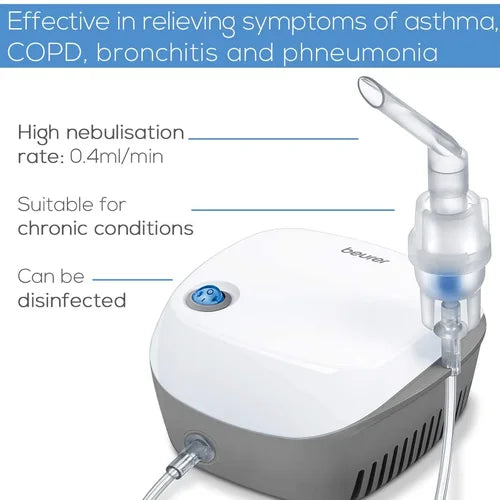
Beurer Nebulizer with 0.25 ml per min capacity and German Technology

Type: Home Healthcare

Beurer Nebulizer with 0.25 ml per min capacity and German Technology

Regular price Rs. 4,249
Sale price Rs. 4,249 Regular price Rs. 5,166
heavy duty piston nebulizer

Type: General Accessories

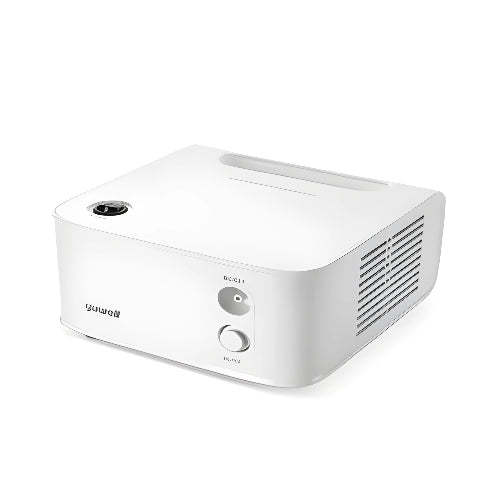
Heavy Duty-Piston Compressor Nebulizer For Hospital Use from Yuwell

Regular price Rs. 6,499
Sale price Rs. 6,499 Regular price Rs. 6,900
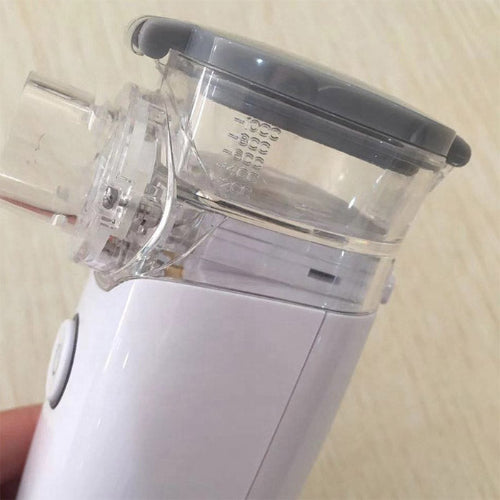
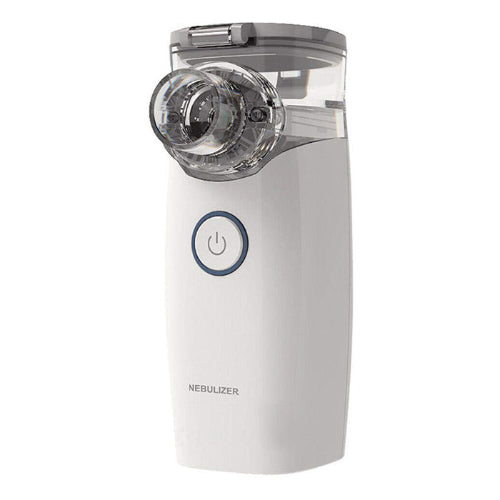
Cool Mist Ultrasonic Mesh Nebulizer Nebulizer with Rechargeable Batteries

Type: Home Healthcare

Cool Mist Ultrasonic Mesh Nebulizer Nebulizer with Rechargeable Batteries

Regular price Rs. 1,977
Sale price Rs. 1,977 Regular price Rs. 2,300
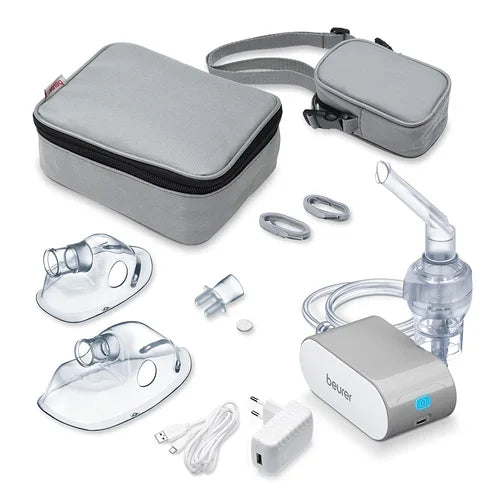
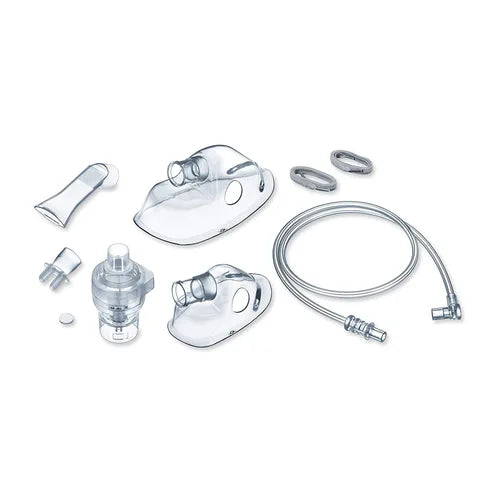
Beurer Nebulizer with 2 Masks Made in Germany

Type: Home Healthcare

Beurer Nebulizer with 2 Masks Made in Germany

Regular price Rs. 1,655
Sale price Rs. 1,655 Regular price Rs. 1,831
nebulizer medicine

Type: Patient Room

Omron Nebulizer NE-U780 Ultrasonic Machine

Regular price Rs. 36,223
Sale price Rs. 36,223 Regular price Rs. 36,423
nebulizer mask

Type: Respiratory

Nebulizer Mask Kit Premium Quality for Respiratory Therapy

Regular price From Rs. 681
Sale price From Rs. 681 Regular price Rs. 1,980
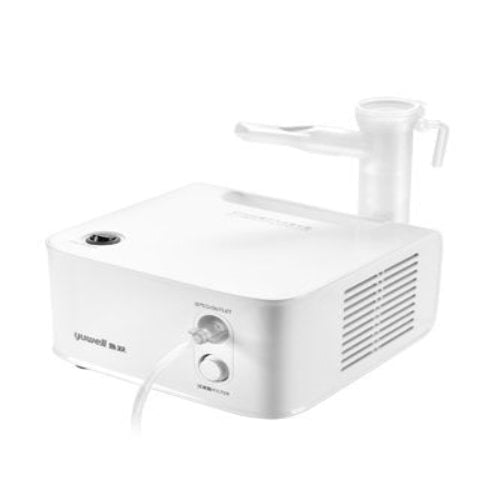
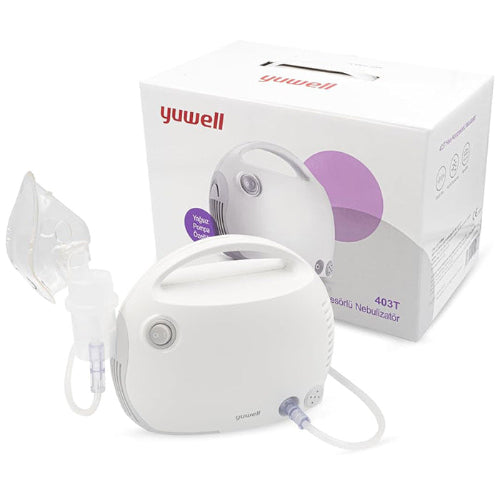
Heavy Duty Compressor Nebulizer Yuwell 403T

Type: Home Healthcare

Heavy Duty Compressor Nebulizer Yuwell 403T

Regular price Rs. 3,499
Sale price Rs. 3,499 Regular price Rs. 4,508

Collection: Nebulizer Asthma Machine | Breathe Easier Today: A Complete Guide for Better Respiratory Health

In the landscape of modern respiratory medicine, the nebulizer stands as a life-saving bridge between medication and the deep tissues of the lungs. Often referred to as a breathing machine for asthma, this device is designed to convert liquid medication into a fine, breathable mist (aerosol). This allows the medicine to bypass the digestive system and enter the bronchial tubes directly, providing rapid relief for chronic and acute conditions.

Whether you are managing a long-term condition or dealing with a sudden respiratory flare-up, understanding nebulizer uses and the technology behind them is the first step toward reclaiming your breath and improving your overall quality of life.

Quick Facts: Nebulizers at a Glance

Feature Details
Primary Function Converts liquid medicine into aerosol mist for direct lung inhalation.
Commonly Used For Asthma, COPD, Cystic Fibrosis, Bronchitis, and Croup.
Types available Jet (Compressor), Ultrasonic, and Vibrating Mesh.
Average Session Time 5 to 15 minutes depending on the device and dose.

What is a Nebulizer?

A nebulizer is an electrically powered or battery-operated machine that facilitates the delivery of various drugs, such as bronchodilators, corticosteroids, and mucolytics. Unlike a Metered-Dose Inhaler (MDI), which requires a "press-and-breathe" coordination, a nebulizer allows the patient to breathe naturally through a mouthpiece or a face mask.

This makes the breathing machine for asthma a "must-have" for specific demographics, including infants, young children, adult patients, and anyone experiencing a severe asthma attack who might lack the strength to use a manual inhaler effectively.

Top Benefits of a Nebulizer

  • Ease of Use: Requires zero coordination; simply sit and breathe normally.
  • Rapid Action: Medication reaches the lower respiratory tract within seconds.
  • Versatility: Can deliver multiple medications simultaneously in a single "cocktail."
  • Reduced Side Effects: Smaller doses are needed compared to oral medications, reducing systemic impact on the body.

How Do You Use a Nebulizer? A Beginner’s Guide

Operating a nebulizer is straightforward, but precision in setup ensures that the maximum amount of medication reaches your lungs. Whether you are using a tabletop jet nebulizer or a portable mesh version, the core steps remain consistent.

Step-by-Step Preparation & Use:

  1. Hygiene First: Wash your hands thoroughly with soap and water to prevent contaminating the medication or the nebulizer cup.
  2. Assembly: Connect the air tubing from the compressor to the base of the medication cup. Ensure the connections are tight to prevent air leaks.
  3. Adding Medication: Open the nebulizer cup and add the prescribed dose. If your medicine isn't pre-mixed, you may need to add sterile saline as directed by your doctor.
  4. Interface Choice: Attach the mouthpiece or the face mask to the top of the cup. Mouthpieces are generally preferred for adults as they deliver medication more directly to the lower airways.
  5. The Treatment: Turn on the breathing machine for asthma. You should see a fine mist. Sit upright, place the mouthpiece between your teeth, and seal your lips around it.
  6. Breathing Technique: Take slow, steady breaths. Every 4th or 5th breath, take a deep inhalation and hold it for 2–3 seconds to allow the aerosol particles to settle deep in the alveoli.

Ways to Use a Nebulizer for Asthma Management

Asthma management varies between daily maintenance and emergency response. A nebulizer is a versatile tool that adapts to both scenarios:

  • During a Flare-Up: When airways are severely constricted, using a pressurized inhaler can be difficult. A nebulizer for asthma allows you to receive a continuous flow of bronchodilators (like Albuterol) over 10–15 minutes, ensuring the "rescue" medication eventually bypasses the obstruction.
  • For Daily Prevention: Some patients use nebulized corticosteroids daily to keep airway inflammation low. This "maintenance" approach is common for those with severe persistent asthma or COPD.

Pro Tips to Increase Nebulizer Efficiency

To get the most out of your nebulizer uses, follow these advanced clinical tips used by respiratory therapists:

1. Keep it Level

Always hold the nebulizer cup vertically. Tilting it can cause the medication to pool away from the "siphon" tube, leading to wasted medicine and no mist.

2. Tap the Sides

Mid-way through the session, gently tap the side of the cup. This encourages droplets clinging to the walls to fall back into the reservoir for nebulization.

3. Check the Filter

A dirty compressor filter makes the motor work harder and reduces the air pressure. Replace filters every 30 days or if they appear discolored.

⚠️ Critical Maintenance Warning

Never submerge the tubing or the compressor unit in water. Moisture inside the tubing can lead to mold growth, which is then inhaled directly into your lungs during the next session. If the tubing looks cloudy or has droplets inside, run the compressor for 2 minutes without medication to "air dry" the line.

Why a Breathing Machine for Asthma is a Must-Have

For many, an inhaler is the first line of defense, but there are specific clinical scenarios where a breathing machine for asthma becomes non-negotiable. In 2026, healthcare providers recommend nebulizers for patients who struggle with the "coordination" required by standard inhalers.

During a severe attack, the muscles around the airways tighten so significantly that taking a deep, sharp breath—required to pull powder or spray from an inhaler—is physically impossible. A nebulizer solves this by delivering medication in a continuous stream of mist that can be inhaled with shallow, natural breaths.

Choosing Your Tech: Jet vs. Mesh vs. Ultrasonic

Understanding nebulizer uses starts with choosing the right engine for your medicine. Here is how the three main types compare:

Type Mechanism Best For Portability
Jet (Compressor) Uses compressed air to create mist. Home use, thick medications. Low (Requires AC power).
Vibrating Mesh Pushes liquid through a laser-drilled membrane. Travel, silent use, fast delivery. High (Pocket-sized).
Ultrasonic Uses high-frequency sound waves. Saline humidification. Medium.

A Breathing Machine for Asthma in Daily Life

Living with a chronic respiratory condition doesn't mean being tethered to a wall outlet. Modern advancements have integrated nebulizer uses into the active lifestyle of 2026.

For the Working Professional

Silent vibrating mesh nebulizers allow for treatments during a lunch break or even in an office setting without disturbing colleagues. They are rechargeable via USB-C, making them as convenient as a smartphone.

For Pediatric Care

A breathing machine for asthma designed for children often comes in "toy" shapes (like penguins or cars) and uses ultra-quiet compressors to reduce the anxiety associated with treatment time.

Beyond Medication: The Benefits of Saline Nebulization

One of the most overlooked nebulizer uses is the inhalation of sterile hypertonic saline. This is particularly beneficial for:

  • Mucus Clearance: Thinning out thick secretions in patients with Bronchitis or Cystic Fibrosis.
  • Airway Hydration: Soothing irritated membranes caused by dry air or pollution.
  • Cold & Flu Relief: Breaking up congestion in the upper and lower respiratory tracts.

Managing the Crisis: Using a Nebulizer During an Asthma Flare-Up

An asthma flare-up (or attack) is a medical emergency where the timing of medication delivery is everything. During these episodes, the benefits of a nebulizer become most apparent. Unlike an inhaler, which requires a sharp, forceful inhalation, a breathing machine for asthma delivers a steady "rescue" dose that can be absorbed even with the shallowest breaths.

Protocol for Flare-Up Management:

  • Stay Upright: Do not lie down. Sitting upright opens the chest cavity and allows the nebulizer uses to reach the lower lobes of the lungs more effectively.
  • Continuous Flow: If the flare-up is severe, doctors may recommend "back-to-back" treatments. Ensure your compressor is rated for continuous use to avoid overheating.
  • Mask vs. Mouthpiece: During an attack, a face mask is often better as it requires less effort from the patient to hold the device in place.
  • Monitor Oxygen: If possible, use a pulse oximeter alongside the breathing machine for asthma. If $SpO_2$ levels remain below 92% after a treatment, seek emergency hospital care immediately.

The Gold Standard for Sanitization & Hygiene

Because nebulizer uses involve breathing mist directly into the lungs, a contaminated machine can lead to pneumonia or secondary fungal infections. In 2026, healthcare standards emphasize a two-tier cleaning approach.

1. After Every Use (The Rinse)

Take apart the nebulizer cup, mouthpiece, or mask. Rinse them thoroughly under warm running water to remove any residual medication. Residual drug buildup can clog the tiny orifices of the nebulizer, reducing its efficiency over time. Shake off excess water and let the parts air dry on a clean lint-free towel.

2. The Weekly Deep Clean (Disinfection)

Once a week, you must disinfect the reusable parts. Use one of the following 2026-approved methods:

  • Vinegar Solution: Soak parts in a mixture of 1 part white distilled vinegar to 3 parts hot water for 30 minutes.
  • Boiling: If your manufacturer confirms the parts are "boilable," place the cup and mouthpiece in boiling water for 5 minutes. (Note: Never boil masks or tubing).
  • Medical Grade Soaks: Use a specialized respiratory disinfectant solution available at [MeddeyGo](https://meddeygo.com).

When to Replace Your Nebulizer Parts?

A breathing machine for asthma is only as good as its weakest component. Over time, plastic degrades and air filters clog. Follow this 2026 replacement schedule to maintain nebulizer efficiency:

Part Replacement Frequency Signs of Wear
Nebulizer Cup Every 6 Months Cracks, discoloration, or longer treatment times.
Air Filter Every 30-60 Days Filter looks grey, brown, or wet.
Tubing Every 1 Year Hardening of plastic or visible moisture/mold.

Advanced Troubleshooting: Why is my Nebulizer not Misting?

In 2026, even the most advanced breathing machine for asthma can encounter technical hiccups. Understanding how to fix these issues instantly can be the difference between a successful treatment and a missed dose during a flare-up.

  • Issue: The compressor is on, but there is no mist.
    Check: The most common cause is a clogged jet or mesh. Inspect the tiny orifice in the medication cup. If you see dried medication crystals, soak the cup in warm water. Also, ensure the tubing isn't kinked or disconnected at either end.
  • Issue: The mist is very weak or inconsistent.
    Check: This usually indicates a dirty air filter. A clogged filter restricts the air intake, reducing the pressure needed to aerosolize the liquid. Replace the filter immediately. If using a mesh nebulizer, the mesh may be reaching the end of its life cycle.
  • Issue: Water is collecting inside the tubing.
    Check: This is condensation. It happens if the air from the compressor is warmer than the room air. To fix this, simply run the compressor for 2-3 minutes with the tubing attached but *without* the medication cup. The airflow will dry the interior.

FAQ:

As we finalize this guide, we address the complex questions that patients and caregivers frequently ask about nebulizer uses in 2026.

1. Can I use a nebulizer for a common cold or cough?

While often called a breathing machine for asthma, nebulizers are highly effective for upper respiratory infections. Using sterile saline in a nebulizer helps hydrate the nasal passages and thin out thick mucus in the throat and lungs. However, you should never use over-the-counter cough syrups in a nebulizer; only use medications or saline solutions specifically labeled for inhalation.

2. Is it better to use a mask or a mouthpiece?

For most adults and older children, a mouthpiece is superior. It ensures that the medication bypasses the nose (which acts as a filter) and goes directly into the lungs. However, for infants, toddlers, or adult patients who cannot maintain a tight seal with their lips, a face mask is the standard choice to ensure the benefits of a nebulizer are still achieved through nasal breathing.

3. How long should a typical nebulizer session last?

In 2026, modern high-efficiency nebulizer units typically complete a treatment in 5 to 10 minutes. If your session is taking longer than 15 minutes, it usually means the equipment needs cleaning or the compressor is losing pressure. Prolonged sessions can lead to "mist fatigue" and reduced patient compliance.

4. Can I share my nebulizer with a family member?

The compressor (the machine itself) can be shared, but the "nebulizer kit"—which includes the tubing, medication cup, and mouthpiece/mask—must never be shared. Even with washing, microscopic bacteria and viruses can remain in the plastic, leading to cross-contamination and lung infections.

5. What is "dead volume" in a nebulizer cup?

"Dead volume" refers to the small amount of liquid medication (usually 0.5ml to 1.0ml) that remains in the cup and cannot be aerosolized. This is normal. To minimize this waste and improve nebulizer efficiency, gently tap the side of the cup toward the end of your treatment to move droplets toward the center.

6. Are portable mesh nebulizers as effective as hospital-grade ones?

Yes. The vibrating mesh technology of 2026 provides a consistent particle size (typically between 2 to 5 microns), which is the ideal size for deep lung penetration. While hospital units are built for 24/7 durability, a high-quality portable unit from MeddeyGo provides identical therapeutic benefits of a nebulizer.

The Ultimate Buyer's Checklist for 2026

Before you finalize your purchase on MeddeyGo.com, ensure your chosen breathing machine for asthma ticks these boxes:

  • Noise Level: If you need nighttime treatments, look for a unit under 50dB.
  • MMAD (Particle Size): Ensure the Mean Mass Aerodynamic Diameter is under 5 microns.
  • Warranty: Look for at least a 1-2 year manufacturer warranty.
  • Power Source: Do you need a battery-operated unit for travel or a plug-in for home?
  • Ease of Cleaning: Choose a model with "boilable" or dishwasher-safe accessories.

Take Control of Your Respiratory Health Today

A nebulizer is more than just a medical device; it is your partner in maintaining an active, healthy lifestyle despite respiratory challenges. By understanding nebulizer uses and maintaining your breathing machine for asthma, you ensure that every breath you take is deep, clear, and restorative.

Explore the curated 2026 collection of home-care and portable nebulizers at MeddeyGo—your trusted source for clinical-grade respiratory solutions in India.