
Type: Consulting Room
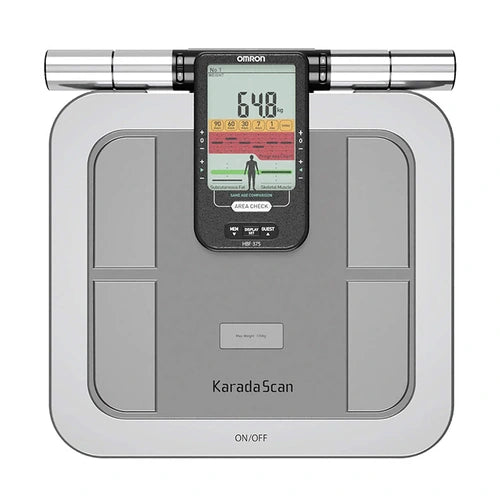
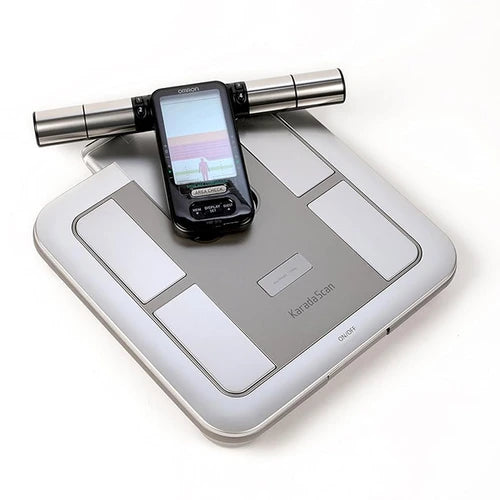
Omron Karada Scan Body Composition Monitor HBF-375


Type: Devices
Omron Portable Nebulizer NE-U200 for Home and Travel

Type: Devices
Omron HBP-1320 Blood Pressure Monitor White


Type: Devices
Omron Blood Pressure Monitor Smart Elite HEM-7600T with Bluetooth


Type: Devices
Omron HEM7600T Smart Elite Tubeless BP Monitor for Home Care


Type: Nebulizers
Omron Portable Nebulizer NE-U100 with 360° Silent Mesh Technology


Type: Patient Room
Omron Nebulizer NE-U780 Ultrasonic Machine


Type: bp monitor
Omron HBP-9030 Blood Pressure Monitoring Machine with Printer

Type: bp monitor
Omron HBP-9030: BP Monitor with Printer – Ideal for Hospitals & Clinics


Type: BP Machines
Omron 7121J Digital BP Monitor with IntelliSense & Irregular Heartbeat Detection


Type: Nebulizers
Omron NE C28 Compressor Nebulizer with Virtual Valve Technology


Type: bp monitor
OMRON HEM 7530T Blood Pressure Monitor ECG Machine Measure Bp ECG Afib
Collection:
How Omron Technology Enhances Health Monitoring
When you see the OMRON logo on a blood pressure monitor, you're looking at more than just a healthcare device; you're seeing a piece of Japanese history. To answer a common question directly: yes, OMRON is a Japanese company, founded in the historic city of Kyoto in 1933. This origin isn't just a simple fact---it is the very source of the brand's deeply ingrained commitment to quality and precision.
This heritage is rooted in a powerful Japanese philosophy known as Monozukuri. While it has no single English translation, the concept embodies the art, science, and spirit of making things. In practice, this isn't just about assembling parts on a line; it's a cultural dedication to perfecting the very process of manufacturing. It's a mindset that prioritizes craftsmanship and an unwavering responsibility for the final product's reliability.
This philosophy translates directly to the device in your home and is the core reason OMRON is trusted for accuracy. The same obsessive attention to detail required by Monozukuri is applied to every sensor and component, ensuring the vital health information you receive is as precise as possible. This commitment is why OMRON is known for producing some of the most reliable blood pressure machines made in Japan, built on a legacy of getting every detail right.
What Do Your Blood Pressure Numbers Actually Mean? A Simple Guide
When you take your blood pressure, you get two numbers, like 120/80 mmHg. It's easy to get confused, but the meaning is straightforward if you think of your heart as a pump. The top number (systolic pressure ) measures the force on your artery walls when your heart beats and pushes blood out. The bottom number (diastolic pressure) is the pressure when your heart rests between beats. The systolic is the peak pressure; the diastolic is the resting pressure.
Health experts, including the American Heart Association, group blood pressure into categories to help you understand your risk. Knowing your category is the first step in managing your cardiovascular health.
Here is what the hypertension stages chart looks like:
- Normal: Less than 120/80 mmHg
- Elevated: 120-129 systolic and less than 80 mmHg diastolic
- Hypertension Stage 1: 130-139 systolic or 80-89 mmHg diastolic
- Hypertension Stage 2: 140/90 mmHg or higher
- Hypertensive Crisis: Higher than 180/120 mmHg (Seek medical care immediately)
For example, if your reading is 140/90 mmHg, is that normal? According to the chart, it falls into the Hypertension Stage 2 category. This indicates that your heart is consistently working harder than it should to circulate blood, which over time can strain your entire cardiovascular system. It's a clear signal to consult with your doctor about potential lifestyle changes or treatment.
These categories turn numbers on a screen into actionable health knowledge. But this powerful information is only useful if you're getting an accurate reading in the first place. Small mistakes in how you measure can significantly alter your results.
Are You Measuring Your Blood Pressure Wrong? 5 Steps for a Perfect Reading
An OMRON blood pressure machine in your home is a powerful tool, but its accuracy depends entirely on how you use it. Think of it like baking: if you skip a step or measure an ingredient incorrectly, the final result won't be right. Many people don't realize that small, seemingly harmless habits---like crossing their legs or talking---can artificially raise a reading by 10 points or more, leading them to worry unnecessarily or question if their home BP monitor is accurate.
To get a reading you and your doctor can trust, follow this simple five-step routine every single time. These best practices, recommended by the American Heart Association, are the key to unlocking reliable results.
- Rest for 5 Minutes: Avoid caffeine, exercise, and smoking for at least 30 minutes before measuring. Sit quietly in a comfortable chair for five minutes to let your body and blood pressure settle.
- Sit Correctly: Keep your feet flat on the floor (don't cross your legs!) and your back straight and supported.
- Position Your Arm: Rest your arm on a flat surface, like a table, so the cuff is roughly at the same level as your heart.
- Wrap the Cuff Properly: The cuff should be snug, but not tight, and placed on your bare upper arm, about an inch above the bend of your elbow. Never measure over clothing.
- Stay Silent and Still: Don't talk or move around while the monitor is working. Just relax and breathe normally until the measurement is complete.
Following these steps helps you avoid the most common pitfalls. A full bladder, for instance, can add 10-15 points to your reading, while slouching or having an unsupported arm can also throw off the numbers. The goal is to measure your body's true resting blood pressure, not the pressure created by temporary stress or poor posture.
Consistency is just as important as technique. By measuring at the same time each day---for example, every morning before breakfast and medication---you create a reliable log of data that shows your true blood pressure trends over time. This consistent, accurate information is exactly what your doctor needs.
Upper Arm vs. Wrist: Which OMRON Blood Pressure Monitor Is More Accurate?
When choosing between an upper arm vs wrist blood pressure monitor, medical professionals consider the upper-arm cuff the gold standard for accuracy. Think of it like listening for a faint sound---you get a clearer signal the closer you are to the source. Your upper arm is simply closer to your heart, and the brachial artery where the reading is taken is larger and deeper, making it a more direct and stable place to measure. For this reason, clinical guidelines are based on upper-arm measurements, and it's the type of device you'll almost always see in a doctor's office.
This doesn't mean wrist monitors are inaccurate; it means they require more care to use correctly. The arteries in your wrist are smaller and closer to the skin, making them more sensitive to your body's position. For a wrist monitor to work properly, you must hold your wrist perfectly still and at the exact level of your heart during the entire reading. If your hand drops even a little, gravity can cause the reading to appear artificially high. This positional sensitivity is the main reason why some users report inconsistent numbers with wrist models.
So, which OMRON is the most accurate choice for you? For most people tracking their health at home, an upper-arm monitor provides the most reliable and consistent results with less room for user error. However, a wrist monitor can be an excellent and convenient option for those who travel frequently or for individuals who find upper-arm cuffs painful or have arms too large for standard cuffs. The key to success with a wrist model is mastering that heart-level position every single time. Whichever model you choose, consistently tracking your numbers is the most important step.

Beyond the Reading: Unlocking Your Health Data with the OMRON connect App
A single snapshot of your blood pressure is useful, but it doesn't tell the whole story, much like a single photo can't capture an entire vacation. A "smart" monitor paired with the OMRON connect app changes the game. Instead of you having to jot down numbers, a compatible monitor automatically and wirelessly syncs each reading to your phone. This creates a secure, long-term health diary that smooths out daily fluctuations---like a spike from morning coffee or the stress of a busy day---to reveal the true underlying patterns of your heart health over weeks and months.
This collected data becomes incredibly powerful when you talk to your doctor, especially during a telehealth appointment. Instead of trying to recall readings from memory, you can share a clear, professional report generated by the app. With a few taps, your doctor can see your blood pressure trends, morning and evening averages, and how your numbers react to medication or lifestyle changes. This provides them with a far more accurate picture to make informed decisions about your care, turning a quick check-in into a truly productive consultation.
Beyond medical appointments, seeing your health data visually can be a powerful personal motivator. You can actually watch how a new walking routine or dietary adjustments impact your numbers over time. A downward-trending line on a graph provides tangible, rewarding proof that your efforts are paying off. While the app is perfect for tracking these long-term trends, your monitor also gives you instant feedback on each measurement.
That Flashing Heart Symbol: A Guide to OMRON's On-Screen Icons
That small symbol flashing on the screen after a reading is your monitor providing instant insight into more than just the numbers. These icons are a quick, visual guide to interpreting your measurement. While a single high reading can be caused by many things, these symbols help you and your doctor spot underlying patterns that are crucial for managing your long-term health. Understanding them is a simple but powerful step in taking control of your well-being.
Most OMRON monitors use a few common symbols to provide this extra context. Here's a quick guide to what the three most important ones mean:
- Irregular Heartbeat Symbol (a heart with waves): Many modern blood pressure monitors also have AFib detection. If you see this symbol, the monitor detected a heartbeat rhythm that was over 25% faster or slower than the average rhythm during the measurement. Occasional flags can happen, but if you see it frequently, it's important information to share with your doctor.
- Cuff Wrap Guide ("OK" symbol): This icon gives you peace of mind. It simply confirms that the cuff is wrapped around your arm correctly---not too loose and not too tight---ensuring your reading is as accurate as possible.
- Morning Hypertension Symbol (a sun over a heart): This symbol appears if your weekly average for morning readings is above 135/85 mmHg. This is a key feature, as high morning blood pressure is a known risk factor for stroke.
These on-screen guides transform your monitor from a simple measurement tool into a smarter health partner. They aren't a diagnosis, but they are invaluable flags that help you have more informed conversations with your doctor. This focus on capturing a complete health picture is a principle OMRON applies beyond blood pressure, with technologies designed to manage everything from respiratory issues to nerve pain.

From Lungs to Nerves: How OMRON Manages More Than Blood Pressure
While blood pressure is a cornerstone of health, OMRON's commitment extends to other common challenges, starting with breathing. For millions living with asthma or other respiratory conditions, a nebulizer is an essential tool. This device works by transforming liquid medication into a fine, breathable mist, similar to a cool fog. This approach allows the medicine to travel deep into the lungs for fast and effective relief right where it's needed. For families seeking reliable care, finding the best home nebulizer for asthma management can be a life-changing part of their health routine, turning complex treatments into a simple, calm process.
Beyond managing respiratory conditions, OMRON also offers advanced solutions for a universal problem: pain. The company produces digital TENS units for pain relief, a drug-free alternative that uses a fascinating technology called Transcutaneous Electrical Nerve Stimulation. In simple terms, a TENS unit sends gentle, safe electrical pulses through pads on your skin near the source of pain. These pulses work to block the pain signals from reaching your brain. Think of it like creating "static" on a faulty radio channel---the original message of pain gets scrambled, providing temporary relief for sore muscles or chronic nerve issues.
These devices, along with other smart OMRON products like digital thermometers and body composition scales, highlight a broader mission to empower personal health management. Each piece of technology is designed to give you a clearer picture of what's happening inside your body and provide a way to respond. This core principle of accurately sensing a biological signal and then controlling a helpful output is the key that connects every OMRON device.
The "Sensing & Control" Secret: Why Your BP Monitor and a Factory Robot Share DNA
The process of taking your blood pressure is a perfect example of a powerful philosophy. When the cuff tightens, the machine is performing the first critical step: Sensing . It isn't just squeezing your arm; it's listening for the incredibly faint vibrations in your artery to detect your pulse. Once it has that information, it moves to the second step: Control. The machine uses the data it sensed to precisely manage the cuff's deflation and then displays your reading. This two-part formula---Sense, then Control---is the fundamental DNA embedded in nearly every piece of OMRON technology.
This core principle, which OMRON calls "Sensing & Control," is the secret that connects their diverse worlds. It's a remarkably simple but effective recipe for solving problems. First, you gather accurate information about the world, whether it's a biological signal or the position of a product on an assembly line. Second, you use that information to trigger a helpful, precise action. The incredible reliability of OMRON solutions, from healthcare to industry, comes from mastering these two steps. This approach delivers clear OMRON benefits, ensuring both personal well-being and industrial quality.
This same logic applies on a much grander scale. Instead of sensing a pulse, a tiny sensor on a production line "senses" whether a soda bottle has been filled to the correct level. Based on that data, the system "controls" a robotic arm to either apply a cap or reject the bottle. The core action is identical to your BP monitor: Sense, then Control. This very principle is working around the clock, invisibly, to ensure the quality of countless products you use every day.
Did OMRON Help Make Your Smartphone? The Invisible World of Automation
While you won't find an OMRON logo stamped on your phone, the company's technology was almost certainly a critical part of the process that built it. This is the world of industrial automation, OMRON's primary business and the hidden force that ensures the quality of countless products. In sprawling factories, the "Sensing & Control" principle operates on a massive scale. Hundreds of tiny sensors and switches work in perfect harmony to assemble complex devices with a level of precision that would be impossible for human hands alone.
This same omron technology extends far beyond electronics. Think about the last snack you ate. An OMRON sensor likely checked that the bag was sealed correctly to guarantee freshness. On the assembly line for a new car, another sensor ensures a door panel is aligned to the millimeter before it's attached. Many of these systems use what are essentially super-powered eyes---tiny, high-speed cameras that inspect thousands of items per minute for microscopic flaws, from the printing on a label to the integrity of a weld.
The goal of these advanced omron solutions is to deliver the consistency and safety we've all come to expect. They are the tireless digital workers that make sure every product is made to the exact same standard, whether it's the first one off the line or the millionth. This automation doesn't just make production faster; it makes products better, safer, and more reliable for everyone.
The Factory's 'Brain': What Is a PLC and Why Is It Everywhere?
The central brain of the factory floor is the Programmable Logic Controller, or PLC. Think of it as the ultimate task manager. While the sensors are the eyes and ears, the PLC is the part that receives all that information and makes split-second decisions. It's the central nervous system of modern manufacturing, a specialized, rugged computer built to run 24/7 in demanding industrial environments and coordinate hundreds of actions at once.
The "programmable" aspect is key. Engineers provide the PLC with a clear set of "if-then" instructions that dictate the entire workflow. For example: If a sensor spots a bottle with a crooked label, then signal a robotic arm to gently push it onto a rejection line. If a batch of cookies has finished baking, then start the conveyor belt to the cooling station. This fundamental logic allows an omron automation system to manage countless complex steps in perfect harmony.
As a pioneer in this field, OMRON is one of the world's leading creators of these industrial brains. An omron plc is the core component that brings the company's "Sensing & Control" philosophy to life, turning individual parts into a cohesive, intelligent system. This powerful combination of omron technology is the backbone of how things are made.
How OMRON Technology 'Thinks': The Final Piece of the Puzzle
The true leap forward in automation is creating a system that can learn from its experiences. This is where OMRON expands its core philosophy to "Sensing & Control + Think." The "Think" layer is the final, crucial piece. It involves gathering all the vast amounts of data generated by the sensors and controllers, analyzing it for patterns, and using those insights to make smarter decisions for the future. This advanced omron technology turns a simple process into a self-improving one.
Consider your car. A simple sensor might tell you your tire pressure is low---that's "Sensing & Control." But a system with a "Think" layer could analyze data over months and notice that one specific tire consistently loses pressure faster than the others. Using a form of omron AI, it could then predict a slow leak and advise you to get it checked before you end up stranded. It's the difference between reacting to a problem and proactively preventing one.
This predictive power is what transforms modern manufacturing. Instead of just running until a part breaks, intelligent omron solutions can forecast when a machine needs maintenance, saving companies from costly shutdowns. This same three-part logic of "Sense, Control, and Think" underpins everything from a factory that fine-tunes its own energy use to the advanced healthcare devices that analyze health trends over time. It's how OMRON connects its expertise across vastly different fields, all with the goal of creating a safer, more efficient, and healthier world.
Your Top Health Questions Answered: BP, Diet, and More
While OMRON's "Sense, Control, and Think" philosophy is changing entire industries, its most personal impact is often felt right in our own living rooms. Owning a blood pressure monitor is a powerful step toward managing your health, but it often comes with questions. To help you get the most accurate picture of your health, we've gathered clear, straightforward answers to some of the most common queries we hear.
- Is it better to check BP on the left or right arm? For your very first measurement, it's a good idea to check both arms. After that, consistently use the arm that gave the higher reading. If the readings are similar, standard practice is to use the left arm, as it is closer to the heart.
- What's the best time of day to check blood pressure? The most important rule is to measure at the same time each day. Many find that morning, after resting for a few minutes but before coffee or medication, provides a stable baseline reading for the day.
- Can drinking lots of water lower blood pressure? While staying hydrated is essential for your overall health, drinking water isn't a quick fix for high blood pressure. Severe dehydration can cause your blood pressure to drop, but simply drinking more water won't directly lower a chronically high reading.
- Are eggs bad for high blood pressure? This is a persistent myth. For most individuals, the cholesterol in eggs has little to no effect on blood cholesterol levels or blood pressure. As part of a balanced diet, eggs are a perfectly healthy source of protein.
- What is the lifespan of an OMRON BP machine? Your OMRON monitor is a durable medical device built to last for years with proper care. However, the arm cuff is the component that experiences the most wear. To maintain accuracy, it's recommended to replace the cuff every one to two years.
Understanding these small details empowers you to take an active role in your own wellness. This very principle---using precise data to understand a situation and make better decisions---is the simple but powerful idea that connects an OMRON blood pressure monitor to the complex systems that shape our world.
From a Health Device to a Worldview: What OMRON Teaches Us
The OMRON name on a device represents more than trusted health information; it's part of a much larger story. The same obsessive focus on precision that ensures a factory robot builds a car's safety system correctly is what gives you confidence in the blood pressure reading you take in your living room. It's a shared commitment to sensing accurately and controlling precisely, whether on an assembly line or on your arm.
This understanding transforms how you can approach your own wellness. When you use a device for at-home heart health monitoring, see it as more than just a machine. OMRON's technology turns a complex biological signal into a clear data point. Treat that number as your personal insight---a simple, powerful first step toward taking a more active role in your health journey.
By understanding the technology in your hands, you shift from being a passive patient to an informed manager of your own health. The same principle of precision that helps build the world around you is now a tool for building a better understanding of you.
Product Overview
To begin with, the brand focuses on digital health monitoring that is accurate, easy to use, and ready for both home and professional settings. In addition, omron healthcare devices are clinically proven and widely used around the world for hypertension screening, respiratory support, and lifestyle tracking.
On MeddeyGo’s Omron collection page, you will therefore find three main groups of products:
Blood pressure and ECG devices
- HEM-7361T Bluetooth BP monitor with AFIB detection
- Smart Elite HEM-7600T BP monitor
- HEM-7600T tubeless Bluetooth BP unit
- HEM-7530T BP + ECG monitor
- HBP-1320 professional blood pressure monitor
- HBP-9030 BP monitor with printer
Respiratory therapy devices
- Nebulizer C-900 (NEC-900)
- NE-U200 portable nebulizer
- Ultrasonic NE-U780 nebulizer
Body composition and weight management
-
Karada Scan HBF-375 body composition monitor
Key Features & Benefits
1. Blood Pressure and ECG Devices
To start, the omron blood pressure monitor range has been refined over decades. Furthermore, many models are clinically validated and used in studies as well as routine practice.
Common benefits across these BP devices:
- Firstly, one-touch measurement with clear digital displays
- Secondly, reliable readings that match clinical standards
- Thirdly, cuff designs that help reduce placement errors
- Additionally, memory functions to store readings for one or more users
- Finally, compact housings that suit clinics, home visits, and telehealth workflows
HEM-7530T BP + ECG
- On one hand, it combines a full omron blood pressure monitor with ECG measurement in one compact device
- On the other hand, it is ideal for clinics that want fast rhythm checks without a full ECG machine
2. Nebulizers
The Omron nebulizer range supports both paediatric and adult patients with asthma, COPD, and post-infection wheeze. Moreover, devices in this line are simple and reliable, with a strong focus on fine aerosol delivery.
Key models on MeddeyGo include:
- Nebulizer C-900 (NEC-900) – compressor-based unit for routine use in clinics and home care
- NE-U200 – compact, portable Omron nebulizer for travel and home therapy
- Ultrasonic NE-U780 – silent, professional device with timer, high-volume operation, and easy cleaning, suited to hospital and clinic setups
Benefits of choosing an Omron nebulizer:
-
Firstly, consistent particle size and steady output
-
Secondly, quiet operation on ultrasonic models, which comforts children and anxious adults
-
Additionally, clear displays and simple controls, especially on NE-U780
-
Finally, easy-to-clean parts that support infection control
3. Body Composition and Weight Management
The Karada Scan HBF-375 is more than a scale. Instead, it is a segmental body composition monitor that uses advanced sensing to estimate visceral fat, muscle mass, BMI, and more.
Benefits:
- Firstly, insight into fat and muscle distribution rather than weight alone
- Secondly, up to four user profiles, suitable for families or small clinics
- Additionally, a clear digital display that supports quick counselling sessions
Technical Specifications
| Model | Type | Core Function | Typical Setting |
|---|---|---|---|
| HEM-7361T | omron blood pressure monitor | BP + AFIB detection, Bluetooth, dual user | Home, cardiology OPD, telemedicine |
| Smart Elite HEM-7600T | omron bp machine | Tubeless wrap cuff, smartphone sync | Home, clinic waiting area |
| HEM-7530T | BP + ECG monitor | BP, ECG, AFIB screening in one device | Clinics, corporate health camps |
| HBP-1320 | Professional BP monitor | High-volume BP readings, robust design | Hospitals, nursing homes |
| HBP-9030 | omron bp machine with printer | BP measurement plus printed slips | OPDs, diagnostic centres |
| C-900 (NEC-900) | Omron nebulizer | Compressor nebulization | Clinics, home respiratory care |
| NE-U200 | Portable Omron nebulizer | Compact, travel-friendly therapy | Home, field camps, step-down care |
| Ultrasonic NE-U780 | Professional Omron nebulizer | Silent, high-volume nebulization with timer | Hospitals, long-stay units |
| Karada Scan HBF-375 | Body composition monitor | Weight, fat, visceral fat, muscle data | Clinics, gyms, wellness centres |
Applications / Use Cases
Hypertension Screening and Follow-Up
India has a rising burden of hypertension, and home BP monitoring is increasingly becoming a key part of control strategies. Consequently, an omron bp machine or omron blood pressure monitor can be used in:
- OPDs, to get quick readings before consultations
- Wards and ICUs, as backup for bedside monitors
- Home visits by nurses and paramedics
- Patient homes, where families record readings between visits
Telemedicine and Remote Care
Moreover, Bluetooth-enabled models, such as HEM-7361T and Smart Elite HEM-7600T, support smartphone apps and cloud storage. As a result, they fit well in:
- Teleconsultation clinics that want patients to send BP logs
- Hybrid setups where nurses do home readings and upload data
- Corporate wellness programmes that track BP history over time
Respiratory Clinics and Home Nebulization
Asthma, COPD, and post-viral coughs often need inhaled therapy. In such cases, an Omron nebulizer gives a simple way to deliver medicine without complex timing or techniques.
Use cases include:
- Paediatric OPDs with dedicated nebulization corners
- Wards managing acute attacks or exacerbations
- Home respiratory programmes where families use a device under medical advice
- Outreach camps that need portable NE-U200 units
Lifestyle, Rehab, and Wellness Centres
Additionally, the combination of an omron blood pressure monitor, a body composition monitor, and an Omron nebulizer can support complete lifestyle clinics. BP values signal cardiovascular risk, while body composition shows fat and muscle trends.
Typical setups:
- Metabolic clinics tracking patients before and after diet plans
- Physiotherapy centres that monitor muscle gain during rehab
- Corporate wellness camps that run quick BP and fat-percentage checks
Why Choose Omron from MeddeyGo?
Global Brand Strength + Local Focus
To begin with, omron healthcare is a global leader in clinically proven monitoring devices and has sold hundreds of millions of digital BP monitors worldwide. Furthermore, the company is expanding in India with local manufacturing and a stronger supply chain for BP monitors and ECG devices.
This combination means you get:
- Firstly, a brand that doctors and pharmacists recognise
- Secondly, support for both home and professional users
- Additionally, ongoing innovation in features such as AFIB detection and Bluetooth
Curated Range for Real-World Use
Moreover, MeddeyGo does not list every product from omron healthcare. Instead, the category focuses on devices that are proven and practical for Indian clinics and households.
You get:
- A complete spread of omron bp machine options, from home to hospital models
- Multiple Omron nebulizer choices for different therapy settings
- A single body composition monitor that covers most clinic needs
Simple Online Buying and Support
Finally, on the MeddeyGo Omron collection page, you can:
- View current pricing and deals in one place
- Filter for devices that are in stock now
- Order online with GST invoicing
- Use bulk order and support channels for larger setups
Quick Comparison Table
| Need | Suggested Product Type | Example Device | Why It Fits |
|---|---|---|---|
| Family home BP checks | omron blood pressure monitor | HEM-7361T, HEM-7600T | Easy to use, AFIB screening, app support |
| High-volume OPD readings | Professional omron bp machine | HBP-1320 | Robust build, clear display, fast cycle |
| Printed BP slips for files | omron bp machine with printer | HBP-9030 | Instant printouts for patient records |
| Paediatric asthma corner | Omron nebulizer | C-900 (NEC-900) | Simple compressor unit for repeated use |
| Quiet ward nebulization | Ultrasonic Omron nebulizer | NE-U780 | Silent, timer-based, high-volume use |
| Body fat and muscle tracking | Body composition monitor | Karada Scan HBF-375 | Shows visceral fat, muscle, BMI, and more |
Omron Buying Guide / Expert Tips
1. Picking the right omron bp machine
First, decide if you need a home or professional device. Next, for home, choose a simple omron blood pressure monitor with a clear screen and memory. Additionally, for clinics, consider HBP-1320 or HBP-9030 if you want faster readings and printouts. If AFIB screening matters, then look at HEM-7361T or HEM-7530T. Finally, check cuff size and confirm it matches your common arm measurements.
2. Choosing a nebulizer from this brand
To start, for OPDs and wards, pick a model that can handle many sessions per day, such as C-900 or NE-U780. For home care or travel, a portable NE-U200 works well. Moreover, think about noise levels, cleaning steps, and how often the device will run in one day.
3. Deciding on body composition tools
If you run a lifestyle or rehab clinic, then add Karada Scan HBF-375 to your omron healthcare kit. Additionally, check how many users can store profiles. Finally, plan where you will place the device and how you will show reports to patients.
Frequently Asked Questions
Is Omron a reliable brand for BP monitors and nebulizers?
Yes. omron healthcare is a global leader in clinically proven BP monitors and respiratory devices. Moreover, it has a long record of innovation in home BP monitoring and is widely recommended by clinicians.
How do I choose between a home omron bp machine and a professional model?
Generally, if you need readings for one family, a home omron blood pressure monitor is enough. However, for OPDs, nursing homes, or health camps, a professional omron bp machine such as HBP-1320 or HBP-9030 handles more cycles, more patients, and record-keeping better.
Can a home nebulizer from this brand replace an inhaler?
Not always. A nebulizer is useful if patients cannot coordinate inhaler use, such as small children or older adults. Nevertheless, inhalers stay important in many treatment plans, so the doctor should decide when a nebulizer is right and how medicine should be delivered.
Does the Karada Scan HBF-375 help in clinical decisions?
It offers detailed data on fat, visceral fat, muscle, and BMI. Consequently, these values support lifestyle counselling and follow-up but do not replace clinical judgement or lab tests. Clinics can therefore use the device alongside an omron bp machine for a fuller picture.
Are products from this brand on MeddeyGo original and covered by warranty?
Yes. MeddeyGo sources devices from authorised channels and issues GST invoices, so buyers get genuine products with valid warranty support from omron healthcare partners in India.
Question: What makes OMRON blood pressure monitors so accurate and trustworthy?
Short answer: OMRON’s accuracy comes from a Japanese manufacturing heritage rooted in Monozukuri—the craft and discipline of perfecting how things are made—paired with its “Sensing & Control” philosophy. Every sensor and component is built with obsessive attention to detail, so the device first “senses” your pulse precisely and then “controls” cuff deflation to calculate your reading. This legacy of precision manufacturing, begun in Kyoto in 1933, is why OMRON’s monitors are widely trusted for reliability at home and in clinical settings.
Question: What do my systolic and diastolic numbers mean, and when should I be concerned?
Short answer: Think of your heart as a pump: the systolic (top number) is the peak pressure when your heart beats, and the diastolic (bottom number) is the resting pressure between beats. Using common categories: Normal (<120/80), Elevated (120–129/<80), Hypertension Stage 1 (130–139 or 80–89), Hypertension Stage 2 (≥140/90), and Hypertensive Crisis (>180/120—seek immediate care). For example, 140/90 mmHg is Stage 2, signaling it’s time to talk with your doctor about lifestyle changes or treatment. These categories turn raw numbers into actionable guidance—but only if the measurement is taken correctly.
Question: How can I get the most accurate home blood pressure reading every time?
Short answer: Follow a consistent, five-step routine: (1) Rest quietly 5 minutes and avoid caffeine, exercise, and smoking for 30 minutes beforehand; (2) Sit with feet flat and back supported; (3) Support your arm at heart level; (4) Place the cuff snugly on your bare upper arm, about an inch above the elbow; (5) Stay silent and still during the reading. Avoid common pitfalls: a full bladder can raise readings by 10–15 points, and talking, crossed legs, slouching, or an unsupported arm can also skew results. Measure at the same times daily—e.g., each morning before breakfast and medication—to build a reliable trend your doctor can use.
Question: Should I choose an upper-arm or a wrist OMRON monitor?
Short answer: Upper-arm monitors are the clinical gold standard because they measure at the brachial artery—closer to the heart and more stable—so they’re typically the most consistent for home tracking. Wrist monitors can be accurate but are more position-sensitive; you must hold your wrist perfectly at heart level and keep still throughout the measurement. Choose an upper-arm model for the most reliable results, and consider a wrist monitor if you travel often, find upper-arm cuffs uncomfortable, or need a different fit—just master the heart-level technique.
Question: How do the OMRON connect app and on-screen icons help me manage my health?
Short answer: A compatible “smart” monitor automatically syncs readings to the OMRON connect app, creating a secure, long-term record that reveals true trends beyond day-to-day swings. You can share clear reports (e.g., morning/evening averages) with your doctor—ideal for telehealth—and see how habits or medications affect your numbers over time. On the device itself, icons add instant context: the Irregular Heartbeat symbol (heart with waves) flags rhythm irregularities during a reading; the Cuff Wrap Guide (“OK”) confirms correct cuff placement; and the Morning Hypertension symbol (sun over a heart) appears if your weekly morning average exceeds 135/85 mmHg. These are not diagnoses but important signals to discuss with your clinician.