


Type: 3 para monitor
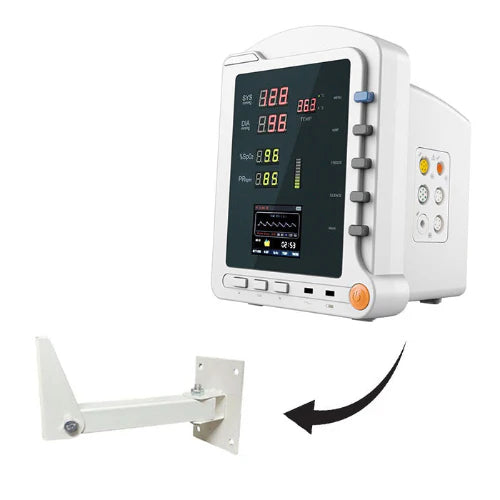
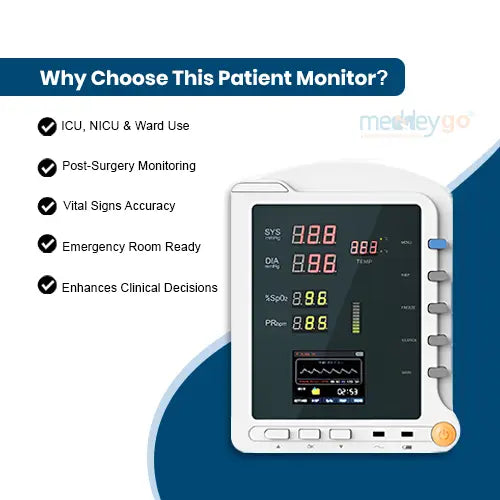
3 Para Patient Monitor Bedside with 1 Year Warranty
Type: 3 para monitor
3 Para Monitor NIBP, PR SpO2 with Stand with 1 Year Warranty


Type: para monitor
Contec 3 Para Monitor | Bed Side Monitor with NIBP SpO2


Type: 3 para monitor
Contec CMS 5100 SpO2 NIBP Patient Monitor

Type: para monitor
3 Para Bed Side Monitor

Type: para monitor
5 Para Monitor Veterinary
Type: para
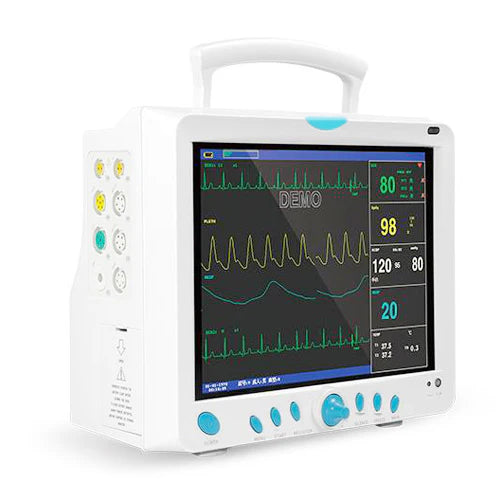
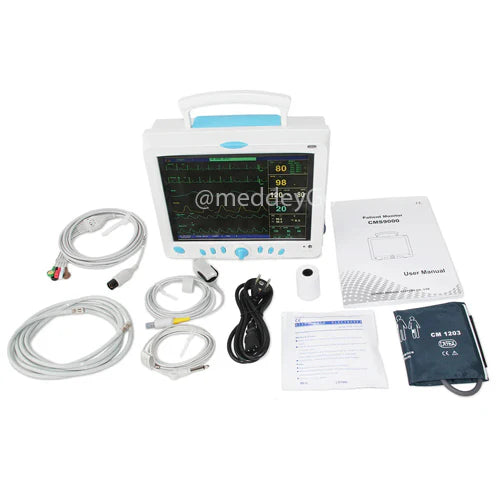
CONTEC CMS 9000 5 Para Monitor ECG, NIBP, Sp02, Pulse Rate, NIBP and TEMP


Type: 3 para monitor
3 Para NIBP Patient Monitor LED ICU Bedside Monitor


Type: Device
3 Para Bed Side Patient Monitor with Wall Mounted Stand

Type: Devices
5 Para Monitor 15 Inch TFT, Adult and Pediatric Accessories


Type: para monitor
5 Para Bed Side 12.1 Inch Touchscreen


Type: Diagnostic Equipment
5 Para Bed Side Monitor 15 Inch Display X-5 M


Type:
Philips Goldway GS20 Patient Monitor for Hospitals

Type: Devices
Multi Purpose Para Monitor Flight 9000 with ETCO2

Type: Devices
Multi Purpose Para Monitor Flight 9000
Collection:
Advantages of 3-Parameter Patient Monitors

3-parameter patient monitors are medical devices designed to track three fundamental physiological parameters: heart rate, respiratory rate, and oxygen saturation. These monitors provide real-time data that is crucial for assessing a patient's health status, especially in critical care settings. Let's delve into the specific advantages they offer.
Simplicity and Ease of Use
One of the primary benefits of 3-parameter patient monitors is their simplicity. The interface is designed with user-friendliness in mind, ensuring that healthcare professionals can quickly and effectively navigate the system. This ease of use extends to training, where minimal time and resources are needed to get staff up to speed.
Moreover, the straightforward nature of these monitors reduces the potential for user error. With less complexity in operation, caregivers can focus more on patient care rather than being bogged down by intricate technology. This simplicity also makes them ideal for use in high-stress environments where quick decision-making is crucial.
Additionally, the intuitive design of 3-parameter monitors means they can be integrated seamlessly into existing hospital workflows. Whether it's a seasoned physician or a trainee nurse, the learning curve is minimal, which aids in maintaining consistent patient monitoring without disruption.
Cost-Effectiveness
In a healthcare environment where budget constraints are a constant concern, 3-parameter patient monitors offer a cost-effective solution. Their affordability stems not just from their initial purchase price but also from the long-term savings they provide. These monitors require less maintenance and fewer resources to operate effectively.
Their cost-effectiveness makes them accessible to a broader range of healthcare facilities, including those in rural or underserved areas. By providing essential monitoring capabilities without the hefty price tag, these devices help bridge the gap in healthcare disparities.
Furthermore, the investment in 3-parameter monitors can lead to significant cost savings in patient care. Early detection of health issues and effective monitoring can reduce the need for more expensive interventions, hospital readmissions, and prolonged stays, all of which contribute to overall healthcare savings.
Portability and Versatility

The compact and lightweight design of 3-parameter patient monitors enhances their portability. This portability is crucial for patient care in dynamic environments, such as emergency rooms or during patient transport. The ability to easily move these monitors ensures continuous monitoring, which is vital for maintaining patient safety.
Their versatility is not limited to mobility within a single facility. 3-parameter monitors are also suitable for use in a variety of healthcare settings, from large hospitals to small clinics and even home healthcare environments. This adaptability makes them a valuable asset across different levels of care.
Moreover, the design of these monitors allows for easy integration with other medical equipment and systems. Whether in an operating theater or a general ward, their compatibility with existing technology ensures that patient monitoring is comprehensive and uninterrupted, regardless of the setting.
The Role of 3-Parameter Monitors in Patient Care
3-parameter patient monitors play a crucial role in improving patient outcomes by providing healthcare professionals with timely and accurate data. Here's how they contribute to enhanced patient care:
Early Detection of Health Issues
By continuously monitoring vital signs, these devices enable early detection of potential health issues. The ability to monitor heart rate, respiratory rate, and oxygen saturation in real-time allows healthcare providers to identify abnormal trends that might indicate a deteriorating condition.
Early detection is particularly beneficial in preventing complications. For instance, recognizing a drop in oxygen saturation early can lead to prompt oxygen therapy, potentially averting respiratory distress or failure. Similarly, changes in heart rate can signal cardiac issues that require immediate intervention.
Furthermore, early detection facilitated by these monitors contributes to better long-term outcomes. By addressing health issues promptly, the risk of progression to more severe conditions is minimized, ultimately improving the patient's quality of life and reducing the burden on healthcare resources.
Streamlined Patient Management

The real-time data provided by 3-parameter monitors streamlines patient management. This data-driven approach allows healthcare professionals to tailor treatment plans based on the most current information, ensuring that interventions are both timely and appropriate.
The alarms and alerts integrated into these monitors play a critical role in patient management. They provide caregivers with immediate notifications of critical changes, allowing for rapid response. This feature is invaluable in acute care settings where every second counts.
Additionally, the continuous flow of data from these monitors supports effective communication among the healthcare team. With everyone on the same page regarding a patient's status, collaboration is enhanced, leading to more cohesive and coordinated care.
Enhancing Patient Safety
Patient safety is at the forefront of healthcare priorities, and 3-parameter monitors significantly contribute to this goal. By providing constant surveillance of vital signs, they act as an extra set of eyes, ensuring that any deviations from normal parameters are quickly addressed.
The continuous monitoring capabilities help mitigate risks associated with sudden health changes, providing peace of mind to both caregivers and patients.
Moreover, the integration of alarm systems and automated alerts enhances the ability of healthcare providers to maintain vigilance over multiple patients simultaneously, which is particularly beneficial in busy hospital settings where staff might be stretched thin.
Comparing Types of Patient Monitors
While 3-parameter monitors offer significant advantages, it's important to understand how they compare to other types of patient monitors. Here's a brief overview of the different types and their uses:
Single-Parameter Monitors
These monitors track only one physiological parameter, such as heart rate or blood pressure. They are typically used for specific monitoring needs and are not as versatile as multi-parameter monitors. Single-parameter monitors are often employed in situations where detailed monitoring of one specific vital sign is required.
Despite their limited scope, single-parameter monitors serve a crucial role in particular medical settings. For example, they are frequently used in outpatient clinics or during routine check-ups where comprehensive monitoring is unnecessary. Their specificity allows healthcare providers to focus on particular health metrics that are of immediate concern.
However, the lack of versatility in single-parameter monitors means they are less suitable for environments that require comprehensive patient assessment. In such cases, multi-parameter monitors, including 3-parameter devices, offer a broader view of the patient's health status, facilitating more informed clinical decisions.
Multi-Parameter Monitors
These devices track multiple physiological parameters simultaneously and are often used in intensive care units (ICUs) for comprehensive patient monitoring. While they offer a broad range of data, they can be more complex and expensive than 3-parameter monitors. The complexity of multi-parameter monitors requires extensive training and can lead to increased operational costs.
The comprehensive data provided by multi-parameter monitors is invaluable in critical care settings. They offer a holistic view of a patient's condition, allowing for nuanced and detailed analysis. This depth of information is essential for patients with complex medical conditions who require constant and intricate monitoring.
However, the cost and complexity of multi-parameter monitors can be prohibitive, especially for smaller healthcare facilities. In these cases, 3-parameter monitors provide a practical alternative, delivering essential monitoring capabilities without the added financial burden.
Specialized Monitors
Some monitors are designed for specific medical applications, such as fetal monitors for obstetrics or anesthesia monitors for surgical procedures. These specialized devices provide targeted monitoring solutions for particular patient populations. Their design and functionality are tailored to meet the unique needs of specific medical disciplines.
Specialized monitors play a critical role in ensuring patient safety and effective care during specific medical procedures. For example, fetal monitors provide vital information about the baby's health during labor, while anesthesia monitors ensure patient safety during surgery by continuously assessing vital signs.
While specialized monitors are indispensable in their respective fields, their use is limited to specific situations. In contrast, 3-parameter monitors offer broader applicability across various medical settings, providing essential monitoring without the need for multiple specialized devices.
Strategic Positioning of 3-Parameter Monitors in the Market
For medical equipment distributors, understanding the market demand for 3-parameter patient monitors is crucial. These devices have a strong market presence due to their affordability and essential monitoring capabilities. Here are some strategies for effectively positioning them in the market:
Identifying Target Markets
Focus on healthcare facilities that require reliable yet cost-effective monitoring solutions, such as small to medium-sized hospitals, clinics, and long-term care facilities. These institutions often prioritize budget-friendly options without compromising patient care quality. By targeting these markets, distributors can meet the demand for affordable yet effective monitoring solutions.
Furthermore, expanding into emerging markets where healthcare infrastructure is still developing presents an opportunity for growth. In such regions, the cost-effectiveness and simplicity of 3-parameter monitors make them particularly appealing, providing essential healthcare support without straining financial resources.
Additionally, outreach to educational institutions and training centers can open new avenues for market penetration. By equipping these facilities with user-friendly monitors, distributors can support the training of future healthcare professionals, establishing brand presence and loyalty from the outset.
Leveraging Technological Advancements
Stay informed about technological advancements in patient monitoring to ensure your product offerings remain competitive. Highlight any innovative features of your 3-parameter monitors, such as wireless connectivity or enhanced data storage capabilities, to appeal to tech-savvy healthcare providers. Emphasizing these advancements can differentiate your products from competitors and attract a broader customer base.
Technological advancements also provide opportunities for collaboration with healthcare technology companies. By integrating your monitors with other health information systems, you can offer comprehensive solutions that enhance patient care and streamline clinical workflows.
Moreover, keeping abreast of emerging trends in healthcare technology allows you to anticipate future needs and adapt your products accordingly. This proactive approach ensures that your offerings remain relevant and in demand in an ever-evolving market landscape.
Navigating Regulatory Requirements
Compliance with regulatory standards is essential for successful market penetration. Ensure that your monitors meet all necessary certifications and guidelines, emphasizing their safety and reliability to potential buyers. Adhering to these standards not only facilitates market entry but also builds trust with customers, who can be assured of the product's quality and safety.
Understanding the regulatory landscape in different regions is crucial for expanding your market reach. By tailoring your compliance strategy to meet specific regional requirements, you can successfully enter new markets and establish a global presence.
Additionally, staying informed about changes in regulatory requirements allows you to adapt quickly, minimizing disruptions to your operations. This agility is particularly important in the healthcare industry, where regulations are continually evolving to address new challenges and technologies.
Conclusion
3-parameter patient monitors are a vital component of modern healthcare technology, offering simplicity, cost-effectiveness, and essential functionalities. Their role in improving patient care, combined with their affordability and portability, makes them an attractive option for healthcare facilities worldwide. By understanding the advantages and strategic positioning of these monitors, hospital administrators, medical equipment distributors, and healthcare technology consultants can make informed decisions that enhance patient care delivery and optimize market opportunities.
In the ever-evolving landscape of healthcare, staying informed about the latest advancements and market trends is crucial. Embracing the benefits of 3-parameter patient monitors is a step toward achieving better patient outcomes and maintaining a competitive edge in the healthcare industry. As technology continues to advance, these monitors will remain a cornerstone of patient monitoring, bridging the gap between cost-efficiency and high-quality care.
Q&A
Question: What do 3-parameter patient monitors measure, and why is their simplicity such a benefit?
Short answer: They continuously track heart rate, respiratory rate, and oxygen saturation. Their simple, user-friendly interfaces reduce training time and the risk of user error, allowing caregivers to focus on patient care rather than complex technology. This straightforward design integrates easily into existing workflows and supports rapid decision-making in high-stress environments.
Question: How do 3-parameter monitors improve patient safety and outcomes?
Short answer: By providing real-time, continuous vital sign data, these monitors enable early detection of deteriorating conditions (e.g., falling oxygen saturation or abnormal heart rate), prompting timely interventions. Built-in alarms and alerts notify staff immediately of critical changes, enhancing team communication and coordination, which is vital in acute and busy care settings.
Question: Where are 3-parameter monitors most useful, and when might other monitor types be preferable?
Short answer: They excel in general wards, emergency rooms, during patient transport, small clinics, long-term care, and even home healthcare due to their portability and ease of use. Single-parameter monitors fit narrow, focused needs (e.g., routine outpatient checks), while multi-parameter monitors are preferable in ICUs or for complex cases requiring comprehensive, detailed monitoring—though they are typically costlier and more complex to operate.
Question: In what ways are 3-parameter monitors cost-effective beyond the purchase price?
Short answer: They typically require less maintenance and fewer resources to operate, making them accessible for budget-constrained and underserved facilities. Clinically, early detection and continuous monitoring can help avoid costly complications, reduce hospital readmissions, and shorten lengths of stay—yielding savings across the care continuum.
Question: How can distributors best position 3-parameter monitors in the market?
Short answer: Target small to mid-sized hospitals, clinics, long-term care facilities, emerging markets, and educational/training centers that value affordability and ease of use. Highlight modern features (e.g., wireless connectivity, enhanced data storage, and integration with other health systems) to stand out competitively. Ensure compliance with relevant regional standards and stay agile as regulations and technologies evolve to build trust and expand market reach.