
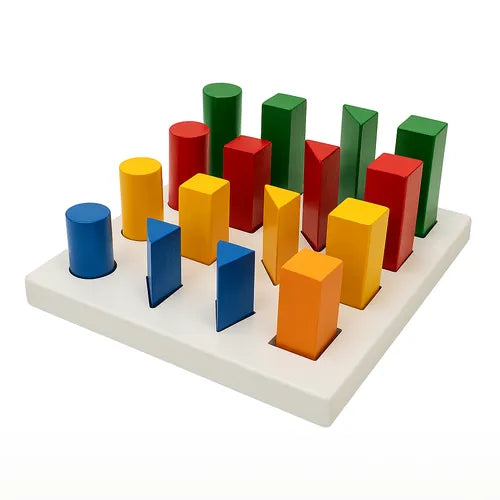
Type: Peg Boards
Peg Board Occupational Therapy 16 pegs


Type: Medansh
Magnetic Peg Board (25 Metal Pegs)
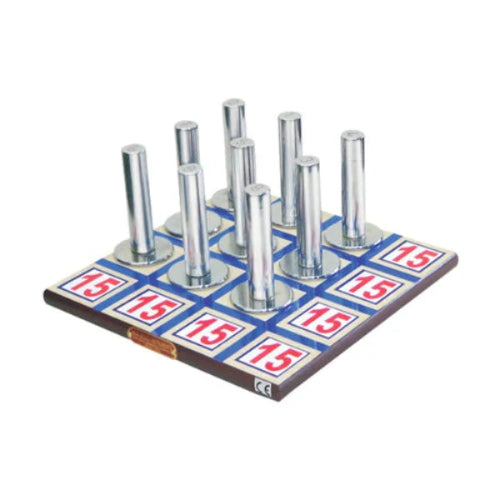
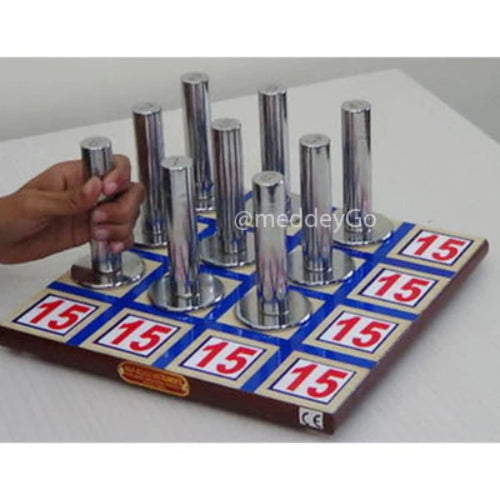
Type: Occupational
Magnetic Peg Board (Magic Square)
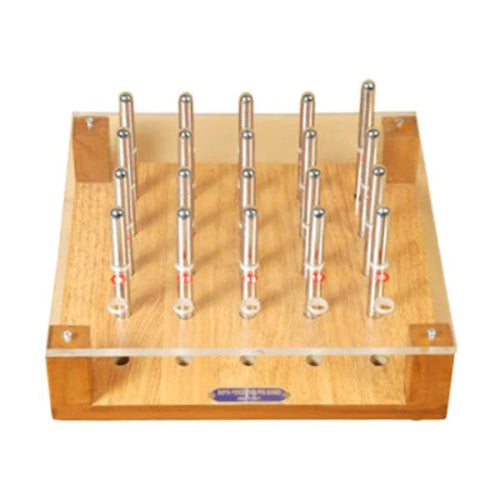
Type: Occupational
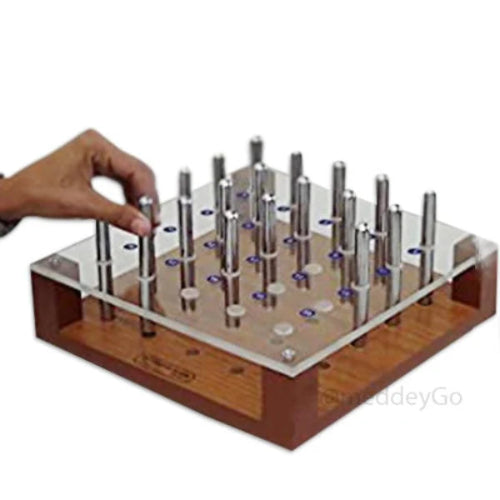
Depth Perception Peg Board Set
Collection:
Occupational Therapy Pegboard Tools

Occupational therapy is a critical component of rehabilitation, focusing on enabling individuals to perform daily activities through therapeutic techniques. Among the various tools employed in occupational therapy, pegboard tools stand out for their versatility and effectiveness. This article delves into the significance of occupational therapy pegboard tools, offering insights into their purpose, applications, and benefits for both patients and healthcare providers.
Pegboards serve as an essential tool in occupational therapy, facilitating the enhancement of fine motor skills, hand-eye coordination, and cognitive function. But what exactly is the purpose of a pegboard in this context?
Pegboards are designed to improve fine motor skills, essential for tasks requiring precise hand movements. Patients work by placing pegs into designated holes, which demands dexterity and coordination, thereby strengthening hand muscles and improving control. This repetitive action is crucial for patients recovering from injuries or surgeries that have affected their hand function. Over time, the exercises help refine the fine motor skills necessary for everyday activities like writing, buttoning clothes, or using utensils.
Additionally, the tactile feedback received when handling the pegs provides sensory input, which is vital for individuals with sensory processing disorders. This feedback loop between the brain and hand movements aids in the development of more precise motor control. Therapists often tailor these exercises to match the patient's progress, ensuring that each session is both challenging and achievable.
Occupational therapy pegboard tools are instrumental in bridging the gap between visual input and physical response.
As patients focus on placing pegs accurately, they develop better hand-eye coordination, a crucial skill for many daily activities. This skill is not only vital for tasks like driving or sports but also for simple daily activities that require precision.
The visual tracking of the peg and the subsequent physical response helps solidify the neural pathways necessary for coordinated movement. Patients often begin with large, brightly colored pegs to simplify the initial exercises. As they progress, therapists introduce smaller pegs or more complex patterns to further challenge the visual-motor integration.
Furthermore, these exercises can be adapted for patients of all ages, from young children developing early motor skills to older adults needing to maintain their coordination. By adjusting the difficulty level, therapists can ensure that the exercises remain engaging and beneficial for each individual's needs.
Pegboard exercises often involve patterns or sequences, encouraging patients to engage their cognitive skills.
This aspect of therapy aids in enhancing problem-solving abilities and cognitive processing, contributing to overall mental agility. By arranging pegs in specific patterns, patients must use memory, attention, and planning, which are fundamental cognitive functions.
These exercises often start with simple sequences and gradually increase in complexity, challenging the patient to think critically about the next steps. Therapists may introduce timed challenges or pattern recognition tasks to further stimulate cognitive engagement. This aspect of pegboard therapy is particularly beneficial for patients recovering from traumatic brain injuries or strokes.
Moreover, cognitive exercises with pegboards can improve executive functions like decision-making and organizational skills. By integrating these tasks into therapy, patients can experience improvements not only in physical coordination but also in their ability to process and respond to complex stimuli in their environment.
When considering the question, "What tools are used in occupational therapy?" pegboards frequently come to mind, but the category is diverse. Let's explore the types of pegboard tools commonly utilized in therapeutic settings.
These are the most common type, featuring uniform holes and pegs.
They are versatile, allowing for various exercises and skill levels, and are a staple in many occupational therapy programs. Standard pegboards provide a controlled environment where therapists can easily modify exercises to suit individual patient needs.
Patients can practice basic insertion exercises or more advanced tasks like creating specific patterns. The simplicity of the design allows for a wide range of therapeutic applications, from improving basic motor skills to engaging in complex cognitive tasks. Standard pegboards are often the starting point for introducing patients to pegboard therapy.
Furthermore, their adaptability makes them suitable for group therapy sessions, where multiple patients can work simultaneously on similar tasks. This communal aspect can foster a sense of camaraderie and motivation among patients, enhancing the overall therapy experience.
Pegboard hooks add a layer of complexity to therapy sessions.
They are used to hang different objects, requiring patients to exercise precision and control while managing more complex tasks, enhancing both motor skills and strategic thinking. The use of hooks challenges patients to navigate three-dimensional space, improving spatial awareness and coordination.
These exercises are particularly beneficial for patients looking to regain independence in daily activities, such as hanging clothes or organizing personal items. By incorporating hooks, therapists can introduce real-world scenarios into therapy, making exercises more relevant and engaging.
Moreover, pegboard hooks can be adjusted to different heights and angles, allowing therapists to vary the difficulty and target specific muscle groups. This flexibility makes them a valuable tool for personalized therapy plans.
The Purdue Pegboard is a specialized tool used to assess and improve dexterity.
It is particularly beneficial for patients needing to enhance bilateral coordination and finger dexterity. Occupational therapists often use this tool to track progress and adjust treatment plans accordingly. The precision required for the Purdue Pegboard tasks helps in developing intricate hand movements and coordination.
This tool is especially valuable in settings where detailed dexterity assessments are necessary, such as in post-stroke rehabilitation or for individuals with neurological disorders. The Purdue Pegboard also provides quantifiable data, enabling therapists to objectively measure improvements over time.
Beyond rehabilitation, the Purdue Pegboard is used in vocational assessments to determine an individual's suitability for jobs requiring fine motor skills. By incorporating this tool into therapy sessions, therapists can provide a comprehensive approach to skill development and job readiness.
Pegboard therapy exercises are integral to many rehabilitation programs.
These exercises are tailored to the specific needs of patients, focusing on improving various skills.
Patients begin with simple peg insertion tasks, which help them develop basic motor skills and hand strength.
These exercises are foundational and often the starting point for many therapy programs. Starting with larger pegs can help patients build confidence and strength, setting the stage for more complex exercises later.
Therapists may incorporate visual and verbal cues to assist patients in the early stages, ensuring that the tasks are achievable and not overly frustrating. As patients become more adept, the exercises can be modified to include smaller pegs or more intricate insertion patterns.
Incorporating varying levels of resistance, such as using weighted pegs, can further enhance muscle development and coordination. By gradually increasing the challenge, therapists can promote continuous improvement in the patient's motor skills.
More advanced exercises involve creating patterns or sequences with the pegs.
This not only enhances motor skills but also stimulates cognitive function, as patients need to remember and replicate specific patterns. These exercises encourage the use of problem-solving skills and memory, which are critical for daily life activities.
Therapists may use visual aids, such as pattern cards, to guide patients initially. As patients progress, they can be encouraged to create their own patterns, fostering creativity and independent thinking. Group activities can also be introduced, where patients work together to complete complex sequences, promoting teamwork and social interaction.
Furthermore, varying the complexity and speed of these exercises can help maintain patient engagement and motivation, ensuring a comprehensive and dynamic therapy experience.
Timed exercises introduce an element of urgency, encouraging patients to improve their speed and accuracy.
Such drills are particularly useful for patients looking to enhance their reaction times and fine motor skills under pressure. By setting specific time goals, therapists can track progress and provide tangible evidence of improvement.
These drills can be customized to target specific skills, such as speed, precision, or endurance. Patients may be asked to complete a certain number of peg insertions within a set time frame, gradually decreasing the time allowed as their proficiency increases.
Incorporating competitive elements, such as timing patients against their previous best or against others, can add a fun and motivating dimension to the exercises. This competitive aspect can be particularly engaging for younger patients or those with a keen interest in sports or games.
Determining which pegboard hooks to use can be challenging. The choice depends on the specific goals of the therapy and the individual needs of the patient.
- Weight Capacity: Ensure the hooks can support the weight of the objects used in therapy. This is crucial for safety and effectiveness, as hooks that cannot bear the required load may lead to equipment failure or injury.
- Compatibility: Check that the hooks are compatible with the pegboard's design and hole size. Incompatibility can lead to instability or reduced functionality, impacting the quality of the therapy session.
- Adjustability: Opt for hooks that can be easily adjusted or repositioned to accommodate various exercises. Adjustable hooks allow therapists to modify exercises on-the-fly, adapting to the immediate needs of the patient.
By carefully selecting the appropriate hooks, therapists can tailor exercises to meet the diverse needs of their patients, optimizing therapeutic outcomes. The right choice of hooks can also extend the lifespan of the pegboard equipment, ensuring that it remains a valuable asset in the therapy toolkit.
When selecting pegboard hooks, it's important to balance practicality with innovative features.
Hooks that offer unique functionalities, such as swivel options or interchangeable attachments, can add versatility to therapy sessions. However, these features should not compromise the simplicity and effectiveness of the exercises.
Therapists should consider the specific therapeutic goals when choosing hooks with advanced features. For instance, if the primary aim is to improve hand strength, hooks with a rough texture can increase grip resistance. On the other hand, if cognitive challenges are the focus, hooks that require more intricate manipulation might be more appropriate.
Ultimately, the selection process should prioritize tools that enhance the therapy experience without overcomplicating the exercises. Practicality and innovation should work hand-in-hand to deliver optimal therapeutic results.

Therapists and facility managers can benefit from collaborating with suppliers to explore new options and custom solutions for pegboard hooks.
Engaging with suppliers allows therapy providers to stay informed about the latest innovations and available products that might meet their specific needs.
Suppliers can offer insights into emerging trends and technologies that can enhance therapy programs. By building strong relationships with suppliers, therapy providers can gain access to customized solutions tailored to their unique requirements.
Additionally, collaboration with suppliers can facilitate bulk purchasing or discounts, optimizing budget allocation and ensuring that facilities have access to high-quality equipment. Strategic partnerships with suppliers can be a valuable asset in delivering effective and efficient therapy services.
For hospital administrators and medical equipment distributors, understanding the procurement landscape for occupational therapy pegboard tools is vital.
Keeping abreast of market trends and demands allows distributors to offer products that meet the evolving needs of healthcare facilities. Engaging with therapists and facility managers can provide insights into current and future requirements. By understanding the specific challenges and objectives of therapy programs, distributors can tailor their offerings to align with clinical needs.
Market demands can also be influenced by regulatory changes or shifts in healthcare priorities. Staying informed about these external factors is essential for distributors to remain competitive and relevant in the industry. Regular communication with end-users, such as occupational therapists, can provide valuable feedback for refining product lines and services.
Balancing quality and cost is crucial in procurement.
Hospital administrators must evaluate the long-term benefits of investing in high-quality pegboard tools against budget constraints, ensuring optimal patient care without unnecessary expenditure. High-quality tools may offer better durability and functionality, ultimately leading to improved therapeutic outcomes and cost savings over time.
Administrators should consider bulk purchasing agreements or strategic partnerships with suppliers to secure favorable pricing. Additionally, exploring options for leasing or financing equipment can provide flexibility in budget management while ensuring access to necessary tools.
By conducting thorough cost-benefit analyses and exploring diverse purchasing strategies, healthcare facilities can optimize their investments in pegboard tools, enhancing both financial efficiency and patient care quality.
As technology evolves, so too do pegboard tools.
Incorporating digital elements or advanced materials can enhance the effectiveness of therapy sessions. Staying informed about these advancements ensures that healthcare providers and distributors remain competitive and relevant.
Technological innovations, such as digital tracking of patient progress or the integration of virtual reality elements, can add a new dimension to pegboard therapy. These advancements can provide real-time feedback, enhancing patient engagement and motivation. Distributors should actively seek out innovative products that incorporate these technologies, offering healthcare facilities cutting-edge options for therapy.
Moreover, training and support for implementing new technologies are critical to ensure successful integration into therapy programs. By partnering with technology providers and offering comprehensive training resources, distributors can facilitate the adoption of advanced pegboard tools, ultimately improving therapy outcomes.
Occupational therapy pegboard tools are invaluable assets in the rehabilitation process.
From enhancing motor skills to improving cognitive function, their applications are diverse and impactful. For healthcare providers and distributors, understanding the significance and strategic procurement of these tools is essential in delivering superior patient care and staying competitive in the healthcare market.
By prioritizing the integration of advanced pegboard tools into therapy programs, facilities can offer innovative and effective rehabilitation solutions, ultimately leading to improved patient outcomes and satisfaction. As the healthcare landscape continues to evolve, staying informed about the latest trends and technologies in pegboard therapy will enable providers to deliver exceptional care and maintain a competitive edge. Through strategic partnerships, thoughtful procurement, and a commitment to innovation, occupational therapy can continue to transform lives, empowering individuals to achieve their fullest potential.
Q&A
Question: What is the primary purpose of pegboard tools in occupational therapy?
Short answer: Pegboard tools are used to build fine motor skills, hand strength, and precise finger dexterity while simultaneously improving hand-eye coordination and cognitive abilities. Placing pegs into holes provides repetitive, targeted practice that strengthens small hand muscles and refines control for daily tasks like writing, buttoning, or using utensils. The tactile feedback from handling pegs supplies valuable sensory input, helping integrate touch with movement. By bridging visual input and physical response, pegboards support visual-motor integration across a wide range of patients and goals.
Question: How do therapists tailor pegboard activities to different ages and skill levels?
Short answer: Therapists adjust variables such as peg size, color, pattern complexity, resistance, and timing to keep tasks challenging yet achievable. Beginners often start with larger, brightly colored pegs and simple insertion tasks, supported by visual or verbal cues. As skills improve, therapists introduce smaller pegs, weighted pegs for added resistance, intricate patterns or sequences, and timed drills to develop speed and accuracy. Activities can be individualized or run in groups, and scaled for children building early motor skills through to older adults maintaining coordination.
Question: What types of pegboard tools are commonly used, and when is each most appropriate?
Short answer: Three common options are highlighted. Standard pegboards with uniform holes and pegs are versatile staples for everything from basic insertion to complex patterns, and they adapt well to individual and group therapy. Pegboard hooks add three-dimensional challenges—hanging and manipulating objects—to build precision, spatial awareness, and functional skills relevant to everyday tasks. The Purdue Pegboard is a specialized assessment and training tool for fine finger dexterity and bilateral coordination, offering quantifiable progress tracking and applications in both rehabilitation and vocational evaluations.
Question: In what ways do pegboard exercises support cognitive function?
Short answer: Patterning and sequencing tasks engage memory, attention, and planning, strengthening executive functions like decision-making and organization. Therapists often progress from simple sequences to more complex designs, incorporate timed challenges, and use pattern recognition to stimulate cognitive processing. This cognitive dimension is especially useful for patients recovering from neurological events such as strokes or traumatic brain injuries, where integrating motor practice with problem-solving can accelerate overall functional recovery.
Question: What should clinicians and administrators consider when selecting pegboard hooks and procuring equipment, and why work with suppliers?
Short answer: Selection should align with therapeutic goals and practical constraints. Key criteria include weight capacity (for safety), compatibility with board hole size, and adjustability for varied exercises. Advanced features—like swivel mechanisms, interchangeable attachments, textured grips, or more intricate manipulation demands—can add versatility, but shouldn’t overcomplicate tasks. Collaborating with suppliers helps identify emerging options and custom solutions, access bulk pricing or discounts, and stay current with innovations such as digital progress tracking or VR integrations. Administrators should balance quality and cost through cost-benefit analyses, bulk or strategic purchasing, and, when adopting new tech, ensure training and support for smooth integration into therapy programs.