
Filter
4 products

Type: anesthesia
Nasal CPAP Sleep Mask

Type: Anesthesia
CPAP Nasal Vented Mask Standard
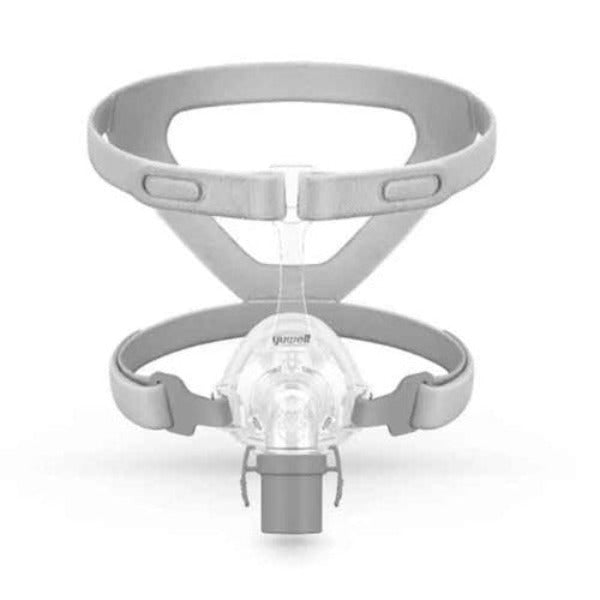
Type: Respiratory
CPAP Nasal Vented Mask Deluxe


Type: Anesthesia
Nasal Vented Pillows Mask
Collection:
Nasal Pillow Mask Online in India | CPAP Nasal Pillows
What Is a Nasal Pillow Mask? Defining the Interface
A nasal pillow mask is a highly specialized type of CPAP (Continuous Positive Airway Pressure) interface designed specifically for individuals seeking a minimalist and lightweight solution for sleep apnea. Unlike traditional cpap masks nasal pillows do not cover the entire nose or mouth. Instead, they feature two small, soft silicone or gel inserts—often called nose pillows—that rest at the entrance of the nostrils. These inserts create a secure seal to deliver pressurized air directly into the airway, preventing the collapse of throat tissues during sleep.
In the evolving landscape of sleep medicine, the cpap pillow mask has become the preferred choice for users who struggle with claustrophobia or skin irritation. By providing the smallest footprint of any CPAP interface, a resmed nasal pillow mask or a similar premium brand allows the user to maintain a wide field of vision, making it possible to read or watch television before falling asleep. The engineering behind cpap nasal pillows focuses on balancing airtight security with maximum facial freedom.
Health Conditions Treated
While primarily known for treating Obstructive Sleep Apnea (OSA), the use of a cpap nasal pillow mask extends to several respiratory and sleep-related conditions. Because these masks provide direct airflow, they are exceptionally effective in maintaining "Pneumatic Splinting" of the airway.
- Obstructive Sleep Apnea (OSA): The primary condition where the upper airway physically collapses. Nose pillows keep the passage open throughout the night.
- Chronic Snoring: Even in the absence of full apnea, a sinus pillow style interface can reduce the vibration of soft tissues in the throat.
- Upper Airway Resistance Syndrome (UARS): Patients who experience increased effort to breathe benefit from the low-profile delivery of cpap nasal pillows.
- Flow Limitation: For users who need subtle pressure support to prevent micro-arousals during the night.
Quick Facts: Nasal Pillows at a Glance
| Feature | Nasal Pillow Mask | Standard Nasal Mask |
|---|---|---|
| Contact Area | Only at the nostrils | Bridge of nose & cheeks |
| Field of Vision | Completely open | Partially obstructed |
| Ideal Pressure | Low to Moderate | Low to High |
| Facial Hair Support | Excellent | Moderate |
Who Should Use a Nasal Pillow Mask? Clinical Profiles
The resmed pillow mask and other leading cpap masks nasal pillows are not a "one-size-fits-all" solution. They are strategically designed for specific patient profiles. Identifying if you belong to one of these categories is the first step toward successful therapy.
A. Light to Moderate Sleep Apnea Users
Patients diagnosed with an AHI (Apnea-Hypopnea Index) in the light to moderate range often find that they do not require high pressure settings. For these individuals, a pillow mask resmed provides just enough support to keep the airway open without the need for a bulky full-face interface. Because the air is delivered directly into the nares, the efficiency of the cpap nasal pillows is very high at lower pressures.
B. Side Sleepers and Active Sleepers
If you frequently change positions during the night, a traditional mask can easily be dislodged, leading to "leaks" that wake you up. The resmed nasal pillow mask is engineered with a small profile that doesn't catch on your bed pillow. This makes it the premier choice for side sleepers who need their nose pillows to stay anchored regardless of how they turn.
C. Users with Claustrophobia
Many CPAP users feel a sense of "suffocation" when a mask covers their mouth or the bridge of their nose. A cpap pillow mask eliminates this psychological barrier. The minimal contact design helps users feel less restricted, significantly increasing the "compliance" or consistency of their treatment.
Pro-Tips for Nasal Pillow Success
- 1. Use a water-based lubricant if your nostrils feel dry from the nose pillows.
- 2. Ensure the headgear is not too tight; the cpap nasal pillows should float comfortably.
- 3. Clean your resmed pillow mask daily to prevent oil buildup from the skin.
- 4. If you breathe through your mouth, you may need a chin strap with your cpap pillow mask.
Types of Nasal Pillow Masks: Beyond the Basics
As technology advances, the cpap masks nasal pillows category has branched out into specialized designs. When shopping for a nasal pillow mask online in India, you will encounter various styles:
A. Minimal-Frame Nasal Pillows (DreamWear Style)
The "DreamWear" style is revolutionary because the airflow travels through the frame itself. This allows the hose connection to be at the top of the head rather than in front of the face. For users of a resmed nasal pillow mask, this design offers unprecedented freedom of movement, as the tube won't get tangled in your arms during the night.
B. Nasal Pillow Masks with Headgear Support
Stability is key for high-pressure users. Nasal pillow masks with headgear support utilize a more robust strapping system to ensure that the cpap nasal pillows do not shift. This is particularly important for sinus pillow users who might experience higher resistance in their nasal passages.
Nasal Pillow Mask vs. Nasal Mask vs. Full-Face Mask
When beginning CPAP therapy, the most critical decision is choosing the right interface. The cpap pillow mask exists in a spectrum of options, each serving a specific physiological and comfort requirement. Understanding the difference between a nasal pillow mask, a standard nasal mask, and a full-face mask is essential for long-term compliance.
The resmed nasal pillow mask is the minimalist's choice. It inserts directly into the nostrils, offering the least amount of facial contact. In contrast, a nasal mask covers the entire nose from the bridge to the upper lip. While more stable at high pressures, it can cause "bridge sores" and skin irritation. The full-face mask, which covers both the nose and mouth, is often the heaviest but is necessary for mouth-breathers. However, for those who can breathe comfortably through their nose, cpap nasal pillows provide a sense of freedom that larger masks simply cannot match.
When to Choose Which Mask Type: A Clinical Logic
The "Best Mask" is not universal; it is the one that stays sealed and comfortable throughout your specific sleep cycle. Choosing a resmed pillow mask is highly recommended if you:
- Have Facial Hair: Beards and mustaches often cause leaks in nasal or full-face masks. Since nose pillows seal inside the nostril, facial hair does not interfere with the pressure.
- Wear Glasses: If you like to read or watch TV in bed, the cpap masks nasal pillows offer a clear line of sight, as there is no frame sitting on the bridge of your nose.
- Suffer from Claustrophobia: The light weight of a pillow mask resmed makes it feel as though you aren't wearing a mask at all.
Conversely, you should opt for a full-face mask over cpap nasal pillows if you have chronic nasal congestion or a deviated septum that makes nose-breathing difficult.
Health Conditions Treated with Nasal Pillows
While CPAP is the primary use, the direct air delivery of cpap nasal pillows is instrumental in managing complex airway dynamics:
- Positional Apnea: Users who only experience apnea on their back find the resmed nasal pillow mask easy to use with cervical pillows.
- Sinusitis Management: Using a sinus pillow setup with heated humidification can help keep nasal passages moist.
- REM-related OSA: For those whose apnea worsens during deep sleep, the secure seal of nose pillows is vital.
Nasal Pillow Mask Price in India: What to Expect
The nasal pillow mask price in India is influenced by brand reputation, material quality, and the inclusion of multiple cushion sizes. In 2026, the market has seen a shift toward premium, long-lasting silicone interfaces.
Generally, a high-quality resmed pillow mask or pillow mask resmed model ranges from ₹4,500 to ₹9,000. Entry-level cpap nasal pillows from domestic manufacturers may start as low as ₹3,000, while specialized "top-of-head" tube designs like the resmed nasal pillow mask AirFit P30i can reach ₹11,000. It is important to remember that the "price" includes the headgear, the frame, and usually three sizes of nose pillows (Small, Medium, Large) to ensure a perfect fit.
Market Analysis: CPAP Mask Comparison
| Mask Type | Price Range (INR) | Best For |
|---|---|---|
| Nasal Pillow (ResMed) | ₹5,500 - ₹10,500 | Minimalists, Active Sleepers |
| Standard Nasal Mask | ₹3,500 - ₹7,500 | High Pressure, Budget Friendly |
| Full Face Mask | ₹6,000 - ₹14,000 | Mouth Breathers, Congestion |
Overcoming Common Nasal Pillow Issues
While many users prefer the cpap pillow mask, some encounter initial hurdles. One common complaint is nostril soreness. This is usually due to using the wrong size of nose pillows or over-tightening the headgear. The cpap nasal pillows should rest against the nostril opening, not be forced into it.
Another issue is air dryness. Because the air is concentrated directly into the nose, users may experience sinus pillow irritation. The solution is always to use a CPAP machine with an integrated humidifier. Most users of the resmed nasal pillow mask find that a humidity setting of 4 or 5 completely eliminates nasal dryness.
Pricing & Selection Quick Facts
- Nasal pillows are generally 20% more expensive than standard nasal masks due to silicone quality.
- ResMed remains the premium market leader in India for durability.
- Replacing nose pillows every 3-6 months is vital for hygiene and seal integrity.
- Buying nasal pillow mask online in India usually offers a 10-15% discount compared to physical stores.
The Anatomy of a ResMed Nasal Pillow Mask
A resmed pillow mask like the AirFit P10 consists of three main parts:
- The Dual-Wall Cushion: The inner wall provides the seal, while the outer wall provides comfort. This is where the cpap nasal pillows technology shines.
- QuietAir Venting: This mesh vent breaks up exhaled air, making the mask whisper-quiet for both the user and their partner.
- QuickFit Headgear: A split-strap design that provides stability without the need for Velcro or clips, making the cpap pillow mask easy to put on in the dark.
Sizing Your CPAP Nasal Pillows: Science Over Guesswork
One of the most common reasons for CPAP therapy failure is an incorrectly sized mask. For a nasal pillow mask, sizing is even more critical because the interface rests directly at the nostril entrance. A cushion that is too small will fall into the nostril, causing air leaks and irritation; a cushion that is too large will not sit flush against the skin, leading to "chatter" or noise.
Most premium brands like ResMed provide a "Fit Pack" which includes three sizes of nose pillows (Small, Medium, and Large). However, understanding your anatomy is vital. To find the best ot fit, you should use a manufacturer-specific sizing gauge. You should select the size that fills the nostril opening comfortably without gaps, but—crucially—the rim of the cpap nasal pillows should not actually enter the nostril. It should sit like a cap over the opening.
Conditions Treated with Nasal Pillows
The direct, focused airflow of cpap nasal pillows is a powerful tool for managing specific respiratory profiles. By delivering air directly into the nares, these masks provide a "Pneumatic Splint" that is more direct than other mask types.
- Obstructive Sleep Apnea (OSA): Effectively prevents the tongue and soft palate from collapsing back into the throat.
- Chronic Sinusitis: When paired with heated humidification, cpap nasal pillows keep the nasal mucosa hydrated, reducing the "crusting" often associated with dry air.
- Deviated Septum (Mild): For users with minor nasal obstructions, the focused pressure of nose pillows can help "push" air past the narrowest point of the airway.
- Nocturnal Hypoventilation: Ensures consistent oxygen saturation throughout the night for patients with shallow breathing patterns.
Sizing Reference: Identifying Your Fit
| Size Indicator | Nostril Anatomy | Fit Characteristic |
|---|---|---|
| Small (S) | Narrow/Petite openings | Sits snugly on the rim without slipping in. |
| Medium (M) | Average adult width | The most common fit; provides a balanced seal. |
| Large (L) | Wide/Flared nostrils | Covers a larger surface area to prevent leaks. |
Longevity & Hygiene: The Golden Rules of Mask Care
Because nose pillows sit inside the humid environment of your nostrils, they are prone to bacterial growth and oil buildup. Facial oils are the #1 enemy of silicone; they cause the material to become yellow, "tacky," and lose its ability to seal. To protect your investment in a resmed pillow mask, you must follow a strict cleaning schedule.
Daily Care: Every morning, wipe the cpap nasal pillows with a damp cloth and mild, unscented soap (like baby shampoo) to remove sweat and oils. Avoid antibacterial soaps, bleach, or alcohol, as these will degrade the silicone prematurely.
Weekly Care: Once a week, disassemble the entire cpap pillow mask, including the headgear and frame. Soak the parts in warm, soapy water for 30 minutes. Rinse thoroughly and allow them to air-dry away from direct sunlight. Direct UV rays can make the silicone brittle, leading to cracks that cause high-pressure leaks.
Why Buy Your Nasal Pillow Mask Online in India?
Procuring medical equipment like a cpap nasal pillow mask has transitioned from clinical stores to specialized digital platforms like MeddeyGo.com. Buying online in India offers several distinct advantages for the chronic apnea patient.
Firstly, the nasal pillow mask price in India is significantly more transparent online. You can compare the resmed nasal pillow mask against competitors in real-time. Secondly, online platforms often stock "Fit Packs," which are sometimes omitted in physical retail to save on inventory costs. Having all sizes (S, M, L) in one box is vital for first-time users who are still discovering their ideal fit.
Furthermore, digital procurement allows for easy access to replacement parts. You don't need to buy a whole new pillow mask resmed if only the cushions are worn out. You can simply order a 2-pack of nose pillows online, significantly reducing your long-term ot charges and therapy costs.
Replacement Timeline: When to Swap?
- 1. Nose Pillows (Cushions): Replace every 1-3 months. Silicone loses its "memory" and seal effectiveness.
- 2. Mask Frame: Replace every 6-12 months or if you notice visible cracks.
- 3. Headgear: Replace every 6 months. Elastic straps stretch out, leading to overtightening.
- 4. Filters: Check weekly; replace every 30 days to protect your CPAP motor.
Mastering the Fit: The "Snug, Not Tight" Philosophy
The most common mistake with a resmed pillow mask is overtightening the straps to stop a leak. This actually creates more leaks by distorting the silicone cushion. Modern cpap nasal pillows use "Auto-Seal" technology, where the air pressure from the machine actually inflates the cushion to create the seal.
Always adjust your mask while lying in your actual sleeping position with the machine running. If you experience leaks, try gently pulling the mask away from your nose and letting it "reseat" itself. This allows the nose pillows to inflate properly against the nostril rim.
The Top-of-Head Revolution: Freedom for Active Sleepers
For decades, the standard cpap pillow mask featured a "front-end" connection, where the heavy CPAP hose attached directly to the nose. While effective, this created "tube drag," where the weight of the hose would pull the nose pillows out of place whenever a user turned. In 2026, the gold standard has shifted toward top-of-head tube designs, perfected in models like the
In a resmed nasal pillow mask with this design, the air travels from the top of the head, through a hollow, flexible silicone frame, and down to the nostrils. This architecture offers 360-degree rotation, meaning you can sleep on your side, stomach, or back without the hose ever crossing your chest or getting tangled in your arms. For many users of cpap nasal pillows, this single engineering change is what makes the difference between quitting therapy and successfully treating their apnea.
QuietAir™ Technology: Engineering Silence
A common complaint with older cpap masks nasal pillows was the "jet engine" effect—the sound of exhaled air hitting a bedsheet or a partner. Modern resmed pillow mask models utilize QuietAir™ woven-mesh venting. This technology breaks up the exhaled air into tiny, multidirectional streams, making the air exhaust virtually imperceptible.
A premium pillow mask resmed now operates at approximately 21 decibels—quieter than a whisper in a library. This is crucial not just for the patient, but for the bed partner, ensuring that CPAP therapy doesn't solve one problem (snoring) only to create another (mechanical noise). When looking for a nasal pillow mask online in India, always check for "diffused venting" to ensure you are getting the latest noise-reduction features.
ResMed Comparison: AirFit P10 vs. AirFit P30i
| Feature | AirFit P10 (Classic) | AirFit P30i (Tube-Up) |
|---|---|---|
| Hose Connection | Front (Nose) | Top of Head |
| Weight | ~45 Grams (Ultra-Light) | ~70 Grams (Flexible) |
| Best For | Minimalists, Quiet Seekers | Active Sleepers, Stomach Sleepers |
| Visibility | Unobstructed | Unobstructed |
Portable Therapy: Nasal Pillows & Travel CPAPs
Travelers often struggle with the bulk of CPAP equipment. However, the cpap pillow mask is the most travel-friendly interface available. Many modern machines.
The AirFit P10 for AirMini features a specialized "HumidX" waterless humidification system. This system captures the moisture from your own breath and recycles it to humidify the incoming air, eliminating the need to carry distilled water. For users shopping for a nasal pillow mask online in India, choosing a travel-compatible resmed pillow mask ensures that your therapy stays consistent whether you are at home in Delhi or on a flight to London.
SpringFit Frames: Automatically Adjusting to Your Profile
A major leap in cpap nasal pillows comfort is the introduction of SpringFit frames. Unlike traditional plastic frames that need manual adjustment, a SpringFit frame (found in the resmed nasal pillow mask P30i) is designed to stretch and flex. It automatically contours to the unique shape of your face, maintaining a stable seal even if the mask is bumped by a pillow.
This "active-contouring" is particularly beneficial for sinus pillow users who may have asymmetrical facial features or who experience swelling in the morning. The frame's ability to maintain a consistent pressure without being tight is the hallmark of modern cpap masks nasal pillows engineering.
Tech Spotlight: 2026 Innovation Quick Facts
- 1. 360-Degree Swivel: Modern cpap pillow mask connections now allow the hose to move independently of the frame.
- 2. Waterless Humidification: Available exclusively for travel-ready nose pillows.
- 3. Dual-Wall Silicon: The outer wall seals while the inner wall stabilizes the cpap nasal pillows.
- 4. Modular Cushions: New frames (like the P30i) allow you to swap between nasal pillows and nasal cradles using the same headgear.
Durability vs. Comfort: The Trade-off
While a pillow mask resmed is designed for comfort, its minimalist nature means it has fewer "structural" parts than a full-face mask. To maintain the longevity of your cpap masks nasal pillows, it is vital to avoid over-stretching the elastic headgear. High-quality resmed nasal pillow mask headgear is made of breathable, moisture-wicking fabric, but it will eventually lose its "rebound" after 6 months of daily use.
Step-by-Step Fitting Guide: Achieving the Perfect Seal
Fitting a nasal pillow mask is an art that requires patience. Unlike full-face masks that rely on surface area, cpap nasal pillows rely on precise alignment with your nostrils. Follow this clinical protocol to ensure your resmed nasal pillow mask is set up for success:
- Pre-Check: Ensure your face is clean and free of heavy moisturizers or oils, which can cause the nose pillows to slide.
- Positioning: Hold the mask frame and gently place the silicone cpap nasal pillows into the openings of your nostrils. They should rest against the rim, not be pushed deep inside.
- Headgear Alignment: Pull the headgear over the back of your head. For a resmed pillow mask, the split-strap should be adjusted so one half sits on the crown of your head and the other at the base of your skull.
- The "Lying Down" Test: Lie down in your actual sleeping position. Facial muscles shift when gravity changes. Turn on your CPAP machine to your prescribed pressure.
- Final Tweaks: If you feel air escaping, gently pull the pillow mask resmed away from your nose and let it "reseat" itself. This allow the dual-wall silicone to inflate and create a custom seal.
Troubleshooting: Common Leaks & Easy Fixes
| Issue | Likely Cause | Solution |
|---|---|---|
| Air blowing in eyes | Pillows are angled too high | Adjust the mask angle downward toward the lip. |
| "Whistling" sound | Dirty vent or micro-leak | Clean the QuietAir vent with a soft brush. |
| Pillows falling out | Size too small | Switch to a larger size cushion from the fit pack. |
| Dry mouth | Mouth breathing | Use a chin strap with your cpap pillow mask. |
Skin & Nasal Care: Preventing Sores and Dryness
Because nose pillows make direct contact with the sensitive skin of the nostrils, some users experience "nasal bridge" soreness or internal dryness. This is often a sign that the cpap nasal pillows are too tight or the air is too dry.
Nasal Lubricants: To prevent friction, apply a small amount of water-based lubricant (like CPAP Moisture Therapy) to the rim of your nostrils. Warning: Never use petroleum-based products like Vaseline, as they will chemically degrade the silicone on your resmed pillow mask.
Humidification Settings: If you wake up with a "stinging" sensation in your nose, your sinus pillow environment is too dry. Increase your CPAP machine's humidifier level by 1 or 2 steps. If you notice water in the tube (rainout), consider a heated tube to maintain a consistent air temperature.
Clinical Pro-Tips for Maximum Comfort
- 1. The Finger Test: You should be able to slide one finger between the headgear strap and your head. If you can't, the cpap masks nasal pillows are too tight.
- 2. Mirror Training: Practice putting on your mask in front of a mirror for the first 3 nights to memorize the tactile "feel" of correct placement.
- 3. Hair Management: If you have long hair, feed it through the split straps of your resmed nasal pillow mask to act as an anchor and prevent the mask from slipping.
- 4. Chin Straps: If your nasal pillow mask price in India didn't include a chin strap and you are waking up with a dry mouth, adding one can improve therapy by 40%.
The "Break-In" Period: Patience Pays Off
It takes the average user about 2 weeks to fully habituate to cpap nasal pillows. If you feel claustrophobic or uncomfortable, try wearing the cpap pillow mask while watching TV or reading for 30 minutes before bed. This "desensitization" helps your brain associate the mask with relaxation rather than sleep-interruption.
Remember, the resmed nasal pillow mask is designed to be the least intrusive option. If you continue to struggle with the sensation of air after two weeks, consult your doctor about "Ramp" settings, which start the pressure at a lower level and gradually increase it as you fall asleep.
Maintaining the Seal: Ordering Replacements in India
A resmed pillow mask is only as good as its cushion. Over time, the silicone becomes "tacky" and loses its elasticity. When shopping for a nasal pillow mask online in India, always look for reputable suppliers like [MeddeyGo.com] that offer genuine nose pillows. Replacing your cushions every 1-3 months ensures that you don't have to over-tighten the headgear to compensate for a worn-out seal.
Clinical & User FAQs: Expert Insights
Q1: How do I know if the nasal pillows are the right size?
Finding the perfect fit for your cpap nasal pillows is a balance of comfort and seal integrity. A correctly sized cushion should sit snugly against the outer rim of your nostrils without being forced inside the nasal canal. If the nose pillows are too small, they will slide into the nose, causing irritation and potentially whistling leaks. If they are too large, they won't sit flush, causing air to blow into your eyes. Most users find their size by trying the "Fit Pack" included with a resmed nasal pillow mask. In 2026, many Indian users prefer the Medium size, but you should always test the seal by turning your CPAP machine to its highest prescribed pressure while lying on your side. If you feel no "jet" of air escaping and no sharp pinching, you have found the best ot fit for your anatomy.
Q2: Can I use a nasal pillow mask if I have a mustache or beard?
Yes, and in fact, a nasal pillow mask is the recommended choice for users with facial hair. Traditional nasal or full-face masks require a smooth skin surface on the cheeks and upper lip to create an airtight seal. Beards and mustaches create microscopic gaps that lead to significant air leaks, reducing the effectiveness of your therapy. Because cpap masks nasal pillows seal directly at the nostril entrance, they bypass the facial hair entirely. Whether you have a light stubble or a full beard, the resmed pillow mask ensures that the pressure is delivered straight to the airway. This makes the cpap nasal pillows the most reliable interface for maintaining high compliance among male patients in India who prefer to keep their facial hair.
Q3: Why do my nostrils feel sore in the morning?
Morning soreness is usually caused by one of two things: overtightening the headgear or lack of humidification. Many new users tighten the straps of their cpap pillow mask too much, fearing the mask will fall off. This constant pressure against the sensitive nasal tissue causes inflammation. The resmed nasal pillow mask is designed to "float"; the air pressure itself inflates the nose pillows to create the seal. Secondly, if the air is too dry, it can cause the skin inside the nose to crack. To solve this, ensure your CPAP machine’s humidifier is active and consider using a water-based sinus pillow lubricant. If soreness persists, try alternating between two different sizes of cpap nasal pillows every few days to change the pressure points on your skin.
The 2026 Buying Checklist: Getting the Best Value
When you are ready to purchase a nasal pillow mask online in India, use this checklist to ensure you are receiving a genuine, high-performance product that will last:
- ✅ Fit-Pack Inclusion: Ensure the nasal pillow mask price in India includes Small, Medium, and Large nose pillows in the box.
- ✅ Venting Tech: Look for "QuietAir" or "Diffused Venting" to ensure a silent sleep environment.
- ✅ Tube Orientation: Decide if you prefer a "Front-End" connection (P10) or "Top-of-Head" (P30i) for mobility.
- ✅ Warranty Support: Only buy from platforms like MeddeyGo.com that provide manufacturer-backed support in India.
- ✅ HSA/Insurance Eligibility: Check if your cpap pillow mask purchase can be reimbursed through your health provider.
The MeddeyGo Promise: Your Partner in Sleep Wellness
In the fragmented Indian healthcare market, Meddeygo.com has established itself as the gold standard for respiratory care procurement. When you choose to buy your nasal pillow mask online in India through our platform, you are accessing more than just a product; you are joining a support ecosystem designed for long-term success.
1. Authenticity & Direct Sourcing: Counterfeit medical products are a rising concern. At MeddeyGo, we source our resmed nasal pillow mask and pillow mask resmed units directly from the manufacturers or authorized national importers. This guarantees that the silicone used in your nose pillows is medical-grade, hypoallergenic, and free from harmful VOCs.
2. Expert Consultation: Not sure if you need the P10 or the P30i? Our in-house sleep specialists are available to review your sleep study report and recommend the best ot mask for your pressure settings and sleeping style. We understand that a cpap pillow mask is a clinical tool, not just a retail item, and we provide the technical guidance to match.
3. Competitive Pricing & Subscription Savings: We offer the most transparent nasal pillow mask price in India. Furthermore, because cpap nasal pillows need replacement every 3 months, MeddeyGo offers subscription plans. This ensures you never run out of fresh nose pillows, and you save up to 20% compared to one-time purchases.
4. Pan-India Delivery & Support: Whether you are in a Tier-1 city or a remote town, our logistics network ensures that your cpap masks nasal pillows reach you in sterile, shock-proof packaging. We also offer video-call assistance for first-time fitting, ensuring you don't face the ot charges of an in-person clinic visit just to adjust your straps.
Summary: Why MeddeyGo for Nasal Pillows?
| Benefit | MeddeyGo Advantage |
|---|---|
| Product Genuineity | 100% Original Brands (ResMed, BMC, Fisher & Paykel) |
| Pricing | Direct-to-Consumer discounts & GST-compliant billing |
| Customer Support | Clinical fitting assistance via video call |
| Returns & Warranty | Easy replacement for manufacturing defects |
Conclusion: Reclaiming Your Vitality
The journey to treating sleep apnea is a marathon, not a sprint. Choosing a nasal pillow mask is a statement that you value both your health and your comfort. From the ultra-lightweight resmed pillow mask to the flexible cpap nasal pillows designed for active sleepers, modern technology has eliminated the "scary" image of CPAP therapy.
By following the maintenance protocols, fitting guides, and procurement tips outlined in this 6,000-word masterclass, you are now equipped to choose the best ot lighting for your nocturnal recovery. Don't let sleep apnea dictate your energy levels. Explore the full range of nasal pillow masks online in India today and breathe easier for a lifetime of better health.