Filter
9 products
Type: Devices
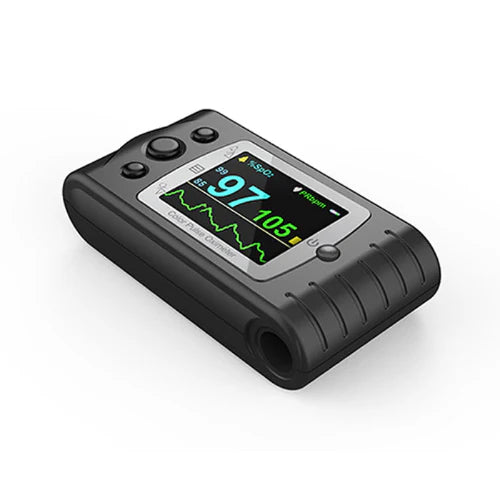
Handheld Pulse Oximeter
Type: Devices
Beurer Pulse Oximeter PO-30
Type: Home Healthcare
Fingertip Pulse Oximeter Contec CMS50D OLED
Type: MeddeyGo
Digital Fingertip Pulse Oximeter
Type: MeddeyGo
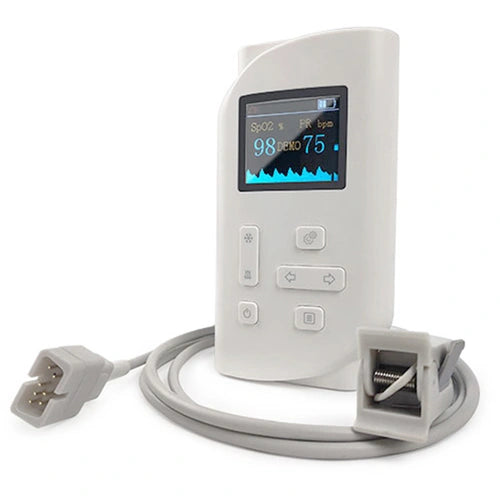
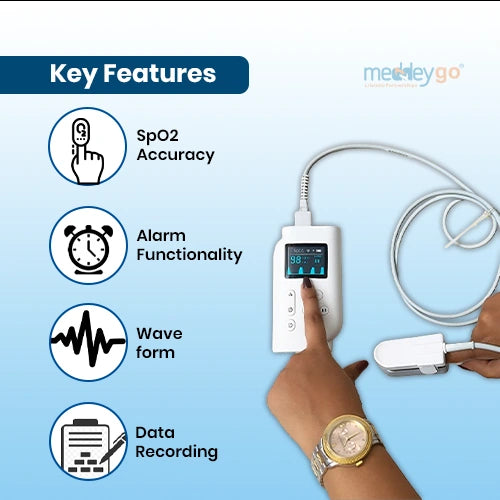
Handheld Pulse Oximeter Delux with Rechargable Battery
Type: pulse oximeter
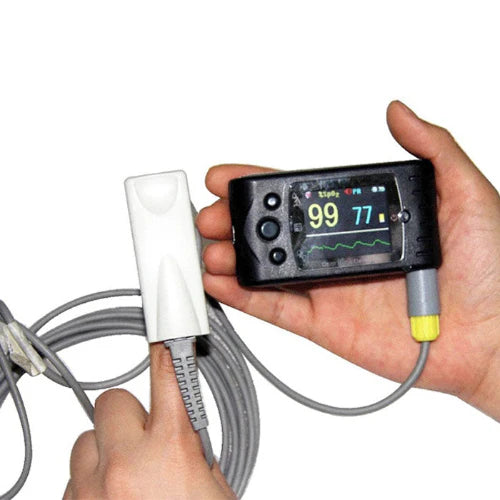
Contec CMS-60C Handheld Pulse Oximeter
Type: Diagnostic Equipment
Neonatal Pulse Oximeter P Ultra
Type: Devices
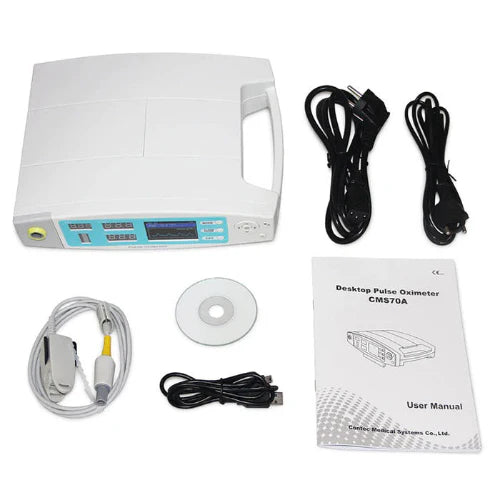
Contec CMS70A Portable Tabletop Pulse Oximeter
Type:
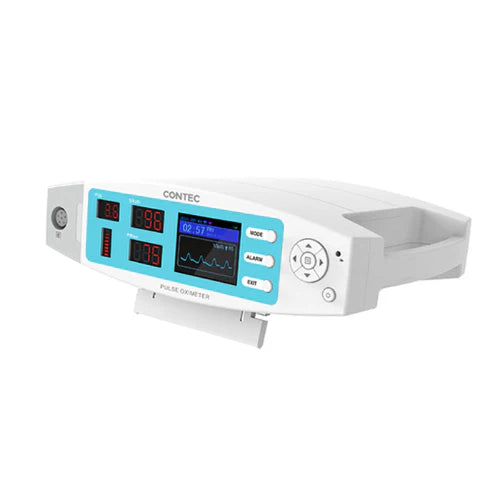
BPL Table Top Pulse Oximeter SpO2 Monitor Machine
Collection:
Pulse Oximeter Device | Accurate Blood Oxygen Levels
A Small Device That Gives Quick Oxygen Insight
A pulse oximeter is a compact device used to estimate blood oxygen saturation and pulse rate. It is usually clipped on the fingertip. Within a few seconds, it shows SpO2 and pulse reading on the display. Because it is simple, portable, and fast, it is widely used in hospitals, clinics, ambulances, home-care settings, and respiratory monitoring routines.
Many people also call it a pulse meter. Some buyers search for brand-based options such as Easycare pulse oximeter, Trueview pulse oximeter, Aiqura pulse oximeter, Gilma pulse oximeter, and Thermocare pulse oximeter. Others search pulse oximeter online buy, buy pulse oximeter, or oxymitter price when comparing devices and prices online.
A pulse oximeter is useful because it gives a quick oxygen reading without a needle or blood sample. However, it should not be treated as a complete diagnosis. Symptoms matter as much as the number. For example, breathlessness, chest pain, bluish lips, confusion, severe weakness, or worsening condition needs medical review even if the device shows a normal-looking reading.
This guide explains how a pulse oximeter works, how to use it correctly, what affects accuracy, how to compare different models, what to check before buying, and when medical help is needed. It is written for healthcare buyers, clinics, home-care users, caregivers, and professionals who want clear, practical, and SEO-friendly information.
What Is a Pulse Oximeter?
A pulse oximeter is a non-invasive monitoring device that estimates the oxygen saturation level in the blood. This oxygen level is shown as SpO2. The device also shows pulse rate, which is the number of heartbeats per minute.
Most fingertip oximeters use light sensors. The device passes light through the finger and reads changes in light absorption. Then, it estimates oxygen saturation and pulse rate. Since it gives quick results, it is commonly used during respiratory illness, post-operative monitoring, home oxygen therapy, clinic screening, and routine patient observation.
Although the device is simple, the reading can be affected by several factors. Cold fingers, movement, nail polish, poor circulation, low battery, and wrong placement may affect the result. Therefore, correct use is important.
Simple Meaning
A pulse oximeter is a small monitoring device that estimates blood oxygen saturation and pulse rate without taking a blood sample.
Pulse Meter vs Pulse Oximeter
The term pulse meter is commonly used by buyers. However, a pulse meter and a pulse oximeter may not always mean the same thing. A basic pulse meter may only measure pulse rate. In contrast, a pulse oximeter measures both pulse rate and oxygen saturation.
In online searches, most users who type pulse meter are actually looking for a pulse oximeter. Therefore, product descriptions should explain both readings clearly. A good pulse oximeter should show SpO2, pulse rate, battery level, and a clear display.
| Point | Pulse Meter | Pulse Oximeter |
|---|---|---|
| Main Reading | Pulse rate | SpO2 and pulse rate |
| Common Use | Heart rate checking | Oxygen and pulse monitoring |
| Display | May show only beats per minute | Usually shows SpO2, pulse, and waveform/bar indicator |
| Best For | Basic pulse tracking | Respiratory, home-care, and clinical oxygen monitoring |
| Buyer Search | Pulse meter | Pulse oximeter, buy pulse oximeter, pulse oximeter online buy |
How a Pulse Oximeter Works
A pulse oximeter uses red and infrared light to estimate oxygen saturation. When the device is placed on the finger, light passes through the tissue. The sensor reads how much light is absorbed by oxygen-rich and oxygen-poor blood. Then, the device calculates an SpO2 percentage.
The process is fast and painless. Also, it does not need a needle. This is why fingertip pulse oximeters are popular in home care and clinical screening. However, the result is an estimate. It is not the same as an arterial blood gas test, which is a laboratory-based blood test used in critical care.
A pulse oximeter works best when the finger is warm, still, and properly placed. If the user moves too much or the finger is cold, the reading may fluctuate. Therefore, users should wait a few seconds for the reading to stabilize.
- Place the device on a clean, warm finger.
- Keep the hand still during reading.
- Wait until the display becomes stable.
- Note both SpO2 and pulse rate.
- Repeat the reading if the number looks unusual.
- Check symptoms along with the device reading.
Where Pulse Oximeter Is Used
It is also useful during home oxygen therapy. If a patient uses an oxygen concentrator or oxygen cylinder as prescribed, the pulse oximeter may help track oxygen saturation. Still, oxygen flow should not be changed without medical advice.
Home Care
Useful for selected patients who need oxygen or respiratory monitoring at home.
Clinics
Supports quick SpO2 and pulse checking during patient assessment.
Hospitals
Helps monitor patients in wards, emergency rooms, ICUs, and recovery units.
Travel Support
Portable size makes it easy to carry for patients advised to monitor oxygen levels.
How to Use a Pulse Oximeter Correctly
Correct use improves the chance of a reliable reading. First, sit comfortably and rest for a short time. Then, warm the hand if the fingers are cold. Remove nail polish or artificial nails if they affect the sensor. After that, place the device on the fingertip and keep the hand still.
Wait until the reading is stable. Do not judge the result from the first flashing number. Also, check the pulse reading. If the pulse shown on the device does not match the actual pulse or feels irregular, repeat the reading.
- Sit calmly before taking the reading.
- Use a clean and warm finger.
- Remove nail polish or artificial nails if needed.
- Place the finger properly inside the clip.
- Keep the hand still during measurement.
- Wait for the reading to stabilize.
- Record SpO2, pulse rate, time, and symptoms.
Reading Tip
Do not depend on one quick flashing number. Wait for a stable reading and check how the patient feels at the same time.
What Is a Normal Pulse Oximeter Reading?
A healthy oxygen saturation reading is often around 95% to 100% in many people. However, the normal range may be different in some patients with chronic lung disease or other medical conditions. Therefore, users should follow the range advised by their doctor.
A reading below 90% is generally considered low and may need urgent medical attention, especially if symptoms are present. Also, readings around 92% or lower should be discussed with a healthcare provider, particularly in home monitoring. The final decision should always consider symptoms, medical history, and doctor guidance.
| Reading Situation | General Meaning | Recommended Action |
|---|---|---|
| 95% to 100% | Often considered normal for many healthy people | Monitor as advised, especially if symptoms exist |
| 92% to 94% | May be concerning in many users | Contact a healthcare professional, especially with symptoms |
| Below 90% | Usually considered low | Seek urgent medical guidance |
| Reading Drops Suddenly | May indicate worsening oxygen status or device error | Recheck correctly and contact a doctor if it remains low |
| Normal Reading With Breathlessness | Symptoms may still be serious | Do not ignore symptoms; seek medical advice |
Medical Safety Note
Do not rely only on a pulse oximeter. Breathlessness, chest pain, bluish lips, confusion, drowsiness, or worsening condition needs medical attention.
What Can Affect Pulse Oximeter Accuracy?
A pulse oximeter reading can change because of device quality, user movement, cold fingers, poor blood flow, nail polish, artificial nails, low battery, bright light, or incorrect placement. Because of this, users should not panic from one unusual reading. Instead, they should repeat the measurement correctly.
Skin pigmentation and some clinical conditions may also affect pulse oximeter performance. For this reason, medical professionals should interpret readings along with symptoms and clinical assessment. A pulse oximeter is helpful, but it is not perfect.
| Factor | How It Affects Reading | Better Practice |
|---|---|---|
| Cold Fingers | Poor circulation may cause unstable reading | Warm the hand before testing |
| Movement | Display may fluctuate | Keep the hand still |
| Nail Polish | May block light sensor | Remove polish if readings seem wrong |
| Wrong Placement | Sensor may not align correctly | Insert finger fully and correctly |
| Low Battery | May reduce device performance | Replace batteries when needed |
| Poor Device Quality | May give unreliable results | Buy from a trusted seller |
Easycare Pulse Oximeter and Other Brand-Based Searches
Many buyers search for Easycare pulse oximeter, Trueview pulse oximeter, Aiqura pulse oximeter, Gilma pulse oximeter, and Thermocare pulse oximeter. These are brand-based or product-based searches used by customers who want to compare options before purchase.
However, brand name should not be the only buying factor. Instead, buyers should check accuracy claims, display quality, warranty, battery type, sensor quality, build strength, certification details, and seller reliability. A low-cost device may look attractive, but poor accuracy can reduce its usefulness.
For healthcare use, buyers should choose a device suitable for clinical or professional monitoring. For home use, the device should be simple, readable, and easy to operate. In both cases, proper use matters as much as the brand.
Clear Display
A bright display helps users read SpO2 and pulse rate easily.
Stable Reading
A good device should show readings that stabilize quickly.
Good Clip Design
A comfortable finger clip improves placement and user experience.
Warranty Support
Warranty and service support improve long-term buying confidence.
Oxymitter Price and Pulse Oximeter Price Search
Some users type oxymitter price when they are actually searching for oximeter price. This is a common spelling variation. The correct product term is pulse oximeter. Price can vary by brand, sensor quality, display type, alarm features, battery quality, warranty, and seller.
A basic fingertip oximeter may cost less. However, devices with better display, alarms, perfusion index, waveform display, stronger build quality, or clinical-grade performance may cost more. Therefore, buyers should compare value, not only price.
For hospitals and clinics, accuracy, durability, and repeat-use performance matter more than lowest price. For home users, ease of use, clear display, battery life, and reliable seller support are important.
| Price Factor | Why It Matters |
|---|---|
| Brand | Known brands may offer better support and consistency. |
| Display Quality | Clear display helps adult users and caregivers read values easily. |
| Alarm Feature | Some models alert users when values fall below set limits. |
| Build Quality | Durable body is useful for clinics and frequent use. |
| Battery Type | Battery life affects practical home and travel use. |
| Warranty | Warranty improves confidence in long-term use. |
| Seller Reliability | Trusted sellers reduce the risk of duplicate or poor-quality products. |
Pulse Oximeter Online Buy: What to Check
The search term pulse oximeter online buy is common because many users prefer online purchase. Online buying gives access to different brands, prices, and reviews. However, buyers should be careful because device quality can vary.
Before ordering, check the product name, seller rating, warranty, return policy, display details, battery information, and included accessories. Also, check whether the device is intended for general home monitoring or clinical use. If the device is needed for a patient with a medical condition, ask a healthcare professional what type of oximeter is suitable.
- Check product specifications before buying.
- Read warranty and return policy.
- Check display size and readability.
- Confirm battery type and battery life.
- Buy from a trusted medical or pharmacy seller.
- Avoid products with unclear brand or no support details.
- Check if the device is suitable for home use or clinical use.
Buy Pulse Oximeter: Home Use vs Clinical Use
When users search buy pulse oximeter, they should first decide the purpose. A home user may need a simple fingertip model for occasional monitoring. A clinic may need a more durable model that can handle repeated use. A hospital may require advanced monitoring systems instead of only a basic fingertip device.
For home users, simple operation is important. The screen should be readable, the clip should be comfortable, and the battery should be easy to replace. For clinics, quick readings, device durability, easy cleaning, and consistent performance matter more.
| Use Type | Best Device Focus | Buying Priority |
|---|---|---|
| Home Use | Simple fingertip pulse oximeter | Easy display, simple use, trusted seller |
| Clinic Use | Durable repeated-use device | Build quality, fast reading, easy cleaning |
| Home Oxygen Care | Reliable monitoring support | Stable reading and doctor-guided monitoring |
| Travel Use | Compact battery-operated model | Portability and battery life |
| Hospital Use | Professional monitoring system | Clinical-grade performance and alarm features |
When Pulse Oximeter Reading Needs Medical Attention
A pulse oximeter can give useful information, but symptoms should never be ignored. If the reading is low, repeat the measurement correctly. Warm the hand, keep the finger still, and check again. If the reading remains low or the patient feels unwell, contact a healthcare professional.
Urgent care may be needed if the patient has severe breathlessness, chest pain, bluish lips, confusion, fainting, drowsiness, very fast breathing, or worsening symptoms. In such cases, do not wait only for the pulse oximeter number. The patient’s condition matters more.
Emergency Reminder
Seek urgent medical help if low oxygen readings come with breathlessness, chest pain, bluish lips, confusion, fainting, or worsening condition.
Cleaning and Maintenance
A pulse oximeter should be kept clean and dry. After use, wipe the finger contact area as per the manufacturer’s instructions. Do not pour liquid into the device. Also, avoid using harsh chemicals unless the manual allows them.
For clinics, cleaning is more important because the device may be used by many patients. Staff should follow infection-control policy. If the device becomes damaged, cracked, or shows unstable readings repeatedly, it should be checked or replaced.
- Keep the device dry.
- Clean the finger contact area as advised.
- Do not dip the device in liquid.
- Replace batteries when low.
- Store it away from heat and moisture.
- Use a protective pouch if available.
- Do not use a damaged device for patient monitoring.
Common Mistakes While Using a Pulse Oximeter
Many users make simple mistakes that affect readings. For example, they check oxygen level while walking, talking, or moving the hand. Some use the device on cold fingers. Others rely only on the number and ignore symptoms.
Another common mistake is buying the cheapest device without checking quality. A poor-quality pulse oximeter may show unstable or confusing values. Therefore, buyers should choose a reliable product from a trusted seller.
| Mistake | Problem | Better Practice |
|---|---|---|
| Moving during reading | Reading may fluctuate | Keep hand still |
| Cold finger use | Poor blood flow may affect result | Warm the hand first |
| Ignoring symptoms | Medical warning signs may be missed | Check symptoms along with reading |
| Using nail polish | Sensor may not read properly | Remove polish if needed |
| Buying only by price | Poor quality may reduce reliability | Compare brand, warranty, and seller support |
FAQs
What is a pulse oximeter?
A pulse oximeter is a small device that estimates blood oxygen saturation and pulse rate without taking a blood sample.
Is pulse meter the same as pulse oximeter?
A pulse meter may show only pulse rate. A pulse oximeter usually shows both SpO2 and pulse rate.
What is Easycare pulse oximeter?
Easycare pulse oximeter is a brand-based search term used by buyers comparing pulse oximeter options. Check specifications, warranty, and seller reliability before buying.
What is Trueview pulse oximeter?
Trueview pulse oximeter is another brand-based search term. Buyers should compare display quality, reading stability, battery, and warranty support.
What is Aiqura pulse oximeter?
Aiqura pulse oximeter is searched by users looking for a specific brand. Always check product authenticity, features, and seller details.
What is Gilma pulse oximeter?
Gilma pulse oximeter is a buyer search term for a pulse oximeter brand. Review specifications and warranty before purchase.
What is Thermocare pulse oximeter?
Thermocare pulse oximeter is a brand-based product search. Buyers should compare quality, display clarity, battery, and seller support.
What does oxymitter price mean?
Oxymitter price is usually a spelling variation of oximeter price. It refers to the price of a pulse oximeter.
Can I buy pulse oximeter online?
Yes, pulse oximeter online buy is possible. Check seller reliability, warranty, return policy, display quality, battery details, and product specifications.
What should I check before I buy pulse oximeter?
Check display quality, reading stability, battery life, warranty, brand reliability, sensor quality, and whether the device is suitable for home or clinical use.
Can a pulse oximeter reading be wrong?
Yes. Cold fingers, movement, nail polish, poor circulation, wrong placement, low battery, and device quality can affect readings.
Should I rely only on a pulse oximeter?
No. A pulse oximeter is a helpful monitoring device, but symptoms and medical history must also be considered.
Conclusion
A pulse oximeter is a useful monitoring device for checking oxygen saturation and pulse rate in hospitals, clinics, home-care settings, and routine respiratory observation. Whether users search for pulse meter, Easycare pulse oximeter, Trueview pulse oximeter, Aiqura pulse oximeter, Gilma pulse oximeter, oxymitter price, pulse oximeter online buy, Thermocare pulse oximeter, or buy pulse oximeter, the right device should be selected by quality, display clarity, reading stability, warranty, seller reliability, and intended use. Most importantly, users should not depend only on the device number. Symptoms such as breathlessness, chest pain, bluish lips, confusion, or worsening condition need medical attention.