

Type: Occupational
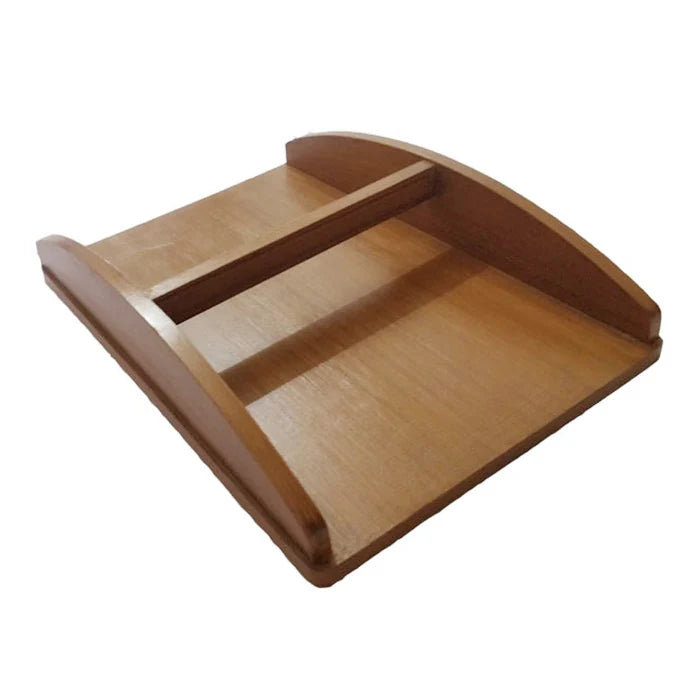
Balance Board Rectangular Wooden


Type: Occupational
Circular Wobble Board


Type: Occupational
Wedges for Physiotherapy & Occupational Therapy – Small, Medium & Large

Type: Occupational
Wooden Balance Board for Core, Legs, Stability & Rehab


Type: Occupational
Equilibrium Board (Rectangular)


Type: Occupational
Prone Crawling Scooter Board for Kids Therapy & Balance Training

Type: Occupational
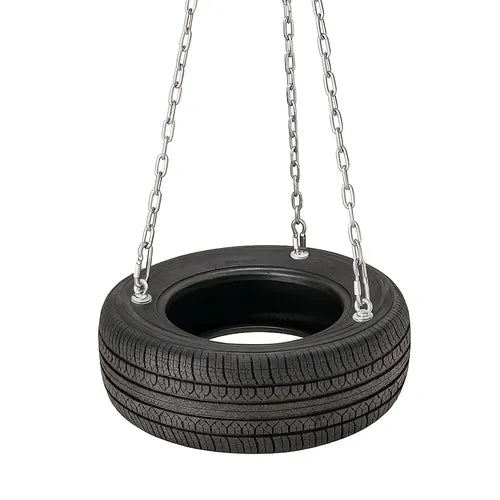
Tyre Swing Delux Quality
Collection:
Choosing the Right Thera Stability Balance Trainer
Selecting the appropriate Thera Stability Balance Trainer can be a pivotal decision in enhancing patient rehabilitation, improving fitness outcomes, and optimizing procurement strategies for healthcare facilities. With a variety of balance trainers available in the market, it's essential to understand their unique features, benefits, and applications to make an informed choice. In this article, we will delve into the key considerations for choosing the right Thera Stability Balance Trainer, examining its impact on balance workouts, core stability, and overall fitness.
This guide explains how to choose the right Thera Stability Balance Trainer by aligning user skill level, primary purpose (rehabilitation vs. fitness), and space constraints with product types such as balance boards, pads, and inflatable stability trainers. It outlines key benefits—core activation, improved proprioception, and injury prevention—along with essential features like surface grip, adjustability, and durability. Representative products (THERABAND Stability Trainer Pad and Thera-Band Balance Board) are highlighted, and emerging smart technologies are noted. The article also provides market insights for distributors targeting rehabilitation, fitness, and senior segments.

Thera Balance and Stability Trainers are specialized equipment designed to improve balance, coordination, and core strength. These trainers are widely used in physical therapy, sports rehabilitation, and fitness training. They come in various forms, including balance boards, pads, and discs, each serving different therapeutic and exercise purposes.
- Balance boards are flat, stable platforms that help users perform balance exercises. They are particularly useful for beginners who are just getting started with balance training. These boards offer a gentle introduction to balance exercises, helping users develop coordination and stability over time. As users progress, they can incorporate more complex exercises, enhancing their overall fitness regimen.
- Thera-Band Stability Trainers are typically inflatable discs or cushions designed to challenge balance and core stability. These trainers are suitable for intermediate to advanced users who wish to intensify their workouts. The instability introduced by these trainers forces the body to engage core muscles more actively, leading to improved strength and endurance. They are versatile tools that can be used in various positions, such as sitting, standing, or kneeling, to target different muscle groups.
- Balance pads are soft, foam-based pads that provide an unstable surface for exercises. They are excellent for rehabilitation and senior fitness programs due to their gentle nature. The pads encourage users to maintain balance, which helps in strengthening stabilizing muscles and improving overall body awareness. Additionally, they are often used in physical therapy settings to aid in the recovery of joint and muscle function, making them an integral part of a comprehensive rehabilitation program.
Incorporating balance training equipment into a fitness or rehabilitation program offers numerous benefits, including:
- Balance exercises are highly effective in engaging the core muscles. By consistently using balance trainers, individuals can develop stronger and more resilient core muscles. This engagement not only promotes strength but also increases endurance, allowing individuals to perform daily activities with greater ease and efficiency. Enhanced core stability contributes to better posture, reduced back pain, and improved athletic performance.
- Regular use of stability trainers can significantly enhance proprioception, which is the body's ability to sense its position in space. This improvement in body awareness leads to better coordination and balance, reducing the likelihood of falls and accidents. As individuals practice balance exercises, they become more adept at controlling their movements, resulting in increased confidence in physical activities and sports.
- Strengthening stabilizing muscles is crucial for injury prevention. Balance trainers help build these muscles, which play a vital role in maintaining joint integrity and preventing excessive movement that can lead to injuries. By incorporating balance exercises into a routine, individuals can reduce the risk of common injuries such as sprains, strains, and fractures. This preventative approach is especially beneficial for athletes and older adults who are more prone to injuries.
- Balance trainers are an integral part of physical therapy programs, aiding in the recovery of joint and muscle function. They provide a safe and controlled environment for individuals recovering from injuries to regain strength and mobility. Balance exercises can be tailored to suit the specific needs of each patient, ensuring a personalized rehabilitation experience. As patients progress, the difficulty level can be adjusted to continue challenging their balance and coordination.
Choosing the right Thera Stability Trainer involves careful consideration of various factors to ensure it meets the user's needs effectively.

Evaluating the specific needs of the users is crucial when selecting a Thera Stability Trainer:
- Understanding the skill level of the user is important in choosing the appropriate trainer. Beginners may benefit from balance boards, which offer a stable and secure platform to start their journey. Intermediate users might prefer Thera-Band Stability Trainers, which provide a moderate challenge, while advanced users can opt for more unstable equipment to push their limits further.
- Consider the primary purpose for which the trainer will be used. If the focus is on fitness, select equipment that enhances core stability and overall strength. For rehabilitation purposes, choose trainers that aid in recovery and improve mobility. Some equipment is versatile enough to cater to both fitness and rehabilitation needs, making them ideal for multi-purpose use.
- Evaluate the available space for using and storing the equipment. Some balance trainers are compact and easy to store, making them suitable for home use. Larger facilities may have more space to accommodate bulkier equipment. It's important to consider the portability of the trainer, especially if it needs to be moved frequently between different locations or rooms.
When choosing a balance trainer, pay attention to the following features:
- The surface texture and material of the trainer are important for ensuring safety and comfort during exercises. Non-slip surfaces provide the necessary grip to prevent accidents and enhance user confidence. Soft and cushioned materials are more comfortable for prolonged use, making them ideal for rehabilitation and senior fitness programs.
- Some trainers offer adjustable difficulty levels to accommodate different user abilities. This feature is especially useful in settings where multiple users with varying skill levels will be using the equipment. Adjustable trainers allow users to gradually increase the challenge as they progress, ensuring continuous improvement and engagement.
- High-quality materials ensure the longevity and resistance of the trainer to wear and tear. Durability is a key consideration, especially in commercial settings where equipment is used frequently. Investing in durable trainers reduces the need for frequent replacements, making it a cost-effective choice in the long run.
Staying informed about the latest trends and innovations in balance training equipment can help in making a strategic decision. Recent advancements have introduced smart balance trainers equipped with sensors and apps that provide real-time feedback and personalized training programs. These innovations cater to tech-savvy consumers who seek an interactive and engaging workout experience. Additionally, understanding market trends can guide distributors and healthcare facilities in selecting products that align with consumer preferences and demands.
Choosing the right Thera Balance Trainer involves understanding the specific features and benefits of each product.
- The THERABAND Stability Trainer Pad is a versatile choice for balance training. Its soft, cushioned surface challenges users to maintain stability, making it ideal for rehabilitation and fitness routines. The pad's design encourages users to engage their core muscles, improving strength and endurance. It is portable, easy to clean, and suitable for all fitness levels, making it a popular choice for both home and professional settings.
- The Thera-Band Balance Board offers a stable platform for beginners to improve balance and coordination. Its durable construction and non-slip surface make it a safe and effective choice for various exercises. The balance board is easy to integrate into existing fitness routines, providing a low-impact workout that enhances core stability. Its simplicity and effectiveness make it a valuable addition to any fitness or rehabilitation program.
For medical equipment distributors and healthcare facilities, understanding the market demand and strategic positioning of Thera Stability Trainers is essential. These trainers are gaining popularity in rehabilitation centers, gyms, and home fitness setups due to their versatility and effectiveness.
Distributors can expand their market reach by targeting diverse segments such as:
- Focus on the therapeutic benefits and recovery support offered by balance trainers. Highlight the role of these trainers in aiding patients' recovery, improving mobility, and enhancing overall physical function. Tailoring marketing strategies to emphasize the rehabilitation advantages can attract healthcare facilities looking to enhance their therapy offerings.
- Highlight the role of balance equipment in enhancing core stability and overall fitness. Emphasize how these trainers can be integrated into various workout routines to provide a unique challenge and improve athletic performance. Engaging fitness enthusiasts with dynamic marketing campaigns and demonstrations can drive interest and sales.
- Emphasize the injury prevention and balance improvement benefits for older adults. Developing targeted marketing strategies that address the specific needs and concerns of older adults can enhance the appeal of balance trainers in this demographic.
Incorporating the latest technological advancements, such as smart sensors and digital feedback, can enhance the appeal of balance trainers and attract tech-savvy consumers. These advancements provide users with valuable insights into their performance, allowing them to track progress and set personalized goals. Embracing technology in marketing strategies can position balance trainers as innovative and cutting-edge solutions for modern consumers.
Choosing the right Thera Stability Balance Trainer involves careful consideration of user needs, product features, and market trends. By understanding the benefits and applications of different balance trainers, healthcare facilities and distributors can make informed decisions that enhance patient care and fitness outcomes. As the demand for effective balance training equipment continues to grow, staying updated with industry innovations and strategic positioning can provide a competitive edge in the evolving healthcare landscape. Balancing tradition with innovation ensures that the Thera Stability Balance Trainer remains a valuable asset in fitness and rehabilitation settings.
Frequently Asked Questions
Question: What benefits can users expect from adding Thera Balance and Stability Trainers to their routine?
Short answer: Regular balance training strengthens the core, enhances proprioception, and helps prevent injuries. By engaging stabilizing muscles, users see better posture, reduced back pain, and improved athletic performance. Improved body awareness lowers the risk of falls and accidents, and exercises can be tailored for rehabilitation to safely restore joint and muscle function with progressive difficulty.
Question: How do balance boards, pads, and inflatable stability trainers differ, and who are they best for?
Short answer:
- Balance boards: Flat, stable platforms ideal for beginners seeking a gentle introduction to coordination and stability.
- Balance pads: Soft foam surfaces suited for rehabilitation and senior fitness due to their forgiving, low-impact instability.
- Inflatable discs/cushions (Thera-Band Stability Trainers): More unstable surfaces for intermediate to advanced users, engaging the core intensely and usable in sitting, standing, or kneeling positions.
Question: Which specific Thera-Band products does the guide highlight, and when should I choose each?
Short answer:
- THERABAND Stability Trainer Pad: A versatile, soft, cushioned pad that challenges balance while remaining comfortable—great for rehab and fitness across all levels; it’s portable and easy to clean.
- Thera-Band Balance Board: A durable, non-slip, stable platform best for beginners and low-impact integration into existing routines to build foundational balance and core control.
Question: What features should I prioritize when comparing Thera Stability Balance Trainers?
Short answer: Focus on surface grip and comfort (non-slip textures and cushioned materials for safety and ease), adjustability (to match multiple users and progression needs), and durability (commercial-grade materials for frequent use). Also consider space and portability—compact, easy-to-store options are ideal for home use or multi-room facilities.
Question: How are smart technologies and market trends influencing product choice for facilities and distributors?
Short answer: Emerging smart trainers with sensors and app connectivity provide real-time feedback and personalized programs, appealing to tech-savvy users and supporting measurable progress. Staying current with these trends helps align inventory with consumer demand and differentiate offerings.