
Filter
6 products
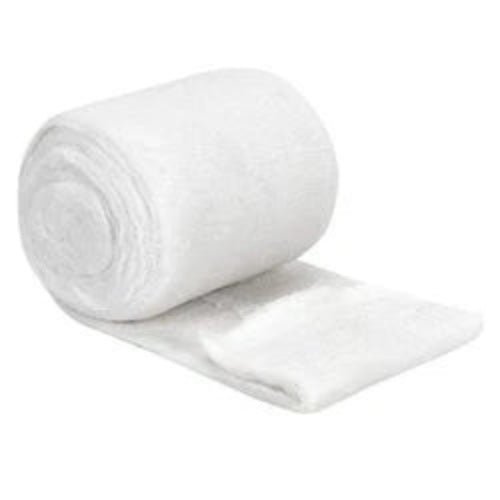
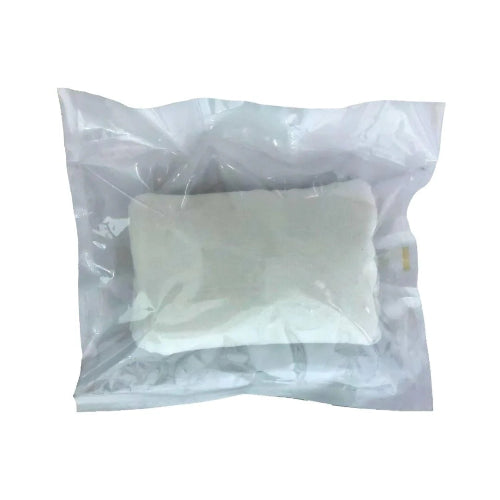
Type: Gauzes
Gamjee Roll Cotton Sterile (Pack of 5)

Type: Gauzes
Abdominal MOP Sponge (50 Pc) Non Sterile 8 Ply X-Ray Detectable Thread

Type: Gauzes
Abdominal MOP Sponge (25Pc) Sterile with Indicator 8 Ply
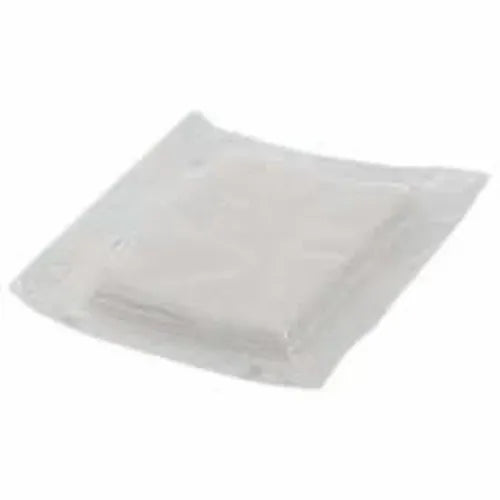
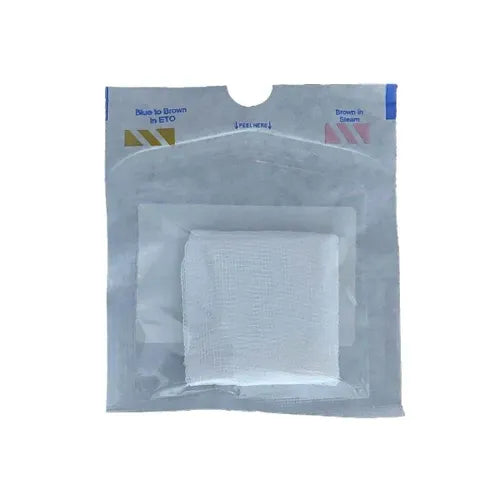
Type: Gauzes
Sterile Gauze 12 Ply Swab Dressing (100 Pc - 25 packs of 4 Each)

Type: Gauzes
Sterile Gauze 12 Ply Swab Dressing (Pack of 4) with Sterility Indicator
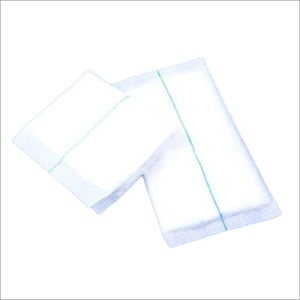
Type: Gauzes
Combine Dressing Pad Sterile with Indicator
Collection:
Sterile Gauze & Wound Care Pads
Sterile Gauze & Wound Care: The Definitive Clinical Guide (2026)
What is a sterile gauze used for? The Bedrock of Aseptic Technique
In the hierarchy of medical consumables, sterile gauze remains the most fundamental tool for ensuring patient safety and promoting physiological healing. A sterile gauze piece is a medical-grade fabric, typically woven from high-quality cotton or non-woven fibers, that has undergone a validated sterilization process—usually Gamma Radiation or Ethylene Oxide (ETO) gas—to eliminate all viable microorganisms.
The primary application of sterile gauze is the management of open wounds. Because an open wound represents a breach in the primary epidermal barrier, any material that comes into direct contact with it must be free of pathogens. Beyond simple coverage, sterile gauze pads serve multiple clinical functions: they facilitate mechanical debridement, manage exudate through capillary action, and provide a scaffold for topical medications.
What is sterile vs non-sterile gauze? The Critical Distinction
For hospital procurement and surgical prep, understanding the difference between sterile vs non-sterile gauze is not just a matter of cost, but of patient outcomes.
Non-Sterile Gauze: These are high-quality goss piece medical supplies that have not undergone a final sterilization cycle. While clean, they may harbor environmental bacteria. Their use is clinically restricted to closed wounds (bruises, intact skin) or as a "secondary dressing." In these cases, the non-sterile gauze is used for cushioning or to apply pressure *over* a primary sterile layer.
Sterile Gauze: These are individually wrapped to maintain an aseptic environment until the moment of use. They are mandatory for surgical sites, lacerations, and any procedure involving breached skin. Using non-sterile gauze on an open wound introduces a high risk of Nosocomial Infections and delayed healing.
Clinical Specifications: Gauze Product Classification
| Feature | Sterile Gauze Pads | Non-Sterile Gauze Pads |
|---|---|---|
| Sterilization | ETO / Gamma Irradiated | Clean but not sterile |
| Primary Use | Open wounds, surgical sites | Closed wounds, secondary dressing |
| Infection Risk | Negligible (Aseptic) | Moderate if used on broken skin |
| Packaging | Individually sealed peel-pouches | Bulk packs or paper-wrapped |
| Typical Cost | Premium Pricing | Cost-Effective / High Volume |
How to use sterile gauze on wounds: A Step-by-Step Protocol
Correct application of sterile gauze is vital to prevent secondary trauma to the wound bed. Clinicians follow the Clean-to-Dirty trajectory:
- Preparation: Wash hands thoroughly and don sterile gloves.
- Cleaning: Use a sterile gauze piece soaked in saline or an antiseptic solution to clean the wound from the center outward.
- Application: Place a fresh sterile gauze pad directly over the wound. Ensure the pad extends at least 1 inch beyond the wound edges.
- Securing: Use medical tape or a non-sterile gauze wrap as a secondary dressing to hold the primary sterile layer in place.
Modern wound care is shifting away from traditional wet-to-dry dressings.
Gauze pads come in 4-ply, 8-ply, and 12-ply variants.
Clinical Applications of Sterile Gauze Pads
The utility of sterile gauze pads extends far beyond simple wound coverage. In a controlled medical environment, they are the primary tool for several critical interventions:
- Hemostasis (Stopping Bleeding): Due to the high-absorbency weave, sterile gauze is used to apply direct pressure to hemorrhaging vessels. The fibers encourage platelet aggregation, helping to form a stable clot in acute lacerations.
- Mechanical Debridement: During dressing changes, a sterile gauze piece is used to gently wipe away slough and necrotic tissue. This "mechanical" cleaning is essential for moving a wound from the inflammatory phase to the proliferative phase of healing.
- Aseptic Cleaning: Before surgical incisions or injections, gauze soaked in Chlorhexidine or Povidone-Iodine is used to disinfect the "surgical field," ensuring that surface pathogens are not pushed into deeper tissue layers.
- Exudate Management: For "weeping" wounds, a 12-ply sterile pad acts as a reservoir, pulling moisture away from the wound bed to prevent periwound maceration (skin breakdown around the injury).
Non-Sterile Gauze: When Sterility is Not the Priority
While sterile gauze is king for open injuries, **Non-Sterile Gauze** serves as the backbone of high-volume clinical logistics. These are essentially the same goss piece medical materials but packaged without the expensive final sterilization step.
Applications for Non-Sterile Variants:
Non-sterile gauze is ideal for closed wounds, such as hematomas or sprains, where the skin is intact but cushioning is required. It is also extensively used as a "Secondary Dressing." In this role, the sterile gauze touches the wound, while the non-sterile gauze is wrapped over it to provide bulk, protection, and compression. Because it is significantly more cost-effective, using non-sterile gauze for these "outer layers" helps hospitals manage tight budgets without compromising patient safety.
Emergency Sterilization: What to do when Sterile Gauze is unavailable
In dire emergencies where a professional sterile gauze piece is not accessible, clinicians recognize a "Field Sterilization" protocol. Note: This should only be used as a last resort.
- Boil: Place clean gauze or cotton cloth in boiling water for at least 3 minutes to kill most vegetative bacteria.
- Drain: Remove with cleaned tweezers onto a surface disinfected with alcohol.
- Disinfect: Apply Povidone-Iodine directly to the cloth before application to the wound to act as a chemical barrier against re-contamination.
Warning: Signs of Wound Infection
Even when using the best sterile gauze, wounds must be monitored. If you observe the following, consult a medical professional immediately:
Professional Quick Tips for Procurement
Which one should your clinic stock?
Keep gauze in a cool, dry place.
Procurement Guide: Buying Gauze Products Online in India
In the evolving digital landscape of 2026, purchasing sterile gauze and other wound care essentials has transitioned from traditional wholesale browsing to streamlined online procurement. For hospitals and clinics in India, the challenge is no longer "availability," but "quality verification."
When you Buy Gauze Products Online in India, it is imperative to check for ISO 13485 certification and CDSCO registration. High-quality goss piece medical supplies must feature tamper-evident packaging to guarantee that the sterility remains uncompromised during the logistics chain, especially in high-humidity regions. Platforms like MeddeyGo have specialized in this niche, providing clinical-grade sterile gauze pads that meet the rigorous standards of Tier-1 surgical units.
Mechanical Debridement of Wounds: The Gauze Methodology
One of the most technically demanding uses of a sterile gauze piece is "Mechanical Debridement." This is the process of removing non-viable tissue (slough) that hinders the formation of healthy granulation tissue.
The Technique: Clinicians use a slightly moistened sterile gauze pad and apply gentle friction to the wound bed. The textured surface of the woven gauze "catches" the necrotic debris, pulling it away as the gauze is moved. This is often preferred in chronic wound management (like diabetic foot ulcers) because it is less invasive than surgical debridement but highly effective in reducing the bacterial load within the wound.
Decision Matrix: Choosing Between Sterile & Non-Sterile
| Clinical Scenario | Recommended Gauze | Logic / Rationale |
|---|---|---|
| Post-Surgical Incision | Sterile (Primary) | Mandatory to prevent site infections (SSI). |
| Compression for Bruises | Non-Sterile | Skin is intact; cost-efficiency is prioritized. |
| Chronic Ulcer Cleaning | Sterile (Primary) | High risk of biofilm formation and sepsis. |
| Securing an IV Catheter | Non-Sterile (Secondary) | Used over the adhesive to provide cushion. |
| Minor Scrapes (At Home) | Sterile | Safer to prevent complications and scarring. |
Understanding Ply: From 4-Ply to 12-Ply Variants
The term "Ply" refers to the number of layers of fabric folded into a single sterile gauze piece. Choosing the correct ply is essential for efficient fluid management:
- 4-Ply: Best for thin-layer protection or applying ointments. It offers maximum breathability.
- 8-Ply: The standard all-purpose goss piece medical choice for moderate exudate and general cleaning.
- 12-Ply & 16-Ply: Reserved for heavy bleeding or highly exudative wounds. These provide significant "loft" and cushioning, making them ideal for high-impact injury sites.
Clinical Note: The Hazard of "Linting"
Woven sterile gauze can shed tiny fibers (lint) into the wound bed. These fibers act as foreign bodies that can trigger inflammation or granuloma formation. For deep cavity wounds, always consider Non-Woven Sterile Gauze, which is specifically engineered to be lint-free, ensuring a cleaner healing environment.
Avoid touching sterile gauze with gloved hands if possible.
Which tape should you use with gauze?
Expert FAQ: Advanced Wound Management & Gauze Science
1. What is the fundamental difference between sterile and non-sterile gauze in a surgical context?
The distinction between sterile gauze and non-sterile gauze is defined by the presence or absence of viable microorganisms. In a surgical or Operating Theatre (OT) context, this is a binary choice: if the skin barrier is breached, only sterile products are permissible. Sterile gauze undergoes rigorous validation processes, such as Gamma Irradiation or Ethylene Oxide (EtO) gas exposure, which penetrate the packaging to destroy bacteria, viruses, and fungal spores at a molecular level. This ensures a Sterility Assurance Level (SAL) of 10^-6, meaning there is less than a one-in-a-million chance of a viable microbe surviving.
Non-sterile gauze, conversely, is manufactured in "clean" environments but does not undergo this final terminal sterilization. While it appears identical, non-sterile goss piece medical supplies can harbor environmental contaminants that, while harmless on intact skin, can cause devastating infections like Staphylococcus aureus or Pseudomonas when placed in contact with raw tissue. Therefore, surgeons utilize sterile gauze for the primary "contact layer" and may only use non-sterile gauze as a secondary outer wrap for compression or bulk.
2. How should a clinician choose between woven and non-woven sterile gauze pieces?
The choice between woven and non-woven sterile gauze pieces depends entirely on the clinical objective: Debridement vs. Protection. Woven gauze is characterized by a traditional cross-hatch pattern of cotton threads. This texture is intentionally "rougher" at a microscopic level, making it the ideal tool for mechanical debridement. When a wet-to-dry dressing is removed, the woven fibers "grab" onto necrotic debris and slough, pulling it away from the wound bed. However, this same property can cause pain and trauma to healthy granulation tissue if the gauze sticks to the wound.
Non-woven gauze is manufactured by pressing fibers together (resembling felt) rather than weaving them. This results in a much smoother surface that is essentially lint-free. Clinicians prefer non-woven sterile gauze pads for deep cavity wounds or surgical sites where "fiber shedding" must be avoided. Furthermore, non-woven gauze typically has a higher absorbency-to-weight ratio, making it superior for managing heavy exudate without the bulk of traditional woven pads.
3. What are the specific steps for using sterile gauze to stop heavy arterial or venous bleeding?
When managing acute hemorrhage,acts as a mechanical catalyst for the body’s natural clotting cascade. The protocol begins with Direct Pressure. A thick stack of 12-ply sterile gauze pads should be placed directly over the site of the bleed. The clinician must apply firm, uninterrupted pressure for at least 5 to 10 minutes. The gauze fibers provide a large surface area for fibrin and platelets to adhere to, facilitating the formation of a primary platelet plug.
It is a critical clinical error to lift the gauze to "check" if the bleeding has stopped, as this can tear away nascent clots. If the initial sterile gauze piece becomes saturated (blood-soaked), do not remove it. Instead, place additional layers of sterile gauze directly on top of the original layer. Removing the first layer disrupts the clotting matrix. Once bleeding is controlled, the gauze stack is secured with a tight compression bandage. In cases of deep arterial bleeds, "wound packing"—where sterile gauze is fed directly into the wound cavity—may be necessary to apply pressure from the inside out.
4. Can non-sterile gauze be effectively sterilized in a clinic using a steam autoclave?
Technically, yes, but with significant caveats regarding Validation and Packaging. Many hospitals purchase bulk non-sterile goss piece medical rolls and cut them into specific sizes to be sterilized in-house via a steam autoclave. The autoclave uses high-pressure saturated steam (typically at 121°C or 134°C) to denature microbial proteins. However, for this gauze to remain sterile until the point of use, it must be wrapped in specialized "Autoclave Paper" or "Peel Pouches" that allow steam penetration but block bacterial entry post-cycle.
The risk with in-house sterilization is "Wet Packs." If the drying cycle is insufficient, moisture remains trapped within the gauze layers. This moisture acts as a "wick" for bacteria to travel from the outside environment through the paper into the gauze, rendered it non-sterile within minutes. For high-stakes surgeries, most modern clinics prefer pre-packaged, factory-certified sterile gauze pads because they come with a guaranteed, long-term shelf life and chemical indicators that prove the sterilization was successful.
5. What are the clinical indicators that a wound dressing needs to be changed immediately?
A sterile gauze dressing is not a "set-and-forget" tool; it requires constant monitoring. The most obvious indicator for an immediate change is "Strike-Through." This occurs when wound exudate (fluid) saturates the gauze and reaches the outer surface of the dressing. Once a dressing is wet all the way through, it creates a "liquid bridge" that allows bacteria to crawl from the outside environment into the wound.
Other clinical triggers include a sudden pungent odor, which may indicate anaerobic bacterial growth, or the patient reporting increased localized throbbing pain. If the surrounding skin (periwound) appears white and wrinkled (macerated), it indicates the current sterile gauze piece lacks sufficient absorbency for the wound's drainage level, requiring a move to a higher-ply or non-woven variant. Finally, if the dressing becomes soiled by external contaminants (urine, feces, or environmental dirt), it must be replaced under aseptic conditions immediately to prevent sepsis.
6. How does sterile gauze contribute to the debridement of chronic wounds like diabetic ulcers?
In chronic wound care, the presence of "Slough" (yellow, stringy dead tissue) and "Biofilm" (a protective layer created by bacteria) prevents healing. Sterile gauze is used for Mechanical Debridement, which is often the first line of defense before more invasive surgical options. By using a "Wet-to-Damp" technique, the gauze is moistened with saline, applied to the slough, and allowed to partially dry. As the clinician gently removes the gauze, the weave "hooks" onto the softened dead tissue.
This process is essential for stimulating Granulation—the growth of new connective tissue and tiny blood vessels. While some modern gels can chemically debride a wound, the use of a sterile gauze piece allows for immediate, visible removal of barriers to healing. It also allows the clinician to inspect the wound bed closely during each change. When you Buy Gauze Products Online in India for chronic care, sourcing 100% cotton woven sterile gauze is recommended specifically for this "cleansing" capability.
The MeddeyGo Procurement Advantage
Sourcing sterile gauze in the Indian market requires a partner that understands the high-stakes nature of surgical sterility. MeddeyGo is that partner.
- Verified Sterility: All our sterile gauze pads are ETO-sterilized with valid chemical indicators on every pouch.
- Material Diversity: From 4-ply non-woven lint-free gauze to 12-ply heavy-duty woven cotton, we stock the full clinical spectrum.
- Optimized Logistics: Our packaging is designed to withstand the tropical humidity of India, ensuring seals remain intact from our warehouse to your OT.
- Institutional Pricing: We offer tiered bulk pricing for hospitals and clinics, making it easier to maintain high standards of wound care while managing operational costs.
Final Summary: Excellence in Wound Management
By understanding the nuances between woven and non-woven, sterile and non-sterile, and the various plys available, medical professionals can tailor their wound care strategies for maximum efficacy. Trust MeddeyGo to provide the certified, clinical-grade supplies your facility needs to provide world-class patient care.
QUALITY CARE. STERILE PRECISION. MEDDEYGO.