Filter
12 products
Type: General Accessories
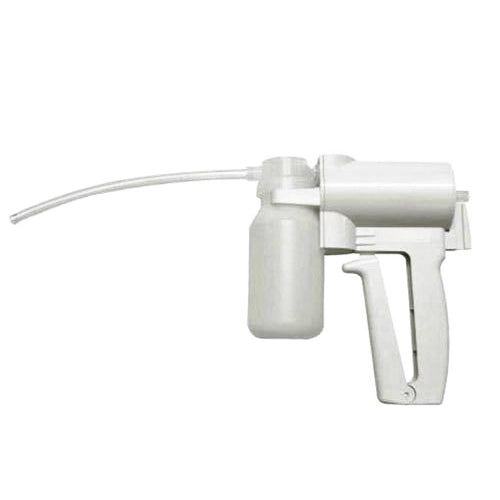
Hand Suction Machine
Type: General
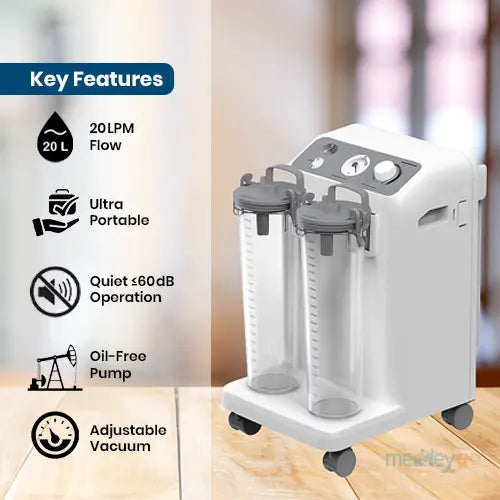
Yuwell 20 LPM Electric Suction Apparatus with Polycarbonate Jars
Type: Suction Machine
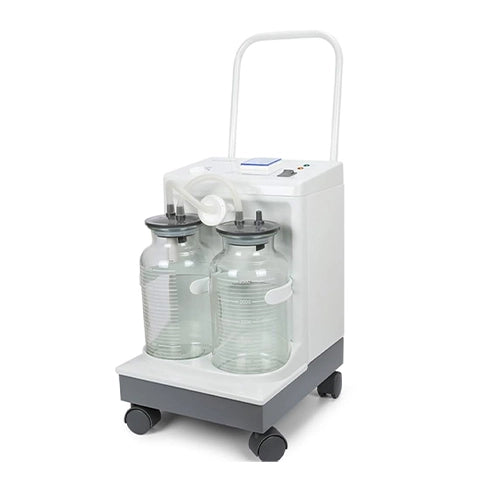
Yuwell Portable Suction Machine 7E-A for Medical Use
Type: General
Suction Machine Half HP for Clinical Use
Type: Suction Machine
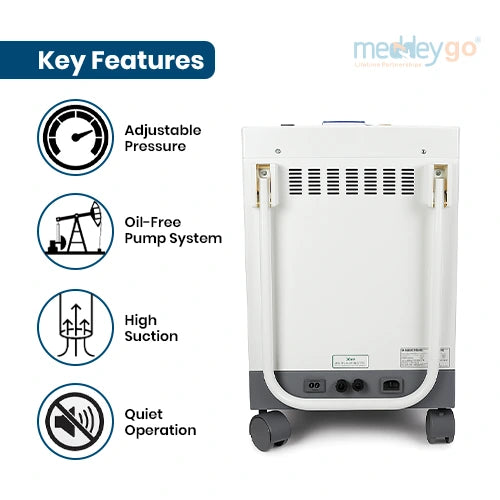
Double Jar Suction Machine Electric for phlegm suction Machine
Type: General
Yuwell Suction Apparatus 2 bottles 40LPM, 1 HP
Type: Suction Machine
Double Bottle Suction Machine Electric for phlegm suction Machine
Type: General Accessories
Portable Phlegm Suction Machine AC DC Battery 7E-G1
Type: MeddeyGo
Portable Suction Machine AC DC
Type: Critical Care
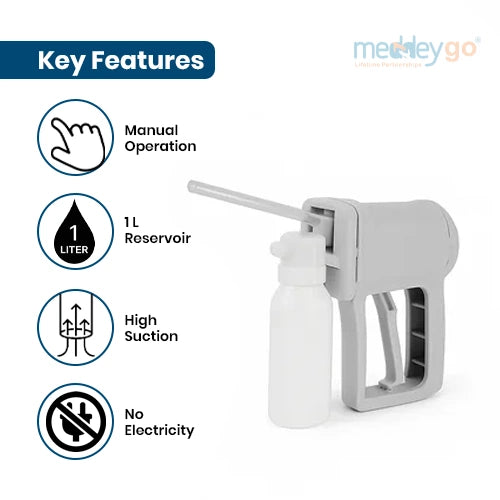
Accusure Manual Suction Machine For Medical
Type: General
Yuwell Suction 1HP Machine 40LPM Double Bottle
Type: General Accessories
Pedal Suction Apparatus from Yuwell
Collection:
Suction Machine Pressure: Safe Fluid Removal
Clear Airway Support Starts With the Right Suction Machine
A suction machine is one of the most practical devices used in medical care when unwanted fluids, mucus, saliva, blood, vomit, or secretions need to be removed safely from an airway or treatment area. In many hospitals, clinics, emergency rooms, ICUs, ambulances, dental units, and home-care settings, this device supports cleaner care and better visibility during treatment.
Many buyers also call it a suction apparatus, suction device, vacuum suction machine, sucking machine, medical suction machine, or saksan machine. Some users may even type saksham machine or section machine price while searching online. These spelling variations usually point to the same product category: a device that creates negative pressure to remove fluids or secretions through tubing and collection canister.
The need for a suction machine becomes very important when a patient cannot clear secretions properly. In such situations, trained healthcare staff may use suction support to help maintain a clear passage. Also, in dental and surgical procedures, suction helps remove saliva, blood, irrigation fluid, and debris from the working field. As a result, the doctor or dentist can work with better visibility and control.
However, this device must be used responsibly. A suction machine is not a general household gadget. It is a medical device that requires correct selection, suitable pressure control, trained handling, clean tubing, proper canister disposal, and regular maintenance. Therefore, anyone buying a suction machine for home use should do so only after medical advice and caregiver training.
What Is a Suction Machine?
A suction machine is a device that creates vacuum pressure to draw out fluids or secretions. It usually includes a motor or pump, suction tubing, collection jar, filter, regulator, gauge, and suction catheter or tip depending on the use. The collected fluid goes into a container so it can be handled and disposed of safely.
In hospitals, a suction apparatus may be used during emergency airway care, surgical procedures, dressing procedures, wound care, dental treatment, and post-operative management. In home care, selected patients may need suction support when they cannot clear secretions on their own. Yet, home use should always follow a doctor’s advice and a caregiver’s training plan.
A suction machine does not treat the disease itself. Instead, it supports care by removing secretions or fluid when needed. For example, a cough suction machine may be discussed for patients who cannot cough effectively. Still, the reason for poor coughing must be assessed by a healthcare professional.
Simple Meaning
A suction machine is a medical device that uses vacuum pressure to remove mucus, saliva, blood, vomit, or other secretions through tubing into a collection canister.
How a Suction Apparatus Works
A suction apparatus works by producing negative pressure. This pressure pulls fluid or secretion through the suction tube and directs it into a collection jar. The pressure level is controlled with a regulator, while a gauge helps the user monitor the suction pressure. In addition, filters help protect the machine from contamination and fluid entry.
Most electric suction machines use a pump powered by electricity. Some portable models may have battery support. Manual suction devices are also available for emergency or backup use. However, electric models are more common in clinics, hospitals, dental setups, and home-care plans.
Because suction involves patient contact, hygiene is very important. Tubing, canister, catheter, and filter care should follow the product manual and facility protocol. If cleaning is poor, infection risk may increase. Therefore, suction machine parts should be checked before every use.
- The pump creates negative pressure.
- The regulator controls suction strength.
- The gauge shows suction machine pressure.
- The tubing carries secretions into the collection jar.
- The canister stores collected fluid safely.
- The filter protects the pump from fluid and contamination.
- The suction tip or catheter connects the device to the treatment area.
Important Suction Machine Parts
Understanding suction machine parts helps buyers compare devices more confidently. A good device should have a strong pump, easy pressure control, clear gauge, durable tubing, stable collection bottle, overflow protection, bacterial filter, and a practical carrying design if portability is needed.
The collection jar should be easy to remove and clean. Also, the lid should seal properly because air leakage can reduce suction strength. The tubing should be flexible but strong. If tubing becomes cracked, blocked, or loose, suction performance may fall. In addition, the suction regulator should allow controlled adjustment because different clinical needs may require different pressure levels.
| Part | Purpose | Buyer Checkpoint |
|---|---|---|
| Pump / Motor | Creates vacuum suction | Check power, durability, and continuous-use suitability |
| Vacuum Regulator | Controls suction machine pressure | Should adjust smoothly and safely |
| Vacuum Gauge | Shows pressure level | Should be easy to read |
| Collection Jar | Collects suctioned fluid | Check capacity, seal, and cleaning ease |
| Suction Tubing | Carries fluid to the jar | Should be flexible, durable, and leak-free |
| Filter | Protects pump and reduces contamination risk | Check replacement availability |
| Suction Tip / Catheter | Connects to airway or procedure area | Use only suitable sterile or clean accessories as advised |
Types of Suction Machine
There are several types of suction machine, and each type serves a different purpose. A hospital may require a heavy-duty medical suction machine for repeated use. A dental clinic may need a dental suction machine for saliva and fluid removal during procedures. A home-care patient may need a compact machine under medical supervision. Therefore, the correct type depends on setting, patient need, and usage frequency.
A mini suction machine is useful when portability is important. A vacuum suction machine is a common term used for standard electric suction devices. A cough suction machine may be searched by caregivers managing patients with weak cough or heavy secretions. However, caregiver use should be trained and medically guided.
| Type | Common Use | Best For |
|---|---|---|
| Medical Suction Machine | Airway care, procedure support, ward use, emergency setup | Hospitals, clinics, nursing homes, emergency rooms |
| Portable Suction Machine | Movable suction support | Home care, ambulance, bedside care, mobile medical units |
| Dental Suction Machine | Saliva, water, debris, and blood removal during dental care | Dental clinics and oral procedure rooms |
| Cough Suction Machine | Secretions support for patients with weak cough | Selected home-care or clinical patients under supervision |
| Mini Suction Machine | Compact suction support | Users who need smaller size and easier movement |
| Manual Suction Device | Backup or emergency suction where electricity is unavailable | Emergency kits and basic field support |
Medical Suction Machine in Clinical Settings
A medical suction machine is widely used in hospitals, operation theatres, emergency departments, ICUs, wards, and procedure rooms. It can support airway clearance, surgical field cleaning, wound fluid removal, and emergency care. Because these settings require reliability, the machine should have strong suction capacity, stable pressure control, good collection capacity, and easy cleaning.
As a result, a medical suction machine is considered essential equipment in many healthcare setups.
For clinical buyers, durability is very important. The device may be used repeatedly throughout the day. Therefore, it should have a strong pump, suitable duty cycle, good tubing quality, and reliable service support. In addition, spare parts should be easily available.
Airway Support
Helps trained staff remove secretions when patients cannot clear them effectively.
Procedure Support
Helps remove blood, saliva, irrigation fluid, or debris during clinical procedures.
Emergency Readiness
Supports emergency rooms, ambulances, wards, and bedside care setups.
Hygiene Workflow
Uses tubing, filters, and canisters to support cleaner fluid collection.
Suction Machine for Home Use
A suction machine for home use may be recommended for selected patients who cannot clear secretions properly. This may include patients with neurological conditions, tracheostomy care needs, weak cough, post-operative secretion management, or long-term home-care requirements. However, the decision should come from a doctor or trained care team.
Home caregivers must be trained before using the device. They should know when suction is needed, how to set the pressure as advised, how to keep the equipment clean, how to check tubing, how to dispose of collected fluid, and when to call medical help. Also, they should never perform deep or invasive suctioning without proper training and medical instruction.
For home use, portability, low noise, easy cleaning, clear pressure control, battery backup, and spare part availability are important. Since home users may not have technical knowledge, the machine should be simple and supported by a clear user manual.
Home-Care Safety Note
A suction machine for home use should be purchased and used only with medical advice, caregiver training, correct pressure guidance, and a clear emergency plan.
Cough Suction Machine: Correct Understanding
The term cough suction machine is often used by caregivers when a patient has difficulty clearing mucus. A suction machine may help remove secretions from the mouth, throat area, or airway access point when clinically advised. However, it does not make the lungs healthy by itself and it does not treat the root cause of mucus production.
Patients with weak cough may have neurological disease, respiratory illness, post-surgical weakness, tracheostomy care needs, or other medical conditions. Therefore, suction support should be part of a broader care plan. The plan may include medicines, nebulization, hydration guidance, physiotherapy, positioning, breathing exercises, or emergency review depending on diagnosis.
Caregivers should not overuse suction. Excessive or incorrect suctioning may cause discomfort, irritation, bleeding, or oxygen drop in sensitive patients. Therefore, use should be guided by trained healthcare professionals.
Vacuum Suction Machine and Suction Machine Pressure
A vacuum suction machine creates negative pressure to pull fluids through tubing. The strength of this negative pressure is often described as suction pressure. Suction machine pressure must be controlled because different uses require different suction levels. Too little pressure may be ineffective, while too much pressure can be unsafe or uncomfortable.
The correct pressure depends on patient age, clinical condition, suction site, catheter size, and healthcare protocol. For this reason, the pressure setting should follow medical instruction or facility policy. Buyers should choose a device with a readable gauge and smooth regulator so the operator can adjust pressure carefully.
For hospitals and clinics, pressure stability matters. A machine with fluctuating suction may reduce procedure quality. Also, if the collection jar seal is weak or tubing has leakage, pressure may drop. Therefore, maintenance is just as important as machine power.
Pressure Control Reminder
Suction machine pressure should be adjusted only according to medical guidance, patient condition, procedure need, and product instructions.
Dental Suction Machine
A dental suction machine is used in dental clinics to remove saliva, blood, water spray, and small debris during dental procedures. It helps the dentist maintain a cleaner working area and improves patient comfort. Dental suction is especially useful during scaling, extraction, restorative work, oral surgery, and other chairside procedures.
Dental suction requirements may differ from general airway suction. A dental clinic may need continuous suction, high-volume evacuation, saliva ejector systems, or chair-mounted suction support. Therefore, dental buyers should check whether the device is designed for dental workflow rather than general medical suction only.
Important buying points include suction capacity, noise level, canister design, tubing compatibility, chair connection, cleaning ease, and maintenance support. Also, infection-control practices are essential because dental suction handles saliva and fluid aerosols.
Mini suction machine price depends on motor quality, suction capacity, jar capacity, battery option, accessories, filter system, brand, warranty, and service support. Mini models are useful when space is limited or portability is important. However, a smaller machine may not be suitable for heavy-duty hospital use.
Before buying a mini model, check whether it meets the required suction pressure and flow. Also, check whether the collection jar is large enough for the intended use. If the machine is used frequently, a very small canister may need repeated emptying. In addition, battery-powered models should be checked for charging time and backup duration.
- Check suction strength and pressure range.
- Compare jar capacity and overflow protection.
- Check battery backup if portability is required.
- Review tubing and filter replacement availability.
- Check device noise level for home or bedside use.
- Compare warranty and after-sales service.
- Choose a compact model only if it meets the actual clinical need.
Suction Machine Price and Section Machine Price
Suction machine price varies widely because machines differ in capacity, pump power, jar size, pressure range, portability, battery support, brand, warranty, and application. A small home-care suction device may cost differently from a heavy-duty hospital suction apparatus. Similarly, a dental suction machine has different design needs and price points.
Some users type section machine price while searching for suction machine price. This is usually a spelling error, but sellers may still see this search variation. Price should always be compared with product specifications. A low-cost machine may not be suitable if it has weak suction, poor canister sealing, limited parts availability, or no service support.
| Price Factor | Why It Matters |
|---|---|
| Pump Power | Stronger pumps may support better suction performance and higher workload. |
| Jar Capacity | Larger canisters reduce frequent emptying during heavy use. |
| Pressure Range | Adjustable pressure improves clinical flexibility. |
| Portability | Portable and battery-based models may cost more. |
| Noise Level | Lower noise improves comfort in home and bedside settings. |
| Accessories | Tubing, filters, jars, and catheters affect total value. |
| Warranty | Service and warranty support improve long-term reliability. |
How to Choose the Best Suction Device
Choosing the right suction device starts with the use setting. A hospital needs a different machine from a home-care patient. A dental clinic needs different suction support from an ambulance. Therefore, buyers should first identify where the device will be used and how often it will run.
Next, check the technical points. These include suction pressure range, flow rate, jar capacity, filter type, tubing size, weight, power source, battery backup, and noise level. In addition, check whether spare parts are easily available. A machine with unavailable filters or jars may become difficult to maintain later.
- Choose medical suction machine for clinical and hospital use.
- Choose dental suction machine for dental procedure support.
- Choose portable suction machine for home care, ambulance, or bedside movement.
- Choose mini suction machine only when compact use is enough.
- Check suction machine parts before buying.
- Compare suction machine pressure range and regulator quality.
- Check jar capacity, tubing, filter, and overflow protection.
- Review warranty, service, and spare part availability.
Cleaning, Maintenance, and Infection Control
Cleaning is a major part of suction machine use. The collection jar, tubing, filters, and suction accessories can come in contact with body fluids. Therefore, cleaning and disinfection should follow the user manual and healthcare protocol. In clinical settings, staff should follow biomedical waste and infection-control rules.
The collection jar should not be allowed to overfill. If fluid enters the pump, the machine may get damaged and contamination risk may increase. Also, filters should be replaced when needed. A clogged filter can reduce suction performance. Tubing should be checked for cracks, blockage, and leakage.
For home use, caregivers should receive training on safe cleaning and disposal. They should wear protective equipment if advised and wash hands before and after handling the machine. If the machine smells unusual, makes abnormal noise, loses suction, or shows fluid leakage, it should be checked before further use.
| Maintenance Step | Recommended Practice | Why It Matters |
|---|---|---|
| Jar Cleaning | Empty and clean collection jar as instructed. | Reduces odor, contamination, and overflow risk. |
| Filter Check | Replace filter when blocked or as per schedule. | Protects pump and supports suction performance. |
| Tubing Inspection | Check tubing for cracks, leaks, or blockage. | Prevents weak suction and unsafe operation. |
| Pressure Testing | Check pressure before clinical use. | Ensures device is ready and regulator works. |
| Service Support | Use trained service personnel for repairs. | Protects device safety and warranty. |
Common Buying Mistakes
One common mistake is buying a suction machine only by price. A low price may look attractive, but the machine may have weak suction, poor jar quality, noisy operation, or limited spare parts. Another mistake is buying a mini suction machine for heavy clinical use. If the machine is not designed for frequent workload, it may fail early.
Some buyers also ignore suction machine pressure range. If the pressure is not adjustable enough, the machine may not suit different care needs. In addition, many buyers forget to check filter availability, tubing compatibility, and warranty support. These points are important for long-term use.
| Mistake | Problem | Better Choice |
|---|---|---|
| Buying only by lowest price | May lead to weak suction or poor durability | Compare pressure, jar, pump, warranty, and service |
| Ignoring use setting | Wrong machine for home, dental, or hospital use | Choose according to clinical requirement |
| No spare part check | Filters and jars may be hard to replace | Confirm accessory availability before buying |
| Wrong pressure range | May be unsafe or ineffective | Choose adjustable pressure with readable gauge |
| Poor cleaning plan | May increase contamination risk | Follow cleaning and infection-control protocol |
When to Seek Medical Help
A suction machine may support secretion removal, but it cannot replace emergency care. If a patient has severe breathing difficulty, bluish lips, choking, unconsciousness, chest pain, repeated vomiting, blood in secretions, fever with breathing distress, or oxygen saturation drop, urgent medical support is needed.
Caregivers should not keep suctioning repeatedly if the patient is worsening. Instead, they should contact a doctor or emergency service. Also, if suction causes bleeding, severe discomfort, breathlessness, or sudden distress, stop and seek medical guidance.
Emergency Reminder
A suction machine supports care, but severe breathing difficulty, choking, blue lips, unconsciousness, or worsening condition needs urgent medical help.
FAQs
What is a suction machine?
A suction machine is a medical device that creates vacuum pressure to remove mucus, saliva, blood, vomit, or other secretions through tubing into a collection canister.
What is suction apparatus?
A suction apparatus is another name for a suction machine. It is used in hospitals, clinics, dental setups, ambulances, and selected home-care settings.
What affects suction machine price?
Suction machine price depends on pump power, pressure range, jar capacity, portability, battery support, tubing, filters, brand, warranty, and service support.
Can suction machine be used at home?
Yes, suction machine for home use may be advised for selected patients. However, it should be used only with medical advice, caregiver training, and proper cleaning guidance.
What are suction machine parts?
Common suction machine parts include pump, vacuum regulator, pressure gauge, collection jar, suction tubing, filter, catheter, suction tip, and power cord.
What is cough suction machine?
Cough suction machine is a buyer term for suction support used in patients who cannot clear secretions effectively. It should be used only under medical guidance.
What is vacuum suction machine?
A vacuum suction machine is a suction device that creates negative pressure to pull fluids or secretions into a collection container.
What is suction machine pressure?
Suction machine pressure is the negative pressure created by the machine. It should be adjusted according to medical advice, patient need, and procedure type.
What is dental suction machine?
A dental suction machine removes saliva, blood, water spray, and debris during dental procedures to improve visibility and patient comfort.
What is medical suction machine?
A medical suction machine is used in clinical settings for airway care, surgical support, emergency use, wound care, and procedure-related fluid removal.
What affects mini suction machine price?
Mini suction machine price depends on suction capacity, jar size, battery backup, portability, accessories, filter system, warranty, and brand support.
Is saksan machine the same as suction machine?
Saksan machine is a common spelling variation used by buyers. It usually refers to a suction machine or suction apparatus.
Conclusion
A suction machine is an essential medical device used for safe removal of mucus, saliva, blood, vomit, and other secretions in hospitals, clinics, dental setups, emergency care, and selected home-care situations. Whether buyers search for suction, suction apparatus, suction machine price, suction machine for home use, suction machine parts, cough suction machine, vacuum suction machine, sucking machine, suction device, saksan machine, types of suction machine, section machine price, suction machine pressure, dental suction machine, medical suction machine, mini suction machine price, or saksham machine, the right selection should depend on use setting, suction pressure, jar capacity, portability, cleaning needs, spare parts, warranty, and training. Most importantly, suction support should be used safely, hygienically, and under proper medical guidance when patient care is involved.