


Type: Surgical Accessories
Medical Skin Marker Pen with Ruler for Surgical & Clinical Marking
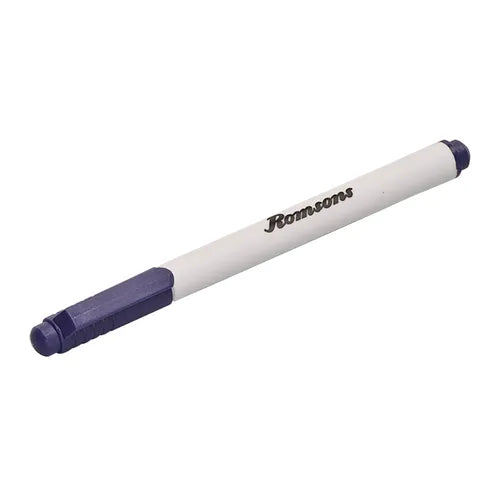
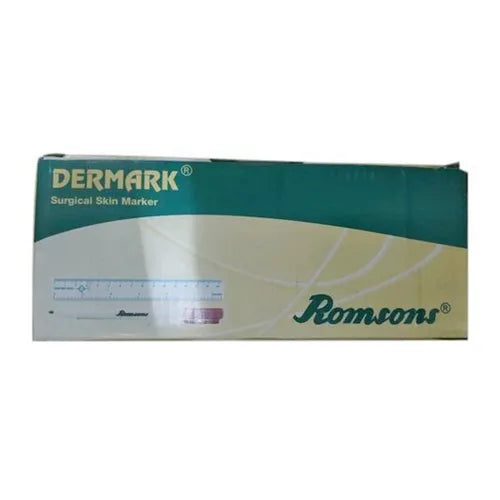
Type: Surgical
Romsons Dermark Surgical Skin Marker (Pack of 10)
Collection:
Choosing the Right Surgical Skin Marker
In the rapidly evolving world of healthcare technology, precision and safety are paramount. One crucial yet often overlooked tool in surgical procedures is the surgical skin marker. These markers play a vital role in enhancing surgical accuracy, preventing errors, and ultimately contributing to better patient outcomes. This article delves into the world of surgical skin markers, providing insights into their applications, characteristics, and the factors to consider when choosing the right one for your medical practice.
urgical skin markers are critical tools for procedural accuracy and patient safety, using durable, medical-grade inks—commonly purple for high contrast—to guide incisions and landmarks. Selecting the right marker depends on ink longevity and visibility, compatibility with antiseptics, drapes, and gloves, and ergonomic design for precise use. They are widely used in preoperative planning, plastic and reconstructive surgery, and oncology/radiation therapy. Multiple brands, including Meddeygo and others, offer options tailored to different clinical needs and budgets.

Surgical skin markers are specialized tools used by healthcare professionals to mark the skin prior to surgical procedures. Their primary function is to outline incision sites, demarcate areas for surgery, and highlight anatomical landmarks. These markers are essential for ensuring that surgical procedures are carried out with precision, thereby reducing the risk of errors and improving patient safety.
What Is a Surgical Skin Marker?
A surgical skin marker is a pen-like device filled with medical-grade ink that is safe for use on human skin. These markers are designed to create visible and durable markings on the skin, which remain intact throughout the surgical procedure. The ink used in surgical skin markers is typically non-toxic, resistant to washing, and can withstand the use of antiseptics and surgical drapes. This ensures that markings do not fade during the procedure, providing continuous guidance for the surgical team.
Furthermore, the design of the surgical skin marker is tailored for ease of use in high-pressure situations. The pen-like structure allows for controlled application, ensuring that markings are both precise and reliable. This aspect is crucial, especially in complex surgeries where even a slight deviation could lead to significant complications.
Surgical skin markers are available in different forms, including single-use and reusable options. Single-use markers are often favored for their sterility and convenience, reducing the risk of cross-contamination between patients. On the other hand, reusable markers may offer cost savings for facilities performing a high volume of surgeries.
Why Are Surgical Skin Markers Purple?
- The choice of purple as the standard color for surgical skin markers is not arbitrary. Purple ink provides a high contrast against various skin tones, making it easily visible to surgeons and medical staff. This visibility is crucial in maintaining the integrity of surgical markings, ensuring that they remain distinct and clear even under the bright lights of the operating room.
- Purple ink's effectiveness lies in its ability to stand out against both light and dark skin tones. This is particularly important in diverse patient populations, where visibility challenges could lead to errors. The high contrast of purple ink aids in reducing such risks, promoting better surgical outcomes.
- Additionally, the use of purple ink has been studied for its psychological impact on both patients and surgical staff. The color is often associated with calmness and focus, which can contribute to a more controlled and precise surgical environment. This subtle psychological effect may enhance the overall efficiency of the surgical team.
- The durability of purple ink is another factor that makes it ideal for surgical use. The color's chemical composition allows it to adhere to the skin effectively, resisting smudging and fading. This ensures that markings remain intact throughout the surgical process, providing a reliable guide for the surgical team.
Factors to Consider When Choosing a Surgical Skin Marker
Selecting the right surgical skin marker involves careful consideration of several factors. These include the ink's longevity, the marker's ease of use, and its compatibility with other surgical materials.
Ink Longevity and Visibility

A common question posed by healthcare professionals is, "How long do surgical skin markers last?" The longevity of the ink is a critical factor to consider. Ideally, surgical skin markers should provide markings that last long enough to cover the entire duration of the surgical procedure without fading. This ensures that surgical teams can rely on the markings for accurate guidance throughout the operation.
The longevity of the ink is particularly important in lengthy surgeries, where fading markings could lead to confusion or errors. Therefore, high-quality markers are designed to maintain their visibility from the initial incision to the final suture. This reliability can enhance the surgical team's confidence, knowing that the markings will not compromise their work.
Visibility is equally crucial, as it directly impacts the surgical team's ability to perform procedures accurately. Markers should provide clear, distinct lines that are easily discernible under various lighting conditions, including the intense illumination of operating rooms. This ensures that surgeons can maintain their focus on the task at hand without being distracted by unclear markings.
In addition to longevity and visibility, the ink's resistance to various substances encountered during surgery, such as blood and bodily fluids, is vital. High-quality markers are formulated to resist such interference, ensuring that markings do not become obscured or altered during the procedure.
Compatibility with Antiseptics and Surgical Drapes
Surgical procedures often involve the use of antiseptics and drapes, which can potentially affect the visibility and durability of skin markings. Therefore, it's essential to choose a marker that is compatible with these materials. High-quality surgical skin markers are designed to withstand exposure to common antiseptics without smudging or fading.
Compatibility with antiseptics is crucial, as these substances are used to sterilize the surgical area and minimize infection risks. Markers that resist smudging when exposed to antiseptics ensure that surgical markings remain intact, maintaining their guiding role throughout the procedure. This compatibility is a testament to the marker's quality and reliability.
In addition to antiseptics, surgical drapes can pose a challenge to the durability of skin markings. Drapes are often repositioned or adjusted during surgery, which could potentially disturb the markings. Therefore, selecting a marker that adheres well and withstands such movements is essential for maintaining the procedure's accuracy.
The marker's compatibility with surgical gloves is another consideration. Healthcare professionals frequently handle markers while wearing gloves, so it is important that the marker's design facilitates ease of use without compromising the glove's integrity. This ensures that markings can be applied smoothly and accurately, even in a sterile environment.
Ease of Use and Ergonomics
The design of the surgical skin marker should facilitate ease of use for the medical staff. Features such as a comfortable grip, a precise tip, and smooth ink flow can significantly enhance the user experience. These aspects are especially important in high-pressure surgical environments where time and accuracy are of the essence.
- A comfortable grip is essential for prolonged use, as it reduces hand fatigue and allows for precise control. This is particularly important in surgeries requiring detailed markings, where any slip or mistake could have serious consequences. Ergonomically designed markers can significantly improve the surgeon's dexterity and precision.
- The marker's tip should be fine enough to allow for detailed markings yet robust enough to withstand the rigors of surgical use. A precise tip ensures that surgeons can delineate specific areas with accuracy, enhancing the overall success of the procedure. This precision is invaluable in complex surgeries, where detailed guidance is necessary.
- Smooth ink flow is another critical factor, as it prevents interruptions or smudging during application. Markers that offer consistent ink flow allow for uninterrupted marking, contributing to a more efficient surgical process. This consistency also aids in maintaining the markings' clarity and visibility throughout the procedure.
- The marker's overall design should support quick and easy operation, allowing healthcare professionals to focus on the patient rather than the tool. This includes features such as a secure cap that prevents ink from drying out and a lightweight structure that facilitates easy handling. These design elements collectively enhance the surgical experience, ensuring that the marker is an asset rather than a hindrance.
Applications of Surgical Skin Markers
Surgical skin markers are employed in a wide range of medical procedures, each with unique requirements and challenges. Below are some common applications where these markers prove indispensable.
Preoperative Marking
Before a surgical procedure, accurate preoperative marking is essential to identify incision sites and surgical pathways. Surgical skin markers provide a clear and precise outline, enabling surgeons to plan and execute procedures with confidence.
Preoperative marking is a critical step in the surgical process, as it sets the foundation for the entire procedure. By using surgical skin markers, surgeons can communicate their plan to the entire surgical team, ensuring everyone is aligned and prepared. This coordination is vital for maintaining efficiency and reducing the risk of errors.
The precision offered by surgical skin markers in preoperative marking also allows for more effective patient communication. Surgeons can use these markings to explain the procedure to patients, helping them understand what to expect and addressing any concerns. This transparency can enhance patient trust and satisfaction.
Furthermore, preoperative markings serve as a visual guide during the procedure, helping to confirm anatomical landmarks and incision sites. This reassurance allows surgeons to proceed with confidence, knowing they are working within the correct parameters. In complex surgeries, where multiple incisions are required, these markings become indispensable for maintaining order and accuracy.
Plastic and Reconstructive Surgery
In plastic and reconstructive surgery, precision is paramount. Surgeons rely on surgical skin markers to delineate areas for skin grafts, tissue removal, and other intricate procedures. The high visibility and durability of these markers ensure that markings remain intact throughout lengthy surgeries.
The intricate nature of plastic and reconstructive surgeries demands tools that offer exceptional precision and reliability. Surgical skin markers meet these needs by providing clear, detailed markings that guide surgeons in executing complex procedures. This guidance is crucial for achieving the desired aesthetic and functional outcomes.
In addition to precision, surgical skin markers offer flexibility in marking various skin types and textures. This adaptability is essential in reconstructive surgeries, where different areas of the body may require unique approaches. The ability to maintain clear markings across diverse surfaces enhances the surgeon's ability to perform with accuracy.
The durability of surgical skin markers is particularly important in lengthy reconstructive surgeries, where fading markings could disrupt the procedure. By maintaining their visibility throughout the operation, these markers support the surgeon's focus and precision, contributing to successful outcomes.
Surgical skin markers also play a role in post-surgical assessment and planning. Surgeons can use the remaining markings to evaluate the procedure's success and plan any necessary follow-up treatments. This continuity aids in achieving the best possible results for patients.
Oncology and Radiation Therapy
In oncology, surgical skin markers are used to mark tumor sites and guide radiation therapy. The markers help ensure that treatment is accurately targeted, minimizing damage to surrounding healthy tissue.
Accurate marking is crucial in oncology to ensure that tumors are targeted effectively without affecting healthy tissue. Surgical skin markers provide the precision needed to delineate tumor boundaries, guiding surgical and radiation treatments. This accuracy is essential for optimizing treatment efficacy and minimizing side effects.
In radiation therapy, surgical skin markers play a vital role in aligning treatment beams with the tumor site. By providing clear, durable markings, these markers help ensure that radiation is delivered precisely where needed. This precision is crucial for maximizing the treatment's therapeutic effect while minimizing exposure to surrounding tissues.
The use of surgical skin markers in oncology also supports multidisciplinary collaboration. By providing clear visual references, these markers facilitate communication among surgeons, oncologists, and radiation therapists. This collaboration is key to developing comprehensive treatment plans that address all aspects of the patient's care.
Furthermore, surgical skin markers can aid in monitoring treatment progress. By maintaining consistent markings, healthcare professionals can track changes in tumor size and adjust treatment plans accordingly. This adaptability is essential for achieving the best possible outcomes in cancer care.
Leading Brands and Options in the Market
Several reputable brands offer high-quality surgical skin markers, each with distinct features tailored to specific medical needs. When selecting a marker, it's important to assess the options available and choose one that aligns with your practice's requirements.
Meddeygo Surgical Skin Markers
Meddeygo is a trusted name in the field of surgical skin markers, known for its commitment to quality and innovation. Their markers are designed to provide long-lasting, clear markings that withstand the rigors of surgical procedures. Meddeygo's markers are also compatible with various antiseptics and surgical drapes, making them a versatile choice for healthcare facilities.
Meddeygo's reputation for excellence is built on its dedication to producing reliable and effective surgical skin markers. Their products are crafted with precision, ensuring that each marker delivers consistent results in diverse surgical scenarios. This reliability makes Meddeygo a preferred choice for many healthcare professionals seeking quality tools.
The company's focus on innovation is evident in its continuous development of new features and technologies. Meddeygo strives to enhance the user experience by incorporating ergonomic designs and advanced ink formulations. These innovations ensure that their markers meet the evolving needs of modern surgical practice.
Meddeygo's compatibility with various surgical environments is another reason for its popularity. By offering markers that work seamlessly with antiseptics, drapes, and gloves, Meddeygo provides healthcare professionals with the flexibility to perform at their best. This adaptability is crucial for maintaining efficiency and accuracy in the operating room.
Other Notable Brands
In addition to Meddeygo, other notable brands offer reliable surgical skin markers. These include Brand A, Brand B, and Brand C. Each brand offers unique features and benefits, catering to different surgical needs and preferences.
- Brand A is known for its focus on sustainability, offering eco-friendly markers that reduce environmental impact. Their commitment to sustainability does not compromise quality, as their markers are designed to deliver clear, durable markings. This makes Brand A an attractive option for environmentally conscious healthcare facilities.
- Brand B specializes in markers designed for specific surgical applications, such as orthopedic or neurosurgery. By tailoring their products to meet the needs of specialized fields, Brand B offers solutions that enhance precision and efficiency in complex procedures. This specialization ensures that healthcare professionals have access to tools that support their unique requirements.
- Brand C is renowned for its affordability, providing cost-effective solutions without sacrificing quality. Their markers are designed for high-volume use, making them ideal for busy healthcare facilities seeking reliable tools at a reasonable price. This affordability allows facilities to equip their teams with quality markers without straining their budgets.
Each of these brands offers distinct advantages, allowing healthcare professionals to select the best option for their practice. By considering the specific needs and preferences of their team, medical practitioners can choose markers that enhance their surgical capabilities and patient outcomes.
Conclusion: Making an Informed Decision
Choosing the right surgical skin marker is a critical decision that can impact the success of surgical procedures. By considering factors such as ink longevity, compatibility with antiseptics, and ease of use, healthcare professionals can select markers that enhance surgical accuracy and patient safety. With a wide range of options available, including trusted brands like Meddeygo, medical practitioners can find the ideal solution to meet their specific requirements.
In conclusion, surgical skin markers are indispensable tools in the healthcare ecosystem, contributing to improved outcomes and patient care. As the landscape of healthcare technology continues to evolve, staying informed about the latest advancements and best practices in surgical equipment will empower healthcare professionals to make informed decisions and deliver exceptional care.
Surgical skin markers' role in enhancing surgical precision and safety cannot be overstated. By providing clear, durable markings, these tools support the surgical team's efforts to deliver high-quality care. This support is essential for achieving successful outcomes and maintaining patient trust.
The evolving nature of healthcare technology presents opportunities for continuous improvement in surgical practices. By staying informed about advancements in surgical skin markers and other tools, healthcare professionals can enhance their capabilities and adapt to new challenges. This adaptability is key to maintaining excellence in patient care.
Ultimately, the choice of surgical skin marker should be guided by a commitment to quality and patient safety. By selecting markers that align with their practice's needs and values, healthcare professionals can ensure that they are equipped to provide the best possible care. This dedication to excellence is the foundation of successful surgical practice and positive patient experiences.
Q&A
Question: What is a surgical skin marker and how is it used?
Short answer: A surgical skin marker is a pen-like tool filled with medical-grade, non-toxic ink designed to create clear, durable lines on the skin. Clinicians use it to outline incision sites, mark anatomical landmarks, and demarcate treatment areas so the entire team can follow a precise plan from preoperative marking through the final suture. Its ink resists washing and common intraoperative conditions, and the marker’s controlled, ergonomic design helps ensure accurate, reliable application during high-pressure procedures.
Question: Why are most surgical skin markers purple?
Short answer: Purple offers high contrast across a wide range of skin tones and remains easily visible under bright operating room lights, reducing the risk of misinterpretation or error. The color’s formulation adheres well to skin, helping markings resist smudging and fading during procedures. The article also notes a potential psychological benefit: purple is associated with calmness and focus, which may support a controlled surgical environment.
Question: How long do the markings last, and will antiseptics, drapes, or fluids erase them?
Short answer: High-quality surgical skin markers are designed to remain visible for the entire duration of a procedure—from initial incision to closure. Their inks resist interference from blood and bodily fluids and are formulated to withstand common antiseptics without smudging or fading. Good adhesion helps markings endure drape placement and repositioning, and compatibility with gloved handling supports precise application without compromising sterility.
Question: What should I prioritize when choosing a marker for my team?
Short answer: Focus on ink longevity and visibility under surgical lighting; compatibility with antiseptics, drapes, and gloves; and ergonomic features that promote precision. Look for a comfortable grip to reduce fatigue, a precise yet durable tip for fine lines, and smooth, consistent ink flow to avoid skips or smudges. Practical design touches—like a secure cap to prevent drying and a lightweight body—help keep attention on the patient, not the tool.
Question: Should I choose single-use or reusable markers, and which brands fit different needs?
Short answer: Single-use markers offer convenience and sterility with reduced cross-contamination risk, while reusable options can be cost-effective in high-volume settings. For brands, Meddeygo is highlighted for clear, long-lasting markings and strong compatibility with antiseptics, drapes, and gloves, alongside ergonomic design. Other reputable options vary by priority: some emphasize sustainability, others specialize in specific surgical fields (e.g., orthopedics or neurosurgery), and some focus on affordability for high-volume facilities. Match the choice to your clinical requirements, workflow, and budget.