
Filter
4 products
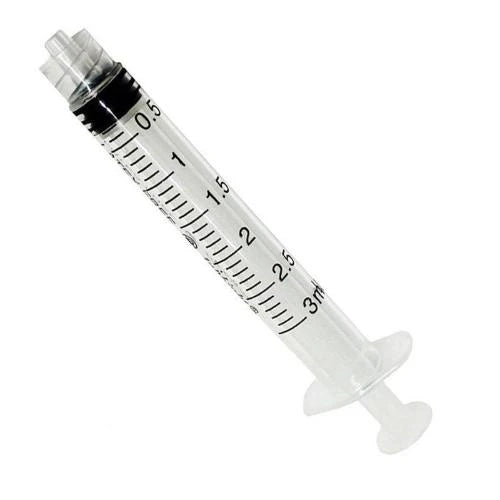
Type: Nursing
BD Syringe 3ml Luer Lock (Pack of 100)
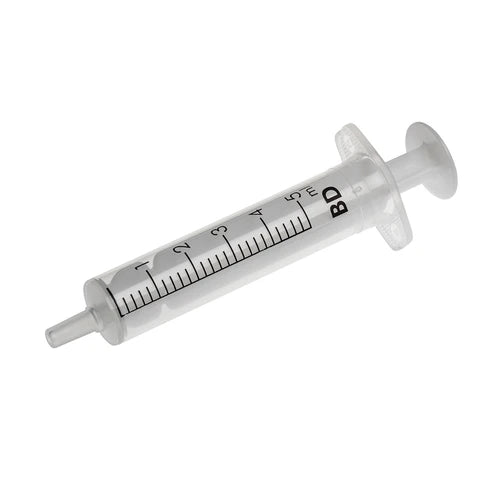
Type: Nursing
BD Discardit II Syringe 5ml (Pack of 100)
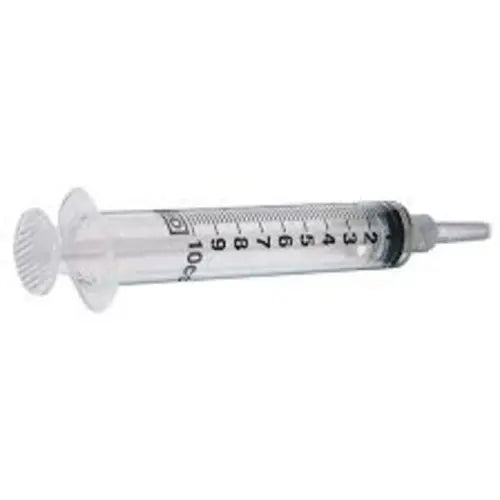
Type: Nursing
BD Luer-Lock Syringe 10ml (Pack of 100)
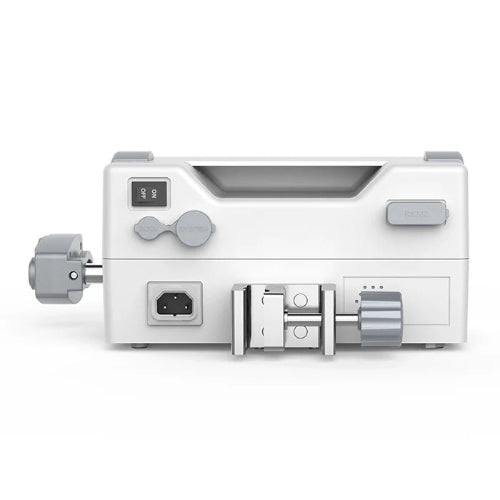
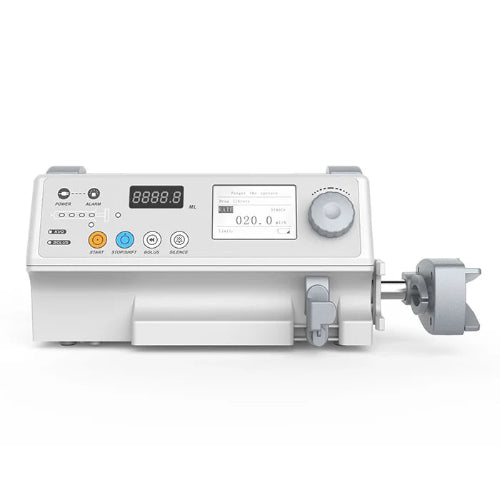
Type: syringe pump
Byond Syringe Pump
Collection:
Syringe Tip: Understanding 10 mL Syringes
Introduction: Why 10 mL Syringe Is So Commonly Searched
The term 10 mL is searched very often in the medical-products space because it is one of the most widely recognized syringe capacities. People may ask for “10 ml syringe,” “10cc syringe,” or “10 ml syringe price,” and in most practical situations they are referring to the same broad product category: a syringe designed to hold up to 10 milliliters of fluid.
Another reason this topic is so common is that buyers often want clarity on three things at once. First, they want to know what 10 mL actually means in syringe terms. Second, they want to understand what a 10 mL syringe is used for. Third, they want to know why the price varies from one product to another. Current product pages from BD, Medline, McKesson, and Indian retailers confirm that 10 mL syringes are sold in multiple tip styles, pack sizes, and configurations with or without needle, which is why product listings do not all look the same.
A 10 mL syringe may appear simple, but its design matters. The tip type, graduation markings, connection style, and whether it includes a needle all influence how the product is used. For example, BD’s current product information explains that Luer-Lok tips are generally used where a secure connection to another device is important, while Luer slip tips use a friction-fit connection.
This article explains what 10 mL means, what a 10 mL syringe is, common uses, major syringe types, why 10 ml syringe price changes across listings, and how hospitals, clinics, and buyers should choose the right 10 mL syringe more clearly.
Clinical Use
10 mL syringes are widely recognized in routine clinical and bedside supply categories and are available in multiple sterile single-use formats.
Medical Stores
Price varies across brands, tip styles, and needle-included configurations, which is why buyers often search the category directly.
Product Selection
Understanding tip type and configuration is important because not all 10 mL syringes are intended for the same workflow.
What Does 10 mL Mean?
10 mL means ten milliliters of fluid capacity. In syringe language, this indicates the maximum volume the syringe barrel is designed to hold. The phrase 10cc is often used in practical medical and retail language as an equivalent way to refer to a 10 mL syringe.
In simple terms, if a syringe is labeled 10 mL, it is intended to measure and hold up to ten milliliters of liquid. Current McKesson product pages describe 10 mL syringes with 1 mL graduations, which helps show how this capacity is marked in practical device design.
Simple Meaning
10 mL means the syringe can hold up to ten milliliters of liquid.
What Is a 10 mL Syringe?
A 10 mL syringe is a syringe with a 10 milliliter barrel capacity used in a wide range of medical fluid-handling tasks. It is larger than 1 mL, 3 mL, or 5 mL syringes and smaller than 20 mL, 30 mL, or 50 mL syringe categories. Because of this middle-range size, it is considered a versatile option in many settings.
Current product pages show that 10 mL syringes are commonly available in Luer lock and Luer slip forms. BD specifically lists 10 mL among the available sizes for both Luer-Lok and Luer slip tip categories.
In practical product understanding, a 10 mL syringe is not one single universal item. It is a capacity category that includes different connection styles, brands, and packaging formats.
Product Logic
A 10 mL syringe is a syringe-capacity category, not just one single product design.
Common Uses of a 10 mL Syringe
A 10 mL syringe is commonly associated with general-purpose fluid administration, flushing-related use, and device-connected workflows depending on the tip type and whether a needle is included. Current BD and McKesson product pages emphasize secure connection and exact dosage delivery features, showing that 10 mL syringes are selected when moderate fluid capacity and practical handling are both important.
In broad practical terms, 10 mL syringes are commonly discussed for:
- General fluid administration tasks
- Situations where a more secure device connection may be needed
- Workflows where a mid-range syringe capacity is appropriate
- Clinical-use supply with or without needles depending on the configuration
This is why the 10 mL size remains one of the most familiar and widely stocked syringe categories.
Mid-Range Capacity
10 mL sits in a practical middle range, making it more versatile than very small syringe sizes for many workflows.
Secure Connection Options
Luer-Lok 10 mL formats are commonly used when a secure connection to another device matters.
Clear Graduations
Current product pages emphasize visible markings and exact dosage or volume reading.
Single-Use Clinical Supply
Major suppliers describe sterile, single-use syringe formats for routine medical handling.
10 mL Syringe Types
One of the most important things to understand is that 10 mL syringes come in more than one tip and packaging format. Current BD product pages clearly distinguish between Luer-Lok and Luer slip categories, and Indian retail pages show both with-needle and without-needle versions in the market.
| 10 mL Syringe Type | Main Characteristic | Practical Meaning |
|---|---|---|
| Luer Lock | Threaded secure connection | Useful where stronger attachment to another device is preferred |
| Luer Slip | Friction-fit connection | Practical for standard push-and-twist attachment use |
| With Needle | Supplied as a syringe-and-needle configuration | Common in retail and clinical-use listings |
| Without Needle | Syringe-only format | Useful where separate connection or workflow-specific use is intended |
Luer Lock vs Luer Slip in 10 mL Syringes
This is one of the most useful comparisons for buyers. BD’s current product pages explain that the Luer-Lok tip is generally used for injections or applications requiring a secure connection of the syringe to another device, while the Luer slip tip uses a friction-fit connection where the syringe tip is pushed and twisted into the hub.
In simple product understanding:
- Luer lock focuses on secure threaded attachment
- Luer slip focuses on friction-fit attachment
- Both are available in 10 mL size categories
Tip Rule
The most important difference is connection style: Luer lock is threaded and more secure, while Luer slip is friction-fit.
10 mL Syringe With Needle vs Without Needle
Retail and supply pages show that 10 mL syringes are sold both with and without needles. Current Indian listings, for example, show products such as BD Emerald 10 mL syringe with needle and Dispovan 10 mL syringe with needle, while other listings show syringe-only or without-needle formats.
This is important because buyers sometimes compare prices without noticing that the configuration is different. A syringe-only listing and a syringe-with-needle listing are not directly identical from a product comparison point of view.
Comparison Reminder
Always check whether the 10 mL syringe listing includes a needle or is syringe-only before comparing price.
10 mL Syringe Price and Why It Changes
The keyword 10 ml syringe price is common because the price can vary quite a lot across brands, pack sizes, and configurations. Current retail listings in India show both single-item and box-based pricing, and current news reporting also notes recent pressure on the Indian medical-device sector from polypropylene cost increases, which can affect syringe pricing more broadly.
In practical terms, 10 mL syringe price may change based on:
- Brand name
- With-needle or without-needle format
- Luer lock or Luer slip type
- Single-piece versus box quantity
- Retail platform and location
- Raw material and supply-chain conditions
This is why there is no single universal 10 ml syringe price that fits every product listing.
Price Rule
Compare 10 mL syringes by configuration first, then by price. Size alone does not make two listings identical.
Main Parts of a 10 mL Syringe
Even though 10 mL syringes vary by brand and tip style, the basic structure is familiar. A standard 10 mL syringe commonly includes:
- Barrel
- Graduation markings
- Plunger
- Plunger tip or stopper
- Syringe tip, such as Luer lock or Luer slip
Current Medline product descriptions mention polypropylene construction, plunger-tip material, visible transparent barrel design, and sterile single-use packaging, which aligns with this standard syringe-structure understanding.
Barrel
The transparent barrel holds the liquid and shows the graduation markings clearly.
Plunger
The plunger moves inside the barrel to draw in or expel fluid.
Graduations
Clear graduation marks help with accurate volume reading.
Tip Type
The tip determines how the syringe connects to a needle or another compatible device.
Why 10 mL Is a Practical Syringe Size
The 10 mL category remains popular because it offers more capacity than small-dose syringes while still staying manageable in hand. This makes it a practical mid-size format in many medical supply environments.
Buyers often choose 10 mL because it provides:
- Moderate fluid capacity
- Clear visible graduations
- Availability in multiple tip formats
- Common brand availability
- Routine compatibility with many standard supply workflows
This combination of capacity and flexibility is one reason 10 mL syringes are stocked so widely.
How Hospitals and Clinics Should Choose a 10 mL Syringe
Hospitals and clinics should choose a 10 mL syringe according to tip type, configuration, and intended workflow. The most useful selection questions include:
- Is a secure Luer lock connection needed, or is Luer slip suitable?
- Should the product be supplied with a needle or without one?
- Is the syringe intended for general-purpose clinical handling or a more device-connected workflow?
- Is box pricing or single-unit retail pricing more relevant to the purchase?
- Are brand and packaging consistency important for the supply chain?
This method helps buyers compare the right products instead of comparing only by the words “10 mL.”
Selection Rule
The correct 10 mL syringe should be chosen by connection type, needle configuration, and use setting — not by volume alone.
Frequently Asked Questions
What does 10 mL mean on a syringe?
It means the syringe can hold up to ten milliliters of liquid.
Is 10 mL the same as 10cc?
In practical syringe language, 10cc is commonly used as an equivalent way to refer to a 10 mL syringe.
What is a 10 mL syringe used for?
It is a mid-capacity syringe category used in a variety of clinical fluid-handling workflows, depending on tip type and configuration.
What is the difference between Luer lock and Luer slip in a 10 mL syringe?
Luer lock uses a threaded secure connection, while Luer slip uses a friction-fit connection.
Does 10 ml syringe price stay the same across all brands?
No. Price changes based on brand, pack size, with-needle or without-needle format, tip type, and market conditions.
Can 10 mL syringes be bought without needles?
Yes. Current listings show 10 mL syringes in both syringe-only and with-needle formats.
Why is 10 mL syringe considered practical?
Because it offers a useful middle-range capacity while remaining easy to handle and available in multiple connection styles.
What are the basic parts of a 10 mL syringe?
The basic parts include the barrel, plunger, graduation marks, plunger tip, and syringe tip.
Is every 10 mL syringe identical?
No. 10 mL is only the capacity. Products still vary by tip type, brand, sterility, packaging, and needle inclusion.
How should clinics choose the right 10 mL syringe?
They should choose it by use setting, tip style, and with-needle or without-needle configuration rather than by capacity alone.
Conclusion
The term 10 mL may look simple, but in medical product language it represents a widely used syringe-capacity category with multiple tip styles, packaging formats, and pricing variations. Whether someone searches for 10 ml or 10 ml syringe price, the key idea remains the same: the right 10 mL syringe is chosen not only by volume, but also by connection style, configuration, and clinical purpose. Once those differences are understood clearly, comparison and product selection become much easier and much more accurate.