


Type: Modalities
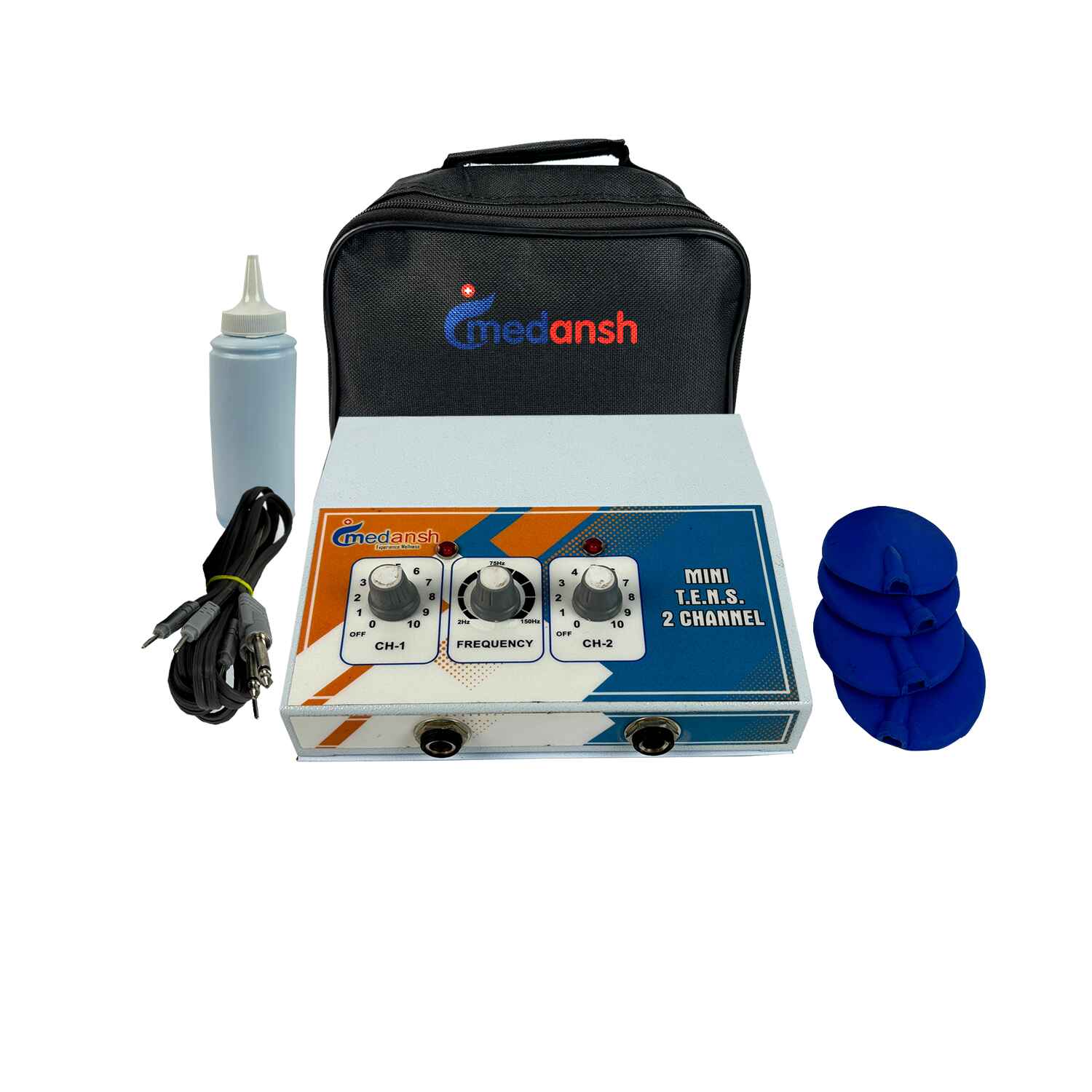
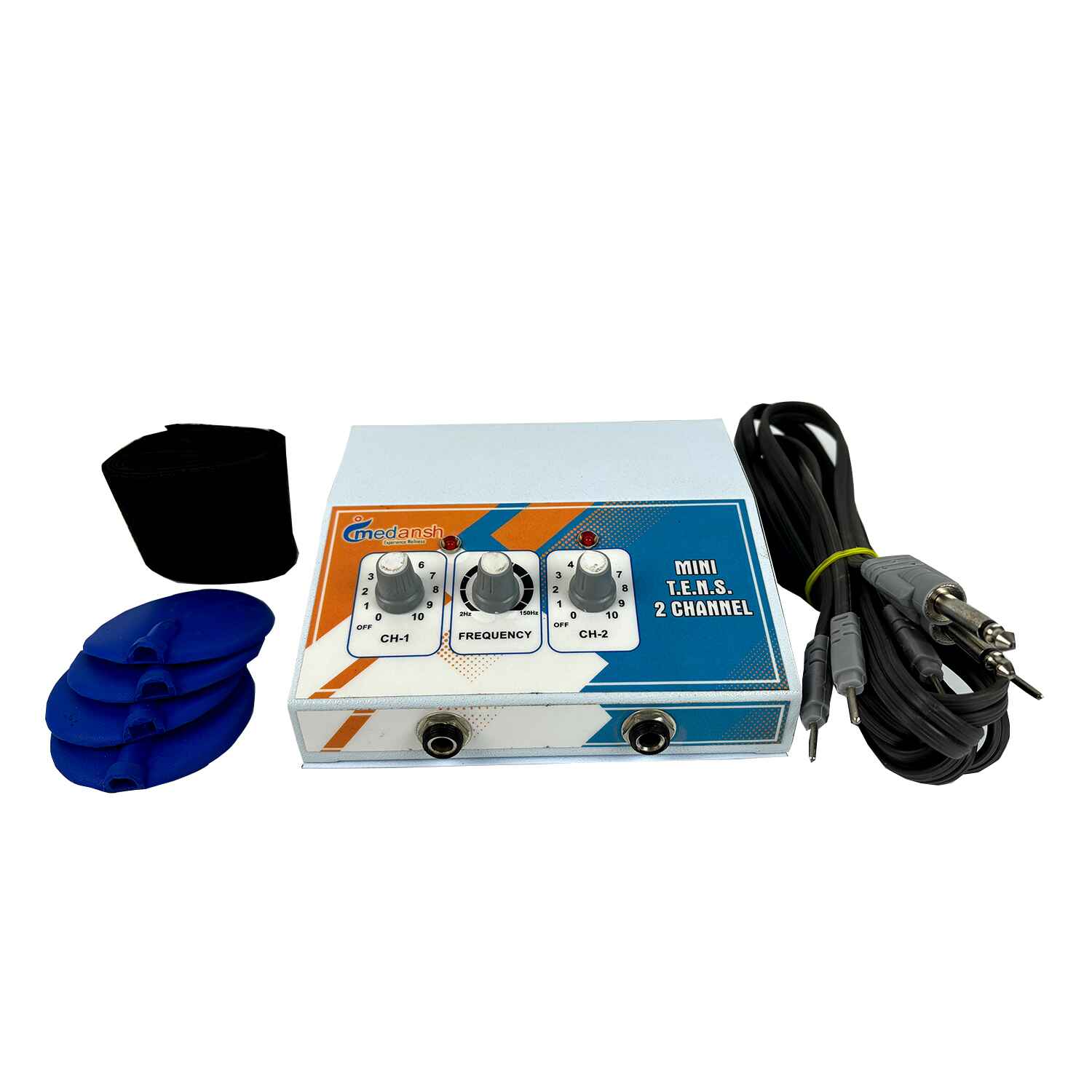
Portable 2 Channel TENS Machine Pain Relief 1 Year Warranty
Type: Modalities
Medansh Portable TENS 2 channel Electrotherapy device for Pain Relief with 2 Year Warranty


Type: Modalities
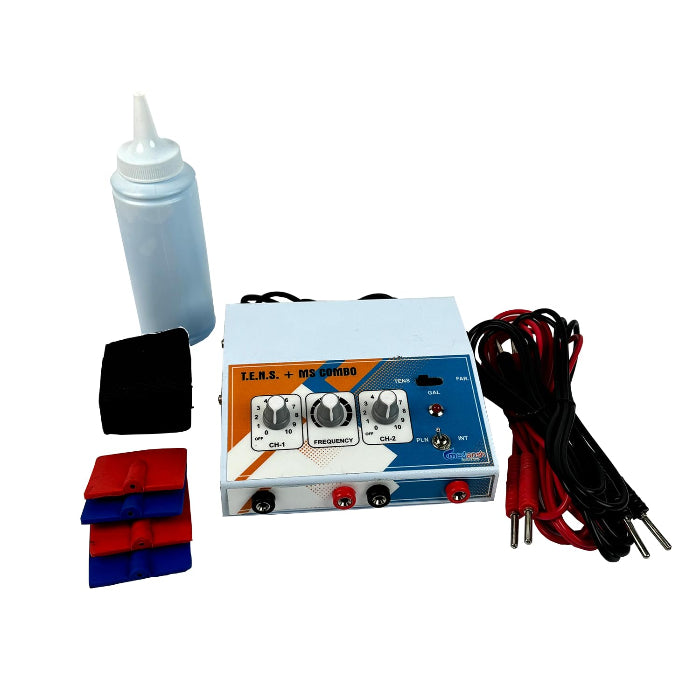
TENS MS Combo Machine 2 Channel for Pain Relief
Type: Modalities
Mini Tens 2 Channel and Muscle Stimulator Machine with 2 Year Warranty


Type: Modalities
Medansh Portable EMS Machine with 2 Channel TENS for Pain Relief
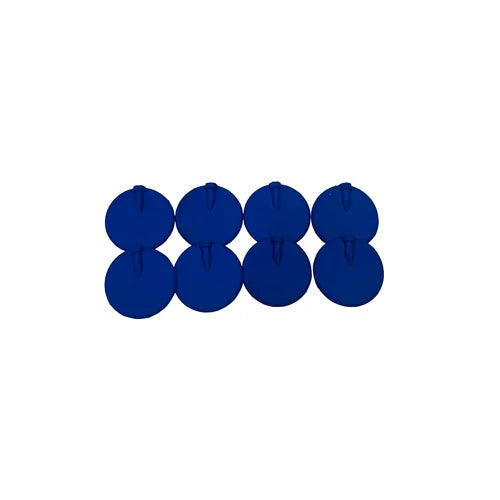
Type: Accessories
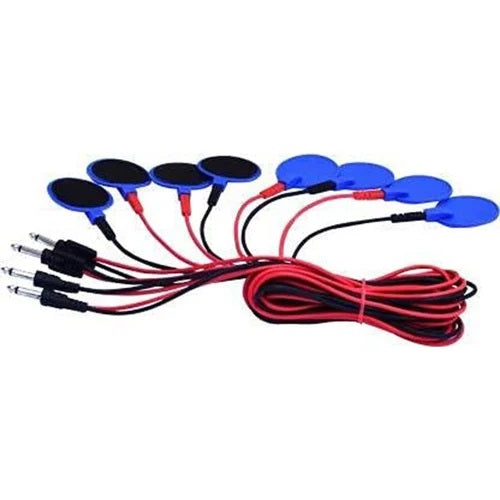
TENS 4-Channel Lead Wires with 8 Electrode Pads Compatible with EMS and TENS Therapy Machines

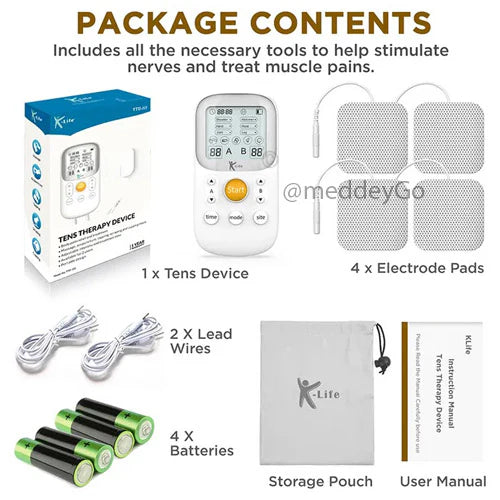
Type: Physiotherapy
Portable TENS Machine

Type: Medansh
Portable 2-Channel TENS Analog – Physiotherapy Machine for Pain Relief

Type: Medansh
Portable 2-Channel TENS LCD – Advanced Electrotherapy for Pain Relief

Type: Physiotherapy
medansh Portable TENS Machine with 1year warranty


Type: Medansh
TENS 4-Channel Physiotherapy Machine with Frequency Adjustment


Type: Medansh
Medansh Automode 4 Chennal Tens


Type: Medansh
TENS 4 Channel Professional


Type: Medansh
TENS 4 Channel Flexistim


Type: Medansh
TENS 4 Channel Auto Mode Grey
Collection:
Benefits of Transcutaneous Electrical Nerve Stimulation (TENS) Therapy

If you've ever found yourself rubbing a sore lower back after a long drive or nursing a stiff neck from hours at a computer, you know the frustration of nagging discomfort that refuses to fade. Many people eventually find themselves opening a medicine cabinet, looking for a pill to take the edge off. However, there is a widely used, non-drug method that Physical Therapists have relied on for decades to help patients manage discomfort without medication.
TENS therapy offers a way to manage soreness that looks less like a medical procedure and more like listening to music. The device itself is often about the size of an old-school iPod or a small smartphone, fitting easily into a pocket or clipping onto a belt. Instead of headphones, it uses thin wires connected to sticky pads placed near the area that hurts. The device functions as a dedicated remote control for your nerves, designed to change the message your body sends to your brain.
The full name---Transcutaneous Electrical Nerve Stimulation (TENS) therapy---might sound like intimidating medical jargon, but breaking it down makes the concept practical. "Transcutaneous" means "through the skin," indicating no needles or injections. "Electrical Nerve Stimulation" refers to sending safe, controlled signals to the nerves just beneath the surface. This tool simply works through the skin to wake up specific nerves.
A common hesitation for newcomers is the word "electrical," as applying electricity to a hurting body often conjures images of painful zaps. A properly set TENS unit does not deliver a "shock." Instead, users feel a buzzing sensation or a "pins and needles" feeling that is strong but not painful. The device uses low-voltage pulses specifically designed to be non-threatening, creating a sensation described as a gentle, rhythmic massage rather than a sting.
The device acts as a master volume knob for your pain levels. According to pain management experts, these devices work by flooding the nervous system with non-painful information---that buzzing sensation---which effectively blocks slower pain signals from reaching your brain. Much like rubbing a stubbed toe helps it feel better by overriding the throbbing, pain relief TENS provides results by keeping the brain's "phone line" busy with a safe tingle so the pain call goes to voicemail.
By offering a drug-free alternative, TENS unit benefits extend beyond temporary relief; they put control back in your hands immediately. You do not need to wait for a pill to kick in or worry about drowsiness affecting work or driving. Whether dealing with a flare-up from gardening or tension from a stressful week, this technology offers a safe, adjustable way to turn down the noise of chronic pain.
Summary
TENS is a drug-free, portable therapy that uses low-voltage electrical pulses through the skin to modulate how your brain perceives pain. It works via two primary mechanisms: high-frequency “gate control” that blocks pain signals and low-frequency stimulation that promotes endorphin release for longer-lasting relief. Effective use depends on proper settings (frequency, pulse width, comfortable intensity), strategic pad placement, and observing safety precautions and contraindications (e.g., implants, pregnancy, seizures, sensitive areas). Compared with EMS and ultrasound, TENS targets pain perception rather than muscle contraction or deep-tissue heating; typical sessions last 30–45 minutes, and a simple five-step setup helps you start safely.
The 'Busy Phone Line' Effect: How Your Brain Decides to Ignore Pain
Think about the last time you banged your shin or stubbed a toe. Your immediate instinct was likely to reach down and rub the spot vigorously. You didn't do this just to comfort yourself; your body intuitively knows a biological hack to reduce suffering. By flooding the area with the sensation of rubbing, you made the sharp sting feel less intense. TENS therapy works on this exact principle, using precise electrical pulses to distract your nerves.
This is known as the Gate Control Theory of pain management. Imagine your spinal cord is a receptionist at a busy office, and your brain is the CEO. The receptionist (your spine) controls which calls get put through to the boss (your brain). If a pain signal calls in, the receptionist usually puts it through immediately. However, TENS therapy acts like a flood of neutral phone calls---a constant, gentle buzzing on the line. Because the receptionist is handling these harmless "tingle" messages, the line becomes too busy for the "pain" call to get through. The gate is effectively closed.
This traffic jam in your nervous system happens because nature designed nerves to prioritize certain signals based on speed. The sensation of touch or vibration moves faster than the sensation of aching pain. TENS units block pain signals by winning the sprint to your brain:
- The Tortoise (Chronic Pain): The nagging, dull ache of chronic pain travels on slower, thinner nerve fibers.
- The Hare (TENS Tingle): The buzzing or tingling sensation from your device travels on thicker, highly insulated nerve fibers.
- The Result: Because the "Hare" arrives at the spinal cord first, it effectively signals the brain that it is the priority message, leaving the "Tortoise" stuck outside the gate.
Since this form of relief relies on active distraction, the effect is strongest while the device is running. The moment you turn off the stimulation, that "phone line" clears up. This makes TENS particularly effective for activities that usually cause flare-ups, like sitting at a desk for long periods or taking a walk. You are essentially using a mild, safe electrical current to occupy your nervous system so it doesn't have the bandwidth to process the ache.
Your Body's Natural Pharmacy: Unlocking Endorphins with Low-Frequency Pulses
While the "busy phone line" effect offers instant peace, the relief often fades shortly after turning the device off. To address this issue for long-term comfort, your body has a second defense system relying on endorphins---specialized neurotransmitters that act like potent, natural painkillers. When released into your bloodstream, they chemically dampen pain signals throughout your system, providing a deep sense of well-being that can persist for hours.
Accessing this natural pharmacy requires changing the rhythm of the electrical pulses. While high-speed "buzzing" creates a traffic jam for nerve signals, a slower, stronger pulse triggers endorphin release through electrical nerve stimulation. By lowering the frequency---often felt as distinct thumps rather than a continuous hum---you send a signal mimicking the rhythmic pressure of physical manipulation. This pattern signals the brain that the muscles are working or being worked on, prompting a flood of feel-good chemicals to soothe the area.
Unlike the instant gratification of the high-frequency gate control method, this lower setting requires patience. Relief typically builds up gradually over twenty to thirty minutes as endorphin levels rise. The sensation is often described as a rhythmic tapping or a "kneading" feeling deep in the muscle fibers, similar to a deep tissue massage. It might feel more intense than the gentle tingling of the high-frequency mode, but it should remain comfortable and rhythmic.
Choosing between these two modes depends on the specific type of discomfort. The low-frequency endorphin mode is generally preferred for deep-seated aches, such as chronic back pain relief , where muscles feel tight and knotted. It allows for a twenty-minute session with a "washout period" where pain reduction continues after the device is put away. Similarly, for those dealing with complex nerve issues, such as patients utilizing tens therapy for peripheral neuropathy, alternating between the fast-acting gate control mode and the long-lasting endorphin mode provides a comprehensive management strategy.
Mastering daily pain management often involves mixing and matching these approaches---using high frequency for immediate tasks and low frequency for deep relaxation.
Anatomy of a TENS Unit: From 'Sticky Pads' to Pulse Width
Most modern devices are designed to be as user-friendly as a television remote. The most important control you will encounter on a portable tens machine for home use is the intensity dial, often labeled as "Amplitude" or a volume wheel. Like a car radio volume knob, turning it up increases the signal strength. Always start at zero and slowly turn it up until you feel a strong but comfortable tingling sensation. If muscles start twitching involuntarily or the sensation feels sharp, dial it back down.
Once the device is on and the intensity is set, you will likely see settings for "Rate" and "Width." These controls customize the "feel" of the electricity:
- Rate (Frequency): Controls how fast pulses are delivered. Think of a hummingbird's fluttering wings (high rate) versus a slow, rhythmic drumbeat (low rate).
- Width (Pulse Width): Controls how long each pulse lasts. A wider pulse usually feels like the sensation is penetrating deeper into the muscle, while a narrow pulse feels lighter and focused on the skin's surface.
Adjusting tens unit frequency and pulse width focuses on personal comfort. If the sensation feels "scratchy" or "biting," try increasing the pulse width to smooth it out.

The physical connection between the machine and your body happens through the electrodes. These pads conduct the signal through your skin, and choosing the right size is crucial for effective relief. A standard kit usually includes:
- Controller Unit: The "brain" of the system where you adjust settings.
- Lead Wires: The cables that snap into the pads and plug into the unit.
- Self-Adhesive Electrodes: Gel-coated pads that stick to your skin.
- Power Source: Either a 9-volt battery or a rechargeable lithium battery.
Keeping equipment in good shape ensures therapy remains effective. The most common issue is pads losing stickiness, causing a stinging sensation due to poor connection. To extend pad life, always clean your skin with soap and water before application, as natural oils and lotions degrade the adhesive gel. If a pad peels up at the edges, replace it.
The Targeted Placement Guide: Where to Stick the Pads for Maximum Relief
Owning a top-tier TENS unit without knowing where to place the pads is like having a treasure map but no compass. Many first-time users instinctively place an electrode directly on top of the spot that hurts most. This is often not the most effective strategy because electricity follows the path of least resistance. Effective relief requires strategic geometry: directing the current through the painful area, intercepting pain signals before they travel up the spinal cord.
For general muscle soreness or localized tension, use the "bracketing" technique. Imagine your pain point is the bullseye on a dartboard. Instead of covering the bullseye, place the pads on opposite sides---one above and one below, or left and right. This forces electrical pulses to travel from one pad to the other, running right through the center where pain is located. Using a tens machine for chronic back pain relief often involves placing pads on the thick muscle tissue on either side of the spine rather than on the spine itself.
Consider the "Interferential" or "X" pattern, the gold standard when using a device with four pads. Place pads from Channel 1 diagonally across the pain zone (e.g., top-left and bottom-right), and pads from Channel 2 on the opposite diagonal. The two currents cross directly in the center, creating a "sweet spot" of interference that targets deep tissue pain effectively.

Shooting pain requires a different approach. If dealing with radiating nerve pain, such as the zap running down the leg, bracketing the lower back won't catch the signal. Following an electrode placement guide for sciatica involves a "linear" setup: place one pad near the source (lower back or glute) and the second pad further down the leg along the nerve path. This creates a line of stimulation soothing the entire length of the agitated nerve.
Treating joints presents a unique challenge because electricity does not conduct well through bone. When seeking arthritis pain relief with electrical stimulation, avoid bony prominences of knees, elbows, or ankles. Stick to the soft tissue and muscle bellies surrounding the joint. For a sore knee, place pads on the fleshy thigh muscle above the knee and the calf muscle below it. This allows current to flow through the joint space without stinging the bone.
Fundamental rules for safety and effectiveness include:
- Surround the Pain: Place pads on either side of the sore spot, not directly on top.
- Respect the Skeleton: Avoid placing pads directly on bones like the spine, kneecaps, or shins; stick to muscle and soft tissue.
- Keep Your Distance: Pads should be at least one inch apart; if they touch, the electricity will short-circuit.
- Avoid Sensitive Areas: Never place electrodes on broken skin, varicose veins, the front of the neck, or directly over the heart.
- Cleanliness Counts: Always apply pads to clean, dry skin.
Safety First: Who Should Skip TENS and Why it Matters
While TENS therapy is a celebrated drug-free alternative, it relies on electricity to interact with your nervous system. For the majority, this is safe, but because the human body runs on internal electrical signals, introducing outside pulses requires caution. Understanding tens therapy safety precautions and side effects ensures the device helps rather than hinders health.
The most critical rule involves implanted electronic devices. If you have a pacemaker, implanted cardioverter-defibrillator (ICD), or cochlear implant, you generally cannot use a TENS unit. The pulses can act like "static," confusing the implant. A pacemaker might mistake the TENS signal for an irregular heartbeat and deliver an unnecessary shock or fail to pace the heart when needed.
Regarding pregnancy, the question "can you use a tens unit while pregnant" depends on timing. During the first two trimesters, doctors advise against using TENS, particularly around the abdomen or lower back, as effects on a developing fetus are not fully understood. However, many women successfully use "maternity TENS" during active labor to manage contraction pain. Unless in active labor with medical approval, keep the device turned off.
Individuals with epilepsy or a history of seizures should also approach TENS with caution. Adding extra sensory input can sometimes act as a trigger, especially if electrodes are placed near the head or neck. Similarly, if you have undiagnosed chronic pain, masking it with TENS before seeing a doctor can be dangerous. Pain is a warning light; turning it off without checking the engine may allow underlying conditions to worsen.
Focus on avoiding specific "Never-Zones" where the body's wiring is most exposed:
- The Carotid Sinus: Never place pads on the front or sides of the neck. This area contains sensors regulating blood pressure; stimulating them can cause rapid drops in pressure or fainting.
- The Chest/Heart: Do not place pads directly over the heart or send current across the chest.
- The Head and Face: Avoid temples, eyes, or mouth.
- Broken or Numb Skin: Do not use pads on open wounds, rashes, or areas with lost sensation (like diabetic neuropathy).
TENS vs. EMS vs. Ultrasound: Choosing the Right Tool for Your Recovery
Browsing online health stores can be confusing when TENS units and EMS devices look nearly identical. They both use sticky electrode pads and handheld controllers, but the outcomes are opposites. While TENS is strictly about sensory perception---stopping the brain from hearing "pain"---Electrical Muscle Stimulation (EMS) is designed for physical action. It bypasses your will to send a command directly to muscle fibers, forcing them to contract and relax.
Athletes and physical therapy patients use EMS for rebuilding strength or preventing wasting. The debate of tens vs ems for muscle recovery depends on the goal. A TENS unit helps ignore the ache of a stiff joint, while an EMS unit acts like an external jump-starter, twitching the muscle to keep it active and pumping blood. The sensation feels like a rhythmic grabbing or cramping, different from the passive soothing of TENS.
Therapeutic ultrasound sits in a different category, using sound waves instead of electricity. The difference between tens and ultrasound therapy lies in the mechanism; TENS works on the surface to distract nerves, while ultrasound uses high-frequency vibrations to penetrate deep beneath the skin. This generates friction and heat in places a hot pack cannot reach, such as the center of a dense shoulder muscle. Ultrasound increases blood flow and loosens tight tissues to accelerate actual healing.
Selecting the correct device depends on whether you are managing a symptom or treating a physical deficit. If the primary struggle is the sharp signal of pain, the transcutaneous stimulation of a TENS unit is your best ally. If pain is caused by weak muscles failing to support a joint, EMS might be necessary. Ultrasound is superior for warming up "frozen" joints or breaking down old scar tissue.
Maximizing Your Session: How Long, How Strong, and How Often?
Finding the "sweet spot" involves more than just slapping on pads and turning the dial. Determining exactly how long to use tens machine per session is critical. Most experts recommend 30 to 45 minutes; this triggers the "Gate Control" mechanism while giving the body time to release endorphins. Stopping too soon results in fleeting relief, while running the machine continuously can irritate the skin.
You might notice the tingling sensation fades during a session. This is "nerve accommodation," where the brain tunes out repetitive stimuli. To prevent this, modern devices include a "Modulation" mode (labeled "Mod" or "Wave") that automatically varies pulse width and rate. This keeps nerves guessing, ensuring the signal remains effective.
Treatment parameters of TENS require a negotiation between comfort and effectiveness. The goal is a sensation that feels "strong but comfortable," characterized by distinct tingling without stinging. Unless using a specific acupuncture-like mode, visible muscle twitching usually means the setting is too high. Over-stimulating can lead to muscle fatigue or soreness.
Understanding limitations or side effects of TENS keeps recovery on track. The most common issue is skin irritation from leaving adhesive pads in one spot too long or applying to damp skin. To avoid rashes, take breaks between sessions---waiting at least 20 minutes allows skin to breathe. You can safely use the unit three or four times a day, provided you inspect your skin and shift pad placement slightly.
Your 5-Step Roadmap to a Pain-Free Afternoon: Getting Started Today
Moving from wondering if "electric therapy" is safe to understanding how transcutaneous electrical nerve stimulation (tens) therapy acts as a remote control for your nervous system gives you a new way to interact with your body's signals. Instead of feeling helpless when discomfort flares up, you have the power to turn down the volume on pain.
Before beginning, remember that the electrodes are the bridge between the device and your nerves. Always apply them to clean, dry skin. Oils and lotions degrade adhesive; skipping moisturizer on the treatment area extends pad life significantly. If they lose stickiness, a gentle wipe with a damp cloth can often revive them.
Follow this simple five-step checklist for a safe, effective 20-minute test run:
- Clean: Wash and dry the area where you will place the pads to ensure a strong connection.
- Connect: Place the pads on your skin surrounding the pain point (never directly on a bone or broken skin) and plug wires into the unit.
- Click: Turn the device on, starting at the absolute lowest setting.
- Calm: Slowly increase intensity until you feel a strong but comfortable "buzz" or tingle---it should never sting or cause muscle twitching. Relax for 20 minutes.
- Clean-up: Turn the unit off before removing pads, then place them back on their plastic sheet.
TENS therapy works best as a teammate rather than a solo act. Use the relief window to stretch gently, walk, or simply rest without the mental drain of discomfort. Integrating this technology into a holistic plan allows you to stay ahead of the pain. Living with chronic discomfort can feel shrinking, but taking control of your relief expands your world again.
Frequently Asked Questions
Question: How does TENS actually reduce pain?
Short answer: TENS sends low-voltage pulses through the skin to sensory nerves to change how your brain perceives pain. It works in two main ways: high-frequency “gate control” floods nerves with harmless tingling to block slower pain signals while the unit is on, and low-frequency pulses stimulate endorphin release for relief that can continue after the session.
Question: Which settings should I use, and what should the stimulation feel like?
Short answer: Start intensity at zero and increase until you feel a strong but comfortable tingle—never sharp, stinging, or causing muscle twitching. Use high frequency for fast, on-the-spot relief and lower frequency for deeper, longer-lasting relief via endorphins. If the sensation feels scratchy, increase pulse width to smooth it out; use “Modulation” modes to prevent your nerves from tuning out the signal.
Question: Where should I place the pads for best results (back pain, sciatica, joints)?
Short answer: Surround the pain rather than placing pads directly on it. For general back or muscle pain, “bracket” the area (pads on opposite sides) or use an “X” pattern with four pads so currents cross in the sore spot. For radiating nerve pain (like sciatica), place pads in a line along the nerve path from the source downward. For joints, avoid bony points—place pads on the soft tissue above and below the joint. Keep pads at least an inch apart and apply to clean, dry skin.
Question: Who should avoid TENS, and where should I never place the pads?
Short answer: Do not use TENS if you have a pacemaker, ICD, or cochlear implant. Avoid use during pregnancy (except certain “maternity TENS” protocols during active labor with medical approval), and use caution with epilepsy or undiagnosed pain. Never place electrodes on the front/sides of the neck (carotid sinus), directly over the heart or across the chest, on the head/face, or on broken or numb skin.
Question: How long and how often should I use a TENS unit, and what if the tingling fades mid-session?
Short answer: Typical sessions last 30–45 minutes; you can use TENS up to 3–4 times daily with at least 20 minutes between sessions and slight pad repositioning to protect skin. If the sensation fades, that’s normal “accommodation”—switch on Modulation or adjust frequency/pulse width slightly. Aim for “strong but comfortable,” and avoid continuous, prolonged use in one spot to reduce skin irritation.