
Filter
3 products
Type: Devices
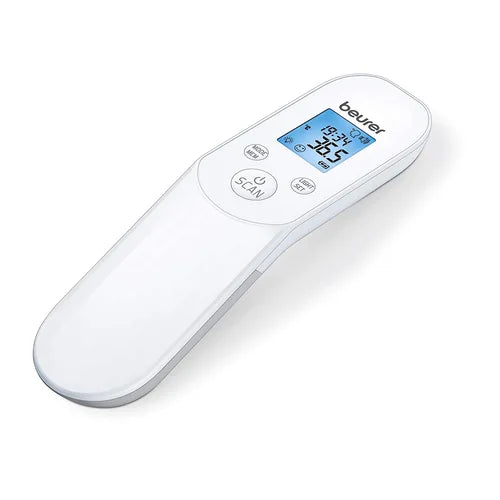
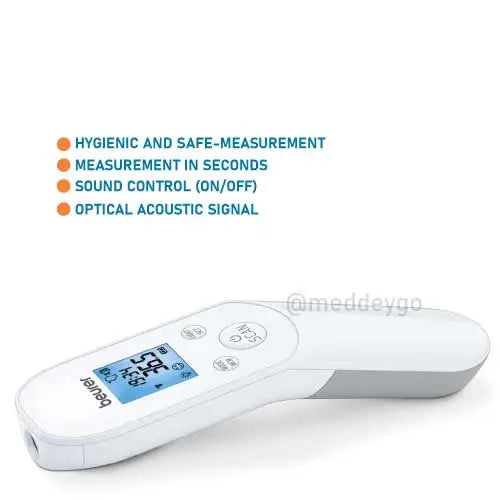
Beurer FT 85 Clinical Non Contact Thermometer


Type: Home Healthcare
Infrared Non Contact Thermometer
Type: Home Healthcare
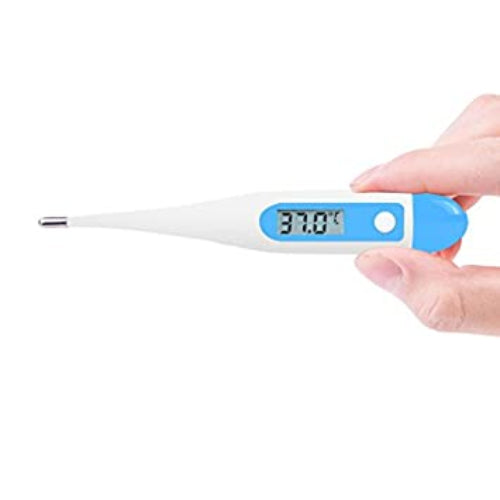
Digital Thermometer Fixed Tip
Collection:
Thermometers
In modern healthcare, temperature devices sit at the centre of every fever check. From a busy OPD to night-time worries at home, one small tool turns doubt into clear numbers. Moreover, whether you prefer a quick-read digital thermometer or a touch-free infrared thermometer, the right option helps you act on time. In addition, many teams also use an IR device or an infrared laser thermometer for fast and hygienic checks in clinics, wards, workplaces and outreach camps. As a result, the Thermometers category on MeddeyGo brings all these choices together in one place, with a clear focus on accuracy, hygiene and ease of use for Indian conditions.
Product Overview
A thermometer may look simple, but it is one of the most frequently used tools in healthcare. Every time someone arrives with body ache, chills or fatigue, the first vital sign checked is often temperature. Therefore, the devices on MeddeyGo are selected to answer that question quickly and clearly. As a result, doctors and caregivers can decide the next step without delay.
Furthermore, this collection focuses on real-world needs across different settings:
- First, digital thermometer models for oral, axillary or rectal readings in wards, clinics and homes.
- Next, infrared thermometer devices for non-contact forehead checks, ideal for triage and screening.
- In addition, IR device options that can measure body temperature and, in some models, selected surfaces like milk bottles, bath water or room air (as per manual).
- Also, devices that use technology similar to an infrared laser thermometer, but tuned for safe medical and home use rather than industrial surfaces.
- Finally, storage accessories such as stainless steel thermometer jars for organised use on trolleys and treatment rooms.
Because reliability matters, each medical thermometer is chosen to balance speed, accuracy, durability and easy cleaning. Many models show readings in both °C and °F, and a beep alert confirms when measuring is complete. In addition, auto shut-off helps save battery. Non-contact models use infrared sensors similar to those in an infrared laser thermometer, but they work within safety ranges and settings designed for skin and body temperature.
Key Features & Benefits
1. Fast Temperature Readings
In fever care, speed matters. A good digital thermometer usually gives a reading in about 20–60 seconds. Therefore, vital-sign rounds stay smooth even when the OPD is crowded.
Likewise, a high-quality infrared thermometer or IR device can show a forehead reading within 1–2 seconds. As a result, staff can screen long queues or large groups with much less effort.
Benefits:
- First, waiting time for patients and caregivers becomes shorter.
- Next, during flu seasons or outbreaks, triage becomes quicker and more organised.
- Finally, the workflow for nurses and doctors stays smoother on busy shifts.
2. Clinical-Grade Accuracy
These instruments are meant for serious monitoring, not casual checks. Contact devices like a digital thermometer often offer accuracy close to ±0.1 °C in the human body range. Likewise, a well-designed infrared thermometer usually stays within about ±0.2 °C when used at the recommended distance.
In addition, some IR device models include both body mode and surface mode. Body mode is calibrated for skin temperature, while surface mode is designed for objects. Often, devices that work like an infrared laser thermometer also add a pointer or icon for easier aiming, especially when checking surfaces.
Benefits:
- Therefore, detection and tracking of fever become more reliable.
- As a result, clinicians gain greater confidence when deciding on admission, discharge or escalation.
- Moreover, clearer temperature trends are available to discuss with families and clinical teams.
3. Hygienic, Low-Contact Design
In infection-prone settings, contact control is very important. A non-contact infrared thermometer or IR device lets staff measure temperature from a short distance, without touching the skin. Consequently, this supports infection control policies and reduces the number of probe covers needed.
However, contact thermometers are still very useful when used with probe covers and proper disinfectant wipes. In addition, a stainless steel thermometer jar keeps devices upright, protected and easy to find on trolleys. This, in turn, reduces the risk of accidental damage and cross-contamination.
Benefits:
- Overall, there is a lower risk of cross-infection between patients.
- Also, work surfaces stay cleaner and more organised throughout the day.
- At the same time, sensitive sensors and glass tips enjoy a longer working life.
4. Comfort for All Age Groups
A child or older person should not feel stressed during a temperature check. A soft-tip digital thermometer feels gentle in the mouth or under the arm. Similarly, a non-contact infrared thermometer reads the forehead without waking a sleeping baby or disturbing a patient in pain.
Moreover, an IR device with a large display is easy to read for home users who may have low vision or limited experience with gadgets. As a result, people feel more comfortable when checks are quick, simple and non-invasive.
5. Simple Operation and Training
Thermometry is a core skill for nurses, paramedics, doctors and home caregivers. Because of this, the monitoring tools here are intentionally simple to operate.
Most digital thermometers work with one main button. In the same way, many infrared thermometer and IR device units also use a single trigger or button, with clear icons on the screen. Additionally, some models add colour-based fever indicators so staff can note high readings at a glance.
Benefits:
- As a result, training for junior staff, technicians and community workers becomes quick and straightforward.
- Also, the chance of misreading or misusing the device becomes lower.
- Consequently, regular temperature checks are more likely to be followed even in small clinics.
6. Strong Value for Indian Healthcare
MeddeyGo focuses only on health and medical products. Therefore, the temperature range listed here comes from trusted manufacturers and brands known for reliability. Options like Digital Thermometer Fixed Tip, Infrared Non Contact Thermometer and Beurer FT series give hospital-grade performance at fair prices for Indian buyers.
For hospitals and clinics, this balance between cost and quality is very important. For families, it also means they can buy a safe digital thermometer or infrared thermometer without overspending.
Technical Specifications
| Feature | Digital Thermometer (Contact) | Infrared Thermometer (Non-Contact Body) | IR Thermometer / Infrared Laser Thermometer Style |
|---|---|---|---|
| Typical use | Oral, axillary or rectal body temperature | Forehead or temple body temperature without contact | Body mode plus selected surfaces (as per manual) |
| Sensor type | Electronic probe sensor | Infrared sensor for skin | Infrared sensor, sometimes with aiming pointer |
| Accuracy (body range) | Around ±0.1 °C | Around ±0.2 °C | Around ±0.2 °C in body mode; surface tolerance varies |
| Response time | About 20–60 seconds | About 1–2 seconds | About 1–2 seconds |
| Measurement range | Approx. 32–43 °C (human body) | Approx. 32–42.5 °C (body mode) | Body mode plus wider span in surface mode (model-specific) |
| Display | LCD with numeric reading and beep alert | Backlit LCD, often with icons and sometimes colour zones | Backlit LCD, often with memory and multiple mode icons |
| Power source | Button cell battery | AAA or AA batteries | AAA or AA batteries |
| Contact level | Direct contact with skin or mucosa | No direct contact (few centimetres away) | No contact, pointed at target |
| Ideal setting | OPD, wards, home care | OPD triage, fever clinics, workplaces, public spaces | Hospitals, home care and limited surface checks |
Applications / Use Cases
1. OPD and Fever Clinics
In outpatient departments and fever clinics, temperature checks repeat all day. A sturdy digital thermometer handles routine checks inside the doctor’s cabin. At the same time, a non-contact infrared thermometer or IR device at the triage desk supports quick fever screening before patients enter enclosed spaces.
Because a non-contact device does not touch the skin, it reduces the need for disposable covers and lowers cross-contact risk in busy queues.
2. IPD Wards and Observation Rooms
In medical, surgical and paediatric wards, these instruments stay on vital-sign trolleys. Nurses use a digital thermometer to track fever curves in infections, post-operative cases and chronic conditions.
Additionally, a non-contact infrared thermometer helps when patients are sleeping, in pain or difficult to move. Staff can stand at the bedside and take readings gently at the forehead. Meanwhile, thermometer jars or holders keep devices safe and ready between rounds.
3. High-Risk and Isolation Areas
Isolation wards and high-risk rooms need minimum contact. In such zones, a touch-free IR device is very useful. Staff can check temperature through a small opening in the door or curtain. At the same time, an infrared thermometer reduces the use of probe covers and supports PPE protocols by allowing checks from a safe distance.
Furthermore, devices that work like an infrared laser thermometer help when staff also need to monitor room temperature or certain surfaces, always within the limits of the manual.
4. Home Healthcare and Telemedicine
Families who handle long-term illness or frequent infections at home depend on a reliable thermometer. A simple digital thermometer with a clear display often covers most daily needs.
However, many families now add a compact infrared thermometer or IR device for quick night checks. They can share accurate readings during teleconsultations without waking the person too much. As a result, this leads to better remote advice and more confidence in home care.
5. Workplaces, Schools and Public Spaces
Companies, schools, hotels and event venues often keep an infrared thermometer or an infrared laser thermometer style device at the main entrance. Security or reception staff can check each person’s temperature in a second and log readings when needed.
This simple step supports community health during peak infection periods and gives visitors more confidence in on-site safety practices.
6. Outreach Camps and Rural Programs
Mobile health units, NGOs and government outreach programs need light, rugged fever-check tools that can survive travel and changing conditions. A compact digital thermometer and a reliable IR device together cover many situations in the field.
Health workers can screen large groups, record readings in registers or apps and decide who needs referral. As a result, fast checks make it easier to manage long lines in camps, schools and community gatherings.
Why Choose Thermometers from MeddeyGo?
1. Medical-First Platform
MeddeyGo is dedicated to medical and health products, not general electronics or lifestyle items. The solutions listed here are chosen for real clinical and home-care use, with safety and quality in mind.
Moreover, models such as Digital Thermometer Fixed Tip, Infrared Non Contact Thermometer and Beurer FT series have a strong track record in healthcare. Therefore, you can focus on selecting the right type instead of worrying about unknown brands.
2. Choice for Both B2B and B2C Buyers
MeddeyGo serves hospitals, clinics, chemists, corporates and individual families. You can:
- First, order a single digital thermometer for home.
- Next, build a mixed cart with several infrared thermometers, IR devices and accessories for a hospital or nursing home.
- Finally, request support for bulk and repeat orders when needed.
This way, it becomes simple to use one platform for all temperature-monitoring needs, whether small or large.
3. Transparent Pricing and Offers
Each product page shows clear pricing and current offers. Hospitals and clinics can estimate the total cost of equipping cabins and wards. Families can pick a good infrared thermometer or digital thermometer within their budget.
Because prices and discounts are visible upfront, there is less guesswork and fewer surprises at checkout.
4. Pan-India Delivery and Service
MeddeyGo delivers these products across India, including many tier-2 and tier-3 locations where access to specialised medical equipment may be limited. Most digital thermometer, infrared thermometer and IR device models come with warranty support as per brand policy.
Service and returns follow clear platform rules, so you know what to expect if any issue arises.
5. Clear Content and Education
Product pages include easy-to-read descriptions, key feature lists and basic use instructions. This style supports both healthcare professionals and first-time buyers.
On this category page, the same simple language continues. The goal is to help you understand the difference between a digital thermometer, an infrared thermometer, an IR device and an infrared laser thermometer style unit, so you can buy with confidence.
Comparison Table
| Scenario | Best Choice | Why It Works |
|---|---|---|
| Routine vitals in OPD and wards | Digital thermometer | Accurate, low-cost, easy to standardise across beds and cabins. |
| Fever screening at entry or reception | Infrared thermometer / IR thermometer | Non-contact readings in seconds, ideal for queues and busy entry points. |
| Night checks for young children | Infrared thermometer | Gentle forehead checks without waking the child or disturbing sleep. |
| Multi-purpose body and selected surfaces | IR thermometer / infrared laser thermometer type | Separate modes for body and surface (as per manual), more flexible use. |
| Strict infection-control areas | Infrared thermometer | Reduces direct contact and lowers cross-infection risk. |
| Budget-limited small clinics | Mix of digital thermometer and one infrared unit | Balances cost with fast triage and detailed contact readings where needed. |
Buying Guide / Expert Tips
Start with Your Primary Use Case
First, decide where the thermometer will be used most. For a family, a dependable digital thermometer is usually enough. You can add a small infrared thermometer for night checks if you have young children or older people at home. For clinics, combine several digital thermometers with at least one IR device for triage. For hospitals, plan a standard set of devices for each ward and ICU, including non-contact options for high-risk zones.
Check Specs, Not Just Price
When you compare models, look at:
- Accuracy in the human body range
- Response time
- Measurement range
- Battery type and life
A slightly higher-priced infrared thermometer or IR device with stable performance often saves money over time because it reduces repeat buys and errors.
Plan for Infection Control
To support infection control:
- Use probe covers with contact units where possible.
- Wipe probes or sensors with suitable disinfectant after each use.
- Prefer non-contact infrared models and IR devices in isolation wards and high-traffic entry points.
- Store all devices in a clean case or jar to avoid accidental contamination and damage.
Consider Ease of Use
A thermometer that is hard to use will not be used often. So, choose:
- Simple one- or two-button controls
- Large, clear digits
- Audible or visual indicators to mark the end of reading
Many people, especially at home, feel more confident with a basic digital thermometer or a simple infrared thermometer than with a very complex gadget.
Standardise Across Your Facility
For hospitals or chains of clinics, it is wise to standardise on a small set of models. This makes training easier, keeps spare batteries uniform and reduces confusion when staff move between departments.
Review Warranty and Support
Before placing a bulk order, check warranty terms for each digital thermometer, infrared thermometer, IR device or infrared laser thermometer style unit you plan to buy. This helps you confirm that service networks and support channels are clear.
Frequently Asked Questions
What types of thermometers are available?
This category includes contact digital thermometers, non-contact infrared thermometers, IR devices (some with body/surface modes) and stainless steel thermometer jars.
Which thermometer is best for home?
Usually, a digital thermometer is enough. For touch-free checks with kids or at night, you can add a small infrared or IR device.
Are non-contact infrared models accurate?
Yes, they are accurate when used at the correct distance on the forehead. Digital contact thermometers are still helpful for double-checking.
Can one thermometer be used for people and objects?
Some IR devices have separate body and surface modes. Always follow the product manual.
How do I clean and store a thermometer?
Disinfect contact probes with 70% alcohol and wipe infrared sensors gently as per the manual. Store devices in a case or steel jar, away from heat and moisture.
Do thermometers on MeddeyGo have a warranty?
Most digital, infrared and IR devices include a standard warranty, which is mentioned on each product page.
Who is the manufacturer?
Meddey Technologies Pvt Ltd, C-75, First Floor, DDA Sheds, Industrial Area, Phase 1, Okhla, New Delhi – 110020.
Phone: +91 8586-012345 | Country of Origin: India.