


Type: Medansh
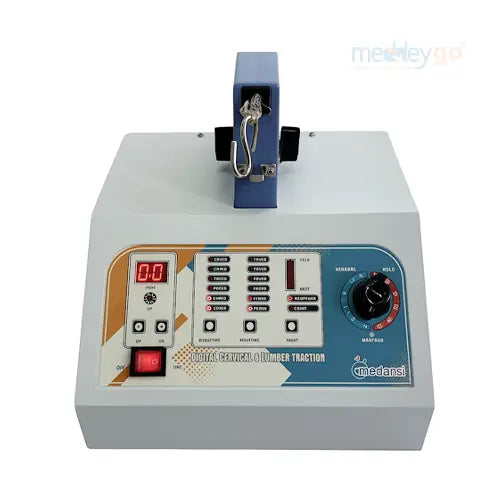
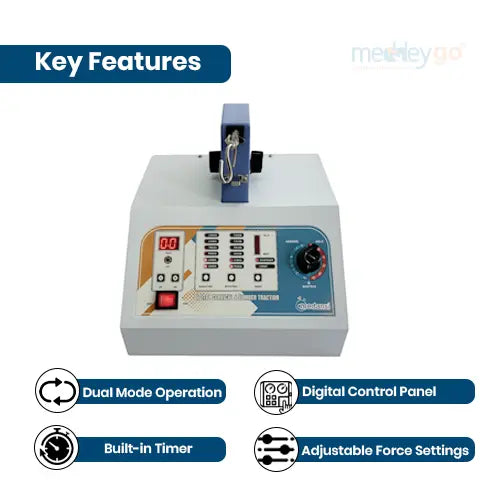
Digital Cervical & Lumbar Traction Machine with 3 Fold Table


Type: Occupational
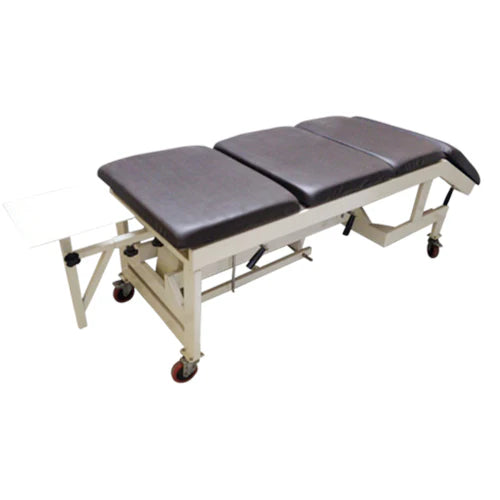
Traction Bed Three Fold


Type: Physio Beds
Three Fold Traction Bed – Manual Physio Table for Cervical & Lumbar Therapy


Type: Modalities
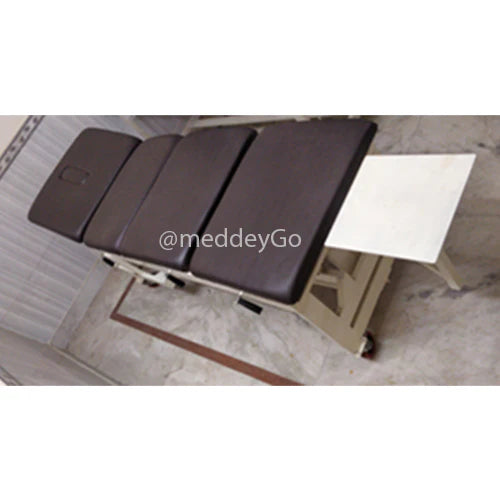
Lumbar Traction Table Cervical Traction 4 Fold


Type: Occupational
Traction Bed Four Fold
Type: Modalities
Medansh Digital Cervical and Lumbar Traction with 1 year warranty
Type: Modalities
Medansh Digital Cervical & Lumbar Traction Machine


Type: Modalities
Medansh Cervical Lumbar Digital Traction Machine Delux with 1year warranty

Type: Modalities
Medansh Cervical & Lumbar Digital Traction Machine


Type: Patient Transfer
Adult Traction Splint Set with Adjustable Length & Foot Support
Type: Occupational
High Low Traction Four Fold Bed Electric
Collection:
Traction Therapy: Techniques and Best Practices
In the evolving landscape of healthcare, traction therapy has emerged as a pivotal technique for treating various musculoskeletal conditions. This article delves into the intricacies of traction therapy, exploring its types, applications, and best practices. Whether you're a hospital administrator, medical equipment distributor, or healthcare technology consultant, understanding these aspects is crucial for optimizing patient outcomes and enhancing your strategic initiatives.

Summary
Traction therapy applies controlled mechanical forces to decompress spinal structures, easing pain from conditions such as herniated discs, sciatica, and cervical spondylosis. Modalities include manual and mechanical approaches for cervical and lumbar regions, with specialized uses like penile traction, all tailored through comprehensive assessment and patient feedback. Best practices center on individualized planning, continuous monitoring and adjustment, screening for contraindications, and integrating complementary therapies; side effects are typically mild and transient. For stakeholders, strategic equipment procurement, provider education, and coordinated care pathways can improve outcomes and create operational and market advantages.
Traction therapy involves the use of mechanical force to stretch and mobilize the spine, relieving pressure on the vertebral discs and nerves. It's primarily used to treat conditions such as herniated discs, sciatica, and cervical spondylosis, among others. By gently pulling the spine, traction therapy helps to decompress the affected areas, promoting pain relief and healing.
Key Mechanisms of Traction Therapy
The core mechanism of traction therapy is decompression, which alleviates pressure on the spinal structures. This is achieved through the application of a sustained or intermittent pulling force. The decompression improves blood flow to the affected area, facilitating nutrient exchange and promoting tissue repair. Additionally, traction therapy can help realign the spine, further relieving stress on the nerves.
Historical Context and Evolution
Traction therapy has a rich history, tracing back to ancient times when rudimentary methods were employed for spinal adjustments. Over the centuries, the technique has evolved with advancements in technology and medical understanding. Modern traction devices are designed to deliver precise and controlled force, reflecting significant progress from its historical roots.
What Does Traction Therapy Feel Like?
Patients undergoing traction therapy often describe the sensation as a gentle pulling or stretching. It's generally comfortable, though some may experience slight discomfort initially. However, this discomfort typically subsides as the body adjusts to the therapy. The feeling can vary depending on the specific type of traction used and the individual's condition, but many find the process soothing and beneficial.
What Conditions Are Treated With Traction Therapy?
Traction therapy is versatile, addressing a range of conditions, including:
- Cervical traction therapy: Used for neck pain and related conditions.
- Back pain relief: Aids in alleviating pressure on the spine.
- Penile traction therapy: A specialized form for treating conditions like Peyronie's disease.
Understanding the specific applications can help healthcare providers and distributors tailor their offerings to meet patient needs effectively.
Cervical Traction Therapy
Cervical traction therapy specifically targets the neck region, making it ideal for conditions like neck stiffness, cervical radiculopathy, and cervical spondylosis. By gently stretching the neck muscles and vertebrae, it alleviates tension and improves mobility. This therapy can be crucial for patients experiencing chronic neck pain, offering a non-invasive alternative to surgery.
Lumbar Traction Therapy
Lumbar traction is designed to relieve lower back pain by decompressing the lumbar vertebrae. It's particularly beneficial for individuals with herniated discs or degenerative disc disease. By reducing pressure on the spinal nerves, lumbar traction can significantly enhance the patient's quality of life, allowing them to return to normal activities more quickly.
Specialized Traction Applications
Beyond the common uses, traction therapy has specialized applications, such as penile traction for treating Peyronie's disease. This involves the use of traction devices to gently stretch the penile tissue, improving curvature and function. Such specialized applications demonstrate the adaptability of traction therapy in addressing unique medical conditions.
Types of Traction Therapy

There are several types of traction therapy, each with unique applications and benefits:
Manual Traction
Administered by a healthcare professional, manual traction involves the use of hands to apply force to the spine. It's often used in clinical settings and allows for precise control of the force applied.
Benefits of Manual Traction
Manual traction provides personalized care, as the therapist can adjust the force based on the patient's response in real-time. This flexibility ensures a tailored approach, maximizing comfort and effectiveness. Additionally, manual traction fosters a therapeutic relationship between the patient and therapist, enhancing trust and communication.
Techniques and Skills Required
Practitioners of manual traction require specialized skills to effectively perform the therapy. Understanding the biomechanics of the spine and having the ability to assess the patient's condition are crucial. Continuous professional development ensures that therapists remain adept at delivering safe and effective manual traction.
Patient Experience and Feedback
Patients often report positive experiences with manual traction, appreciating the hands-on approach. Real-time feedback during sessions allows for immediate adjustments, optimizing therapeutic outcomes. Open communication between the therapist and patient is essential for addressing any concerns and ensuring a comfortable experience.
Mechanical Traction
This type utilizes devices to apply traction force. Mechanical traction is often used for lumbar and cervical regions and can be adjusted to meet specific therapeutic goals.
Advantages of Mechanical Traction
Mechanical traction offers consistent and controlled force application, reducing the risk of human error. The precision of mechanical devices allows for replicable treatment sessions, which can be crucial for tracking progress over time. Furthermore, mechanical traction can be easily integrated into routine therapy sessions, providing convenience for both patients and healthcare providers.
Innovations in Traction Devices
Recent advancements in technology have led to the development of sophisticated traction devices. These innovations include digital interfaces for precise control and customizable settings tailored to individual patient needs. The integration of technology enhances the safety and effectiveness of mechanical traction therapy.
Patient Considerations
While mechanical traction is generally safe, it's important to evaluate each patient's suitability for the therapy. Considerations include the patient's medical history, current condition, and any potential contraindications. Personalized assessments ensure that mechanical traction is both appropriate and beneficial for the patient.
Cervical Traction
Cervical traction focuses on the neck area, providing relief for conditions like cervical spondylosis. It can be administered manually or with specialized devices.
Device-Based Cervical Traction
Device-based cervical traction offers a practical solution for home use, allowing patients to manage their symptoms independently. These devices are designed for ease of use, with adjustable settings to accommodate varying levels of traction. By empowering patients with self-care tools, device-based traction enhances treatment adherence and outcomes.
Manual vs. Device-Based Approaches
Choosing between manual and device-based cervical traction depends on the patient's preferences and specific needs. While manual traction provides a personalized touch, device-based traction offers convenience and consistency. Healthcare providers should consider these factors when recommending a particular approach to cervical traction.
Safety and Efficacy
Ensuring the safety and efficacy of cervical traction involves proper training and device maintenance. Healthcare providers should educate patients on correct usage techniques to prevent complications. Regular follow-ups and assessments help monitor progress and make necessary adjustments to the therapy plan.
What Are The Contraindications For Traction Therapy?
While traction therapy is generally safe, certain conditions may contraindicate its use, such as:
- Acute spinal injuries
- Severe osteoporosis
- Tumors in the spine
Healthcare providers should conduct thorough assessments before recommending traction therapy to ensure patient safety.
Identifying Contraindications
Identifying contraindications involves a comprehensive evaluation of the patient's medical history and current health status. Conditions such as spinal fractures, infections, or inflammatory diseases may pose risks when undergoing traction therapy. A detailed assessment helps in making informed decisions about the suitability of traction therapy for each patient.
Mitigating Risks
Mitigating risks associated with traction therapy requires a proactive approach. Healthcare providers should implement safety protocols and continuously monitor patients during therapy sessions. Educating patients about potential risks and signs of complications empowers them to participate actively in their care.
Alternatives for At-Risk Patients
For patients who are not suitable candidates for traction therapy, alternative treatments should be considered. Physical therapy, medication, or minimally invasive procedures may offer viable solutions. Exploring a range of treatment options ensures that all patients receive appropriate and effective care.
Best Practices for Traction Therapy
Implementing traction therapy effectively requires adherence to best practices:
Assessment and Customization
Each patient should undergo a comprehensive assessment to determine the appropriate type and intensity of traction. Customized treatment plans ensure optimal outcomes and patient satisfaction.
Comprehensive Evaluations
Comprehensive evaluations involve detailed assessments of the patient's condition, medical history, and treatment goals. Healthcare providers should consider physical, functional, and psychological factors when developing a treatment plan. A thorough evaluation ensures that the therapy is tailored to meet the specific needs of each patient.
Developing Personalized Treatment Plans
Personalized treatment plans are based on the unique needs and preferences of the patient. By considering factors such as age, activity level, and overall health, providers can design a plan that maximizes therapeutic benefits. Personalization enhances patient engagement and adherence to the treatment regimen.
Ongoing Adjustments and Feedback
Ongoing adjustments and feedback are critical components of successful traction therapy. Regular assessments allow providers to modify the treatment plan based on the patient's progress and feedback. This dynamic approach ensures that therapy remains effective and responsive to changing needs.
Monitoring and Adjustment
Continuous monitoring during therapy sessions is vital. Adjustments may be necessary based on patient feedback and therapeutic progress.
Importance of Continuous Monitoring
Continuous monitoring ensures that traction therapy is both safe and effective. Healthcare providers should observe the patient's response to therapy, making adjustments as needed to optimize outcomes. Monitoring also helps in identifying any adverse reactions early, allowing for timely interventions.
Techniques for Effective Monitoring
Effective monitoring techniques include regular check-ins, assessments, and patient feedback. Utilizing technology, such as digital tracking tools, can enhance monitoring capabilities. These tools provide real-time data on therapy progress, facilitating informed decision-making.
Responding to Patient Feedback
Patient feedback is invaluable in refining traction therapy plans. Providers should encourage open communication, actively listening to patient concerns and preferences. By incorporating feedback into the treatment process, providers can enhance patient satisfaction and improve therapeutic outcomes.
Integration with Other Therapies
Traction therapy can be complemented with other treatments like physical therapy and pain management strategies. An integrated approach enhances the overall effectiveness of the treatment plan.
Synergistic Effects of Combined Therapies
Combining traction therapy with other treatments can produce synergistic effects, enhancing overall outcomes. Physical therapy, chiropractic care, and pain management strategies can complement traction therapy, addressing multiple aspects of a patient's condition. This holistic approach maximizes therapeutic benefits and supports comprehensive care.
Coordinating Care Among Providers
Coordinating care among providers is essential for effective integration of therapies. Clear communication and collaboration among healthcare professionals ensure consistency in treatment plans. Coordinated care fosters a team approach, enhancing the quality and continuity of patient care.
Tailoring Integrated Treatment Plans
Tailoring integrated treatment plans involves aligning various therapies to meet the patient's specific needs. Providers should consider the timing, intensity, and goals of each therapy, ensuring they complement each other. A well-coordinated plan enhances patient outcomes and satisfaction.
Potential Side Effects of Traction Therapy

While traction therapy is beneficial, it's important to be aware of potential side effects, which may include:
- Mild discomfort or soreness
- Headaches, particularly with cervical traction
- Temporary increase in pain
These side effects are usually transient, but healthcare providers should inform patients and address any concerns promptly.
Recognizing Common Side Effects
Recognizing common side effects allows healthcare providers to manage them effectively. Mild discomfort or soreness is typical after traction sessions, often resolving within a few days. Awareness of these common reactions helps providers reassure patients and guide them through the therapy process.
Managing and Mitigating Side Effects
Managing side effects involves implementing strategies to minimize discomfort and enhance patient comfort. Techniques such as adjusting the intensity of traction or incorporating rest periods can alleviate side effects. Healthcare providers should offer guidance on self-care practices that support recovery and improve patient experience.
Communicating with Patients
Effective communication with patients is crucial in managing side effects. Providers should educate patients about potential reactions, encouraging them to report any concerns promptly. Open dialogue fosters trust and empowers patients to participate actively in their care, enhancing therapeutic outcomes.
How Many Sessions of Traction Therapy Will a Patient Need?
The number of sessions required varies based on the condition being treated and the patient's response to therapy. Generally, a series of sessions over several weeks is recommended for optimal results. Healthcare providers should tailor the treatment frequency to each patient's needs.
Factors Influencing Treatment Duration
Several factors influence the duration of traction therapy, including the severity of the condition, patient age, and overall health. Providers should consider these variables when determining the appropriate number of sessions. A flexible approach allows for adjustments based on the patient's progress and feedback.
Establishing Realistic Expectations
Establishing realistic expectations helps patients understand the therapy process and anticipated outcomes. Providers should communicate the typical course of treatment and potential timelines, fostering patient engagement and compliance. Clear expectations enhance patient satisfaction and motivation.
Evaluating Progress and Adjusting Plans
Evaluating progress involves regular assessments to determine the effectiveness of traction therapy. Providers should use objective measures, such as pain scales and functional assessments, to track patient improvement. Ongoing evaluation enables timely adjustments to the treatment plan, optimizing therapeutic outcomes.
Traction Therapy: A Strategic Perspective for Healthcare Stakeholders
For Hospital Administrators
Understanding the nuances of traction therapy can aid in strategic procurement decisions. Investing in advanced traction equipment enhances patient care and supports the hospital's reputation for excellence in treatment offerings.
Strategic Equipment Procurement
Strategic procurement involves selecting equipment that aligns with the hospital's goals and patient needs. Administrators should consider factors such as technology advancements, cost-effectiveness, and patient outcomes when making purchasing decisions. Investing in high-quality traction equipment enhances the hospital's capabilities and competitiveness.
Enhancing Patient Care Standards
Enhancing patient care standards requires implementing traction therapy as part of a comprehensive treatment strategy. By offering advanced therapies, hospitals can attract more patients and improve satisfaction rates. High standards of care contribute to the hospital's reputation and long-term success.
Supporting Staff Training and Development
Supporting staff training and development ensures that healthcare professionals are skilled in delivering traction therapy. Ongoing education and training programs help staff stay current with best practices and technology advancements. A well-trained team enhances patient care and optimizes therapy outcomes.
For Medical Equipment Distributors
Traction therapy devices represent a significant market opportunity. By staying informed about the latest advancements and aligning distribution strategies with healthcare trends, distributors can effectively position their products and expand their market share.
Market Trends and Opportunities
Understanding market trends helps distributors identify opportunities for growth and innovation. Keeping abreast of technological advancements and shifts in healthcare demand allows distributors to offer cutting-edge products. Strategic positioning of traction therapy devices can lead to increased market share and profitability.
Aligning Distribution Strategies
Aligning distribution strategies with healthcare trends ensures that products meet the evolving needs of healthcare providers and patients. Distributors should focus on building strong relationships with healthcare facilities, offering tailored solutions that address specific challenges. A customer-centric approach enhances distributor success and market penetration.
Educating Healthcare Providers
Educating healthcare providers about the benefits and applications of traction therapy devices is crucial for successful adoption. Distributors can offer training sessions, demonstrations, and educational materials to support provider understanding. Empowering healthcare professionals with knowledge enhances device utilization and patient outcomes.
For Healthcare Technology Consultants
Providing clients with insights into traction therapy and its applications can bolster your consultancy's value proposition. By offering informed recommendations, you empower clients to make strategic decisions that enhance their healthcare delivery models.
Offering Informed Recommendations
Offering informed recommendations requires a deep understanding of traction therapy and its role in healthcare. Consultants should provide evidence-based insights that guide clients in optimizing their treatment offerings. Strategic advice enhances client satisfaction and positions the consultancy as a trusted partner.
Enhancing Client Decision-Making
Enhancing client decision-making involves equipping clients with the tools and knowledge to make informed choices. By providing data-driven analyses and strategic guidance, consultants can support clients in achieving their healthcare goals. Effective decision-making enhances client success and consultancy reputation.
Adapting to Healthcare Innovation
Adapting to healthcare innovation is essential for consultants to remain relevant in a dynamic industry. Staying informed about technological advancements and emerging therapies ensures that consultants can offer cutting-edge advice. Embracing innovation enhances consultancy services and client outcomes.
Conclusion
Traction therapy is a versatile and effective treatment option for various musculoskeletal conditions. By understanding its techniques, applications, and best practices, healthcare stakeholders can optimize patient outcomes and drive strategic growth. Whether you're involved in procurement, distribution, or consultancy, leveraging the insights provided in this article will enhance your ability to navigate the dynamic healthcare landscape.
Q&A
Question: How does traction therapy relieve pain and promote healing?
Short answer: Traction therapy applies a controlled, sustained or intermittent pulling force to decompress spinal structures, which reduces pressure on vertebral discs and nerves. This decompression improves local blood flow, facilitates nutrient exchange, and supports tissue repair. By gently stretching and, in some cases, helping realign spinal segments, traction can ease pain from conditions like herniated discs, sciatica, and cervical spondylosis. Patients typically feel a gentle pulling or stretching sensation that many describe as soothing once the body adjusts.
Question: What types of traction are available, and how do manual and mechanical approaches compare?
Short answer: Traction can be delivered manually by a trained clinician or mechanically using devices, across cervical and lumbar regions, with specialized applications such as penile traction for Peyronie’s disease. Manual traction offers real-time, personalized adjustments based on patient feedback and relies on clinician expertise in spinal biomechanics. Mechanical traction provides consistent, precisely controlled, and reproducible force with device innovations (e.g., digital interfaces and customizable settings) that enhance safety and convenience, including options for home-based cervical traction. Choosing between them depends on patient needs, preferences, clinical goals, and access to trained providers or equipment.
Question: Who is a good candidate for traction therapy, and what are key contraindications?
Short answer: Traction is often considered for patients with neck or low back pain related to conditions like herniated discs, sciatica, cervical radiculopathy, cervical spondylosis, or degenerative disc disease. However, it may be contraindicated in cases of acute spinal injuries, severe osteoporosis, or spinal tumors; other red flags can include fractures, infections, or inflammatory diseases. A thorough evaluation of medical history, current status, and treatment goals is essential to screen for risks, and alternatives (e.g., physical therapy modalities, medications, or minimally invasive options) should be considered for at‑risk patients.
Question: What are best practices to implement traction therapy safely and effectively?
Short answer: Start with a comprehensive assessment and develop a personalized plan that specifies the type, region (cervical or lumbar), intensity, and session structure. Maintain continuous monitoring during sessions, use patient feedback to guide real-time adjustments, and reassess regularly to refine parameters. Integrate traction with complementary therapies—such as physical therapy, chiropractic care, and pain management—in a coordinated, team-based plan. Ensure proper training for providers, safe device setup and maintenance, and clear patient education on expectations, home use (if applicable), and signs that warrant prompt reporting.
Question: What side effects should patients expect, and how many sessions are typically needed?
Short answer: Common side effects are usually mild and transient, including temporary soreness, headaches (especially with cervical traction), or a short-lived increase in pain. These can often be mitigated by adjusting force, incorporating rest periods, and providing self-care guidance. The number of sessions varies based on condition severity, patient age, overall health, and response to treatment; generally, a series of sessions over several weeks is recommended. Setting realistic expectations, tracking progress with pain and functional measures, and adjusting the plan as needed help optimize outcomes.