


Type: Modalities
Medansh Ultrasonic Physiotherapy Machine – Compact Mini Ultrasound Therapy Device for Pain Relief (1 Year Warranty)


Type: Modalities
TENS MS Combo Machine 2 Channel for Pain Relief


Type: Modalities
Medansh Mini Ultrasonic Machine With 2 Year Warranty
Type: Modalities
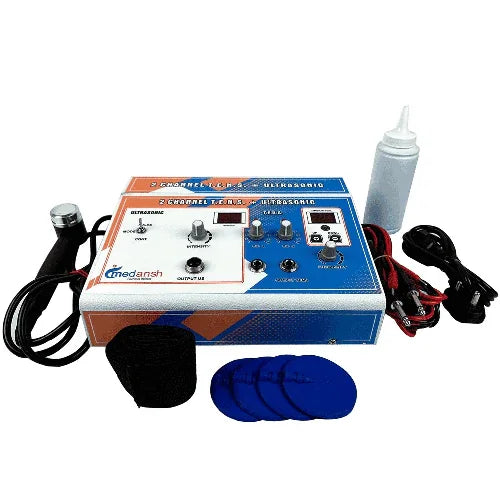
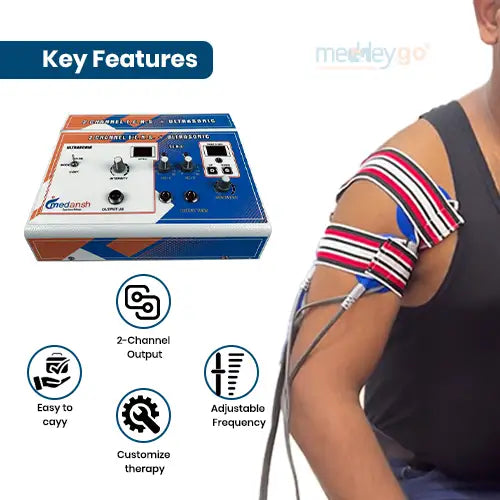
Medansh Ultrasonic TENS Machine 2 Channel 1MHz with 1 year warranty


Type: Modalities
Medansh Delux Digital Ultrasonic Machine with 2 year warranty


Type: Modalities
TENS 2 channel Combo Machine with Ultrasonic Therapy
Type: Accessories
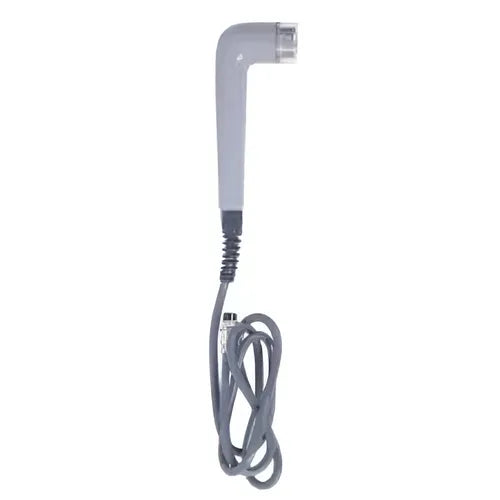
Ultrasonic Head 1MHz Two Pin


Type: Modalities
Medansh TENS Ultrasound Machine 4 Channel with 2 Year Warranty


Type: Medansh
Medansh Portable Digital Ultrasonic Machine with 1year warranty


Type: Modalities
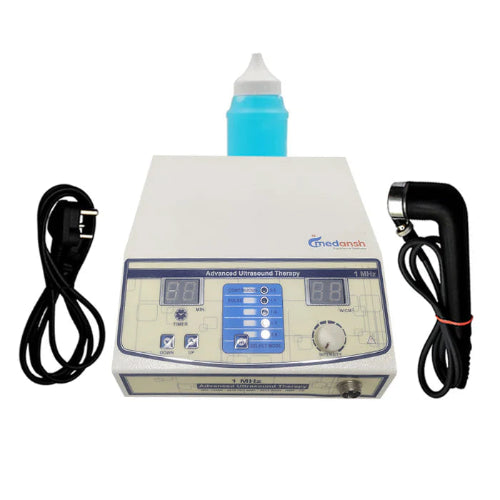
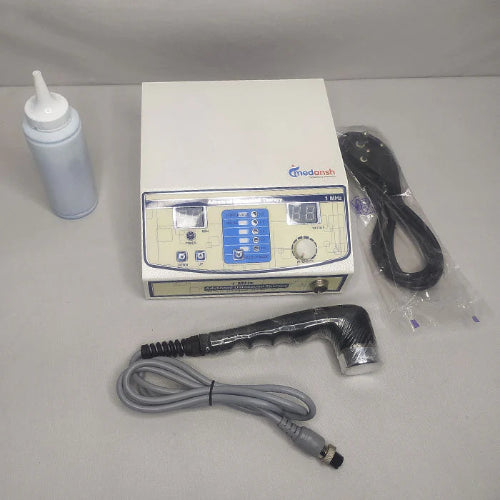
Ultrasonic Physiotherapy Machine 1MHz 3MHz – Medansh
Type: Modalities
Medansh Semi-Digital Ultrasonic Machine with 1year warranty
Type: Modalities
Medansh Delux Digital Ultrasonic Machine with 1 year warranty

Type: Physio Accessories
Ultrasound Gel, 250 ml
Collection:
Benefits of Ultrasonic Physiotherapy Equipment Explained
In this article, we'll explore the ins and outs of ultrasonic physiotherapy equipment, shedding light on its applications, benefits, and the strategic considerations for its procurement and distribution.

Ultrasonic physiotherapy equipment employs high-frequency sound waves to target specific areas of the body, providing therapeutic benefits. Unlike traditional physiotherapy methods, ultrasonic machines penetrate deeper into tissues, promoting cellular repair and reducing inflammation. These devices are commonly used in physical therapy clinics, hospitals, and sports rehabilitation centers.
Understanding the Basics of Ultrasonic Therapy
Ultrasonic therapy involves the application of ultrasonic waves to the body. These waves generate gentle heat and mechanical vibrations, which enhance blood flow and accelerate tissue healing. The frequency and intensity of the ultrasound can be adjusted to tailor the treatment to the patient's specific needs.
Mechanisms of Ultrasound Therapy
Ultrasound therapy works by using sound waves to create mechanical vibrations in tissues. These vibrations can lead to thermal effects, which increase tissue temperature, and non-thermal effects, such as cavitation and acoustic streaming, which promote healing processes at the cellular level.
Tailoring Treatment Plans
The versatility of ultrasonic therapy lies in its adjustable settings. Practitioners can modify the frequency, intensity, and duration of treatments to address specific conditions, whether it be chronic pain, acute injuries, or post-operative recovery. This customization ensures that each patient receives optimal care.
Safety and Precautions
While ultrasonic therapy is generally safe, it is essential to follow guidelines to prevent adverse effects. Practitioners should be aware of contraindications, such as treating areas with metal implants or malignancies, and ensure proper equipment calibration to avoid tissue damage.
Types of Ultrasonic Equipment Used in Physiotherapy
Several types of ultrasonic equipment are used in physiotherapy, including:
- Portable Ultrasound Machines: Compact and easy to use, these devices are ideal for home care and smaller clinics.
- Clinical Ultrasound Devices: Larger, more advanced machines used in hospitals and specialized clinics for extensive treatments.
- Combination Therapy Units: These devices integrate ultrasound with other modalities, such as electrical stimulation, to maximize therapeutic effects.
Portable Ultrasound Machines
Portable ultrasound machines are designed for convenience and mobility. These compact devices allow therapists to provide treatment in various settings, including patient homes, making them ideal for home healthcare services and small clinics with limited space.
Clinical Ultrasound Devices
Clinical ultrasound devices offer advanced features and capabilities for comprehensive treatments. These machines often include multiple transducers and sophisticated software to deliver precise therapy for complex cases, supporting healthcare professionals in delivering high-quality care.
Combination Therapy Units
Combination therapy units integrate ultrasound with other therapeutic modalities, such as electrical stimulation or laser therapy. This multifaceted approach can enhance treatment outcomes by addressing multiple aspects of a patient's condition simultaneously, providing a synergistic effect.
Benefits of Ultrasonic Physiotherapy Equipment

Ultrasonic physiotherapy equipment offers a range of benefits that make it a valuable addition to any healthcare setting. Here are some of the key advantages:
Enhanced Pain Relief
Ultrasonic therapy is highly effective in alleviating pain associated with various conditions, such as arthritis, tendonitis, and muscle strains. The sound waves help reduce inflammation and promote the release of natural pain-relieving chemicals in the body.
Mechanisms of Pain Relief
The pain-relieving effects of ultrasonic therapy are attributed to several mechanisms. The thermal effects increase blood flow, which helps deliver oxygen and nutrients to tissues while removing waste products. Additionally, the non-thermal effects stimulate nerve endings, reducing pain perception.
Addressing Chronic and Acute Pain
Ultrasonic therapy can be tailored to manage both chronic and acute pain. For chronic conditions, regular sessions can help manage persistent pain, while for acute injuries, ultrasonic therapy can accelerate the healing process and reduce discomfort.
Complementary Pain Management
Ultrasonic therapy can complement other pain management strategies, such as medication or physical therapy exercises. By integrating ultrasonic therapy into a comprehensive treatment plan, patients can achieve better pain control and improved quality of life.
Accelerated Healing Process
By increasing blood circulation and stimulating cell regeneration, ultrasonic therapy speeds up the healing process. This is particularly beneficial for patients recovering from surgery or sports injuries, as it reduces downtime and facilitates quicker return to normal activities.
Tissue Repair and Regeneration
Ultrasonic therapy promotes tissue repair by stimulating the production of collagen and other proteins essential for healing. The increased blood flow delivers essential nutrients to damaged tissues, facilitating faster recovery and reducing scar formation.
Post-Surgical Recovery
For post-surgical patients, ultrasonic therapy can be a crucial component of rehabilitation. It aids in reducing swelling and pain while promoting the healing of incisions and surrounding tissues, allowing patients to resume their daily activities sooner.
Supporting Athletic Recovery
Athletes benefit significantly from ultrasonic therapy, as it helps them recover from injuries more quickly and return to peak performance. The therapy can be used to treat common sports injuries like sprains, strains, and tendonitis, minimizing downtime.
Improved Mobility and Flexibility
Patients undergoing ultrasonic therapy often experience improved joint mobility and muscle flexibility. The therapy helps to break down scar tissue and adhesions, which can restrict movement and cause discomfort.
Breaking Down Scar Tissue
Ultrasonic therapy effectively breaks down scar tissue and adhesions, which can limit flexibility and cause pain. By promoting the remodeling of scar tissue, the therapy enhances range of motion and reduces stiffness.
Enhancing Joint Function
Improved blood flow and tissue elasticity from ultrasonic therapy enhance joint function, making it easier for patients to perform daily activities. This is especially beneficial for individuals with conditions like arthritis, where joint mobility is compromised.
Flexibility in Rehabilitation
For rehabilitation programs, ultrasonic therapy offers flexibility in treatment plans. It can be used as a standalone therapy or in conjunction with exercises to improve flexibility, strength, and overall functional ability.
Non-Invasive and Safe
Ultrasonic physiotherapy is a non-invasive treatment option, making it a safe and preferable choice for many patients. It eliminates the need for surgery or medication, reducing the risk of side effects and complications.
Avoiding Surgical Interventions
By providing effective pain relief and promoting healing, ultrasonic therapy can often eliminate the need for surgical interventions, which carry risks and require lengthy recovery periods. Patients can benefit from a non-surgical approach to managing their conditions.
Minimizing Medication Dependency
Ultrasonic therapy reduces the need for pain medications, which can have undesirable side effects. Patients can achieve pain relief and healing without relying on pharmaceuticals, leading to safer and more sustainable long-term outcomes.
Ensuring Patient Safety
Safety is paramount in ultrasonic therapy, with established guidelines to prevent adverse effects. Proper training and equipment calibration ensure that treatments are delivered safely and effectively, providing patients with peace of mind.
Strategic Considerations for Procurement
For hospital administrators and medical equipment distributors, the procurement of ultrasonic physiotherapy equipment requires careful consideration. Here are some strategic factors to keep in mind:
Assessing Technological Advancements
Keeping up with the latest technological advancements is crucial for optimizing patient care and staying competitive in the market. Evaluate the features and capabilities of different ultrasonic devices to ensure they meet the evolving needs of your healthcare facility.
Evaluating Device Features
When selecting ultrasonic equipment, it's essential to assess the features and specifications of various models. Consider aspects such as frequency range, power output, and user interface, as these factors can impact the effectiveness and ease of use of the devices.
Embracing Innovation
Innovation in healthcare technology is continuous, with new ultrasonic devices offering advanced capabilities. Stay informed about the latest developments to incorporate cutting-edge solutions that enhance patient care and operational efficiency.
Future-Proofing Investments
Investing in ultrasonic equipment involves considering future needs and potential technological advancements. Choose devices with upgradable features or compatibility with emerging technologies to ensure long-term relevance and value.
Budget and Cost-Effectiveness
While investing in advanced equipment is important, it is equally vital to balance budget constraints. Consider the long-term benefits and cost savings that ultrasonic therapy can offer, such as reduced patient recovery times and decreased reliance on medications.
Balancing Quality and Cost
Finding the right balance between quality and cost is crucial in equipment procurement. While advanced features are desirable, they must align with budget constraints. Evaluate the cost-effectiveness of devices by considering their potential impact on patient outcomes and operational efficiency.
Long-Term Financial Implications
Investing in ultrasonic equipment can lead to long-term financial benefits. Improved patient outcomes can reduce the need for costly interventions, while efficient treatments can increase patient throughput and revenue for healthcare facilities.
Exploring Financing Options
Healthcare facilities can explore financing options to acquire ultrasonic equipment without straining budgets. Leasing or financing arrangements can provide flexibility, allowing facilities to access advanced technology while managing financial resources effectively.
Vendor Selection and Reliability
Choose reputable vendors known for their quality and reliability. A trustworthy supplier will provide not only top-notch equipment but also comprehensive support, including training, maintenance, and after-sales service.
Evaluating Vendor Reputation
The reputation of a vendor can significantly impact the quality and reliability of ultrasonic equipment. Research vendor credentials, customer reviews, and industry recognition to ensure that you partner with a reputable supplier.
Comprehensive Support Services
A reliable vendor offers more than just equipment; they provide comprehensive support services. Training, maintenance, and technical support are essential components that ensure the effective use and longevity of the equipment.
Building Long-Term Partnerships
Establishing strong partnerships with vendors can lead to long-term benefits. A collaborative relationship ensures that your facility receives timely updates, technical support, and access to the latest innovations, enhancing operational efficiency and patient care.
Market Insights for Distributors and Consultants

For medical equipment distributors and healthcare technology consultants, understanding market trends and identifying opportunities for growth are essential. Here are some insights to guide your strategy:
Analyzing Market Demand
Stay informed about the demand for ultrasonic physiotherapy equipment in different healthcare settings. Identify key markets, such as hospitals, rehabilitation centers, and sports clinics, where these devices are most in demand.
Identifying Target Markets
Understanding target markets is crucial for effective distribution strategies. Analyze demographic data, healthcare infrastructure, and patient needs to identify locations where ultrasonic equipment can have the most significant impact.
Monitoring Industry Trends
Stay abreast of industry trends to anticipate shifts in demand. Emerging healthcare models, changes in patient demographics, and advancements in medical technology can influence the demand for ultrasonic physiotherapy equipment.
Adapting to Regional Needs
Regional variations in healthcare needs require tailored approaches. Consider factors like local regulations, cultural preferences, and economic conditions to customize your marketing and distribution strategies for different regions.
Differentiating Product Offerings
In a competitive market, differentiating your product offerings is crucial. Highlight the unique features and benefits of your ultrasonic equipment, such as portability, advanced technology, or combination therapy capabilities, to stand out from competitors.
Highlighting Unique Features
Emphasize the unique features of your ultrasonic equipment, such as portability, ease of use, or advanced technology. By showcasing how your products meet specific needs, you can attract customers seeking tailored solutions.
Customizing Marketing Strategies
Develop marketing strategies that resonate with different customer segments. Tailor messaging to highlight the benefits and applications of your products, addressing the pain points and needs of various healthcare providers.
Building Brand Identity
Establish a strong brand identity that reflects the values and benefits of your ultrasonic equipment. Consistent branding and messaging can enhance recognition and trust among healthcare providers, setting your products apart from competitors.
Navigating Regulatory Requirements
Stay updated on regulatory requirements and certifications for ultrasonic equipment. Compliance with healthcare standards ensures the safety and effectiveness of your products, enhancing your credibility and marketability.
Understanding Regulatory Frameworks
Familiarize yourself with the regulatory frameworks governing ultrasonic equipment in different regions. Compliance with standards like CE marking or FDA approval is essential for market entry and credibility.
Ensuring Product Safety and Quality
Regulatory compliance is not just about meeting legal requirements; it ensures product safety and quality. Adhering to standards demonstrates your commitment to delivering reliable and effective ultrasonic equipment.
Leveraging Certifications
Use certifications as a marketing tool to build trust and credibility. Highlighting your adherence to regulatory standards can reassure customers of the safety and effectiveness of your products, influencing purchasing decisions.
Conclusion
Ultrasonic physiotherapy equipment represents a significant advancement in the field of pain management and rehabilitation. Its ability to provide non-invasive, effective, and targeted treatment makes it an invaluable tool for healthcare professionals.
By understanding the benefits and strategic considerations associated with ultrasonic therapy, hospital administrators, medical equipment distributors, and healthcare technology consultants can make informed decisions that enhance patient care and drive business success.
Investing in ultrasonic physiotherapy equipment not only improves patient outcomes but also positions healthcare facilities and distributors at the forefront of medical innovation. As the healthcare landscape continues to evolve, embracing advanced technologies like ultrasonic therapy will be key to delivering exceptional patient care and achieving sustainable growth.
Q&A
Question: What makes ultrasonic physiotherapy different from traditional physiotherapy methods?
Short answer: Ultrasonic physiotherapy uses high-frequency sound waves that penetrate deeper into tissues than many traditional modalities. These waves create both thermal (gentle heat) and non-thermal effects (cavitation and acoustic streaming), enhancing blood flow, supporting cellular repair, and reducing inflammation. With adjustable frequency, intensity, and duration, treatments can be precisely tailored to each patient and condition across clinics, hospitals, and sports rehab settings.
Question: How does ultrasonic therapy relieve pain and speed up healing?
Short answer: Pain relief comes from increased circulation that delivers oxygen and nutrients while clearing waste, plus non-thermal effects that modulate nerve activity and reduce pain perception. Healing accelerates as ultrasound promotes collagen production, stimulates cell regeneration, and improves tissue remodeling—benefiting post-surgical recovery, sports injuries, and chronic conditions by reducing swelling, minimizing scar formation, and shortening downtime.
Question: Is ultrasonic therapy safe, and what precautions should practitioners take?
Short answer: It is generally safe and non-invasive when guidelines are followed. Practitioners should avoid treating contraindicated areas—such as regions with metal implants or malignancies—ensure proper equipment calibration, and select appropriate settings (frequency, intensity, duration) for the patient’s condition. Adhering to protocols helps prevent tissue damage and supports consistent, effective outcomes.
Question: Which type of ultrasonic equipment should I choose for my setting?
Short answer:
- Portable ultrasound machines: Best for home care and small clinics needing mobility and space efficiency.
- Clinical ultrasound devices: Suited to hospitals and specialized clinics; they offer multiple transducers and advanced software for complex cases.
- Combination therapy units: Integrate ultrasound with modalities like electrical stimulation to deliver synergistic effects. Across all types, evaluate frequency range, power output, user interface, software capabilities, and upgradability to align with clinical needs and future requirements.
Question: What should administrators and distributors prioritize when procuring and marketing ultrasonic equipment?
Short answer:
- Procurement: Track technological advancements, balance quality with budget, consider long-term clinical and financial impacts, and explore financing (e.g., leasing). Choose reputable vendors that provide training, maintenance, and strong after-sales support, and aim for long-term partnerships.
- Market strategy: Analyze demand by setting (hospitals, rehab centers, sports clinics), tailor approaches to regional needs, and differentiate with clear product benefits (portability, advanced features, combination capabilities). Ensure regulatory compliance (e.g., CE marking, FDA approval) and leverage certifications to build credibility and trust.