
Filter
6 products
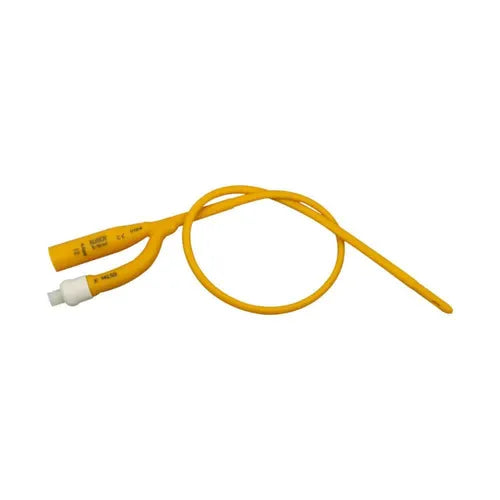
Type: Nursing
Rusch Gold Latex Foley Balloon Catheter

Type: Catheter
Ramsons R 90 Urethral Catheter

Type: Nursing
Latex Foley Catheter 2 Way Pediatric Pack of 10
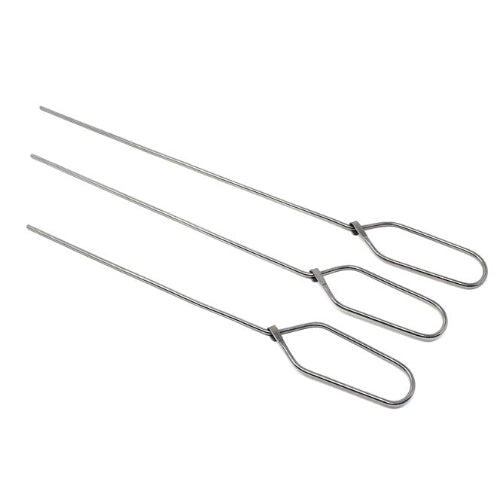
Type: General Instruments
Metal Catheter 12, 14, 16 Inch (Set of 3)


Type: Nursing
Urine Bag with Handle 2000ml | Disposable Urine Catheter Bag

Type: Nursing
Urinary Catheter 3 Way Foley Catheter Adult Pack of 10
Collection:
Urinary Catheter Guide: Types, Sizes, Uses, Price & Safety
Urinary Catheter Guide: Types, Sizes, Uses, Price & Safety
A detailed guide to urinary catheter types, Foley and intermittent catheters, male and female sizes, catheter colour coding, parts, insertion discomfort, safety, prices and buying considerations.
Introduction: Why Urinary Catheters Are Important in Patient Care
A catheter is a flexible medical tube used to access, drain, deliver or manage fluids within the body. The word catheter covers many medical-device categories, including urinary, vascular, cardiac, peritoneal and drainage catheters. In this guide, the main focus is the urinary catheter.
A urinary catheter is a hollow tube used to drain urine from the bladder. It may be inserted through the urethra or, in selected patients, through a surgically created opening in the lower abdomen known as a suprapubic route. Urine then drains through the catheter into a collection bag or another prescribed drainage system.
Urinary catheterisation may be required when a patient cannot empty the bladder normally, needs accurate urine-output monitoring, is undergoing selected surgery or requires another specific diagnostic or therapeutic procedure. A catheter should be used only for an appropriate clinical indication and should not remain in place longer than needed.
Catheters are available in different types, lengths, tip designs, balloon capacities, materials and French sizes. Some are inserted temporarily to drain the bladder and then removed. Others remain in the bladder and are held in place by an inflatable balloon.
Buyers may search for a urinary catheter using several phrases, including catheter tube, urine tube, urethral catheter, simple rubber catheter, rubber catheter or Foley catheter. The phrase “police catheter” appears to be a spelling or voice-search variation of Foley catheter, while “cathedral for urine” is likely a mistaken search for “catheter for urine.”
This MeddeyGo guide explains what a catheter is used for, the main urinary catheter types, catheter parts, French sizes and colour coding, size considerations for males and females, insertion discomfort, safety, complications, price factors and buying guidance.
Hospitals & Surgical Care
Urinary catheters may support perioperative bladder drainage, urine-output monitoring and selected clinical procedures.
Urology & Continence Care
Intermittent, indwelling and suprapubic systems may be selected according to bladder function and patient needs.
Home & Long-Term Care
Selected patients or caregivers may be trained to manage certain catheter systems under professional guidance.
What Is a Catheter?
A catheter is a narrow tube inserted into a part of the body for a medical purpose. Depending on its design, it may drain fluid, deliver treatment, provide access, measure pressure or support a procedure.
A urinary catheter is designed specifically to allow urine to leave the bladder when normal urination is not possible, is unsafe or needs to be carefully controlled and measured.
The catheter may be inserted for a short period, used intermittently or left in place as an indwelling device. The correct approach depends on the diagnosis, expected duration, infection risk, patient mobility, urethral anatomy and treatment plan.
Simple Definition
A urinary catheter is a flexible tube used to drain urine from the bladder when a person cannot urinate normally or requires controlled bladder drainage.
What Is a Catheter Used For?
A catheter may be used for many medical purposes, but a urinary catheter is primarily used to drain the bladder. The clinical reason should always be documented and reviewed.
- Urinary retention when the bladder cannot empty normally
- Bladder drainage before, during or after selected surgery
- Accurate urine-output monitoring in critically ill patients
- Management of selected neurological bladder conditions
- Assistance during certain diagnostic or urological procedures
- Protection of selected wounds from urine contamination
- Management of urinary obstruction under specialist direction
- Short-term or long-term continence care in specific circumstances
- Bladder irrigation after selected urological surgery
- Collection of an uncontaminated urine specimen in selected situations
Urinary catheters should not be inserted solely for staff convenience or as the routine first choice for urinary incontinence. Alternative continence-management methods may be more appropriate when clinically suitable.
Bladder Drainage
Allows urine to leave the bladder when normal emptying is impaired.
Urine Monitoring
Supports accurate output measurement in selected critically ill patients.
Surgical Support
May keep the bladder empty during or after selected operations.
Urological Procedures
May support diagnostic, therapeutic or post-operative bladder management.
What Are the Main Catheter Parts?
The exact catheter parts depend on whether the product is an intermittent catheter, two-way Foley catheter, three-way Foley catheter or another urinary-drainage device.
| Catheter Part | Main Function | Important Consideration |
|---|---|---|
| Catheter Shaft | The flexible tube that passes through the urethra or suprapubic tract. | Material, diameter, length and flexibility vary. |
| Drainage Eyes | Openings near the tip that allow urine to enter the catheter. | Shape and number vary by design. |
| Catheter Tip | Guides the catheter through the urinary passage. | May be straight, rounded or curved depending on type. |
| Drainage Funnel | Connects the catheter to a urine drainage bag or outlet. | Often colour coded to indicate French size. |
| Balloon | On Foley catheters, holds the catheter inside the bladder. | Inflated only after correct bladder placement. |
| Balloon Inflation Port | Provides access for balloon inflation or deflation. | Must follow the manufacturer’s specified balloon volume. |
| Irrigation Channel | Present on three-way catheters for prescribed bladder irrigation. | Used in specialist clinical workflows. |
| Colour-Coded Connector | Helps identify catheter size. | Package marking must still be checked. |
What Are the Two Main Types of Urinary Catheters?
The two urinary catheter types most commonly discussed are intermittent catheters and indwelling catheters.
Intermittent Urinary Catheter
An intermittent catheter is inserted into the bladder to drain urine and then removed. It does not remain in the bladder between catheterisation sessions.
Some patients or caregivers can be trained to perform intermittent catheterisation at home. The method, frequency, catheter type and hygiene requirements must be provided by a qualified continence or urology professional.
Indwelling Urinary Catheter
An indwelling catheter remains inside the bladder for a period of time. It is held in position by a small balloon filled with sterile water after correct placement. This type is commonly called a Foley catheter.
Urine flows continuously through the catheter into a drainage bag. The bag may be attached to the leg or supported on an appropriate stand below bladder level.
| Comparison | Intermittent Catheter | Indwelling Foley Catheter |
|---|---|---|
| Duration | Inserted, bladder drained and catheter removed | Remains in place for a prescribed period |
| Balloon | No retention balloon | Balloon holds catheter in bladder |
| Drainage | Occurs during each catheterisation session | Continuous drainage into a collection bag |
| Typical Use | Scheduled bladder emptying | Ongoing drainage for a clinical indication |
| Home Use | May be self-managed after training | Requires ongoing catheter and drainage-system care |
Common Types of Urinary Catheters
Foley Catheter
A Foley catheter is an indwelling urinary catheter held inside the bladder by a water-filled balloon. Standard Foley catheters commonly have two internal channels, also called lumens.
One lumen drains urine. The second lumen connects to the balloon inflation port. Foley catheters are available in latex, silicone-coated latex and all-silicone configurations.
Simple Rubber Catheter
The phrase simple rubber catheter is commonly used for a straight intermittent catheter without a retention balloon. It may also be described as a Nelaton catheter or plain urinary catheter, depending on the product.
Modern products may use PVC or another polymer rather than natural rubber. Buyers should check the stated material rather than relying only on the phrase rubber catheter.
Nelaton Catheter
A Nelaton catheter is a straight catheter generally used for temporary or intermittent bladder drainage. It does not include a retention balloon.
Tiemann or Coudé Catheter
A Tiemann or coudé catheter has a curved tip intended to support passage in selected patients with difficult male urethral anatomy or prostatic obstruction.
This catheter should be selected and inserted only by personnel trained in its correct orientation and use.
Suprapubic Catheter
A suprapubic catheter enters the bladder through a surgically created opening in the lower abdomen rather than through the urethra.
It may be selected for some patients requiring longer-term drainage or when urethral catheterisation is unsuitable.
External Male Catheter
An external male catheter, often called a condom catheter, fits externally over the penis and directs urine into a collection bag. It does not enter the urethra or bladder.
Three-Way Foley Catheter
A three-way Foley catheter has three separate lumens. One drains urine, one inflates the retention balloon and the third allows prescribed bladder irrigation.
It may be called a three-way Foley catheter, triple-lumen Foley catheter or irrigation catheter. It is commonly associated with selected post-urological-surgery care and continuous bladder irrigation.
Paediatric Urinary Catheter
Paediatric urinary catheters are available in smaller French sizes and lengths. Selection depends on age, body size, anatomy and clinical need.
Foley Catheter
Indwelling catheter retained inside the bladder by a balloon.
Intermittent Catheter
Inserted to drain the bladder and removed after use.
Suprapubic Catheter
Enters the bladder through a surgically created abdominal opening.
Three-Way Catheter
Includes an additional channel for prescribed bladder irrigation.
What Is a Urethral Catheter?
A urethral catheter is passed through the urethra into the bladder. It may be an intermittent catheter that is removed after drainage or an indwelling Foley catheter that remains in place.
The urethra is longer in males than females, which is why male urinary catheters are generally longer. Catheter insertion should account for patient anatomy, comfort and clinical indication.
Urinary Catheter Sizes
Urinary catheter size is commonly measured using the French or Charrière scale, written as Fr, F, FG, Ch or CH. The French number represents the catheter’s external diameter.
One millimetre of external diameter is equal to approximately 3 French. Therefore, a 12Fr catheter has an external diameter of about 4 mm, while an 18Fr catheter has an external diameter of about 6 mm.
A larger French number means a wider catheter. This is the opposite of the gauge system commonly used for IV cannulas.
French Size Rule
A higher French number means a larger catheter diameter. Catheter size should be selected by a trained healthcare professional.
Catheter Size and Colour Coding
Many urinary catheters use internationally recognised connector colours to help identify French size. However, not every manufacturer uses identical colour coding, so the printed size on the package and connector must always be checked.
| Common Size | Common Colour | General Size Category | Typical Consideration |
|---|---|---|---|
| 6Fr | Light green on many ranges | Very small | Selected neonatal or paediatric applications |
| 8Fr | Blue on many ranges | Very small | Selected paediatric applications |
| 10Fr | Black on many ranges | Small | Paediatric or specialised adult use |
| 12Fr | White on many ranges | Small adult | Selected adults, females or intermittent use |
| 14Fr | Green on many ranges | Common adult | Frequently used adult size |
| 16Fr | Orange on many ranges | Common adult | Frequently used adult Foley size |
| 18Fr | Red on many ranges | Medium-large | Selected adult drainage requirements |
| 20Fr | Yellow on many ranges | Large | Selected clot, debris or irrigation requirements |
| 22Fr | Purple or violet on many ranges | Large | Selected urology or irrigation applications |
| 24Fr | Blue on some standard charts | Very large | Specialist urological use |
Colour-Code Warning
Colours can vary by manufacturer and product range. Never select a urinary catheter by colour alone; verify the French size, length, balloon capacity and packaging.
Size of Catheter for Male and Female
There is no single catheter size that is correct for every male or female patient. Selection depends on age, anatomy, urethral condition, urine characteristics, clinical purpose and product type.
For many adults, 12Fr to 16Fr catheters are commonly considered, but the responsible clinician should select the smallest size that allows effective drainage without unnecessary urethral trauma.
Larger sizes may be needed when thick debris, clots or prescribed irrigation are expected. Smaller sizes may be suitable for intermittent catheterisation, females, paediatric patients or patients with a narrow urethra.
Urinary Catheter Size for Male
A male urethral catheter is generally longer than a female catheter because the male urethra is longer. Common adult male Foley sizes may include 14Fr and 16Fr, subject to clinical assessment.
A curved Tiemann or coudé tip may be selected by trained personnel when prostatic enlargement or difficult passage is suspected. Force should never be used against resistance.
Urinary Catheter Size for Female
Female intermittent catheters are generally shorter than male catheters. Common adult female sizes may include 12Fr to 14Fr, although the correct size must be individually assessed.
A standard-length Foley catheter may still be used for many female patients because indwelling catheter designs are often supplied in a universal adult length.
Paediatric Catheter Size
Paediatric sizes may range from approximately 6Fr to 10Fr or higher depending on age and anatomy. Neonatal and paediatric catheterisation requires specialised training and careful device selection.
| Patient Group | Commonly Considered Range | Important Selection Factor |
|---|---|---|
| Adult Male | Often 14Fr–16Fr | Urethral anatomy, prostate, drainage purpose and urine characteristics |
| Adult Female | Often 12Fr–14Fr or 16Fr | Anatomy, intermittent or indwelling use and clinical need |
| Child | Often smaller than adult sizes | Age, weight, anatomy and specialist assessment |
| Clot or Irrigation Use | Larger sizes may be required | Urology order, lumen size and irrigation requirement |
Size Selection Principle
The smallest catheter that provides effective drainage is generally preferred, unless a larger lumen is required for clots, debris or prescribed bladder irrigation.
Which Catheter Is Used in Females?
The catheter used in a female patient depends on whether drainage is intermittent or indwelling.
A short female intermittent catheter may be used for clean intermittent catheterisation. An indwelling Foley catheter may be used when continuous drainage is clinically indicated.
Size commonly depends on urethral anatomy, treatment objective and urine characteristics. Product length and French size must both be confirmed before use.
Which Urinary Catheter Is Best?
There is no single urinary catheter that is best for every patient. The best catheter is the one that matches the indication, expected duration, anatomy, infection-prevention plan and patient comfort needs.
- Intermittent catheter for scheduled bladder emptying
- Foley catheter for continuous indwelling drainage
- All-silicone catheter for selected longer-term or latex-sensitive use
- Tiemann or coudé catheter for selected difficult male catheterisation
- Three-way catheter when prescribed bladder irrigation is required
- Suprapubic catheter when urethral drainage is unsuitable
- Hydrophilic intermittent catheter for selected self-catheterisation routines
Material, coating, lubrication, tip type, drainage eyes, length, balloon size and connector design may all affect product suitability.
Catheter Materials
Latex Catheter
Latex catheters are flexible and may be coated with silicone or another material. They should not be used in patients with known or suspected latex allergy.
All-Silicone Catheter
An all-silicone catheter is latex-free and may offer a relatively large internal drainage lumen for its external size. It is often considered for selected longer-term catheterisation.
PVC Intermittent Catheter
PVC is commonly used for straight intermittent catheters. Some products are supplied with hydrophilic coating or pre-lubricated packaging.
Rubber Catheter
“Rubber catheter” is often used as a general market term, but actual products may be made from latex, coated latex, silicone, PVC or another polymer.
Latex
Flexible material that may include a protective coating; avoid in latex allergy.
Silicone
Latex-free option often used for selected longer-duration requirements.
PVC
Common material for straight intermittent urinary catheters.
Hydrophilic Coating
Creates a lubricated surface when activated or supplied ready to use.
Two-Way vs Three-Way Foley Catheter
| Point | Two-Way Foley Catheter | Three-Way Foley Catheter |
|---|---|---|
| Number of Lumens | Two | Three |
| Urine Drainage | Yes | Yes |
| Balloon Inflation | Yes | Yes |
| Irrigation Channel | No | Yes |
| Common Use | Routine indwelling bladder drainage | Selected post-urology irrigation workflows |
| Other Name | Standard Foley catheter | Triple-lumen or irrigation Foley catheter |
How Painful Is Getting a Catheter?
Urinary catheter insertion may cause pressure, stinging, burning or brief discomfort as the tube passes through the urethra. The experience varies between patients.
Lubricating or local anaesthetic gel may be used according to clinical policy to reduce friction and improve comfort. Anxiety, urethral narrowing, inflammation, prostate enlargement, recent surgery and difficult anatomy may increase discomfort.
Severe pain, significant resistance or bleeding during insertion is not something that should be overcome by force. The procedure should be stopped and reassessed by an appropriately trained clinician.
After placement, mild awareness or bladder spasm may occur, but persistent severe pain, absent urine drainage, leakage, fever or increasing blood in the urine should be reviewed.
Pain Safety Note
A catheter may cause temporary insertion discomfort, but severe pain, resistance, heavy bleeding, blockage or persistent burning requires immediate clinical assessment.
How Is a Urinary Catheter Inserted?
Urinary catheterisation is an invasive procedure requiring appropriate training, consent, privacy, equipment and aseptic technique.
At a high level, the clinician confirms the indication and catheter specification, performs hand hygiene, prepares a sterile field, cleans the area according to policy, applies appropriate lubrication and advances the catheter until correct bladder placement is confirmed.
For an indwelling Foley catheter, the balloon is inflated only after the catheter is confirmed to be inside the bladder. The catheter is then connected to a closed drainage system and secured to minimise traction.
Professional Procedure Only
Catheter insertion should be performed only by trained healthcare personnel or by a patient or caregiver who has received formal intermittent-catheterisation training.
Can Catheters Be Used at Home?
Yes, selected urinary catheter systems can be managed at home. Some people perform intermittent self-catheterisation after structured training. Others live with an indwelling urethral or suprapubic catheter managed with community nursing or urology support.
Home users should receive clear instructions regarding hand hygiene, connection handling, bag positioning, fluid intake if appropriate, warning signs, replacement schedule, emergency contacts and disposal.
A catheter should not be inserted or changed at home by an untrained person.
Urinary Catheter Safety and Infection Prevention
Catheter-associated urinary tract infection is a major concern with indwelling urinary catheters. The risk increases with longer catheter duration, which is why catheters should be inserted only for appropriate indications and removed as soon as they are no longer needed.
- Use a catheter only when clinically indicated.
- Select the smallest suitable French size.
- Use sterile equipment and aseptic insertion technique.
- Maintain a closed sterile drainage system.
- Secure the catheter to avoid urethral traction.
- Keep the drainage bag below bladder level.
- Avoid unnecessary disconnection of the system.
- Prevent tubing kinks and dependent loops.
- Empty the bag using clean technique.
- Review catheter need regularly.
- Remove the catheter as soon as it is no longer required.
- Follow manufacturer and institutional guidance.
CAUTI Prevention Rule
Appropriate indication, sterile insertion, a closed drainage system and minimum necessary duration are central to safer catheter care.
Common Catheter Complications
| Potential Problem | What It Means | Possible Warning Signs |
|---|---|---|
| Catheter-Associated UTI | Urinary infection associated with catheter use. | Fever, lower abdominal pain, flank pain, confusion or systemic illness |
| Catheter Blockage | Urine cannot drain freely through the tube. | No urine, leakage, bladder discomfort or visible debris |
| Bypassing | Urine leaks around the outside of the catheter. | Wetness, bladder spasm or reduced bag drainage |
| Urethral Trauma | Damage to urethral tissue during insertion or traction. | Pain, bleeding, swelling or difficult passage |
| Bladder Spasm | Involuntary bladder contraction around the catheter. | Cramping, urgency sensation or leakage |
| Encrustation | Mineral deposits form within or around the catheter. | Reduced drainage, blockage or difficult removal |
| Accidental Removal | The catheter is pulled out while the balloon is inflated. | Pain, bleeding and sudden catheter displacement |
| Latex Reaction | Allergic response to latex-containing products. | Itching, swelling, rash or systemic reaction |
Leakage may be associated with bladder spasm, constipation or catheter blockage. Blood or debris may also affect drainage and should be assessed according to the patient’s clinical situation.
Warning Signs Requiring Medical Review
- No urine draining despite an apparently full bladder
- Increasing lower abdominal or bladder pain
- Fever, chills or feeling seriously unwell
- New flank or back pain
- Large amounts of blood or blood clots
- Catheter falling out or becoming partly dislodged
- Persistent leakage around the catheter
- Severe urethral pain or swelling
- Cloudy, foul-smelling urine accompanied by symptoms
- Confusion or sudden deterioration in an older patient
- Damaged catheter or disconnected drainage system
Urgent Catheter Warning
Seek urgent medical assistance for complete blockage with bladder pain, heavy bleeding, severe systemic illness, catheter displacement or inability to drain urine.
Catheter Care at Home
Home catheter care should follow the individual plan provided by the hospital, urology team or community nurse.
- Wash hands before and after handling the catheter or bag.
- Keep the catheter and surrounding area clean.
- Keep the drainage bag below bladder level.
- Avoid pulling, twisting or trapping the tube.
- Ensure urine flows without tubing kinks.
- Empty the bag before it becomes overfull.
- Use the catheter valve or night bag only as instructed.
- Do not disconnect the system unnecessarily.
- Monitor urine flow, comfort and warning signs.
- Follow the planned catheter-change schedule.
Long-term catheter use increases the risk of infection and blockage, so ongoing professional review is important.
Are Catheters Reusable?
Many hospital urinary catheters, including Foley catheters and standard sterile intermittent catheters, are supplied as single-use medical devices.
A product must not be reused unless its manufacturer specifically labels it for reuse and the user has received an approved cleaning protocol. Reusing a single-use catheter can increase contamination, material damage and infection risk.
Buyers should always check the label for sterile, single-use, reuse and disposal information.
Catheter Price
Catheter price depends on catheter type, material, French size, length, balloon configuration, coating, sterility, brand and pack quantity.
A simple straight urinary catheter may cost less than an indwelling Foley catheter. An all-silicone Foley, hydrophilic intermittent catheter or three-way irrigation catheter may have a higher price because of material and design differences.
| Price Factor | Why It Matters |
|---|---|
| Catheter Type | Intermittent, Foley, suprapubic and three-way products differ. |
| Material | Latex, coated latex, silicone and PVC have different costs. |
| French Size and Length | Paediatric, female, male and specialist sizes may differ in price. |
| Balloon and Lumens | Two-way and three-way Foley catheters have different designs. |
| Hydrophilic Coating | Pre-lubricated or hydrophilic systems may cost more. |
| Sterile Packaging | Ready-to-use and protective packaging affects value. |
| Brand and Quality | Manufacturing standards, traceability and support matter. |
| Pack Quantity | Hospital bulk packs may reduce the per-unit price. |
Foley Catheter Price
Foley catheter price varies according to whether the catheter is latex, silicone-coated latex or all silicone. Balloon size, French size, two-way or three-way construction and manufacturer also affect the cost.
A standard two-way latex Foley may be more affordable than an all-silicone or three-way irrigation catheter. However, product selection should be based on clinical suitability and not price alone.
Simple Rubber Catheter Price
A simple rubber catheter or straight urinary catheter is generally a basic intermittent-drainage product without a retention balloon.
Price depends on actual material, catheter length, French size, lubrication, sterility and packaging. Buyers should confirm whether the product is latex, rubber, PVC or another material.
Price Comparison Rule
Compare catheter type, material, French size, length, balloon capacity, sterility and intended use—not only the lowest displayed price.
How to Choose a Urinary Catheter
- Confirm intermittent or indwelling requirement.
- Check urethral or suprapubic route.
- Select the smallest suitable French size.
- Confirm male, female, paediatric or universal length.
- Check straight, coudé or Tiemann tip requirement.
- Review latex allergy status.
- Confirm balloon volume for Foley catheters.
- Check two-way or three-way construction.
- Review coating and lubrication.
- Confirm sterile single-use packaging.
- Check manufacturer and regulatory information.
- Verify expiry date and batch traceability.
How to Buy a Catheter Online
Healthcare buyers should not order a urinary catheter based only on the word “catheter.” The product listing should clearly identify the type, French size, length, material and balloon configuration.
Correct Type
Confirm Foley, intermittent, three-way, Tiemann or suprapubic requirement.
Correct Size
Verify French size, catheter length and balloon volume.
Correct Material
Check latex, silicone, coated latex, PVC or hydrophilic construction.
Sterile Packaging
Inspect single-use status, expiry, pack integrity and traceability.
Common Catheter Buying Mistakes
| Buying Mistake | Possible Problem | Better Approach |
|---|---|---|
| Choosing size only by colour | Manufacturer colour may differ. | Check printed French size and product code. |
| Confusing Foley and straight catheter | Wrong drainage method may be ordered. | Confirm whether a retention balloon is required. |
| Ignoring male or female length | Catheter may be unsuitable for anatomy or intended use. | Verify patient group and product length. |
| Ignoring balloon volume | Product may not match the clinical requirement. | Check balloon capacity on the package. |
| Buying by lowest price | Material, sterility or traceability may be inadequate. | Compare complete specification and supplier reliability. |
| Ignoring latex status | May create allergy risk. | Confirm material and patient allergy history. |
| Confusing urinary and vascular catheters | Completely wrong device category may be purchased. | Confirm the intended body system and clinical procedure. |
Key Benefits of a Quality Urinary Catheter
Patient Comfort
A smooth surface and appropriate flexibility may help reduce friction during professional insertion and use.
Reliable Drainage
Correctly designed drainage eyes and lumen support effective urine flow.
Multiple Options
Different types, materials, sizes and lengths support varied clinical requirements.
Secure Retention
A correctly positioned Foley balloon helps retain the catheter inside the bladder.
Clear Identification
Colour coding and package labelling help users confirm French size.
Sterile Supply
Individually sterile packaging helps maintain product sterility until use.
Why Buy Urinary Catheters from MeddeyGo?
MeddeyGo offers medical consumables and urology-care products for hospitals, clinics, nursing facilities, doctors, healthcare professionals and institutional buyers across India.
Buyers can compare available catheter products according to type, size, material, length and intended use. Product availability may vary by manufacturer and pack configuration.
- Urinary catheter options based on availability
- Foley and straight catheter categories
- Different French sizes and materials
- Products for hospitals, clinics and care facilities
- Clear specifications for professional comparison
- Convenient online ordering through MeddeyGo.com
- Healthcare procurement support across India
Hover Quick Guide
Neeche highlighted terms par cursor le jao:
Foley Catheter Foley catheter ek indwelling urine tube hoti hai jo bladder ke andar balloon ki help se hold hoti hai. Intermittent Catheter Intermittent catheter bladder drain karne ke liye insert ki jaati hai aur urine drainage ke baad remove kar di jaati hai. French Size French ya Fr catheter ka external diameter show karta hai. Higher Fr number ka matlab wider catheter hota hai. Three-Way Catheter Three-way Foley mein urine drainage, balloon inflation aur bladder irrigation ke liye three separate lumens hote hain.
Frequently Asked Questions
What is a catheter?
A catheter is a flexible medical tube used to access, deliver or drain fluids within the body.
What is a urinary catheter?
A urinary catheter is a hollow tube used to drain urine from the bladder.
What is a catheter used for?
A urinary catheter may be used for urinary retention, selected surgery, urine-output monitoring or another specific clinical indication.
What are the two main types of urinary catheters?
The two main types are intermittent catheters and indwelling catheters.
What is a Foley catheter?
A Foley catheter is an indwelling urinary catheter held inside the bladder by a water-filled balloon.
What is a simple rubber catheter?
It generally refers to a straight urinary catheter without a retention balloon, although the actual material may be PVC, latex or another polymer.
Which catheter is used in females?
A short female intermittent catheter or an indwelling Foley catheter may be used depending on the clinical need.
What catheter size is used for males?
Adult male sizes often include 14Fr or 16Fr, but the exact size must be professionally selected.
What catheter size is used for females?
Adult female sizes commonly include approximately 12Fr to 14Fr, depending on the catheter type and clinical requirement.
What does French size mean?
French size describes the external diameter of a urinary catheter. A higher number means a wider tube.
Which urinary catheter is best?
The best catheter depends on drainage requirement, duration, anatomy, material, size and infection-prevention needs.
What is a three-way catheter called?
It is called a three-way Foley catheter, triple-lumen Foley catheter or irrigation catheter.
How painful is getting a catheter?
Insertion may cause pressure, stinging or brief discomfort. Severe pain or resistance requires clinical reassessment.
Can a catheter be used at home?
Yes. Selected patients can manage intermittent or indwelling catheters at home after professional training and support.
Can a catheter be reused?
Do not reuse a single-use catheter. Follow the manufacturer’s label and the healthcare professional’s instructions.
What material is a Foley catheter made from?
Foley catheters may be made from latex, silicone-coated latex or all silicone.
What is a urine tube?
Urine tube is a common non-medical term for a urinary catheter or connected drainage tubing.
What is a police catheter?
Police catheter is not a standard medical term. It is likely a spelling or voice-search variation of Foley catheter.
What is catheter for urine?
A catheter for urine is a urinary catheter designed to drain urine from the bladder.
What affects catheter price?
Price depends on catheter type, size, material, coating, balloon, number of lumens, brand and pack quantity.
What affects Foley catheter price?
Foley catheter price depends on material, French size, balloon capacity, two-way or three-way design and manufacturer.
When should a catheter be removed?
An indwelling catheter should be removed as soon as it is no longer clinically required.
What are signs of a blocked catheter?
Possible signs include no urine drainage, bladder pain, leakage around the tube, visible debris or reduced flow.
Can catheter use cause infection?
Yes. Indwelling catheter use can increase urinary-tract infection risk, especially when it remains in place for longer periods.
Conclusion
A urinary catheter is a flexible medical tube used to drain urine from the bladder when normal urination is not possible or when controlled bladder drainage is clinically necessary.
Common catheter types include intermittent catheters, Foley catheters, simple straight catheters, suprapubic catheters and three-way irrigation catheters. The correct product depends on the indication, French size, length, material, balloon configuration and expected duration.
Whether buyers search for catheter sizes, urinary catheter size for male, rubber catheter, catheter tube, urine tube, Foley catheter price or size of catheter for male and female, the final choice should be made according to professional clinical requirements and verified product specifications.
Explore urinary catheters and urology consumables online at MeddeyGo.com for hospitals, clinics, doctors and institutional healthcare requirements across India.