

Type: Nursing
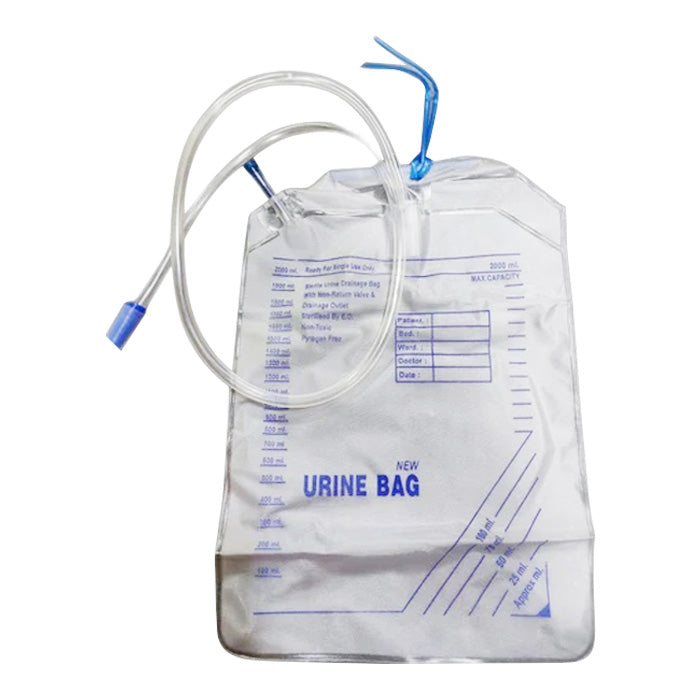
Urine Bag Economy 2000ml


Type: Nursing
Urine Bag Economy 2000ml | Disposable Urine Collection Bag
Collection:
How to Choose the Right Urinary Collection Device
For many people, the term "urinary device" immediately conjures images of sterile hospital rooms and restricted movement, but the reality of modern care is often quite different. Today's options are designed specifically to restore independence, allowing you or a loved one to attend a family dinner or sit through a full movie without the constant anxiety of locating the nearest restroom. While the medical terminology can be intimidating, the primary goal of these tools is simple: to provide the social freedom to live life on your terms while keeping the body safe.
Beyond the immediate benefit of confidence, Urinary Collection Devices (UCDs) serve a critical health function by maintaining skin integrity. Health experts agree that when moisture remains against intimate areas for too long, it creates a breeding ground for bacteria and skin breakdown. Effective management isn't just about avoiding embarrassment; it is about directing fluid away from the body to prevent infections and ensure physical comfort throughout the day.
Selecting the right equipment begins with identifying the specific physical challenge, as the solution depends entirely on whether the bladder empties too easily or not easily enough. Managing urinary incontinence at home involves catching accidental leakage, which requires a containment approach. In contrast, urinary retention means the bladder struggles to empty on its own, requiring a device that actively helps drain the fluid to prevent pressure buildup and kidney issues.
Navigating the market for urological collection devices can feel overwhelming, but most options fall into two clear categories based on your needs. External devices often work like a specialized sheath or contoured pad to catch fluid outside the body, offering a non-invasive solution that feels much like wearing a specialized garment. For those dealing with retention, the solution may involve a catheter---a thin tube gently inserted to create a pathway for urine---which acts as a reliable bridge to ensure the bladder is safely emptied.
Finding the perfect match is rarely a one-size-fits-all process, but it doesn't have to be a trial-by-fire experience. By looking at how these devices fit into daily habits, from sleeping patterns to mobility levels, you can move past the stigma and find a reliable system that offers both comfort and peace of mind.
The Three Methods of Collecting Urine: Matching the Right Tool to the Right Task
Getting an accurate diagnosis often starts with a simple sample, but "peeing in a cup" requires specific technique to prevent contamination from skin bacteria. For routine tests, doctors typically request the Clean Catch method. This involves cleaning the area with a wipe and collecting urine mid-stream rather than right at the start, ensuring the sample reflects what is actually inside the bladder rather than what is on the skin.
If a healthcare provider needs a sample that is completely free of external contaminants, known as a sterile sample , they may move beyond the cup. Catheterization involves inserting a thin, flexible tube through the natural urinary opening to drain the bladder directly. While the idea might cause anxiety, this is a quick, standard procedure often used when someone cannot provide a sample naturally or when the test results must be absolutely precise.
In rare cases, particularly with infants or complex blockage issues, the most direct route is required. Suprapubic Aspiration uses a fine needle to gently draw urine from the bladder through the lower abdomen, bypassing the urinary tract entirely. These three primary urine collection methods define what to expect during a visit:
- Clean Catch: Best for routine screenings and non-invasive collection.
- Catheterization: Essential for obtaining a strictly sterile sample.
- Suprapubic Aspiration: The "gold standard" for purity, typically used in specialized hospital care.
With the collection method clarified, the focus shifts to long-term management and navigating the four urinary system types to identify your specific needs.
Navigating the Four Urinary System Types: Identifying Your Specific Needs
To choose the right device, picture your urinary system as a simple plumbing circuit. The kidneys act as the filtration plant, constantly producing fluid that travels down two thin tubes called ureters into a central holding tank---the bladder. Just like a tank in your home, the bladder is designed to stretch and store liquid until it is full enough to need emptying. When the system works perfectly, muscles hold the "faucet" closed until you are ready to go, but interruptions at any point in this flow can require different types of support to maintain hygiene and comfort.
Managing bladder health often comes down to balancing how much the tank holds versus how well it empties. If the muscles are too active, they squeeze the tank before it is full, leading to leaks or urgency that disrupts sleep and travel. Conversely, if the muscles are too weak or there is a blockage, the tank effectively overfills, creating pressure without relief. Identifying whether your primary challenge is keeping urine in (storage) or getting it out (emptying) helps decide whether you need a device that merely collects leaks or one that actively assists with drainage.
The final component of this circuit is the urethra, the single tube that serves as the system's outlet. For many people, specifically those with control issues rather than blockages, managing this outlet externally is the most comfortable solution. Instead of bypassing the anatomy with internal tubes, doctors often recommend devices that fit over the exit point to collect flow naturally. This approach preserves the body's natural barriers against infection and is often the starting point for active individuals, particularly men looking for discreet, non-invasive options.
The Condom Catheter: A Non-Invasive Solution for Active Men
For men dealing with leakage rather than blockage, the most common solution offers freedom without insertion. Often called a "condom catheter" or external sheath, this device slides over the anatomy exactly like its namesake, connecting to a discreet leg bag to capture fluid as it flows naturally. Because it sits on the outside of the body, it serves as a non-invasive alternative to an indwelling catheter, drastically reducing the risk of urinary tract infections while maintaining daily mobility.
Getting the fit right is the single most important factor in preventing skin irritation and ensuring security. A sheath that is too tight can dangerously restrict blood flow, while one that is too loose will inevitably leak during movement. Most manufacturers provide a paper sizing guide---a cutout tool---to help you find the diameter that matches your body.
To ensure a safe and secure fit:
- Measure correctly: Use the guide at the widest part of the shaft, not the tip, while the body is in a relaxed state.
- Check the grip: The device should fit snugly against the skin without pinching or causing color changes.
- Leave a buffer: When applying, leave a one-inch gap between the tip of the anatomy and the drainage port to prevent back-pressure leaks.
Material choice plays an equally vital role in male external urine management systems. While latex is flexible and cost-effective, clear silicone is increasingly preferred because it allows you to inspect the skin for health issues without removing the device and eliminates common allergy risks. However, the anatomy of the female body presents a completely different set of engineering challenges for external collection.

Female External Collection: Innovation for Nighttime Dryness
For decades, managing urinary incontinence at home for women meant relying heavily on absorbent pads or adult briefs. While these products capture fluid, they inevitably keep moisture pressed against delicate skin, which can lead to discomfort and skin breakdown. A newer category of female external urine management systems solves this problem by actively moving liquid away from the body rather than just absorbing it. These devices are particularly effective for women who are bedridden or receiving care at night, offering a dry alternative to traditional diapers.
The technology relies on a soft, contoured wick wrapped in moisture-wicking fabric that is placed gently between the legs. Unlike a passive pad, this wick connects to a quiet pump that generates low-pressure suction. When the device detects liquid, it instantly pulls the urine through the porous fabric and into a separate collection canister. This constant air circulation keeps the skin surprisingly dry, significantly reducing the risk of painful dermatitis---often called diaper rash---that comes from sitting in damp materials.
Success with these systems depends entirely on proper placement to ensure a watertight seal. How to use a female urinal of this type involves positioning the soft collection boat snugly against the perineum so it aligns directly with the urethra. If gaps exist between the device and the body, the suction cannot function effectively, resulting in leaks. Because these devices rely on specific body alignment to catch the flow, they are primarily designed for use while lying down or sitting in a reclined position.
While wicking systems are excellent for managing automatic leakage, they cannot assist if the bladder fails to release urine on its own. In cases of urinary retention where fluid is trapped inside, simply collecting overflow is not enough to protect kidney health. This medical necessity requires a different approach that goes to the source of the blockage to ensure complete emptying.
Intermittent Catheters: Taking Control of Bladder Emptying
While wicking systems handle leakage, they cannot help when the bladder retains fluid. The choice between an external catheter vs intermittent catheter is vital: the former merely catches overflow, while the latter actively drains a bladder that cannot empty itself. Clean Intermittent Catheterization (CIC) involves inserting a thin, flexible tube several times a day to drain urine, mimicking a natural bathroom schedule. Unlike a permanent tube, this device is removed immediately after use, preserving your mobility and independence while protecting kidney health.
Choosing the right equipment from the vast array of urological supplies significantly impacts comfort and success. Most users work with their healthcare provider to select a specific design based on their anatomy and daily routine:
- Coudé Tip: Features a slightly curved or bent end to help navigate past tight spots, scar tissue, or an enlarged prostate.
- Closed-System: A pre-lubricated tube attached to a self-contained collection bag, allowing for sterile use in public restrooms without needing a sink.
Safety relies heavily on hygiene to prevent urinary tract infections. Many people ask, "What is the device used to collect urine?" without realizing that modern options include "No-Touch" technology. These catheters utilize sliding plastic sleeves or grippers, ensuring your hands never make direct contact with the sterile tube entering the body. This technique allows for safe, long-term bladder management at home. However, if physical limitations make self-catheterization impossible, a continuous drainage system might be the necessary next step.
The Indwelling Catheter: What to Expect from a Long-Term Solution
For individuals who cannot perform self-catheterization or require continuous drainage, doctors often prescribe a Foley catheter. Unlike the intermittent tools mentioned earlier, this device remains inside the bladder to provide a constant flow of urine. To ensure the device collects urine securely without slipping out, it utilizes a small, water-filled retention balloon at the tip of the tube. Once the catheter is inserted, a nurse uses a specialized balloon inflation port to fill this small bubble with sterile water, acting like a gentle anchor resting against the bladder neck to prevent accidental removal.
Maintaining a steady flow relies heavily on gravity and clear tubing. Because the system acts like a personal plumbing line, the bag must always stay lower than your waist to ensure proper drainage. If you or your loved one experiences sudden bladder pressure or fullness, it often signals a blockage in the line. Checking the tubing for twists or "kinks"---similar to a bent garden hose---is usually the first step in troubleshooting, as physical obstructions can stop flow and cause significant discomfort.
Long-term use requires strict attention to hygiene because a permanent tube creates a direct pathway for bacteria to enter the body. Sourcing high-quality urological supplies and keeping the entry site clean are critical steps in reducing catheter-associated urinary tract infections (CAUTIs). While the catheter handles the internal drainage, managing the external collection method is the final piece of the puzzle, requiring a choice between mobility and capacity.
Leg Bags vs. Bedside Bags: Matching Drainage to Your Activity Level
Regaining your mobility starts with choosing a discreet collection method for daytime use. Most active individuals rely on a leg bag, which straps securely to the thigh or calf and disappears under loose-fitting pants or long skirts. You will likely choose between disposable vs reusable urinary leg bags based on your insurance coverage and cleaning preferences; disposable versions are thrown away after a specific period, while reusable durable bags are washed and dried for repeated use.
Sleep brings a different set of requirements, primarily the need for larger storage so you can rest through the night without waking up to empty the pouch. Standard bedside drainage bags for overnight use offer a much higher capacity, functioning like a large reservoir that hooks onto the bed frame. This transition usually involves connecting leg bags to extension tubing, which acts like a longer hose to bridge the gap between you and the floor, ensuring the line doesn't pull tight when you roll over.
Managing these two systems becomes second nature once you understand their specific roles in your daily routine:
- Volume Capacity: Leg bags typically hold 500--900ml to stay lightweight, while bedside bags hold 2000ml or more.
- Securement: Day bags rely on elastic or fabric straps for the leg; night bags use rigid plastic hooks for bed rails.
- Reach: Night systems require extra tubing length to maintain a downward slope.
Regardless of which bag you are using, the container must always stay lower than your hips to ensure gravity keeps urine flowing away from the body. This simple gravity rule works in tandem with specific safety valves to prevent dangerous backflow.
Anti-Reflux Valves: The Invisible Shield Against Infection
Gravity does the heavy lifting when it comes to drainage, but it cannot always predict how you move or sleep. To solve this, manufacturers include anti-reflux valves in urine drainage bags, which function like a one-way security door inside the tubing. This internal flap allows liquid to flow freely into the pouch but immediately seals shut if the fluid tries to wash back up toward the body. Checking for this specific feature is a vital step in selecting your equipment, as it serves as an invisible shield that works automatically while you go about your day.
Preventing this backward movement, known as reflux, is critical for maintaining your internal health. Urine that has been sitting in a collection bag can develop bacteria, and if that fluid re-enters the sterile environment of your bladder, the likelihood of developing medical complications increases significantly. These devices are specifically engineered to minimize infection risks by ensuring that once waste leaves your body, it stays out, protecting your kidneys even if the bag accidentally shifts position.
Even the best technology requires proper positioning to function correctly. You must ensure the collection container remains lower than your waist at all times to prevent gravity from overwhelming the valve. A standard night drainage bottle setup guide will always emphasize hanging the vessel on a lower bed rail rather than resting it on the mattress, ensuring the flow remains constant. Proper placement combined with valve technology keeps you safe, but maintaining that safety long-term requires a rigorous cleaning routine.
Keeping It Clean: A Step-by-Step Guide to Bag Hygiene
While anti-reflux valves protect you from the inside, a consistent cleaning schedule protects your home environment from odors and bacteria. Managing urinary incontinence at home requires treating your reusable equipment like any other essential hygiene tool rather than medical waste. The process begins simply: each morning, empty the bag completely and rinse it with cool tap water to flush out residue. Avoid using boiling water, as extreme heat can stiffen the plastic tubing and make it brittle, causing it to crack or leak prematurely.
Deep cleaning doesn't require expensive hospital-grade solvents; common household items are often the most effective. Many healthcare providers recommend a diluted white vinegar solution---typically one part vinegar to three parts water---which acts as a powerful natural deodorizer without damaging the bag's material. If you are learning how to clean urinary drainage bags effectively, follow this standard daily routine:
- Drain any remaining fluid from the bag and tubing into the toilet.
- Rinse thoroughly with cool water to remove visible sediment.
- Sanitize by filling the bag with your vinegar solution and letting it sit for 30 minutes to neutralize bacteria.
- Air dry by hanging the bag upside down with the valve open to prevent mold growth inside the damp plastic.

Even with perfect care, every device has a definitive expiration date. Plastic eventually absorbs odors and becomes cloudy or discolored, signaling that it is time for a new unit. While a standard drainage bag or a rigid bedside jug can last anywhere from a week to a month, do not push past the manufacturer's recommended timeframe. Using old equipment increases the risk of leaks, which leads directly to the next challenge: keeping the surrounding skin healthy and irritation-free.
Preventing Skin Irritation: Tips for Long-Term Comfort
Moisture is the enemy of healthy skin, especially when it becomes trapped beneath medical devices for hours at a time. Just as a bandage left on too long can turn a finger white and wrinkly---a condition doctors call maceration---urine trapped against the body softens the tissue, making it highly vulnerable to tears and bacterial growth. To counter this, most experts recommend applying a protective "second skin" before attaching any hardware. Skin barrier wipes deposit a thin, breathable polymer film that acts as an invisible shield, ensuring that the adhesive sticks to the film rather than your actual skin cells, which is crucial for comfort and durability.
Removing these devices requires just as much care as applying them to avoid "medical adhesive-related skin injury," or MARSI. Instead of pulling a sheath off quickly like a band-aid, which strips away the outer layer of protective tissue, use an adhesive remover spray or wipe to dissolve the bond gently. High-quality urological supplies are designed to stay in place securely, but they should never damage the underlying tissue upon removal. If you notice persistent redness that lasts more than 20 minutes after taking a device off, your skin is signaling that it needs a longer rest period or a different type of adhesive.
Establishing a consistent routine allows your skin to build resilience rather than sensitivity. Alternating between different styles of attachments or allowing the skin to breathe for brief periods between changes is often the key to preventing skin irritation from condom catheters or adhesive pouches. By combining gentle removal techniques with protective barriers, you create a sustainable system that keeps you comfortable in your own home. Once you have mastered these skin-protection basics, you will feel much more prepared to handle more complex scenarios, such as managing your routine while away from home.
Traveling with Confidence: Portable Solutions for the Road
Leaving the safety of your bathroom doesn't mean you have to sacrifice dignity or comfort. For active days, swapping a bulky bedside bag for a discreet leg bag allows for greater freedom of movement. These urine drainage options for mobility impaired individuals strap securely under loose-fitting trousers or skirts, becoming virtually invisible to others. Most feature a simple "flip-valve" at the bottom, allowing you to empty the bag into a standard toilet without detaching the entire system, making public restroom stops quick and stress-free.
Long car rides or areas with limited facilities pose a different challenge, but modern hardware has evolved to meet these needs. While a generic plastic bottle is risky, high-quality portable male urinals for travel are now equipped with spill-proof valves and secure lids. These devices are designed to be used while sitting or standing and often contain an anti-reflux mechanism that prevents fluid from flowing back out, even if the container is tipped over. Having this backup option in the glove compartment transforms traffic jams from a source of panic into a manageable inconvenience.
Successfully managing urinary incontinence at home is one thing, but hitting the road requires a dedicated "Go-Bag" to handle surprises. Keep a small, zippered pouch in your vehicle or handbag containing the essentials:
- Spare catheter or external sheath (in case of leaks)
- Skin barrier wipes and adhesive remover
- Small, opaque disposal bags
- Hand sanitizer and travel-sized wet wipes
With your logistical needs secured, the next logical step is ensuring these daily supplies don't break the bank.
Navigating Medicare and Insurance: Getting Your Supplies Covered
Finding the right products provides peace of mind, but the recurring cost of catheters and drainage bags can quickly become a source of stress. Fortunately, medicare coverage for urological supplies is robust under Part B, provided you meet specific criteria. he key is establishing "medical necessity," which means your doctor must provide documentation showing that the condition is permanent---usually lasting at least three months---and requires these specific tools to manage urinary retention or incontinence effectively.
Instead of navigating complex billing codes yourself, you will likely work with a durable medical equipment (DME) supplier. These specialized companies act as the bridge between your doctor's office and the insurance company, handling the paperwork to ensure your prescription matches the allowable limits. For example, if your doctor prescribes a bedside drainage system, you might hear the large plastic container referred to as a "24-hour jug" in casual conversation, but the supplier ensures it is billed under the correct technical code. This partnership is vital because insurance plans often distinguish between standard items and "convenience" features, such as pre-lubricated kits, which may require extra justification to be fully covered.
Securing accurate coverage ensures that your budget remains intact while you focus on maintaining your health. Once the financial logistics are automated through a reliable supplier, the monthly shipment of urological supplies becomes just another background utility, much like your electricity or water service. With the hardware selected and the funding secured, the final piece of the puzzle is integrating these tools into a sustainable daily routine that prioritizes your long-term independence.
Creating Your Personal Bladder Management Plan: The Road to Success
Urinary Collection Devices change the conversation from simple management to regaining control. You no longer need to view these tools as a sign of defeat, but rather as practical accessories for independence. You have moved past the initial confusion of medical jargon and now possess the vocabulary to ask the right questions. Instead of worrying about leaks or discomfort in silence, you are equipped to find a solution that fits your specific anatomy and lifestyle.
Finding the perfect fit often requires a period of adjustment. Just as you wouldn't expect the first pair of shoes you try on to be perfect for a marathon, how to choose the right urinary collection device is a process of refinement. If a leg bag feels too heavy or an external sheath doesn't stay secure during exercise, remember that this is not a failure; it is simply data. There are dozens of variations in materials and sizes available, and knowing what doesn't work brings you one step closer to what does.
To speed up this process, shift from passive observation to active tracking. Before your next appointment, keep a "Bladder Diary" for three days. Note when you drink fluids, when voiding occurs, and any specific times you experience leaks. This simple record provides your healthcare provider with concrete evidence rather than vague descriptions, allowing them to recommend urological collection devices that match your body's natural rhythms rather than offering a generic solution.
Follow this simple plan to move forward safely:
- Consult your doctor with your 'Device Wishlist': Bring your bladder diary and mention specific features---like discretion or ease of use---that matter most to you.
- Order a 'Sample Pack': Many manufacturers offer free trial kits, allowing you to test different materials and fits at home before committing to a monthly supply.
- Schedule a 1-week skin check: After seven days of using a new device, inspect your skin closely for redness to ensure your hygiene routine is working effectively.
Ultimately, the goal of any collection system is to become invisible in your daily life. Whether your aim is sleeping through the night without interruption or taking a long drive to visit family, the right device bridges the gap between your health needs and your personal freedom. You have the knowledge and the strategy; now is the time to reclaim your confidence and live life on your own terms.
Q&A
Question: How do I decide between an external device and a catheter?
Short answer: Start by identifying whether your main challenge is leakage (incontinence) or retention (difficulty emptying). For leakage, external devices that collect urine outside the body are preferred: condom catheters for men and female external wicking systems for women (especially at night). For retention, catheterization is needed to actively drain the bladder—most people use clean intermittent catheters (CIC) on a schedule; if self-catheterization isn’t possible, a long-term indwelling (Foley) catheter may be prescribed. Your daily routine (mobility, sleep patterns, discretion needs) helps fine-tune the choice.
Question: When should I use a condom catheter, and how do I fit it safely?
Short answer: Condom catheters are best for men with leakage, not blockage. For a safe, secure fit: measure at the widest part of the shaft while relaxed using the manufacturer’s sizing guide; ensure it’s snug without pinching or color change; leave about a one-inch gap between the tip and the drainage port to prevent back-pressure leaks. Silicone sheaths are often preferred over latex because they’re clear (easy skin checks) and avoid latex allergies. Protect skin with barrier wipes before application and use adhesive remover for gentle removal. If redness lasts more than 20 minutes after removal, allow more skin rest or try a different adhesive or size.
Question: How do female external urine management systems work, and who are they best for?
Short answer: They use a soft, contoured wick wrapped in moisture-wicking fabric connected to a low-pressure suction pump. When urine is detected, it’s pulled away into a collection canister, keeping skin dry and reducing dermatitis risk. Effective use depends on correct placement: the collection “boat” must sit snugly against the perineum and align with the urethra to create a reliable seal. They’re designed primarily for women who are lying down or reclined (especially during nighttime care). They manage leakage only—they do not help when the bladder is in retention.
Question: What’s the difference between leg bags and bedside bags, and how do anti-reflux valves help?
Short answer: Leg bags (about 500–900 ml) strap to the thigh or calf for discreet daytime mobility; bedside bags (around 2000 ml or more) hang on the bed for overnight capacity, typically connected via extension tubing. Keep any bag below hip level so gravity maintains flow, and check for kinks if you feel sudden fullness or pressure. Anti-reflux valves are built-in one-way flaps that let urine flow into the bag but block it from washing back toward the body, reducing infection risk. For nighttime, hang the bag on a lower bed rail (not on the mattress) to maintain a steady downhill path.
Question: How do I clean drainage bags properly, and when should I replace them?
Short answer: Each day: drain the bag, rinse with cool water, sanitize with a 1:3 white vinegar-to-water solution for 30 minutes, then air-dry upside down with the valve open. Avoid boiling water, which can damage plastics. Replace bags per the manufacturer’s timeline (often about a week to a month, depending on type and use). Signs it’s time to switch sooner include persistent odor, cloudiness, or discoloration. Regular cleaning and timely replacement help prevent leaks, odors, and infection risks.