
Type: Nursing
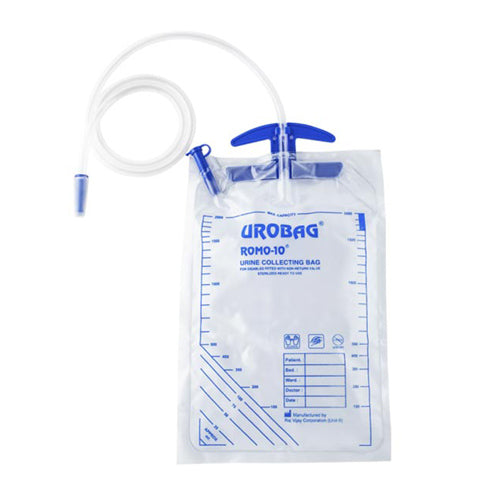
Uro Bag Romo 10 DB-1070-10 (Pack of 10)


Type: Nursing
Urometer Urine Measuring Device Drainage Bag for ICU


Type: Nursing
Urine Bag with Handle 2000ml


Type: Nursing
Urine Bag Economy 2000ml | Disposable Urine Collection Bag

Type: Nursing
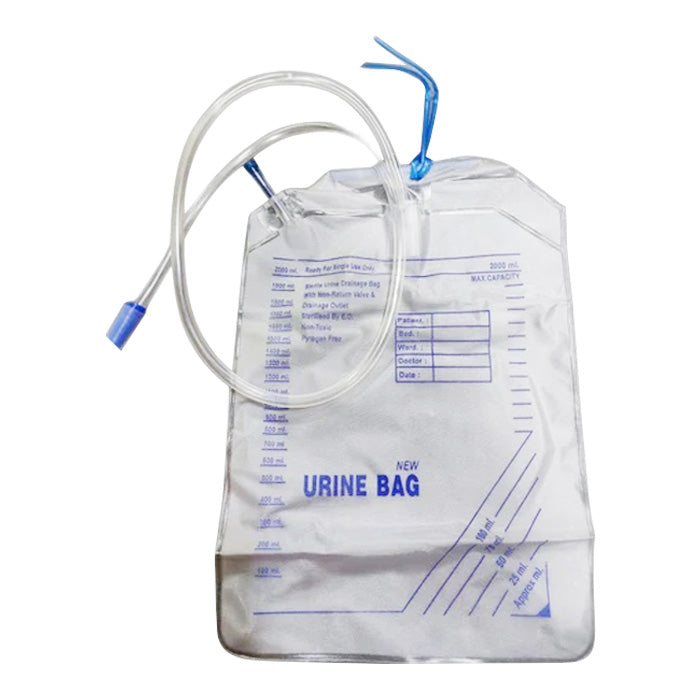
Urine Bag Economy 2000ml


Type: Nursing
Urine Bag with Handle 2000ml | Disposable Urine Catheter Bag
Collection:
Choosing the Right Urine Bag for You
Hearing that you or someone you care for will need a urine bag can bring up many questions. It might seem strange or even a little scary at first, but this common medical tool is designed to give back freedom and comfort, not take it away.
A urine bag is a special container that connects to a small, flexible tube to collect urine. For millions of people worldwide, this system is a normal part of life, helping them recover after an operation or manage a long-term health condition. This guide will clarify the key differences between bag types, from smaller bags worn discreetly during the day to larger bags designed for a full night of rest.
Choosing the right one for your daily activities is the first step toward making the experience feel routine. We'll also walk through the practical steps of managing your bag day-to-day. You'll gain a clear understanding of how this device works and feel prepared to handle it with ease, allowing you to focus on what truly matters: living your life.
What Is a Urine Bag, and Why Might Someone Need One?
A urine bag is a medical-grade pouch designed to safely collect urine outside the body. This urine collection bag ---sometimes called a urinary drainage bag---acts as a secure, external reservoir. Its job is to provide a clean and contained place for urine when the body needs assistance, ensuring everything stays hygienic and manageable.
The reasons for needing one are often common and sometimes temporary. Many people use a urine bag for a short while after an operation, as it allows their body to rest and heal without the strain of getting up to use the bathroom. Other urine bag uses include helping someone with limited mobility or managing a health condition that affects bladder control, providing a practical and dignified solution.
This device is a tool for comfort and recovery. It helps people heal after procedures, get a full night of rest without worry, and maintain their independence. The bag works with a small, flexible tube that creates a path from the body to the bag.
The Catheter: The Flexible Tube That Connects to the Bag
The urine bag connects to the body using a thin, flexible tube called a catheter, which always stays on the outside. This soft tube is the crucial link that allows urine to travel from your bladder into the collection bag in a clean, contained way.
A nurse or doctor gently places one end of the catheter into the bladder, while the other end connects securely to the urinary drainage bag. This creates a simple, closed path. Because the bag is always kept lower than the bladder, gravity does all the work. Urine naturally flows "downhill" and away from the body, with a special one-way valve at the top of the bag to prevent it from ever flowing back.
Together, these urine bag parts---the catheter and the bag---form a straightforward and hygienic system. Understanding how it functions leads to the next question for many people: does the placement process hurt?
Addressing a Top Concern: How Painful Is Getting a Catheter?
It's completely understandable to worry about catheter insertion pain. While everyone's experience is different, the procedure is designed to be as comfortable as possible. Most people describe the sensation as pressure or a brief moment of discomfort, not sharp pain.
To make the process smoother, medical professionals use a special anesthetic lubricant. This gel contains a mild, local numbing agent. As the gel is applied just before insertion, it quickly numbs the area, which helps significantly reduce potential pain and makes the process much more manageable.
The procedure is also very quick. From start to finish, the insertion of a common Foley catheter typically takes less than a minute in the hands of a trained nurse or doctor. They have performed this task countless times and are skilled at being both gentle and efficient, minimizing any feelings of unease.
While the idea can be intimidating, the combination of temporary pressure, effective numbing lubricant, and a quick, professional process makes it a tolerable experience. Once the catheter is comfortably in place, the focus shifts to managing the system in your daily life, which starts with choosing the right type of bag.
The Two Main Types: Leg Bags for Day vs. Bedside Bags for Night
Life doesn't stop with a catheter, and your equipment is designed to move with you. Since your routine involves both being active and resting, there are different types of urine bags to match. There is a small, portable option for the daytime and a larger, high-capacity one for overnight.
For moving around during the day, you'll likely use a leg bag . This is a smaller, more discreet urine pouch that comes with soft, adjustable straps. You can wear it comfortably on your thigh or calf, hidden under pants or a long skirt. Its smaller size makes it lightweight and unobtrusive, allowing you to go about your day with confidence, whether you're at home, running errands, or visiting friends.
When it's time to rest for long periods or go to sleep, you will switch to a larger bedside bag , often called a night drainage bag. This bag is significantly bigger because its main job is to hold more urine, allowing you to rest comfortably through the night without needing to empty it. It typically hangs on the side of your bed frame or a wheelchair, staying conveniently out of the way.
A nurse will show you how easy it is to switch between them.
- Leg Bag: Small, discreet, and worn on your leg for daytime activities.
- Bedside Bag: Large, holds more, and hangs by your bed for overnight use.
No matter which bag you are using, it will need to be emptied regularly. This is a straightforward task that quickly becomes a simple part of your routine.

A Step-by-Step Guide to Emptying Your Catheter Drainage Bag
Keeping your urine bag empty is an essential part of your daily routine. It's a quick and simple task that gives you control and comfort. Proper urine bag care is mostly about developing a good, clean habit. These five steps ensure you can empty any disposable urine bag safely and hygienically.
To empty a catheter drainage bag, position yourself comfortably in front of a toilet and follow this process:
- Wash your hands thoroughly with soap and water.
- Hold the bag below the level of your bladder and aim the small drain spout at the bottom of the bag into the toilet bowl.
- Unclamp or open the valve on the spout. Let the urine drain out completely.
- Clean the tip of the spout with an alcohol wipe or a piece of toilet paper before closing it. This is the most important step for preventing germs.
- Close the spout securely until it clicks or snaps shut, and then wash your hands one more time.
The whole process only takes a minute or two. Cleaning the spout tip is critical because the spout is like a doorway; keeping it clean prevents outside germs from gathering and potentially traveling up the tubing. This simple wipe-down is your best defense against odor and infection and will quickly become second nature.
Your Guide to Wearing a Leg Bag Discreetly and Comfortably
With a few simple strategies, a leg bag can be your secret. The guide to wearing a leg bag discreetly starts with your clothing. Loose-fitting trousers, flowing skirts, or certain styles of athletic pants provide plenty of room to conceal the bag, allowing you to move with confidence.
While standard elastic straps are common, they can sometimes dig into the skin. For improved comfort, many people prefer a fabric leg bag holder or sleeve. This is a soft, stretchy pocket that wraps around your calf or thigh, holding the bag securely without any tight straps. These types of urinary leg bag holders distribute the weight evenly and prevent the plastic from touching your skin, reducing sweating and irritation.
Finding the right spot on your leg is also a matter of personal preference. Some people wear the bag on their upper thigh, while others find the calf more comfortable and out of the way, especially when sitting. A urinary leg bag is used for maintaining mobility, so don't be afraid to experiment with both positions to see what works best for your body and your daily activities.
A setup that is secure enough to be almost unnoticeable is the main goal. The combination of the right clothing, a comfortable holder, and ideal positioning can make all the difference.

How to Stop a Leg Bag From Slipping Down: Three Proven Tricks
A leg bag that starts to slide is a common frustration. The instinct is often to pull the straps tighter, but this can make a catheter leg bag slipping down even worse. Over-tightening creates a pressure point, and as the bag fills with urine and gets heavier, it's more likely to pull away from that spot. The goal isn't to clamp the bag down but to create gentle, even friction that holds it securely.
Finding a secure-but-comfortable fit is easier than you might think. A small adjustment can make a big difference. If you're struggling with slippage, here are a few things to try:
- Ensure your skin is clean and completely dry. Lotions, powders, and sweat can create a slippery surface under the straps. Patting your skin dry before putting the bag on provides a much better grip.
- Use a fabric leg bag holder or sleeve. These holders, which look like a wide fabric band, use gentle compression around your whole leg to keep the bag in place. This distributes weight far more effectively than two narrow straps.
- Alternate legs each day. Giving your skin a regular break is key for preventing skin irritation from leg straps. This simple switch also ensures one side doesn't become overly accustomed to the pressure, which can improve grip.
By experimenting with these tips, you can find the right combination for your body and activity level, giving you the confidence to move through your day without worry. While these strategies are perfect for when you're active, managing your drainage system while you sleep requires a slightly different approach.
How to Sleep Safely and Soundly with a Catheter Bag
The most important rule for how to sleep with a catheter bag is to keep the bedside drainage bag lower than your bladder. This position allows gravity to do all the work, ensuring urine flows easily away from your body and into the bag, preventing backup and keeping you comfortable throughout the night.
To prevent the tube from tangling if you move in your sleep, make sure it has a little slack between your body and where the bag is hanging. Before you drift off, do a quick check to ensure there are no sharp kinks or twists in the line. A straight, clear path means the urine can drain freely, no matter which side you sleep on.
Modern bags have a built-in safety feature to prevent urine from traveling back up the tube. A special anti-reflux valve in a catheter bag acts like a one-way door, letting urine in but not allowing it to flow back out. This design protects you from backflow and infection, allowing you to rest soundly. Proper drainage overnight is also the first step toward maintaining good hygiene.
Basic Hygiene: Simple Ways to Control Odor and Prevent Infection
Keeping things clean is the best way to manage your urine bag with confidence, and it starts with your hands. Always wash your hands thoroughly with soap and water both before and after you empty the bag. This simple step is your first line of defense, as it prevents germs from getting near the drainage spout. Good hand hygiene is also the most effective method for urinary drainage bag odor control.
After emptying the bag, pay close attention to the drain spout. Even after it's closed, a small drop of urine might remain on the tip. Wiping this spout clean with an alcohol pad or a cloth with soap and water is a crucial part of Urine Bag Care and Handling. This quick wipe removes any lingering urine that could cause odor or contact clothing, keeping you feeling fresh.
The bag itself has a built-in safety feature called an anti-reflux valve. This one-way door lets urine flow into the bag but stops it from flowing back up the tubing. It's an important, invisible guard that works to significantly reduce the risk of a preventing infection catheter-related issue.
A consistent routine combining hand washing with cleaning the drain spout and trusting the bag's built-in features creates a powerful system for hygiene and comfort. This daily care ensures the bag stays clean, but the bag itself doesn't last forever.
How Often Do I Need to Change My Urine Bag?
Your healthcare provider will give you a specific answer to how often to change a foley catheter bag. Your doctor or nurse will set a schedule based on your health needs, the type of bag, and the manufacturer's recommendations. This tailored advice is the golden rule, so always follow their instructions above any general guideline.
For reusable bags, a common routine is to replace the smaller leg bag more frequently---perhaps every one to two weeks---since it endures more movement. The larger bedside drainage bag, when cared for and cleaned properly, can often be used for up to a month before replacement.
In certain situations, you might be given a disposable urine bag meant for single use only. These are typically used for very short periods and should be thrown away after being emptied, never cleaned for reuse.
Special Considerations: Urine Bags for Women, Men, and Children
While the basic idea of a urine bag is universal, the connection method isn't one-size-fits-all. Healthcare professionals choose equipment based on a person's anatomy, age, and medical situation to ensure the system is comfortable and effective. The bag may be the same, but the connection can differ significantly.
For some men, a non-invasive alternative to the internal catheter is a condom catheter with a collection bag. It fits over the penis like a condom, and a small tube at the tip directs urine into a standard leg or bedside bag. It's a helpful choice for men with bladder control issues who don't need an internal catheter.
For women, the standard female urine collection bag system typically uses a traditional internal catheter, carefully sized for comfort. For infants or toddlers who are not yet toilet-trained and need their urine collected for testing, a special paediatric urine collection bag is used. This is a much smaller bag with a gentle adhesive opening that sticks securely over the child's genital area to collect a sample.
Regardless of the type, the goal is always a secure, leak-proof system that works for the individual's body.
Exploring Alternatives: Is a Catheter Valve Better Than a Drainage Bag?
For many people, the drainage bag can feel like the most cumbersome part of using a catheter. A catheter valve offers an alternative. It's a small, discreet switch that connects directly to the end of the catheter tube, replacing the bag entirely. Instead of letting urine flow out continuously, the valve keeps the drainage path closed, allowing your bladder to store urine.
The main benefit of a valve is freedom. There is no bag to conceal, no weight on your leg, and no need to worry about the bag's position. Your bladder fills more naturally, and when you feel the urge or when it's time on your schedule, you can go to a toilet. There, you open the valve by flipping its lever, which lets the urine drain directly into the toilet.
This option requires a specific level of personal management. A catheter valve is best for individuals who have good hand dexterity to operate the switch and can reliably follow a strict emptying schedule, typically every few hours. Because urine is held in the bladder, forgetting to drain it can lead to serious discomfort and health risks. A doctor or nurse will help you decide if a valve is a safe and practical choice for your needs and lifestyle.
Your Top Questions Answered: A Quick Reference
As you get used to this new routine, it's natural to have specific questions. Here are straightforward answers to some of the most common concerns.
- How long can a catheter stay in? The timing varies for every person. It might be for a few days following surgery or for several weeks or longer to manage a health condition. Your doctor or nurse will determine the right schedule for you.
- Is taking the catheter out painful? Most people are relieved to find that the process is not typically painful. It's very quick, and the main sensation is usually a strange, brief pulling feeling rather than sharp pain.
- How do I dispose of used urine collection bags? Disposing of a bag is simple. First, empty any urine into the toilet. Then, wrap the empty bag in a newspaper or a small plastic bag before placing it in your regular household trash.
- What is the bag that holds urine called? You will hear several correct names. The most common terms are urine bag , drainage bag , or catheter bag.
Living with Confidence: Your Urine Bag Is a Tool, Not a Definition
A urine bag is a straightforward system with distinct parts, each designed with a clear purpose. It's a device that exists simply to help you heal and manage your health. By matching the right equipment, like a discreet leg bag or a quality urine bag, to your routine and maintaining simple hygiene, you take direct control of your comfort.
Practical understanding is the key to living with a catheter and keeping your focus on your well-being. Remember that this device is a tool, not a barrier. It doesn't define who you are or what you can do. It is simply an effective solution that provides the freedom and peace of mind to heal, manage your health, and continue participating in your life. You have the knowledge, and you are in control.
Q&A
Question: What's the difference between a leg bag and a bedside (night) bag, and when should I use each?
Short answer: Use a small, discreet leg bag during the day for mobility, and switch to a larger bedside drainage bag at night for capacity and uninterrupted rest. The leg bag straps to your thigh or calf and stays hidden under clothing, while the bedside bag hangs below bladder level on a bed frame or wheelchair. A nurse will show you how simple it is to switch between them.
Question: How do I empty my catheter drainage bag safely and reduce odor or infection risk?
Short answer: Build a clean, consistent routine focused on hand hygiene and cleaning the spout tip. The basic steps are:
- Wash your hands.
- Hold the bag below your bladder and point the drain spout into the toilet.
- Open the valve to drain fully.
- Wipe the spout tip with an alcohol wipe or soap-and-water cloth.
- Close the spout securely and wash your hands again. Cleaning the spout tip is the most important step for preventing germs and controlling odor.
Question: How can I keep a leg bag discreet and stop it from slipping?
Short answer: Choose clothing that gives room to conceal the bag, use a fabric leg bag holder or sleeve for even support, and keep skin clean and dry. Avoid over-tightening straps (it can worsen slipping as the bag fills). Helpful tricks include: wear looser pants or skirts, use a soft sleeve instead of narrow straps to distribute weight, ensure skin is dry before putting the bag on, and alternate legs daily to reduce irritation and improve grip.
Question: What's the safest way to sleep with a catheter bag?
Short answer: Keep the bedside drainage bag lower than your bladder, allow a little slack in the tubing, and check for kinks before sleep. Modern bags have an anti-reflux (one-way) valve that prevents backflow, so urine drains into the bag and not back toward you. A clear, downhill path plus a little tubing slack supports comfortable, uninterrupted drainage overnight.
Question: How often should I change or replace my urine bag?
Short answer: Follow the schedule your healthcare provider sets for you. As a general pattern, reusable leg bags are often replaced more frequently (about every 1--2 weeks), while well-cared-for bedside bags can be used up to a month. Disposable bags are single-use: empty, then discard---do not attempt to clean and reuse. Always follow your provider's guidance over any general rule.