


Type: Patient Transfer
Gel Cushion for Bed Sores and Wheelchair Support

Type: Accessories
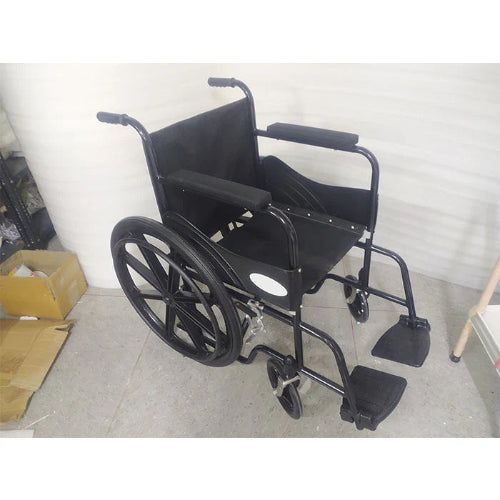
Mag Wheel Regular Foldable Wheelchair


Type: Patient Transfer
Karma Champion 200 Foldable Wheelchair Orange for Home Use

Type: Patient Transfer
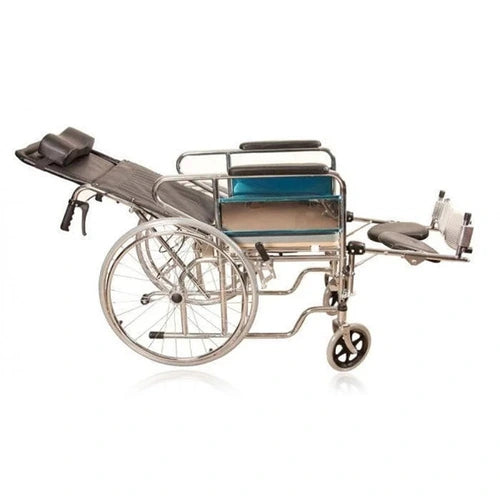
Karma Rainbow 8 Reclining Wheelchair with Commode


Type: Patient Transfer
Karma TV 30 Manual Transit Wheelchair with Hand Brakes & Foldable Frame


Type: Patient Transfer
Karma Aurora 4 Reclining Wheelchair with Elevating Leg Rests & Detachable Arms


Type: Patient Transfer
Invacare Action 3NG Self Propelled Wheelchair with Adjustable Seating & Foldable Frame


Type: Patient Transfer
Invacare Action 2NG Wheelchair with Fixed/Foldable Backrest & 15 kg Frame


Type: Patient Transfer
Wheelchair Commode for Patient Care Yuwell Mobility Aid

Type: karma
Folding Wheelchair for Patients Manual Hospital Wheelchair


Type: Patient Transfer
Stretcher Cum Wheelchair


Type: Patient Transfer
Yuwell Power Electric Wheelchair with 20km Range & 18 Inch Seat


Type: Patient Transfer
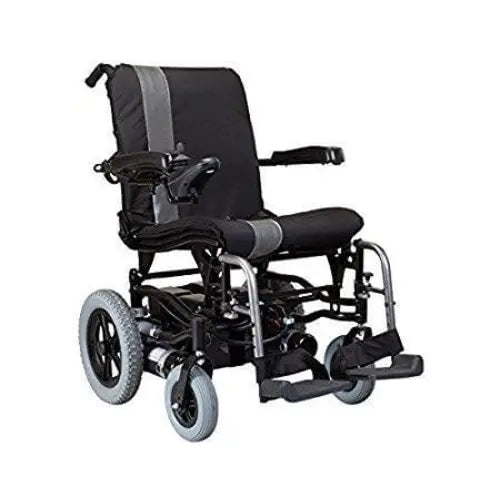
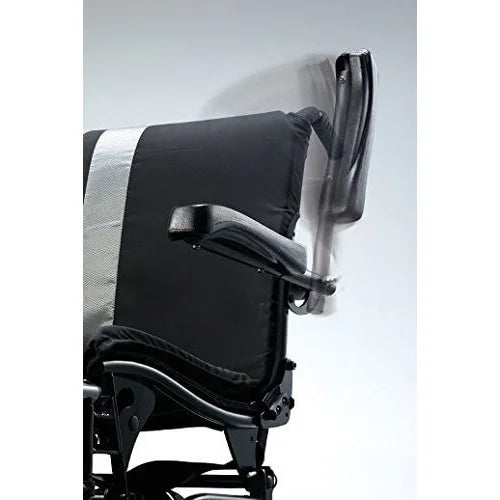
Karma Ryder 31 Ultralight Power Wheelchair with Foldable Frame
Type: Patient Transfer
Karma Power Wheelchair KP 10-3S


Type: Patient Transfer
Karma Ryder 30 Aluminium Power Wheelchair with Foldable Frame
Collection:
Wheelchair Sports: Empowering Athletes with Disabilities
Wheelchair sports are transforming lives. They empower athletes with disabilities, offering a platform for competition and personal growth. These sports are not just about physical activity; they are about breaking barriers and fostering inclusivity.
Athletes in wheelchair sports experience numerous benefits. They gain physical strength, improve mental health, and build social connections. These sports provide a sense of community and belonging, crucial for personal development.
The variety of wheelchair sports is vast. From basketball to racing, each sport requires specialized equipment. Understanding the types of wheelchairs and their features is essential for athletes and supporters alike.
Choosing the right wheelchair is a critical decision. It involves considering the user's needs, lifestyle, and the sport's demands. The price range of wheelchairs in India varies widely, influenced by features and technology.
Technological advancements are enhancing wheelchair design. Innovations like stair climbing wheelchairs and smart technology are making sports more accessible. These developments are crucial for the future of wheelchair sports.
Wheelchair sports are more than just games. They are a testament to human resilience and the spirit of competition. They inspire and motivate, proving that disability is not a barrier to achievement.

The Evolution of Wheelchair Sports: History and Global Impact
The history of wheelchair sports dates back to the mid-20th century. Initially, these sports focused on rehabilitation for war veterans. Over the decades, they have grown into international competitions, showcasing remarkable athleticism and tenacity.
The Paralympic Games have played a pivotal role in raising awareness. They highlight the skills and dedication of athletes with disabilities on a global stage. These games have shown the world that sports are an arena for all, regardless of physical challenges.
Technological advancements continue to transform the landscape. Wheelchairs have evolved from basic models to specialized sports equipment. This progress ensures safety, enhances performance, and provides athletes the tools they need to excel.
Key milestones in wheelchair sports include:
- The first Paralympic Games in 1960, Rome
- The introduction of various sports like basketball and racing
- Technological leaps in wheelchair design
Wheelchair sports are influential beyond the competition. They have contributed significantly to changing public perceptions about disability. By promoting inclusivity, these sports have encouraged broader societal acceptance and accessibility.
Globally, communities and organizations support wheelchair sports. Local clubs, leagues, and events provide platforms for participation and skill development. This support is essential for nurturing talent and building a sustainable sports ecosystem.
The journey of wheelchair sports is one of progress and empowerment. As they continue to grow, they inspire both athletes and spectators. These sports are a celebration of human capability and the power of perseverance.

Physical, Psychological, and Social Benefits of Wheelchair Sports
Wheelchair sports are a beacon of empowerment for athletes with disabilities. They offer numerous physical benefits, enhancing stamina, strength, and overall fitness. Regular participation contributes to better cardiovascular health and improved muscle tone.
Psychologically, these sports are transformative. They instill confidence, foster resilience, and provide an outlet for stress relief. Athletes often experience a sense of achievement and increased self-esteem through participation.
Socially, wheelchair sports break down barriers. They foster inclusivity and offer a sense of belonging. Participants find community support, camaraderie, and opportunities for friendship.
Furthermore, these sports play a critical role in advocacy. By raising awareness, they challenge societal perceptions of disability. This promotes broader acceptance and understanding in the community.
Key physical benefits include:
- Enhanced cardiovascular fitness
- Improved muscle strength
- Greater agility and flexibility
Through wheelchair sports, many find a renewed zest for life, embracing both competition and companionship. Such sports not only support personal growth but also galvanize communities towards positive change.

Physical Health and Rehabilitation
Participation in wheelchair sports significantly boosts physical health. Regular engagement in these activities enhances cardiovascular efficiency and increases muscular strength. These improvements contribute to overall wellness and vitality.
Wheelchair sports also aid in rehabilitation for individuals with disabilities. They offer targeted exercises that support recovery and improve mobility. These sports become a crucial part of therapeutic regimens.
Athletes benefit from:
- Improved endurance
- Enhanced muscle tone
- Better joint function
Moreover, by focusing on agility and coordination, these sports enhance the body's functional capabilities. This leads to greater independence in daily activities.

Mental Health and Emotional Well-being
The psychological impacts of wheelchair sports are profound. Athletes often experience enhanced mental resilience and emotional stability. The joy of sports participation fosters a positive mindset, crucial for holistic health.
Sports provide an outlet for stress, reducing anxiety and depression symptoms. They cultivate a sense of purpose and direction, boosting morale and life satisfaction.
Key mental health benefits include:
- Increased self-confidence
- Reduced stress and anxiety
- Enhanced focus and concentration
By engaging in sports, athletes build psychological strength and emotional well-being. This translates to a more fulfilling and balanced life experience.

Social Inclusion and Community Building
Wheelchair sports are pivotal in fostering social inclusion. They create spaces where individuals can connect, share experiences, and support each other. This sense of community is vital for emotional support and personal growth.
Sports encourage interaction beyond the playing field. They build bridges between athletes and spectators, promoting understanding and empathy. This fosters an environment of inclusivity and shared experiences.
Social benefits include:
- Broadened social networks
- Opportunities for advocacy
- Stronger community ties
Participation in wheelchair sports leads to enriched social lives. These activities not only provide physical and mental benefits but also cultivate lasting friendships and community bonds.

Popular Wheelchair Sports: Types, Rules, and Equipment
Wheelchair sports encompass a variety of disciplines, each with unique rules and equipment. These sports provide athletes with disabilities an opportunity for competition and personal achievement. From basketball to racing, there's a sport for every interest and ability level.
Athletic prowess is showcased in diverse events, highlighting both individual excellence and team strategies. Many sports adapt rules to enhance accessibility, ensuring fair competition for all participants.
Key sports include:
- Wheelchair Basketball
- Wheelchair Rugby
- Wheelchair Racing and Athletics
- Other Adaptive Sports (like Tennis, Fencing, etc.)
Each sport requires specialized equipment designed to optimize performance. Sports wheelchairs are constructed for speed, agility, and precision, often customized to meet the athlete's specific needs. This customization ensures that each player can perform at their peak.

Wheelchair Basketball
Wheelchair basketball stands out for its intensity and teamwork. Players navigate the court, maneuvering and shooting with agility. The sport mirrors traditional basketball but adapts rules for wheelchair use, providing thrilling and high-paced action.
Key features include:
- Team coordination and strategy
- Precision passing and shooting
- Maneuverability and agility on the court
The wheelchairs used are lightweight yet durable, often customized for speed. With its competitive edge, wheelchair basketball is a favorite among many athletes, fostering a spirit of camaraderie and collaboration.

Wheelchair Rugby
Dubbed "Murderball" for its intensity, wheelchair rugby combines elements of basketball, rugby, and hockey. It's a full-contact sport emphasizing strategy, speed, and power. Players aim to carry the ball across the opponent's goal line, utilizing strength and tactics.
Core aspects include:
- Full-contact excitement
- Tactical team dynamics
- Speed and agility emphasis
Rugby wheelchairs are robust, designed to withstand impact. This sport's fast pace and strategic gameplay make it a thrilling watch and play experience.

Wheelchair Racing and Athletics
Wheelchair racing showcases the epitome of speed and endurance. Athletes compete in track events, focusing on technique and stamina. Racing chairs are streamlined for aerodynamic efficiency, facilitating rapid acceleration and top speeds.
Key components include:
- High-speed competition
- Endurance and stamina focus
- Precision racing techniques
These events highlight physical strength and precision, placing athletes in a captivating race against time.

Other Adaptive Sports (Tennis, Fencing, etc.)
Wheelchair sports extend beyond the popular games. Adaptive tennis and fencing offer unique athletic challenges. These sports utilize modified equipment and rules to accommodate wheelchair athletes, maintaining the essence of their traditional counterparts.
Highlights include:
- Adapted techniques and equipment
- Focused skill development
- Competitive yet inclusive gameplay
Such diversity enriches the wheelchair sports landscape, offering broader participation opportunities.

Understanding Wheelchair Types: A Comprehensive Guide
Selecting the right wheelchair involves understanding various types available on the market. Each type serves unique purposes, tailored to specific user needs. From manual to electric models, the range is vast and varied.
Manual wheelchairs are widely used due to their affordability and simplicity. These require human power to operate, offering users exercise benefits.
Electric wheelchairs provide an alternative, powered by battery-driven motors. They grant independence with ease of use, especially for long distances.
Specialized sports wheelchairs are designed for competitive edge. These cater to the agility and speed requirements of various wheelchair sports.
Key considerations when choosing a wheelchair include:
- User lifestyle and mobility needs
- Environment and terrain adaptability
- Comfort and ergonomic support
Different materials and designs suit different preferences, affecting weight and durability. Adjustability is another crucial factor, impacting user comfort and health.

Manual Wheelchairs: Features, Pros, and Cons
Manual wheelchairs are common for their simplicity and cost-effectiveness. They are lightweight and easily transportable, favored by many active users.
Their main features include:
- Lightweight and foldable design
- Customizable options for seat and backrest
- Multiple styles and configurations
Advantages of manual wheelchairs include exercise benefits and lower maintenance. However, they require physical strength and stamina, which might not suit every user.
Cons include potential for fatigue over long distances and uneven terrain limitations. Despite this, their affordability and versatility make them appealing to many.

Electric Wheelchairs: Features, Pros, and Cons
Electric wheelchairs offer advanced mobility through motorized controls. They cater to users seeking ease and convenience in movement.
Core features are:
- Battery-powered propulsion
- Joystick or touch control interfaces
- Adjustable seating for comfort
Pros include enhanced independence and long-distance travel without exertion. They are particularly beneficial for users with limited upper body strength.
However, the cons involve higher costs and regular maintenance. Electric wheelchairs also tend to be heavier, impacting portability.

Specialized Sports Wheelchairs
Sports wheelchairs are customized for optimal performance in competitive settings. These are meticulously designed for speed and agility.
Key attributes of sports wheelchairs include:
- Aerodynamic frame design
- Enhanced wheel alignment for maneuverability
- Adjustable seating for stability
Despite their tailored build, they are generally more expensive. Yet, they provide excellent support for athletes' needs, transforming capabilities on the field.

Key Features to Consider When Choosing a Wheelchair
Selecting the ideal wheelchair involves more than just choosing between manual and electric options. It's about aligning features with user needs. Comfort and accessibility are paramount.
Ergonomics should be a top priority. Consideration of seat width, depth, and backrest angle can greatly impact user comfort.
Wheel size and type affect mobility on various terrains. Smaller wheels enhance indoor maneuverability, while larger wheels perform better outdoors.
Portability is important for active users. A foldable design offers ease of transport and storage. Lightweight models offer added convenience for travel.
Durability is essential, especially for those using their wheelchair regularly outdoors. Materials like titanium offer strength without excessive weight.
Adjustability allows customization to individual body types and preferences. Look for adaptable armrests, footrests, and seat heights.
Key aspects include:
- Comfort and ergonomic support
- Portability and ease of storage
- Durability for long-term use
These factors help tailor the wheelchair experience to the user's lifestyle, maximizing both comfort and independence.


Wheelchair Batteries and Maintenance
For electric wheelchairs, battery life is crucial. It affects the range and reliability of the device. Regular maintenance ensures long-lasting performance.
Important maintenance tips include:
- Regularly check battery charge levels
- Clean and inspect terminals for corrosion
- Follow manufacturer guidelines for optimal charging
Neglecting battery maintenance can lead to reduced range and unexpected failures. It's essential for maximizing efficiency and safety.

Wheelchair for Stairs and Stair Climbing Wheelchairs
Stairs pose a significant challenge for wheelchair users. Stair climbing wheelchairs offer an innovative solution by enhancing mobility in multi-level environments.
Key features to consider include:
- Automatic climbing mechanisms
- Stability on uneven surfaces
- Easy transition between modes
These wheelchairs improve access significantly but can be more expensive. They are ideal for users facing multi-level access issues.

Commode Wheelchairs and Multi-Functionality
Commode wheelchairs offer both mobility and bathroom functions. They provide convenience for users with specific needs.
Feature highlights:
- Removable commode feature
- Adjustable armrests for easy transfers
- Easy-to-clean materials
These models address essential daily needs, enhancing user independence and comfort.
Wheelchair Price in India: Cost Analysis and Market Overview
Understanding the cost dynamics of wheelchairs in India is crucial for informed purchasing decisions. The market offers a broad price spectrum that caters to various needs and budgets.
Manual wheelchairs are often the most cost-effective. They range from ₹5,000 to ₹15,000, making them accessible for many users. These require physical effort but are economical.
Electric wheelchairs typically cost more, ranging from ₹40,000 to ₹2 lakh. They offer enhanced functionality but need regular maintenance and battery replacement.
Sports wheelchairs are specialized and priced accordingly. Their cost can vary significantly, often exceeding the ₹1 lakh mark due to advanced features for agility and speed.
When selecting a wheelchair, it's vital to balance cost with required features. Consider future service and maintenance costs as part of the buying process.
- Manual wheelchair: ₹5,000-₹15,000
- Electric wheelchair: ₹40,000-₹2 lakh
- Sports wheelchair: Over ₹1 lakh
Understanding this range helps users and purchasing agents make strategic decisions.

Price Range of a Wheelchair: Manual, Electric, and Sports Models
The choice between manual, electric, and sports wheelchairs significantly impacts price.
Manual wheelchairs are most affordable, suited for temporary or indoor use. These models balance cost with basic functionality.
Electric models provide ease of use and require less physical effort. They are great for prolonged mobility needs.
Sports variants are high-performance and tailored for specific sports, justifying their premium cost.
- Manual: Affordable, basic use
- Electric: Mid-to-high, increased independence
- Sports: High, specialized performance
Choosing the right type ensures optimal use while staying within budget.

Leading Brands: Vissco Wheelchair and Others
Several brands dominate the Indian market. Vissco stands out for affordability and durability, trusted by users nationwide.
Other notable brands offer specialized features, meeting diverse needs with innovative designs.
- Vissco: Affordable, reliable
- Other brands: Specialized, diverse features
These brands shape user experiences through quality and innovation.
Factors Affecting Wheelchair Costs
Multiple factors influence wheelchair pricing, from material quality to technological features.
High-end materials like titanium add to costs but enhance durability.
Advanced features such as electric propulsion systems and customization options also drive up prices.
- Material quality: Affects weight and durability
- Technological features: Enhance functionality
These elements determine overall cost, helping users weigh priorities against budget constraints.

How to Choose the Best Wheelchair: Step-by-Step Guide
Choosing the right wheelchair can enhance mobility and quality of life. This step-by-step guide simplifies the decision-making process.
Start by evaluating the intended use. Is the wheelchair needed for daily indoor mobility or outdoor activities? This influences the type of wheelchair that would be most suitable.
Next, consider the user's physical capabilities. Manual wheelchairs require upper body strength, while electric ones offer automatic movement.
Budget plays a crucial role in narrowing down choices. Balance desired features with affordability to make cost-effective decisions.
Consult with healthcare professionals for personalized advice. They can provide insights into compatibility and adaptability based on the user's health.
User reviews and experiences offer practical perspectives. They help identify common issues and reliable features, guiding informed decisions.
- Evaluate intended use
- Assess physical capabilities
- Align budget with features
These steps simplify a potentially overwhelming process, ensuring a satisfactory purchase.

Consulting Healthcare Professionals and User Experiences
Healthcare professionals provide invaluable input when selecting a wheelchair. Their expertise ensures the choice aligns with medical needs.
User experiences offer real-world insights. They highlight practical aspects not always evident from product descriptions.
- Consult healthcare professionals for expert advice
- Review user feedback for practical insights
Combining professional guidance with user feedback helps select a wheelchair that truly meets diverse needs.

Customization and Fitting Considerations
Customization enhances both comfort and functionality. Wheelchair size, seat width, and adjustability are crucial for optimal fitting.
Consider customization options that match the user's preferences, like adjustable armrests or footrests.
A well-fitted wheelchair offers improved posture and reduced strain, enhancing daily comfort.
- Ensure size and fit
- Evaluate customization options
These considerations are essential to achieve a comfortable and ergonomic wheelchair experience.

Accessibility and Facility Readiness
Assessing accessibility is vital for selecting an appropriate wheelchair. Consider how easily it navigates common environments like homes and workplaces.
Ensure facilities are equipped to handle specific wheelchair models, including charging stations for electric variants.
- Check facility accessibility
- Ensure compatibility
This step is crucial for integrated mobility and ease of use in daily settings.

Wheelchair Accessibility in Sports Facilities and Public Spaces
Ensuring wheelchair accessibility in sports facilities is crucial for athlete participation. Well-designed spaces create an inclusive environment.
Ramps and wide doorways facilitate wheelchair movement. Proper layout prevents obstructions, allowing seamless access to all areas.
Public spaces also need thoughtful planning. Sidewalks with curb cuts and tactile paving enhance outdoor mobility for wheelchair users.
Accessible transport options are vital. They enable athletes to reach sports venues and public spaces with ease.
- Install ramps and widen doorways
- Implement suitable layout plans
Inclusive design also extends to seating arrangements. Proper viewing areas are necessary for spectators using wheelchairs.
Facilities should provide accessible restrooms. These are critical for comfort during long events or activities.
- Ensure adequate seating and restrooms
- Provide accessible transport options
Enhanced accessibility supports active participation and enjoyment for individuals with disabilities.

Technology and Innovation in Wheelchair Design
Innovations in wheelchair design continue to shape the mobility landscape. Modern technology plays a significant role in enhancing these devices.
Smart technology integration is a key trend. Wheelchairs now offer features that improve user experience and safety.
Digital connectivity in wheelchairs allows tracking and control. Users benefit from apps that monitor chair performance and maintenance needs.
- Enhanced safety features
- Improved user interfaces
Automation has introduced features like self-braking mechanisms and obstacle detection. These advancements increase independence for users.
Lightweight materials such as titanium and carbon fiber are increasingly used. These materials enhance speed and maneuverability.
Customization options are expanding. Users can now tailor wheelchairs to meet specific needs and preferences.
- Personalization based on usage
- Adjustable components for comfort
Electric powertrains are improving range and power. This offers greater freedom to navigate diverse environments.
Innovation in wheelchairs is not just about function. It aims to provide users with a comprehensive solution for mobility.

Smart Wheelchairs and Future Trends
Smart wheelchairs represent a leap forward in mobility solutions. They offer features that were once unimaginable.
GPS navigation is one of the smart features. It aids in route planning and orientation for users.
- App connectivity
- Integrated navigation systems
Voice control is another emerging technology. It allows hands-free operation, enhancing convenience.
Battery technology is also evolving. Longer-lasting batteries mean fewer interruptions for charging.
These innovations promise a future where wheelchairs are not just tools, but smart companions. They aim to boost user confidence and lifestyle.

Lightweight Materials and Performance Enhancements
Lightweight materials transform the performance of modern wheelchairs. They significantly reduce the physical effort needed for mobility.
Aluminum, carbon fiber, and titanium are popular choices. These materials are both strong and light.
- Increased speed and agility
- Enhanced durability
Design advancements focus on reducing overall chair weight. This makes wheelchairs more manageable and easier to transport.
Improving wheel size and configuration also impacts performance. Agile designs allow quick changes in direction and smooth movement.
Ergonomic advancements enhance comfort. Enhanced cushion materials and adjustable seating support longer use with less fatigue.
Continual research ensures the evolution of more efficient designs. This development is critical to meet the active needs of users today.

The Role of Hospital Administrators, Distributors, and Consultants in Wheelchair Sports
Hospital administrators play a critical role in the integration of wheelchair sports. They ensure the provision of quality equipment and facilities.
Effective procurement strategies are essential. Administrators must balance cost-effectiveness with the need for high-performance wheelchairs.
- Understand user requirements
- Optimize purchasing procedures
Medical equipment distributors are pivotal in this landscape. They must understand market demands and supply cutting-edge technology.
Distributors also need to focus on differentiation. Offering unique products helps stand out in a competitive market.
- Identify new market trends
- Tailor offerings to consumer needs
Healthcare technology consultants are vital advisors. Their insights guide the adoption of suitable wheelchair sports technologies.
Consultants keep abreast of innovations. They help organizations implement technologies that enhance user experiences.
Collaboration between these roles fosters a supportive environment. Such synergy is essential for the growth of wheelchair sports.

Success Stories: Athletes Who Inspire
Wheelchair sports have birthed many inspiring stories. These athletes showcase extraordinary courage and determination.
Tatyana McFadden is a notable figure. Born in Russia, she overcame early life challenges to become a Paralympic champion.
Nicknamed the "Beast," Ryley Batt's story is legendary. Despite being born missing limbs, he conquered rugby fields worldwide.
Athletes like Alana Nichols have seamlessly transitioned between different sports. She's excelled in both summer and winter Paralympic Games.
- Tatyana McFadden: 17 Paralympic medals
- Ryley Batt: Multiple-time gold medalist
- Alana Nichols: Success in both alpine skiing and wheelchair basketball
These stories resonate beyond their sporting achievements. They serve as motivation and evidence of human resilience.
Each athlete brings unique strength, inspiring new generations and breaking barriers. Their stories highlight what is possible through persistence.

Building a Supportive Community: Clubs, Leagues, and Advocacy
A robust community is vital for wheelchair sports. Clubs and leagues provide essential platforms for practice and competition.
These organizations foster camaraderie and offer resources. Athletes gain access to training, equipment, and peer support.
Active advocacy is another cornerstone. It raises awareness and promotes inclusivity for people with disabilities.
Local and national initiatives often collaborate to strengthen the community, offering diverse programs and events.
- Community Clubs: Essential for grassroots development
- National Leagues: Competitive platforms
- Advocacy Groups: Drive for wider accessibility
Through these networks, athletes find encouragement and opportunities. Together, they build an inclusive and inspiring ecosystem.

Frequently Asked Questions about Wheelchair Sports and Equipment
What sports are available for wheelchair users?
Many adaptive sports exist, including basketball, rugby, and racing. Each sport requires specific equipment.
How do I choose the right sports wheelchair?
Consider sport-specific features, like agility for basketball or speed for racing. Consult experts to ensure a good fit.
What is the cost of a sports wheelchair?
Prices vary widely, often between ₹15,000 and ₹2 lakh, based on customization and technology.
Where can I join a wheelchair sports club?
Look for local or national organizations. Clubs offer training, events, and community support.
- Popular Sports: Basketball, Rugby, Racing
- Key Considerations: Fit, Features, Sport-Specific
- Equipment Costs: Vary Significantly
- Finding Clubs: Community and Support
These FAQs help newcomers navigate the vibrant world of wheelchair sports.
The Future of Wheelchair Sports and Empowerment
Wheelchair sports have transformed the landscape of adaptive athletics. They continue to empower athletes with disabilities around the globe.
Innovation is driving the evolution of wheelchair sports. Enhanced materials and advanced designs are making these sports even more accessible and competitive.
Future advancements promise to broaden participation and elevate performance. As technology integrates into sport, new opportunities will surface.
Ultimately, wheelchair sports will further inclusivity and equality in athletics. By fostering a diverse sporting environment, these activities can inspire and unite us all.
- Inclusive Participation
- Technological Advancements
- Increased Accessibility
- Global Impact and Inspiration
Q&A
Question: What benefits do wheelchair sports offer beyond physical fitness?
Short answer: The benefits span physical, psychological, and social well-being. Physically, athletes gain cardiovascular fitness, strength, agility, and better joint function. Psychologically, participation boosts confidence, resilience, focus, and reduces stress and anxiety. Socially, it builds community, inclusivity, and advocacy, expanding networks and fostering lasting friendships.
Question: How do I choose the right wheelchair for my needs or sport?
Short answer: Start by defining intended use (daily indoor/outdoor mobility vs. a specific sport), then match it to your physical capabilities and budget. Prioritize ergonomics (seat width/depth, backrest), adjustability (armrests, footrests, seat height), durability (materials like aluminum/titanium), wheel size/type for terrain, and portability (foldability, weight). Consult healthcare professionals and review user experiences to fine-tune fit and features.
Question: What’s the difference between manual, electric, and sports wheelchairs?
Short answer:
- Manual: Lightweight, foldable, cost-effective, and low maintenance; best for users with sufficient upper-body strength but can cause fatigue over long distances or rough terrain.
- Electric: Motorized with joystick/touch controls and adjustable seating; ideal for users needing effortless, long-distance mobility but higher in cost and maintenance.
- Sports: Specialized, aerodynamic, and highly maneuverable with performance-focused alignment and seating; tailored to specific sports for speed and agility and generally more expensive.
Question: How much do wheelchairs cost in India, and what affects the price?
Short answer: Typical ranges are: manual ₹5,000–₹15,000; electric ₹40,000–₹2,00,000; sports models often exceed ₹1,00,000 due to specialized design. Prices rise with higher-end materials (e.g., titanium), advanced tech (electric propulsion, smart features), and customization. Budget by balancing essential features with long-term maintenance and service availability.
Question: What improves accessibility for wheelchair athletes in facilities and daily life?
Short answer: Inclusive facility design—ramps, wide doorways, unobstructed layouts, accessible seating/viewing areas, and restrooms—plus accessible transport are foundational. For equipment, features like stair-climbing mechanisms, stability on uneven surfaces, and smart safety tech (self-braking, obstacle detection, app connectivity) expand access and independence. Ensuring charging readiness for electric chairs and overall environment compatibility is also key.