Skip to content

India’s Go to Platform for Medical Supplies Procurement

foldable wheelchair

Type: Accessories

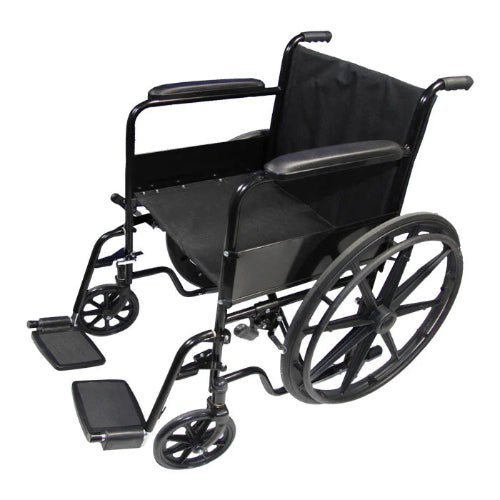
Mag Wheel Regular Foldable Wheelchair

Regular price Rs. 6,299
Sale price Rs. 6,299 Regular price Rs. 9,000
foldable wheelchair

Type: Patient Transfer

Karma Champion 200 Foldable Wheelchair Orange

Regular price Rs. 8,999
Sale price Rs. 8,999 Regular price Rs. 12,500
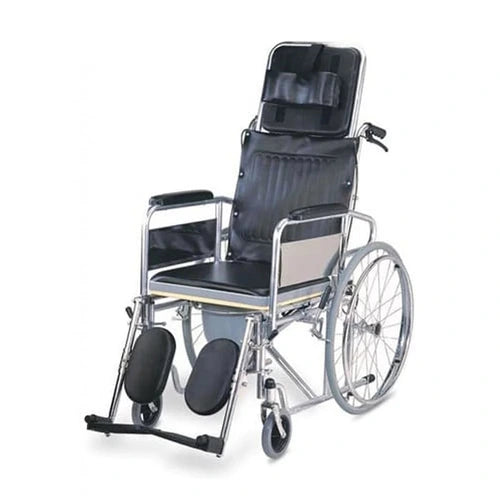
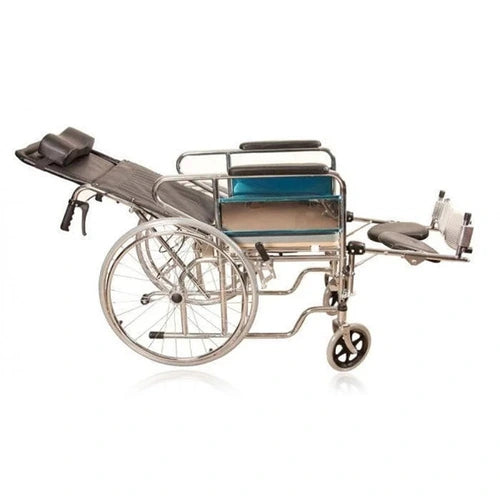
Karma Rainbow 8 Reclining Wheelchair with Commode

Type: Patient Transfer

Karma Rainbow 8 Reclining Wheelchair with Commode

Regular price Rs. 16,699
Sale price Rs. 16,699 Regular price Rs. 24,200
Karma Manual Transit Wheelchair TV 30

Type: Patient Transfer

Karma Manual Transit Wheelchair TV 30

Regular price Rs. 9,499
Sale price Rs. 9,499 Regular price Rs. 11,000
karma aurora 4 multi funactional wheelchair with reclining seat

Type: Patient Transfer

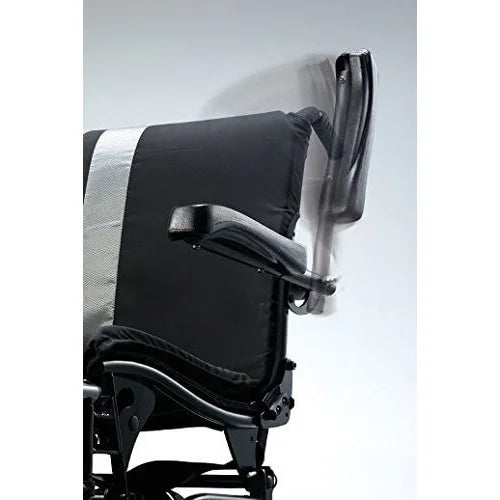
Karma Aurora 4 Multi Funactional Wheelchair with Reclining Seat

Regular price Rs. 22,999
Sale price Rs. 22,999 Regular price Rs. 34,000
wheelchair

Type: Patient Transfer

ACTION 2NG Invacare Wheelchair For Safe Comfortable Mobility For SCI Patients

Regular price From Rs. 21,499
Sale price From Rs. 21,499 Regular price Rs. 28,000
wheelchair spoke wheels

Type: karma

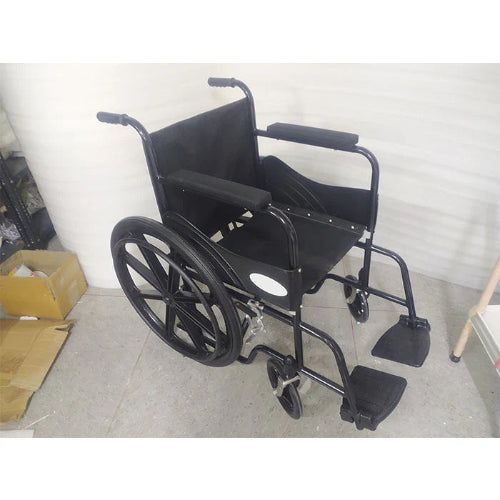
Folding Wheelchair for Patients Manual Hospital Wheelchair

Regular price Rs. 6,999
Sale price Rs. 6,999 Regular price Rs. 9,500
wheelchair Commode

Type: Patient Transfer

Wheelchair Commode for Patient Care Yuwell Mobility Aid

Regular price Rs. 22,499
Sale price Rs. 22,499 Regular price Rs. 30,000
Power Electric Wheelchair Yuwell

Type: Patient Transfer

Power Electric Wheelchair Yuwell

Regular price Rs. 79,999
Sale price Rs. 79,999 Regular price Rs. 95,000
karma ryder 31 ultralight power wheelchair

Type: Patient Transfer

Karma Ryder 31 Ultralight Power Wheelchair

Regular price Rs. 97,499
Sale price Rs. 97,499 Regular price Rs. 152,000
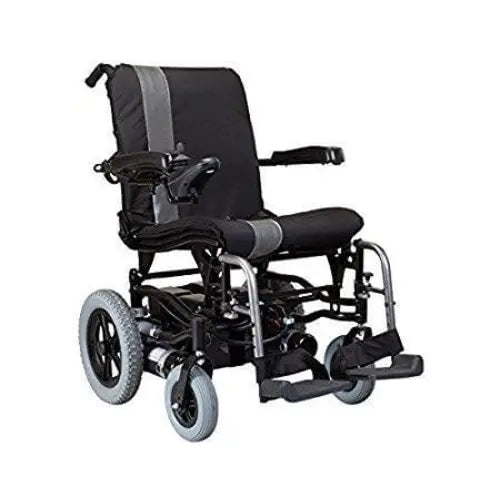
Karma Power Wheelchair KP 10-3S

Type: Patient Transfer

Karma Power Wheelchair KP 10-3S

Regular price Rs. 126,999
Sale price Rs. 126,999 Regular price Rs. 199,000
aluminium frame powered wheelchair ryder 30

Type: Patient Transfer

Aluminium Frame Powered Wheelchair Ryder 30

Regular price Rs. 92,499
Sale price Rs. 92,499 Regular price Rs. 110,000

Collection: Wheelchair Support: Comfort and Safety First

Introduction: More Than a Mobility Device

A wheelchair is not just a medical product with wheels and a seat. It is one of the most important mobility aids ever developed for human independence. For a person who is unable to walk, who experiences weakness after surgery, who has an injury, or who lives with a long-term disability, a wheelchair can transform daily life. It supports not only movement, but also dignity, confidence, comfort, safety, and social participation.

In homes, hospitals, rehabilitation centers, airports, schools, offices, and public spaces, wheelchairs have become an essential part of modern healthcare and accessible living. They allow users to move from one room to another, travel longer distances, participate in work and education, and stay engaged with family and society. For caregivers and doctors, they also reduce physical strain while supporting safer patient transfer and recovery.

Today, the wheelchair market includes everything from simple manual chairs to highly advanced powered models with smart controls, reclining functions, postural support systems, and terrain adaptability. Because the options are so wide, buyers often feel confused when comparing features, sizes, designs, and wheelchair price. This is why a detailed understanding of wheelchair types, uses, precautions, maintenance, and cost factors is extremely important before making a purchase decision.

This complete guide explains what a wheelchair is, why it matters, how it is used, which types are available, what affects wheelchair price, how to choose the correct model, how to maintain it safely, and why the right wheelchair can improve quality of life in a meaningful way. Whether the requirement is temporary or permanent, understanding the right mobility chair can make all the difference.

Hospital Use

Supports patient transport, post-treatment movement, and general mobility inside clinical environments.

Home Care

Helps users maintain daily independence for routine tasks, movement, and comfort at home.

Rehabilitation

Plays an essential role in recovery programs, mobility training, and long-term support planning.

What is a Wheelchair?

A wheelchair is a wheeled seating device designed for individuals who cannot walk, cannot walk safely, or experience serious difficulty in moving from one place to another. It is a mobility aid that helps the user travel short or long distances depending on the design and intended use. Some wheelchairs are self-propelled, meaning the user can move independently by turning the large rear wheels. Others are caregiver-operated and meant to be pushed by another person. Electric or power wheelchairs use battery-based systems and controls to provide effortless movement.

The basic structure of a wheelchair usually includes a frame, seat, backrest, armrests, footrests, wheels, brakes, and handles. However, the design may vary greatly depending on whether the chair is made for hospital transport, home mobility, outdoor use, sports, pediatric care, or long-term posture support. Modern wheelchairs also include foldable frames, lightweight materials, pressure-relief cushions, anti-tip features, reclining backs, tilt systems, detachable parts, and custom support accessories.

Historically, wheelchairs have existed in different forms for centuries, but the modern wheelchair became especially important in the 20th century. War injuries, polio outbreaks, and industrial accidents increased the need for better mobility equipment. Over time, healthcare innovation led to stronger, lighter, more comfortable, and more user-friendly designs. Today, materials such as aluminum, titanium, and carbon fiber help improve strength without adding unnecessary weight.

Key Understanding

A wheelchair is not only used when someone is permanently unable to walk. It is also useful for temporary recovery, post-surgical support, Adult mobility assistance, rehabilitation routines, and safe patient handling.

Why Wheelchairs Are Important

The importance of a wheelchair goes far beyond transportation. It is closely linked to physical safety, emotional confidence, and social inclusion. A person with mobility limitations often faces barriers that affect education, employment, healthcare access, family interaction, and self-esteem. A good wheelchair reduces many of these barriers by restoring movement and giving the user more control over their surroundings.

One of the biggest benefits of a wheelchair is independence. When users can move more freely, they rely less on constant support from others. This independence helps them perform daily activities with more confidence. Simple tasks like moving to the dining table, going outdoors, visiting the doctor, attending school, or entering public buildings become much more manageable.

Another major benefit is accessibility. In a world that is increasingly focusing on inclusive design, wheelchairs help individuals participate more actively in community life. Ramps, elevators, accessible washrooms, and adapted workspaces only become useful when the user has the correct mobility aid to take advantage of them. In this way, wheelchairs become part of a larger system of equal participation.

Wheelchairs are also extremely important for comfort and posture. Long periods of unsupported sitting can lead to back strain, fatigue, pressure points, and postural imbalance. A properly designed mobility chair with the right dimensions and cushion support reduces discomfort and helps maintain healthier sitting positions.

In healthcare settings, wheelchairs contribute directly to rehabilitation support. Doctors, physiotherapists, and occupational therapists often recommend wheelchairs during recovery from injury or surgery. A chair may be needed for a few days, a few months, or permanently, depending on the patient’s condition. During this period, safe mobility supports healing while minimizing unnecessary strain.

There is also a powerful impact on mental well-being. People often feel more secure and emotionally stable when they can move with less dependence. This improvement in autonomy can reduce frustration, improve confidence, and increase willingness to engage socially. For many users, a wheelchair is not a sign of limitation, but a tool for reclaiming freedom.

Independence

Supports self-movement and reduces dependence on others.

Comfort

Improves sitting support for daily and long-duration use.

Safety

Helps prevent falls and unsafe movement in weak patients.

Participation

Allows users to attend school, work, travel, and social events.

Common Uses of a Wheelchair

Wheelchairs are used across a wide range of medical and non-medical situations. Because mobility challenges can be temporary, progressive, or lifelong, the same category of product serves many kinds of users. The following are some of the most common use cases.

In hospitals and clinics, wheelchairs are routinely used to move patients safely between departments, consultation rooms, testing areas, and discharge points. Patients who are weak, injured, sedated, or recovering from surgery often cannot walk safely for even short distances. A wheelchair ensures controlled and stable transport.

For many older adults, a wheelchair makes it easier to remain active inside the home and attend appointments without excessive fatigue.

In disability support, wheelchairs are essential for individuals living with conditions such as spinal cord injury, cerebral palsy, muscular dystrophy, multiple sclerosis, stroke-related weakness, or severe arthritis. In these situations, the wheelchair may be a central part of long-term independent living.

In rehabilitation therapy, wheelchairs are used as part of a wider recovery plan. Physiotherapists may use them during early mobility training, transfer practice, endurance development, and protected movement after trauma or surgery.

In sports and recreation, special wheelchair designs allow users to participate in athletic activities with speed, agility, and control. Sports wheelchairs are built very differently from standard hospital or home-care chairs because performance, balance, and response are key priorities.

Wheelchairs are also used in public transport, airports, educational institutions, and workplaces to improve accessibility. In this way, they have become part of everyday life rather than only a strictly hospital-based device.

Practical Reality

A wheelchair may be needed for a few days after surgery, for several months during rehabilitation, or for long-term daily use. The right model depends on duration, body support needs, and where the chair will be used most often.

Types of Wheelchairs

There is no single wheelchair that suits everyone. Manufacturers provide many types of mobility chairs so users can choose according to medical condition, physical ability, body size, environment, and budget. Understanding these categories is important before comparing wheelchair price or features.

Manual Wheelchairs

Manual wheelchairs rely on physical effort for movement. The user may propel the chair independently by pushing the rear wheels, or a caregiver may push it using handles at the back. These models are widely used because they are practical, cost-effective, and available in many designs.

Standard manual chairs are durable and commonly used in hospitals and care facilities. They are suitable for general patient transport and routine indoor use. These chairs are often made with sturdy steel frames and basic padded seating.

Lightweight wheelchairs are designed for easier handling and transport. They are often made from aluminum and are easier to lift, fold, and store. These are helpful for users who travel often or need a more manageable design for home use.

Transport wheelchairs have smaller wheels and are not meant for self-propulsion. They are pushed by a caregiver and are ideal for hospitals, clinics, airports, and short trips where convenience matters more than independent movement.

Power Wheelchairs

Power wheelchairs, also called electric wheelchairs, use batteries and motorized controls. These chairs are ideal for individuals who cannot comfortably use a manual wheelchair due to weakness, fatigue, neurological limitations, or long-term mobility needs.

Indoor power chairs are designed for homes, offices, and relatively smooth surfaces. They usually have a compact turning radius so users can move more easily in tight indoor spaces.

Outdoor power chairs are made for stronger performance on uneven surfaces. They often include rugged tires, stronger suspension, enhanced stability, and a more powerful drive system.

Some advanced models include standing wheelchairs, which allow the user to rise to a standing position with support. These chairs may help with posture, pressure management, and functional reach in selected users.

Specialized Wheelchairs

Specialized wheelchairs are designed for specific needs that standard models cannot meet.

Sports wheelchairs are built for speed, agility, and balance. Their frame geometry is usually optimized for rapid movement and quick directional control.

Pediatric wheelchairs are made for children and often include growth-adjustable parts, supportive seating, and body positioning features.

Reclining and tilt-in-space wheelchairs help users who require advanced posture management, pressure relief, or extended sitting comfort.

All-terrain wheelchairs are intended for outdoor paths, rural surfaces, beaches, or irregular ground, making them useful for users who need more than standard indoor mobility.

Type Main Feature Ideal For General Price Level
Standard Manual Simple, durable, self or caregiver use General mobility, hospitals, home care Low to Moderate
Lightweight Manual Easy to fold and transport Travel and daily convenience Moderate
Transport Chair Caregiver-operated, compact wheels Short-distance and patient movement Low to Moderate
Power Wheelchair Battery-operated movement Long-term and effort-free mobility High
Reclining / Tilt Enhanced body support Postural care and pressure relief Moderate to High
Sports / Pediatric / Terrain Purpose-specific structure Customized use cases Varies Widely

Wheelchair Price: What Affects the Cost?

One of the most common questions buyers ask is about wheelchair price. This is understandable because the range is very wide. Some basic manual wheelchairs are affordable and practical, while high-end power wheelchairs can cost significantly more. The correct way to evaluate price is not to ask only “How much does a wheelchair cost?” but rather “Which wheelchair offers the right value for the user’s condition, comfort, and daily needs?”

The first major factor is the type of wheelchair. Manual models are usually more affordable than power wheelchairs because they do not require batteries, motors, joystick systems, or electronic components. Transport chairs are often among the most budget-friendly options. On the other hand, powered models include advanced mechanisms and therefore cost more.

The second important factor is material. Steel wheelchairs are strong and economical, but they are generally heavier. Aluminum wheelchairs are lighter and easier to handle, which increases convenience and often price. Titanium and carbon fiber frames are usually lighter still, with excellent performance, but are much more expensive.

The third factor is features and comfort support. Cushioned seats, removable armrests, elevating footrests, anti-tip wheels, reclining functions, pressure-relief systems, and custom back support all influence wheelchair price. These features may add cost, but they can also improve safety and long-term usability.

Another factor is brand reputation and warranty. Established manufacturers often charge more because they provide tested build quality, spare part availability, better support, and stronger service coverage. For long-term users, this added reliability may justify the cost.

Customization also affects price. Some users need specific seat width, posture support, side guards, pressure cushions, pediatric adjustments, or sports geometry. Customized wheelchairs are generally more expensive because they are designed around the user’s exact requirements.

In general, basic manual wheelchairs may range from around ₹5,000 to ₹15,000, lightweight or foldable models may range from around ₹15,000 to ₹40,000, and power wheelchairs may range from ₹60,000 to ₹2,00,000 or more depending on the feature set. These price bands vary across brands, build quality, and intended application.

Category Approximate Price Range Who It May Suit
Basic Manual Wheelchair ₹5,000 – ₹15,000 Temporary use, hospitals, basic home mobility
Lightweight / Foldable Wheelchair ₹15,000 – ₹40,000 Regular users who need portability and easier handling
Reclining / Specialized Manual ₹20,000 – ₹60,000+ Users needing extra comfort, support, or posture care
Power Wheelchair ₹60,000 – ₹2,00,000+ Users who need independent low-effort mobility

Important Buying Reminder

A cheaper wheelchair may save money initially, but if it does not provide the right fit, comfort, durability, or safety, it may create greater difficulty over time. Price should always be judged with purpose and user need in mind.

How to Choose the Right Wheelchair

Choosing the right wheelchair requires more than comparing product photos or price tags. A wheelchair directly affects posture, mobility, safety, and comfort. Therefore, the selection process should consider the user’s physical condition, intended environment, body measurements, and support requirements.

Start by identifying whether the need is temporary or long-term. A patient recovering for a short period may need a simple and practical wheelchair for transport and home use. A person with a lifelong mobility condition may need a much more carefully fitted design with customized support and easier self-mobility.

Next, consider who will operate the chair. If the user has enough upper-body strength and coordination, a self-propelled manual wheelchair may be appropriate. If movement will mostly be caregiver-assisted, then a transport or attendant-driven wheelchair may be more practical. If the user cannot comfortably propel a chair, a power wheelchair may be more suitable.

Seat dimensions matter greatly. A wheelchair that is too narrow can be uncomfortable and unsafe. A wheelchair that is too wide may reduce posture control and make movement inefficient. Seat width, seat depth, back height, armrest position, and footrest support should all match the user’s body as closely as possible.

It is also important to consider where the wheelchair will be used. Indoor use requires easier turning and compact dimensions. Outdoor use may need stronger wheels, better traction, and a sturdier build. Travel use may require folding convenience and lighter weight.

Another key question is whether the user needs special posture or comfort features. Some individuals may need reclining support, pressure-relieving cushions, elevating leg rests, head support, or tilt-in-space positioning. In such cases, comfort is not just a luxury—it is a medical necessity.

When in doubt, consulting a doctor, physiotherapist, or rehabilitation specialist is always a wise step. Professional guidance can help prevent the common mistake of buying a chair that looks good but does not match the user’s true needs.

Usage Duration

Short-term recovery and long-term daily use often require different wheelchair types.

User Strength

The user’s ability to self-propel influences whether manual or powered mobility is better.

Body Measurements

Correct sizing improves comfort, posture, and daily safety.

Environment

Indoor, outdoor, travel, and rehabilitation use all demand different features.

Safety Precautions for Wheelchair Use

Although wheelchairs improve independence, safe use is essential. Poor maintenance, incorrect seating, unsafe surfaces, and lack of attention can create avoidable risks. Following basic precautions helps protect both the user and the caregiver.

One of the first safety rules is to check brakes and tires regularly. If the brakes do not hold properly, the chair may move unexpectedly during transfers or while parked on a slope. Tires should be in good condition and properly maintained for stable rolling and balanced control.

Users should also maintain proper posture. Sitting in the wrong position for long periods may lead to discomfort, back pain, fatigue, and pressure-related skin problems. Using the correct cushion and back support can make a major difference.

It is important to avoid steep slopes and unsafe terrain. Some wheelchairs are not built for rough outdoor surfaces or sharp inclines. Even sturdy wheelchairs require controlled use on ramps, uneven ground, and wet floors.

Every wheelchair also has a weight capacity, and this limit should be respected. Exceeding it may damage the frame, affect wheel performance, or reduce overall safety.

For power wheelchairs, battery care is essential. Charging should be done properly and regularly according to usage pattern. Poor battery habits may reduce range, performance, and long-term reliability.

Users and caregivers should remain alert in crowded or slippery spaces. Sudden movement, poor visibility, uneven thresholds, or narrow passages can increase the risk of bumping, tipping, or losing control.

During transfers, brakes should always be applied, footrests moved out of the way if required, and support handled carefully. Rushed transfers are a common cause of falls.

Daily Safety Habit

Before using a wheelchair each day, quickly check the brakes, wheels, footrests, armrests, and seat condition. Small daily checks can prevent larger problems later.

Wheelchair Maintenance and Care

A wheelchair performs best when it is maintained properly. Regular care improves safety, comfort, and product life. Maintenance needs vary depending on whether the wheelchair is manual or electric, but some basic practices apply to all models.

Cleaning is one of the simplest but most important routines. Dust, moisture, dirt, and spills can affect both hygiene and moving parts. The seat, frame, armrests, and footrests should be cleaned using appropriate materials. Outdoor chairs may need more frequent attention because they are exposed to mud, rough surfaces, and environmental dust.

Wheel and caster inspection should be done regularly. Hair, threads, or debris may collect around the wheels and reduce smooth movement. Removing such buildup improves handling.

Brake performance should be tested often, especially in manual wheelchairs. Weak or loose brakes create unnecessary danger during transfers or parking.

Seat and cushion condition should also be monitored. If the cushion loses support or the upholstery becomes damaged, sitting comfort and posture may be affected. For long-term users, this is especially important.

In power wheelchairs, battery maintenance is critical. Batteries should be charged according to manufacturer guidance and not left ignored for long periods. Electric controls and motors should also be checked periodically by qualified technicians when needed.

A manual wheelchair may need professional servicing every six months depending on use, while a power chair may need more frequent checks for drive systems and battery health. Preventive maintenance usually costs less than major repair after breakdown.

Role of Wheelchairs in Modern Healthcare

In modern healthcare, wheelchairs are no longer viewed as basic support products alone. They are now recognized as essential tools for rehabilitation, patient mobility, long-term care, and accessibility management. Hospitals, clinics, care homes, physiotherapy centers, and public health programs all depend on wheelchairs in different ways.

In acute care, wheelchairs allow safe transport for patients who cannot walk after surgery, treatment, or illness. In rehabilitation, they support controlled mobility during recovery. In long-term care, they become a central mobility solution that helps users remain engaged in daily life.

The healthcare system also increasingly understands that mobility has a direct relationship with mental health and social participation. A person who can move safely and comfortably is more likely to attend therapy, maintain routines, engage with family, and participate in society.

Accessibility standards in airports, schools, public transport, malls, and workplaces have also made wheelchairs more visible in public life. At the same time, innovation continues to improve the field. Newer models include better ergonomics, lighter materials, more efficient motors, improved posture support, and even smart-control technologies in advanced designs.

As a result, a wheelchair is no longer seen merely as a symbol of limitation. It is increasingly recognized as a symbol of empowerment, adaptation, and human-centered mobility support.

A Wider Perspective

Good mobility support is not only about movement. It is about access to education, healthcare, work, relationships, and everyday living with dignity.

Comprehensive FAQ

What is the average wheelchair price in India?

The average wheelchair price in India depends on the type and features of the model. Basic manual wheelchairs may start around ₹5,000, while foldable lightweight models may cost more. Electric or power wheelchairs can range from ₹60,000 to ₹2,00,000 or more depending on comfort, motor strength, battery quality, posture features, and brand support.

Which is better: manual wheelchair or electric wheelchair?

Neither is universally better; it depends on the user. A manual wheelchair is more budget-friendly, easier to transport, and practical for users who have enough upper-body strength or caregiver help. An electric wheelchair is better for users who need effortless movement, have limited physical strength, or require longer daily mobility with less fatigue.

Can a wheelchair be used outdoors?

Yes, many wheelchairs can be used outdoors, but not all are designed for the same surfaces. Standard indoor-focused models may perform best on smooth flooring, while all-terrain or outdoor-focused models have better wheels, stronger frames, and improved stability for uneven surfaces.

How do I choose the correct wheelchair size?

The correct wheelchair size depends on body measurements such as hip width, seat depth needs, height, and weight. A well-sized chair improves comfort, support, and mobility. Consulting a physiotherapist or rehabilitation professional is highly recommended when buying a chair for regular or long-term use.

How often should a wheelchair be serviced?

A manual wheelchair should usually be checked at regular intervals, often around every six months depending on daily use. Power wheelchairs may need more frequent checks because batteries, motors, controls, and electronic systems need attention. Regular inspection helps prevent breakdown and improves safety.

Is a lightweight wheelchair better than a standard wheelchair?

A lightweight wheelchair can be easier to lift, fold, and transport, which makes it very convenient for many families and frequent travelers. However, a standard wheelchair may still be the right option when strong daily durability and basic use matter more than portability. The better choice depends on how and where the chair will be used.

Who needs a reclining or tilt wheelchair?

Reclining and tilt wheelchairs are often useful for users who need extra posture support, pressure relief, or more comfortable sitting for longer periods. They may also be helpful in selected long-term care and rehabilitation situations where body positioning matters.

Can adult users benefit from a wheelchair even if they can walk a little?

Yes. Many adult users can walk short distances but still become tired, unstable, or unsafe during longer movement. In such cases, a wheelchair can improve safety, reduce fatigue, and make travel or hospital visits easier without forcing unnecessary strain.

What should I check before buying a wheelchair online?

Before buying online, review the frame type, weight capacity, seat dimensions, wheel design, foldability, cushion support, armrest and footrest details, and product warranty. It is also important to compare the chair with the user’s actual daily mobility needs rather than selecting only on price.

Conclusion: Mobility, Confidence, and Better Living

A wheelchair is more than a mobility aid. It is a practical and life-changing support system that improves safety, comfort, independence, and daily participation. By understanding the different types of wheelchairs, common uses, safety precautions, maintenance needs, and wheelchair price factors, families and healthcare providers can make more confident and informed decisions. Whether needed for temporary recovery, adult support, rehabilitation, or long-term mobility, the right wheelchair can open the door to better movement, greater dignity, and a more independent life.

MOBILITY. COMFORT. INDEPENDENCE.