


Type: Anesthesia
VentiFlex Tracheostomy Mask with Tubing


Type: Anesthesia
Ambu Bag Silicone Premium Quality


Type: Anesthesia
VentiFlex ET Tube Holder Sterile

Type: Anesthesia Products
Rebreathing Bags, Green Rubber Pack of 0.5, 1.0, 2.0 Ltrs


Type: Anesthesia
VentiFlex Sodalime for Ventilator CO2 Color Change

Type: Anesthesia
VentiFlex Oxygen Nasal Cannula Adult (Pack of 20)

Type: Anesthesia
VentiFlex Jackson Rees Bain Circuit Pediatric
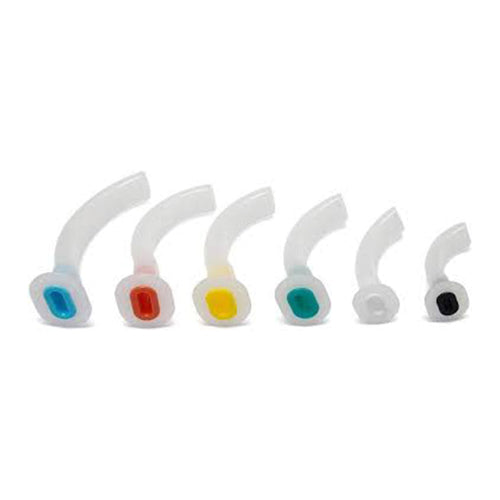
Type: Anesthesia
VentiFlex Guedel Airways Set of 6
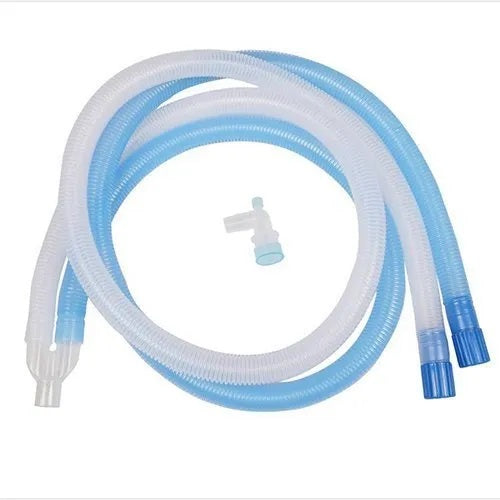
Type: MeddeyGo
Ventilator Disposable Double Water trap Circuit
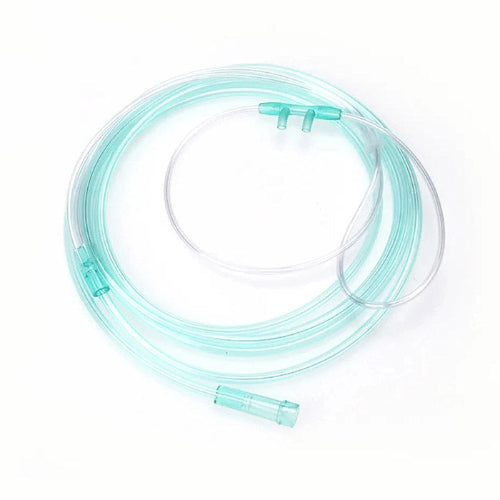
Type: Anesthesia
VentiFlex Oxygen Nasal Cannula Pediatric (Pack of 20)
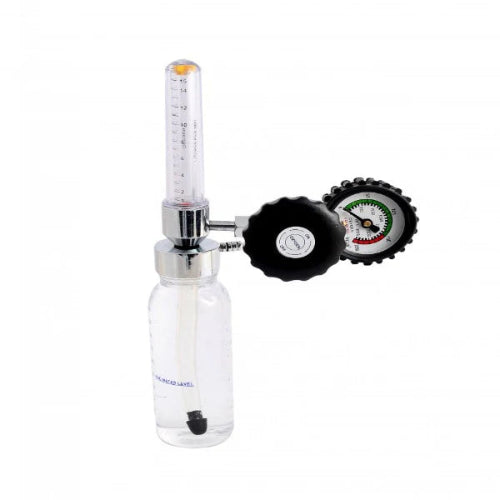
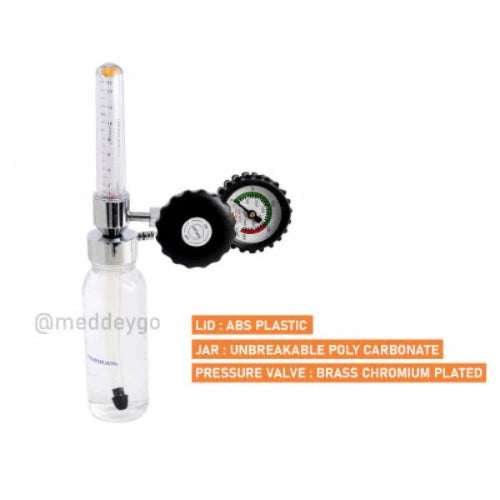
Type: Anesthesia
Oxygen Flow Meter
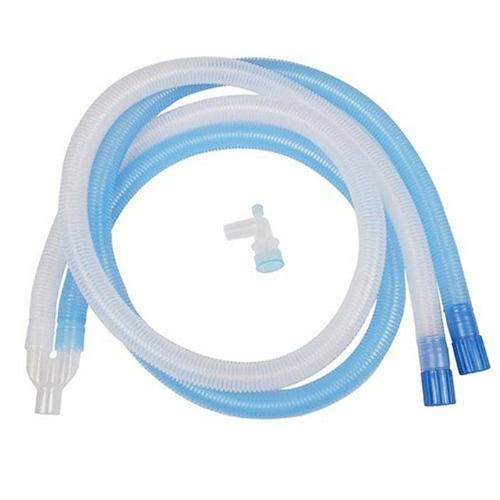
Type: Anesthesia
VentiFlex Ventilator Circuit Plain Dual Limb Adult

Type: Anesthesia Products
Ventilator Disposable Double Water trap Circuit (Pack of 3)


Type: Anesthesia Products
Nebulizer T Piece Kit for Oxygen & Respiratory Therapy

Type: anesthesia
Disposable Dual Heated Wire Circuit With Chamber
Collection:
Choosing the Right Anesthesia Products for Procedures
In the ever-evolving field of healthcare, selecting the right anesthesia products is crucial for ensuring the safety and effectiveness of medical procedures. As a seasoned professional in healthcare technology, I understand the importance of making informed decisions when it comes to anesthesia tools and equipment. This comprehensive guide will navigate you through the essential aspects of anesthesia products, helping you make the best choices for your practice.
Summary This guide explains core anesthesia product categories (machines, monitors, accessories) and anesthesia types, and outlines how they support safe, effective care. It details key selection criteria—safety and efficacy, regulatory compliance, compatibility and interoperability, training, customization, and supplier reliability—alongside the importance of robust monitoring, high-quality accessories, and infection control. It surveys market innovations such as automated anesthesia systems, enhanced monitoring, user-friendly interfaces, and sustainable solutions like low-flow devices and recyclable disposables. The goal is to help providers and distributors make informed, future-ready purchasing decisions that prioritize patient safety.

Anesthesia products encompass a wide array of tools and devices used to induce and maintain anesthesia during medical procedures. These products are vital for ensuring patient comfort and safety, and selecting the right ones can significantly impact the outcome of surgeries and other medical interventions.
What Are Anesthesia Products?
Anesthesia products include a range of equipment and supplies, such as anesthesia machines, monitors, and various accessories. These tools are designed to deliver anesthetic agents and monitor the patient's vital signs throughout the procedure. Understanding the different types of anesthesia products is crucial for healthcare providers to ensure optimal patient care.
Anesthesia Machines
Anesthesia machines are the heart of anesthesia delivery systems. They are designed to accurately deliver a mixture of gases and vapors, maintaining the right balance of anesthesia for the patient. Modern anesthesia machines come equipped with advanced features such as electronic flow meters, integrated ventilators, and safety alarms, ensuring precise control over the anesthetic delivery.
Anesthesia Monitors
Anesthesia monitors are essential for tracking the patient's physiological parameters in real-time. They provide critical data such as heart rate, blood pressure, oxygen saturation, and carbon dioxide levels. This information is vital for making immediate adjustments to the anesthesia plan and ensuring the patient's stability throughout the procedure.
Anesthesia Accessories
Anesthesia accessories include a variety of tools used alongside machines and monitors to facilitate anesthesia delivery. These include breathing circuits, masks, endotracheal tubes, and laryngeal masks. High-quality, reliable accessories are crucial for maintaining patient safety and ensuring the smooth operation of anesthesia equipment.
Types of Anesthesia
There are four main types of anesthesia: general, regional, local, and sedation. Each type serves a different purpose and is selected based on the specific needs of the patient and the procedure being performed.
General Anesthesia
General anesthesia renders the patient unconscious and is typically used for major surgeries. It involves the administration of inhalation agents and intravenous drugs to ensure complete unconsciousness and immobility. The selection of agents and the precise management of their administration are critical to maintaining patient safety and minimizing postoperative complications.
Regional Anesthesia
Regional anesthesia numbs a specific region of the body and is commonly used for surgeries involving the lower abdomen, pelvis, or legs. Techniques such as epidurals and spinal blocks are employed to achieve the desired effect. These methods require specialized needles and catheters, and practitioners must be skilled in their use to avoid complications and ensure effective pain management.
Local Anesthesia
Local anesthesia is used to numb a small, specific area of the body, often for minor surgical or dental procedures. It involves the application of topical agents or the injection of anesthetics directly into the tissue. The simplicity of local anesthesia makes it a versatile option, but precise administration is essential to avoid systemic absorption and potential toxicity.
Sedation
Sedation is often used in conjunction with other types of anesthesia to help relax the patient while maintaining consciousness. It ranges from minimal sedation, where the patient remains responsive, to deep sedation, where the patient is on the brink of consciousness. Sedation requires careful monitoring to balance patient comfort with safety, especially when combined with other anesthetic techniques.
Key Considerations in Choosing Anesthesia Products

Choosing the right anesthesia products involves several key considerations that can significantly impact the success of medical procedures and patient safety.
Safety and Efficacy
Safety is paramount when selecting anesthesia products. Opt for products that have a proven track record of safety and efficacy. The 2-4-6 rule for anesthesia, which involves monitoring vital signs every 2 minutes, adjusting medication every 4 minutes, and reassessing the patient's condition every 6 minutes, is a useful guideline to follow.
Proven Track Record
When evaluating anesthesia products, it is essential to consider their history of use and documented outcomes. Products that have been extensively studied and tested in clinical settings offer a greater assurance of safety and effectiveness. Reviewing peer-reviewed studies and clinical trial data can provide valuable insights into the performance of specific anesthesia tools and equipment.
Regulatory Compliance
Anesthesia products must meet rigorous regulatory standards to ensure their safety and efficacy. Ensure that the products you choose comply with local and international regulations, such as those set by the FDA or CE marking. Compliance with these standards indicates that the products have undergone thorough testing and adhere to high-quality manufacturing practices.
Continuous Training and Education
The complexity of anesthesia equipment necessitates ongoing training and education for healthcare professionals. Regular training sessions help practitioners stay updated on the latest advancements and best practices in anesthesia management. This ensures that they can operate equipment safely and respond effectively to any complications that may arise during procedures.
Compatibility with Existing Systems
Ensure that the anesthesia equipment you choose is compatible with your existing systems. This includes checking the compatibility of anesthesia machines with monitors and other accessories. Seamless integration is crucial for efficient anesthesia management and monitoring.
Integration with Hospital Systems
Anesthesia equipment should be compatible with the hospital's electronic medical records (EMR) and other digital systems. This integration allows for seamless data exchange, improving the accuracy of patient records and facilitating better communication among healthcare team members.
Inter-Operability of Equipment
When selecting anesthesia products, consider the inter-operability of different components. Anesthesia machines, monitors, and accessories from various manufacturers should work together without issues. Ensuring inter-operability helps prevent equipment malfunctions and reduces the risk of human error during procedures.
Customization Options
Look for anesthesia equipment that offers customization options to meet the specific needs of your practice. This includes adjustable settings, interchangeable components, and modular designs that allow for easy upgrades. Customizable equipment can enhance the flexibility and efficiency of anesthesia management.
Supplier Reliability and Support
When sourcing anesthesia products, work with reputable suppliers who offer reliable equipment and excellent customer support. Anesthesia products manufacturers in India and other regions should meet stringent quality standards and provide timely support for maintenance and repairs.
Supplier Reputation
Choose suppliers with a solid reputation for delivering high-quality anesthesia products. Research their history, customer reviews, and industry standing to ensure they are trustworthy partners. Reliable suppliers are more likely to provide consistent product quality and respond promptly to any issues that may arise.
After-Sales Support
Effective after-sales support is critical for maintaining anesthesia equipment and ensuring its long-term performance. Look for suppliers who offer comprehensive support services, including installation, training, maintenance, and repair. Prompt and efficient support can minimize downtime and extend the lifespan of your anesthesia products.
Warranty and Service Agreements
Consider the warranty and service agreements offered by suppliers when purchasing anesthesia equipment. These agreements can provide additional peace of mind by covering repairs and replacements in case of equipment failure. Understanding the terms and conditions of these agreements can help you make informed purchasing decisions.
Anesthesia Monitoring and Accessories
Effective anesthesia management requires comprehensive monitoring and the use of appropriate accessories.
Anesthesia Monitoring
Anesthesia monitoring is critical for tracking the patient's vital signs and ensuring their safety throughout the procedure. Anesthesia monitors provide real-time data on heart rate, blood pressure, oxygen saturation, and more, allowing healthcare providers to make informed decisions and adjustments as needed.
Real-Time Data Access
The ability to access real-time data is crucial for making timely and accurate decisions during procedures. Anesthesia monitors that display comprehensive and up-to-date information enable healthcare providers to respond quickly to any changes in the patient's condition, thereby enhancing patient safety.
Advanced Monitoring Features
Advanced features such as waveform analysis, trend monitoring, and alarm systems enhance the functionality of anesthesia monitors. These features provide additional insights into the patient's physiological status, allowing for more precise adjustments to anesthesia management.
Training on Monitoring Devices
Proper training on the use of anesthesia monitors is essential for maximizing their effectiveness. Healthcare providers should receive regular training to stay familiar with the latest monitoring technologies and learn how to interpret complex data accurately. This ensures that they can leverage the full capabilities of the equipment to improve patient outcomes.
Essential Accessories
Anesthesia accessories, such as breathing circuits, masks, and endotracheal tubes, play a vital role in the delivery and management of anesthesia. Selecting high-quality accessories that are compatible with your anesthesia equipment is essential for optimal patient care.
Quality and Durability
The quality and durability of anesthesia accessories are critical factors in ensuring patient safety. High-quality accessories are less likely to fail during procedures, reducing the risk of complications. Durable materials also contribute to longer product lifespans and cost savings over time.
Compatibility with Equipment
Ensuring that accessories are compatible with your existing anesthesia equipment is essential for seamless operation. Incompatible accessories can lead to equipment malfunctions and compromise patient safety. Always verify compatibility before purchasing new accessories to avoid potential issues.
Infection Control Measures
Anesthesia accessories must adhere to strict infection control standards to prevent cross-contamination. Disposable or easily sterilizable accessories help maintain a sterile environment and protect patients from infections. Implementing effective infection control measures is crucial for safeguarding patient health.
Market Trends and Innovations in Anesthesia Products

The anesthesia products market is constantly evolving, with new innovations and trends shaping the industry. Staying informed about these developments is crucial for healthcare providers and medical equipment distributors.
Advancements in Anesthesia Technology
Recent advancements in anesthesia technology have led to the development of more sophisticated and user-friendly equipment. Innovations such as automated anesthesia machines and advanced monitoring systems are improving the precision and safety of anesthesia administration.
Automated Anesthesia Systems
Automated anesthesia systems are revolutionizing the field by offering precise control over anesthetic delivery. These systems utilize algorithms and sensors to adjust anesthesia levels automatically, reducing the need for manual intervention and enhancing patient safety.
Enhanced Monitoring Capabilities
The development of advanced monitoring systems has improved the ability to track and analyze patient data during procedures. Features such as wireless connectivity and cloud-based data storage allow for seamless data sharing and remote monitoring, facilitating better decision-making and patient care.
User-Friendly Interfaces
The introduction of user-friendly interfaces in anesthesia equipment has made it easier for healthcare providers to operate complex devices. Intuitive touchscreens, simplified controls, and customizable settings streamline the anesthesia process, reducing the risk of human error and improving efficiency.
Sustainable and Eco-Friendly Products
Sustainability is becoming increasingly important in healthcare, and the anesthesia products market is no exception. Eco-friendly anesthesia solutions, such as low-flow anesthesia machines and recyclable accessories, are gaining popularity as healthcare providers seek to reduce their environmental impact.
Low-Flow Anesthesia Machines
Low-flow anesthesia machines are designed to minimize the consumption of anesthetic gases, reducing waste and environmental impact. These machines maintain optimal performance while conserving resources, aligning with the growing emphasis on sustainability in healthcare.
Recyclable and Biodegradable Accessories
The development of recyclable and biodegradable anesthesia accessories is contributing to eco-friendly practices in healthcare. These products reduce waste and minimize the environmental footprint of medical procedures, supporting the industry's shift towards sustainability.
Green Certifications and Initiatives
Healthcare facilities are increasingly seeking anesthesia products with green certifications and participating in sustainability initiatives. These certifications indicate that products meet specific environmental standards, promoting responsible consumption and encouraging the adoption of sustainable practices.
Conclusion
Selecting the right anesthesia products is a critical aspect of ensuring patient safety and the success of medical procedures. By understanding the different types of anesthesia products, considering key factors such as safety, compatibility, and supplier reliability, and staying informed about market trends and innovations, healthcare providers and medical equipment distributors can make informed decisions that enhance patient care.
As the healthcare landscape continues to evolve, staying abreast of the latest advancements and industry developments will be key to success. Whether you are a hospital administrator, medical equipment distributor, or healthcare technology consultant, this guide provides valuable insights to help you navigate the complex world of anesthesia products and make strategic decisions for your practice or business.
Staying informed, adaptable, and proactive in adopting new technologies and sustainable practices will ensure that your anesthesia management remains at the forefront of patient care and safety.
Q&A
Question: What are the main categories of anesthesia products, and how do they work together during a procedure?
Short answer: Anesthesia machines, monitors, and accessories form an integrated system. Machines deliver precise gas and vapor mixtures—often with electronic flow meters, integrated ventilators, and safety alarms—while monitors track real-time physiology (heart rate, blood pressure, oxygen saturation, carbon dioxide) to guide immediate adjustments. Accessories such as breathing circuits, masks, endotracheal tubes, and laryngeal masks create secure patient interfaces. Selecting high-quality, compatible components ensures seamless operation and supports patient safety.
Question: What key factors should I evaluate when choosing anesthesia equipment and supplies?
Short answer: Focus on:
- Safety and efficacy, including a proven track record in clinical use and peer-reviewed evidence
- Regulatory compliance (e.g., FDA, CE) signaling rigorous testing and quality manufacturing
- Compatibility and interoperability across machines, monitors, and accessories
- Integration with hospital systems (EMR) for accurate records and team communication
- Continuous training and education to keep staff proficient with evolving technologies
- Customization options (adjustable settings, modular designs, interchangeable components)
- Supplier reputation, after-sales support (installation, training, maintenance, repair), and clear warranty/service agreements
Question: What is the 2-4-6 rule, and how does it enhance anesthesia safety?
Short answer: The 2-4-6 rule is a practical monitoring cadence: check vital signs every 2 minutes, consider medication adjustments every 4 minutes, and reassess overall patient status every 6 minutes. Used alongside real-time monitoring, waveform/trend analysis, and alarms, it structures vigilance, prompts timely interventions, and helps maintain stable anesthesia with fewer complications.
Question: Why are accessory quality, compatibility, and infection control emphasized?
Short answer: Accessories directly impact airway security and anesthetic delivery. High-quality, durable items are less likely to fail mid-procedure, supporting safety and reducing downtime and costs over time. Verified compatibility prevents malfunctions or leaks that compromise care. Adhering to infection control—using disposable or easily sterilizable accessories—minimizes cross-contamination and protects patients.
Question: W
hich innovations and sustainability trends should guide future-ready purchasing? Short answer: Consider automated anesthesia systems that algorithmically fine-tune anesthetic delivery, advanced monitoring with wireless connectivity and cloud data for better decision-making, and user-friendly interfaces that reduce error and streamline workflows. Sustainability is rising in importance: low-flow machines cut anesthetic gas consumption, recyclable or biodegradable accessories reduce waste, and green certifications signal products that meet environmental standards. These trends collectively improve safety, efficiency, and environmental impact.