
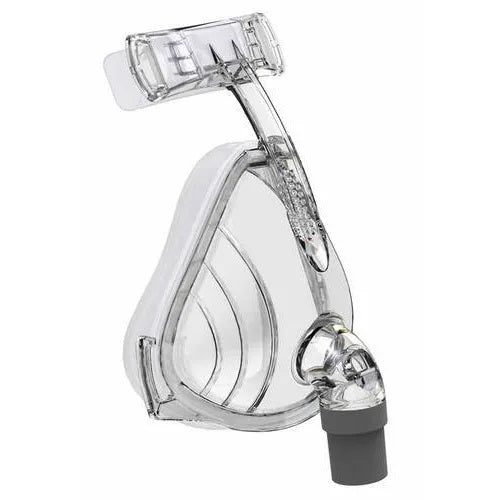
Type: Respiratory
Vented CPAP BIPAP Mask


Type: Anesthesia
ResPlus BiPAP Machine with Humidifier for Sleep Care


Type: Anesthesia
Bubble C-Pap with Fully Automagtic Servo Humdifier

Type: Respiratory
Premium CPAP BiPAP Tubing
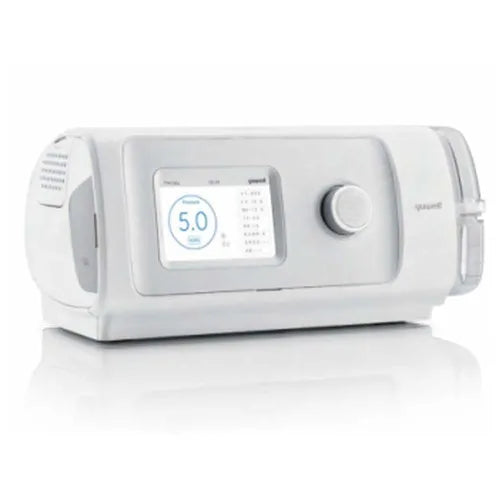
Type: Anesthesia
Yuwell BreathCare II YH-830 BiPAP Machine with Heated Humidifier
Collection:
BiPAP Machine: Benefits, Uses & Side Effects

A BiPAP, or Bilevel Positive Airway Pressure machine, is a non-invasive therapy device used primarily for individuals with obstructive sleep apnea. Unlike CPAP (Continuous Positive Airway Pressure) machines, which deliver a constant stream of air, BiPAP machines provide two levels of pressure: a higher pressure when inhaling and a lower one during exhalation. This adjustment can be more comfortable for some users and aids in more effective breathing.
BiPAP vs. CPAP: Understanding the Differences
While both CPAP and BiPAP machines are used for sleep apnea, their operational mechanisms differ significantly. CPAP provides a consistent pressure, while BiPAP offers a bi-level pressure setting, making it more suitable for patients with additional respiratory issues or who find CPAP uncomfortable. BiPAP's dual pressure levels can accommodate the natural breathing pattern more effectively, providing users with a tailored therapy experience.
How BiPAP Machines Work
BiPAP machines are equipped with sensors that detect the user's breathing cycle. When the user inhales, the machine delivers a higher pressure to keep the airways open. During exhalation, the machine switches to a lower pressure, reducing the effort required to breathe out. This technology is especially beneficial for individuals with respiratory muscle weakness or other conditions that make exhalation challenging.
The Evolution of BiPAP Technology
Over the years, BiPAP technology has evolved significantly. Modern BiPAP machines are more compact, quieter, and come with advanced features such as data tracking and integration with smartphone apps. These advancements have made it easier for patients and healthcare providers to monitor therapy effectiveness and make necessary adjustments for optimal results.
Uses of a BiPAP Machine
BiPAP machines are versatile and serve a range of medical conditions beyond sleep apnea. They are often used for:
Chronic Obstructive Pulmonary Disease (COPD)
For patients with COPD, BiPAP machines assist in breathing more effectively by reducing the work of breathing. The dual pressure settings can help alleviate the sensation of shortness of breath, improving overall comfort and quality of life. In severe cases, BiPAP therapy can be a critical component of a patient's treatment plan, helping to prevent hospitalization.
Congestive Heart Failure
In patients with congestive heart failure, BiPAP machines provide much-needed respiratory support. By improving ventilation, these machines can reduce fluid buildup in the lungs and ease the burden on the heart. This can lead to better oxygenation and improved cardiac function, contributing to enhanced patient outcomes.
Neuromuscular Disorders
Individuals with neuromuscular disorders often face challenges with weakened respiratory muscles. BiPAP machines offer crucial support by maintaining adequate ventilation and reducing the risk of respiratory failure. The non-invasive nature of BiPAP therapy makes it an ideal option for long-term management of these conditions, promoting independence and quality of life.
During Hospital Stays
BiPAP machines are commonly used in hospital settings for patients who require breathing assistance but do not need intubation. They offer a non-invasive alternative for managing respiratory distress, allowing patients to recover more comfortably. In acute care scenarios, BiPAP therapy can bridge the gap between spontaneous breathing and mechanical ventilation, supporting patient recovery.
Benefits of BiPAP Therapy
Enhanced Breathing Comfort
One of the primary advantages of BiPAP machines is the comfort they provide compared to CPAP machines. The dual pressure settings align more naturally with the user's breathing pattern, making it easier to exhale. This results in a more comfortable experience, encouraging adherence to therapy and improving overall treatment outcomes.
Improved Sleep Quality

For those with sleep apnea, the use of a BiPAP machine can significantly enhance sleep quality. By ensuring uninterrupted breathing, these devices help patients achieve deeper, more restorative sleep cycles. Improved sleep quality can lead to better cognitive function, mood stabilization, and overall well-being, making BiPAP therapy a valuable tool in managing sleep disorders.
Versatility and Adaptability
BiPAP machines are adaptable to a wide range of patient needs and can be adjusted for various pressure settings, making them suitable for different conditions and severities. This versatility allows healthcare providers to customize therapy according to individual patient requirements, optimizing treatment effectiveness. Additionally, many BiPAP machines come with features like humidifiers and mask options to enhance comfort and usability.
Positive Impact on Daytime Functioning
The benefits of BiPAP therapy extend beyond nighttime breathing support. Patients often experience improved daytime functioning as a result of better sleep quality. With reduced fatigue and enhanced energy levels, individuals can engage more fully in daily activities, leading to increased productivity and a higher quality of life.
Side Effects and Considerations
While BiPAP machines offer numerous benefits, users might experience some side effects, including:
Nasal Congestion and Dryness
Due to the continuous airflow, some users may experience nasal congestion or dryness in the mouth and throat. This can be uncomfortable and may deter adherence to therapy. To mitigate these effects, using a humidifier with the BiPAP machine can help maintain moisture levels and reduce irritation.
Skin Irritation from Masks
The mask or headgear used with a BiPAP machine can cause skin irritation or pressure sores if not properly fitted. Ensuring a proper fit and regularly adjusting the mask can minimize discomfort. Skin-friendly mask liners and routine cleaning of the equipment can also help prevent irritation and maintain hygiene.
Aerophagia and Bloating
Aerophagia, or the swallowing of air, can occur during BiPAP therapy and may lead to bloating or discomfort. Adjusting the pressure settings and ensuring the correct mask fit can alleviate this issue. Consulting with a healthcare provider to tailor the therapy settings can further reduce the risk of aerophagia.
Mitigating Side Effects
To minimize these side effects, consider using a humidifier with the BiPAP machine, ensuring a proper mask fit, and regularly cleaning the equipment. Regular follow-ups with healthcare providers can help address any concerns and optimize therapy settings for individual needs. Education and support play a crucial role in enhancing patient comfort and adherence.
Alternatives to BiPAP Machines
For those who might not tolerate BiPAP therapy well, several alternatives exist:
CPAP Machines
CPAP machines are often the first line of treatment for sleep apnea. They offer a single, continuous pressure, which can be adjusted but does not vary between inhalation and exhalation. While effective for many, some patients may find CPAP therapy uncomfortable, prompting the exploration of alternative options.
Auto BiPAP Machines
These machines automatically adjust the pressure settings based on the user's breathing patterns throughout the night, offering a more personalized therapy experience. Auto BiPAP machines are ideal for patients with fluctuating breathing patterns, providing tailored support that adapts to their needs in real-time.
Adaptive Servo-Ventilation (ASV)
ASV devices are used for patients with complex sleep apnea and provide a more sophisticated approach by adjusting pressure on a breath-by-breath basis. This technology is particularly beneficial for individuals with central sleep apnea or mixed apnea, offering precise control and improved therapy outcomes.
Oral Appliance Therapy
For patients who cannot tolerate BiPAP or CPAP therapy, oral appliances may offer an alternative. These devices are designed to reposition the jaw and tongue to maintain an open airway during sleep. While not suitable for all patients, oral appliance therapy can be an effective solution for mild to moderate sleep apnea.
BiPAP Machines: Buying, Renting, and Pricing Considerations
For hospital administrators and distributors, understanding the market dynamics of BiPAP machines is critical.
Buying and Renting Options
-
Buy BiPAP Machine Online at Best Prices: Online platforms often offer competitive prices and a range of models, including the BMC and BPL BiPAP machines. Exploring online options can provide access to a wider selection, allowing buyers to compare features and prices conveniently.
-
BiPAP Machine on Rent: Renting can be a cost-effective solution for short-term needs or trial periods before committing to a purchase. Rental services often include maintenance and support, ensuring that users receive optimal performance without the upfront investment of buying.
Pricing and Market Trends
The BiPAP machine price in Delhi and other regions varies based on brand, features, and included accessories. Staying informed about market trends and pricing can aid in making strategic purchasing decisions. Understanding the factors that influence pricing, such as technological advancements and demand fluctuations, can help buyers navigate the market effectively.
Supplier Considerations and Negotiations
Choosing the right supplier is crucial for ensuring quality and reliability. Buyers should consider factors such as supplier reputation, customer service, and warranty offerings when making procurement decisions. Effective negotiation strategies can lead to favorable terms and cost savings, enhancing the value of the investment.
CPAP vs. BiPAP: Understanding the Differences
While both CPAP and BiPAP machines are used for sleep apnea, their operational mechanisms differ significantly. CPAP provides a consistent pressure, while BiPAP offers a bi-level pressure setting, making it more suitable for patients with additional respiratory issues or who find CPAP uncomfortable.
Is BiPAP Used Without Oxygen?
Yes, BiPAP machines can be used without supplemental oxygen. However, in cases where additional oxygen is required, it can be easily integrated with the machine. This flexibility makes BiPAP therapy adaptable to various patient needs, ensuring comprehensive respiratory support.
Patient Suitability and Selection
Determining the appropriate therapy involves assessing patient-specific factors, such as the severity of the condition and individual comfort preferences. Healthcare providers play a vital role in evaluating and recommending the most suitable therapy, considering the benefits and limitations of each option.
Long-term Therapy Outcomes
Understanding the long-term outcomes of CPAP and BiPAP therapy is essential for optimizing patient care. Regular monitoring and follow-ups can help identify areas for improvement and ensure that patients receive the maximum benefit from their chosen therapy.
Conclusion
BiPAP machines play a pivotal role in respiratory therapy, offering comfort and adaptability for a range of conditions. Whether you're a hospital administrator seeking to enhance procurement strategies, a distributor aiming to position products effectively, or a consultant providing cutting-edge insights, understanding the intricacies of BiPAP machines is essential. By keeping abreast of technological advancements and market trends, you can ensure better patient outcomes and strategic business growth.
In the ever-evolving landscape of healthcare technology, staying informed and adaptable is key to success. Whether considering a BiPAP Machine For Home use or exploring market opportunities, the insights provided here aim to equip you with the knowledge needed to make informed decisions in the dynamic field of respiratory aids.
Future Directions and Innovations
As technology continues to advance, the future of BiPAP machines looks promising. Innovations in sensor technology, connectivity, and user interfaces are expected to enhance therapy effectiveness and patient engagement. Embracing these advancements will be crucial for healthcare providers and industry stakeholders in delivering superior care.
Collaborative Efforts in Respiratory Care
Collaboration among healthcare professionals, researchers, and industry leaders is vital for driving innovation and improving patient outcomes. Sharing knowledge and best practices can lead to the development of more effective therapies and a deeper understanding of respiratory conditions. Together, we can shape the future of respiratory care and improve the lives of patients worldwide.