Filter
21 products
Type: 3 para monitor
3 Para Patient Monitor Bedside with 1 Year Warranty
Type: para monitor
5 Para Monitor Veterinary
Type: para
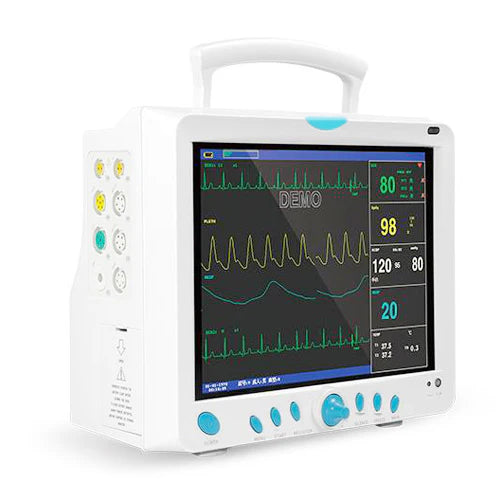
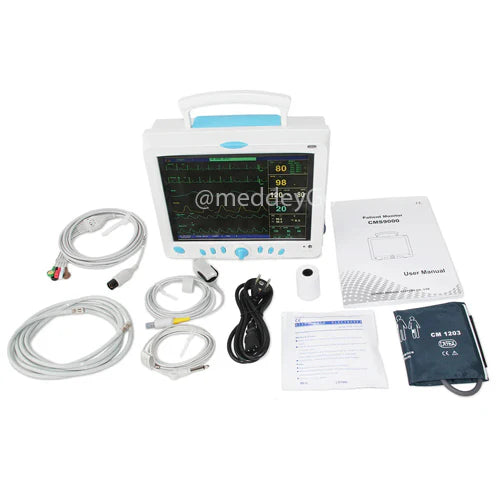
CONTEC CMS 9000 5 Para Monitor ECG, NIBP, Sp02, Pulse Rate, NIBP and TEMP
Type: Devices
5 Para Monitor 12.1 Inch TFT without stand
Type: Device
3 Para Bed Side Patient Monitor with Wall Mounted Stand
Type: 5 para
5 Para Monitor 12.1 Inch TFT without stand with 2 Years Warranty
Type: para monitor
5 Para Veterinary ECG Monitor for Animal ICU Use
Type: para monitor
5 Para Bed Side 12.1 Inch Touchscreen
Type: Devices
5 Para Patient Monitor 12.1 Inch TFT | ICU Vital Monitor
Type: 3 para monitor
Contec CMS 5100 SpO2 NIBP Patient Monitor
Type: ECG Machine
CMS6000 5 Para ICU CCU Vital Signs ECG,NIBP,SPO2,PR,TEMP 8Inch TFT color LCD
Type:
BPL Multipara Monitor | Neonatal 5 Para NICU Monitor
Type: Diagnostic Equipment
5 Para Bed Side Monitor 15 Inch Display X-5 M
Type: Diagnostic Equipment
5 Para Bed Side Monitor 12 Inch Display ECO
Type:
BPL Neo Sign N7 Neonatal Patient Monitor for NICU
Collection:
Understanding Patient Monitoring Systems: Types, Uses, Components, and Complete Guide
Introduction: Why Patient Monitoring Systems Matter So Much
A patient monitor is one of the most important devices in modern healthcare because it helps clinicians observe what is happening inside the body in real time or near real time. When a patient is stable, a monitor helps confirm that stability. When a patient begins to deteriorate, a monitor may provide the earliest warning. This is the reason patient monitoring systems are now central to hospital care, emergency care, intensive care, post-operative recovery, and even some forms of home-based monitoring.
Many people think of a hospital monitor as only the screen next to the bed that shows numbers and waveforms. In reality, a patient monitoring system is much broader. It includes sensors, cables, measurement modules, alarm systems, display systems, and in some settings central data review or remote communication. The monitor is not just a screen. It is a system for collecting physiological data, displaying it clearly, and helping clinical teams respond faster and more accurately.
Patient monitoring has become essential because vital signs are among the clearest windows into how the body is functioning. Core vital signs usually include body temperature, heart rate or pulse, breathing or respiratory rate, and blood pressure. In many modern monitors, additional parameters such as oxygen saturation, ECG, or other specialized values are also displayed. This makes patient monitors useful across a wide range of clinical conditions, from routine observation to high-dependency care.
The reason this topic is searched so often is that buyers, students, hospital staff, clinic owners, and even patients hear many different terms at once: patient monitor, patient monitoring system, health monitoring system, hospital monitor, and parts of cardiac monitor. All of these relate to the same larger idea, but each focuses on a different aspect of monitoring. Some people want to know what the machine is called. Others want to know what it does. Others want to understand the parts. Others want to know how patient monitor uses differ between ICU, ward, clinic, and home care.
This article explains patient monitoring systems in a full but easy-to-understand way. It covers what a patient monitor is, which vital signs are measured, what types of monitors exist, where they are used, what the main parts are, how a hospital monitor differs from a simple spot-check device, how alarms and displays work, and how hospitals and clinics should think about monitor selection more clearly.
ICU & Critical Care
Essential for continuous observation of important physiological changes and early warning during unstable clinical conditions.
Wards, OPDs & Clinics
Useful for spot-checking or short-duration monitoring of routine vital signs and patient condition.
Ambulance & Home Care
Increasingly important in transport care, remote care, and mobile health monitoring situations.
What Is a Patient Monitoring System?
A patient monitoring system is a device or group of connected devices used to measure, display, and sometimes record a patient’s physiological data. In simple words, it is a system that watches important body signals and presents them in a way that helps caregivers or clinicians understand the patient’s condition more quickly.
A patient monitoring system may range from a simple vital signs monitor that displays a few basic parameters to a multi-parameter bedside monitor that shows ECG waveforms, blood pressure, oxygen saturation, pulse rate, and additional measurements at the same time. In larger healthcare systems, the same monitoring setup may also send information to central stations, nursing stations, or electronic health systems.
The core idea is always the same: a health monitoring system gathers physiological information and turns it into readable numbers, waveforms, and alerts. That allows clinicians to track changes more reliably than observation alone.
Simple Definition
A patient monitoring system is a device or set of devices that measure and display vital signs or other body signals to help track a patient’s condition.
What Does a Patient Monitor Actually Show?
A patient monitor usually shows one or more vital signs and may also display waveforms or alarms. The most familiar monitored values include:
- Heart rate or pulse
- Blood pressure
- Respiratory rate
- Body temperature
- Oxygen saturation
- ECG waveforms in monitors with ECG capability
Different monitors show different combinations of these values. A basic ward-use monitor may show fewer parameters than an ICU bedside monitor. A portable spot-check device may display only core vital signs, while a larger hospital monitor may display several waveforms, alarms, and trends at once.
This is why the word “monitor” can mean different things in different departments. The concept is the same, but the depth of data changes with the clinical need.
Temperature
One of the core vital signs and an important indicator in infection, recovery, and general patient status.
Heart Rate / Pulse
Shows how quickly the heart is beating and helps clinicians identify changes in cardiovascular status.
Respiratory Rate
Helps assess breathing pattern and may provide early clues when a patient is worsening.
Blood Pressure
One of the most important monitored values in routine and critical care settings.
Why Patient Monitoring Systems Are So Important
Patient monitoring systems are important because the human body can change very quickly. A patient who looks stable may develop a blood pressure drop. Another may become tachycardic. Another may develop falling oxygen levels or a rising temperature. Monitoring systems make these changes visible sooner and more clearly.
Without a monitor, clinical staff would depend only on repeated manual checks and observation. Those are still important, but monitors add continuity and speed. They support trend awareness. A clinician can see not only the current number, but how the number has been changing.
This becomes even more important in:
- ICU care
- Emergency rooms
- Post-operative observation
- Cardiac observation areas
- Ambulance transport
- High-risk patient observation
In short, monitoring systems matter because they help convert the patient’s condition into visible information that can guide faster decisions.
Clinical Value Rule
A patient monitor is important not just because it shows numbers, but because it helps detect change early and supports quicker clinical response.
Types of Patient Monitoring Systems
Not all patient monitoring systems are the same. The monitor type depends on where it is used, what it measures, and how continuously the patient needs to be observed.
The broad types commonly discussed include:
- Multi-parameter bedside monitors
- Vital signs monitors
- Cardiac or ECG-capable monitors
- Portable transport monitors
- Central monitoring systems
- Home or remote patient monitoring systems
| Monitor Type | Main Role | Common Use Area |
|---|---|---|
| Multi-Parameter Monitor | Displays several vital signs together | ICU, OT, HDU, emergency areas |
| Vital Signs Monitor | Displays core vital signs in a simpler format | Wards, clinics, outpatient use |
| Transport Monitor | Portable monitoring during movement | Ambulance, intra-hospital transport |
| Central Monitoring System | Receives data from multiple bedside monitors | ICU stations, nurse stations |
| Home Monitoring System | Supports remote or home-based tracking | Home care, chronic-care follow-up |
Multi-Parameter Patient Monitor
A multi-parameter patient monitor is one of the most familiar hospital monitor types. It is designed to show multiple physiological values at the same time. For example, a single screen may show ECG waveform, heart rate, blood pressure, oxygen saturation, and respiratory rate together.
This monitor type is especially valuable because it gives a broader picture of the patient rather than focusing on only one parameter. In high-dependency and intensive care areas, this broader picture is often essential.
Multi-parameter monitors are common in:
- ICUs
- Operation theatres
- Emergency departments
- Recovery rooms
- High-dependency units
Multi-Value Display
Shows several physiological measurements together on one screen.
Waveforms and Numbers
Often combines numeric values with waveforms for better visual interpretation.
Alarm Capability
Can alert staff when values cross preset ranges.
ICU Importance
Especially valuable where patients need continuous and detailed observation.
Vital Signs Monitor
A vital signs monitor is usually a simpler type of patient monitor focused on core vital signs. This may include noninvasive blood pressure, pulse rate, oxygen saturation, and sometimes temperature. These monitors are often used when full ICU-style waveform-heavy monitoring is not needed.
This makes them useful in:
- General wards
- OPDs
- Clinics
- Pre-check stations
- Routine nursing assessment areas
The vital signs monitor is important because many patients do not need a high-end ICU monitor, but still need regular, reliable physiological assessment.
Hospital Monitor vs Home Health Monitoring System
A hospital monitor is generally designed for direct clinical supervision inside healthcare settings. It often includes stronger alarm functions, more display detail, and more parameter options. A patient health monitoring system used in home care or remote care may focus on fewer parameters and place more importance on portability or connectivity.
Home-based or remote monitoring systems are becoming more common because digital health technology now allows some vital-sign data to be collected outside hospitals as well. These systems may help in follow-up care, chronic disease support, adult care, and post-discharge observation. However, they do not automatically replace hospital-grade bedside monitoring.
This distinction matters because the word “monitor” can sound universal, but the context changes the product’s purpose significantly.
Context Rule
A hospital monitor and a home health monitoring system both observe patient status, but they are not always designed for the same clinical depth or environment.
What Is a Cardiac Monitor?
A cardiac monitor is a monitor focused more specifically on heart-related information, especially ECG and heart rhythm. In many bedside monitors, cardiac monitoring is one part of the total monitoring system. In some settings, the phrase “cardiac monitor” is used more narrowly for systems that emphasize ECG waveform and rhythm observation.
This is why the search phrase parts of cardiac monitor often appears together with patient monitor searches. Many users are trying to understand the ECG-oriented side of a larger patient monitoring system.
A cardiac-focused setup often involves:
- ECG cable and leads
- Waveform display
- Heart rate display
- Rhythm observation
- Alarm settings for rate or rhythm changes
Parts of a Patient Monitor
A patient monitor is not a single simple object. It is a system made from several parts working together. Understanding these parts helps buyers, students, and staff understand how the monitor actually functions.
The common parts of a patient monitor usually include:
- Display screen
- Measurement modules or internal electronics
- Sensor ports
- ECG cable or patient cable
- SpO2 sensor connection
- NIBP cuff connection
- Alarm speaker and visual alerts
- Power supply and battery system
- Controls or touch interface
Display Screen
Shows numbers, waveforms, menus, alarm messages, and trends.
Sensor Connections
Allow the monitor to receive information from ECG leads, SpO2 probes, cuffs, and other accessories.
Alarm System
Provides audible and visual warning when values move outside selected limits.
Power and Battery
Support bedside use, transport use, and continuity during temporary power change situations.
Parts of Cardiac Monitor
When people search parts of cardiac monitor, they usually want the heart-monitoring side of the patient monitor explained more clearly. A cardiac monitor commonly includes:
- ECG display area
- Heart rate readout
- Lead selection logic
- ECG cable and lead wires
- Alarm system for rate or rhythm change
- Data processing and display interface
In many bedside multi-parameter monitors, this cardiac-monitor section is integrated into the full monitor. In other words, the cardiac monitor is often not a totally separate machine — it may be one of the monitor’s most important functions.
How the Monitor Collects Patient Data
A patient monitor collects data through sensors and measurement accessories attached to the patient. Each parameter usually requires its own input method. For example, blood pressure uses a cuff, oxygen saturation uses a probe, and ECG uses leads. The device then converts these physiological signals into readable numbers or waveforms.
This means the monitor itself is only one part of the system. Good monitoring depends on:
- The monitor device
- The correct accessories
- Proper patient placement of those accessories
- Appropriate alarm settings
- Correct interpretation by trained staff
Monitoring therefore combines device technology with clinical workflow, not just hardware alone.
System Rule
A patient monitor works best when the machine, accessories, patient connections, and staff interpretation all work together as one system.
Alarms in Patient Monitoring Systems
Alarms are one of the most important features of a patient monitoring system. A monitor does not only display values. It also warns caregivers when values move outside selected limits or when technical problems occur, such as disconnected leads or sensor issues.
In practical terms, alarms may signal:
- High or low heart rate
- High or low blood pressure
- Low oxygen saturation
- Apnea or breathing concern depending on the system
- Lead-off or sensor disconnect
- Technical or battery warning
This is one reason monitors are so valuable in clinical care. They do not replace staff, but they help staff notice change sooner.
Continuous Monitoring vs Spot Checking
Patient monitor uses differ depending on whether the patient needs continuous monitoring or spot checking. Continuous monitoring means the patient is being observed over a longer period, with ongoing display and alarm support. Spot checking means vital signs are measured at intervals rather than continuously.
Continuous monitoring is more common in:
- ICU
- Emergency care
- High-risk post-operative care
- Unstable patient observation
Spot-check monitoring is more common in:
- General wards
- Routine nurse assessments
- Outpatient and clinic settings
- Basic pre-check or post-check situations
This difference is very important when selecting the correct health monitoring system.
Patient Monitor Uses
The search term patient monitor uses is broad because patient monitors serve many purposes across healthcare. Some of the most common uses include:
- Tracking vital signs in admitted patients
- Watching for clinical deterioration
- Monitoring patients during and after procedures
- Observing post-operative recovery
- Monitoring transport patients
- Supporting home follow-up in selected cases
In every case, the goal is similar: to make physiological change visible earlier and more clearly than simple observation alone.
Recovery Monitoring
Useful after procedures and surgeries when vital signs need structured observation.
Emergency Observation
Helps emergency teams monitor unstable patients more closely and respond faster to change.
Ward Assessment
Supports routine vital-sign review and helps identify early deterioration in admitted patients.
Remote or Home Tracking
Supports selected follow-up care models outside the traditional bedside environment.
How Hospitals and Clinics Should Choose a Patient Monitor
Hospitals and clinics should choose a patient monitor based on use setting, patient population, portability needs, alarm requirements, and parameter requirements. A ward that only needs core vital signs may not need the same device as an ICU. An ambulance needs portability. A clinic may prioritize easy spot-check workflow. A hospital monitor in a critical-care area may need waveforms, multiple parameter modules, alarms, trend viewing, and stronger integration.
Good selection questions include:
- Do we need spot-check or continuous monitoring?
- Which parameters are essential in our department?
- Do we need ECG capability?
- Is portability important?
- Will the monitor be used for adults, pediatrics, or mixed patients?
- Do we need central station connectivity?
Buying Logic
The right patient monitor is not always the biggest or most advanced one. It is the one that matches the department’s real monitoring needs.
Hover Quick Guide
Neeche ke highlighted terms par cursor le jao:
Vital Signs Vital signs usually refer to core body indicators such as temperature, pulse or heart rate, breathing rate, and blood pressure. Multi-Parameter Multi-parameter monitor ka matlab hai ek hi monitor jo ek se zyada physiological values ek saath dikhata hai. Cardiac Monitor Cardiac monitor generally heart-related observation, especially ECG and heart rate, par zyada focus karta hai. Continuous Monitoring Continuous monitoring ka matlab hai patient ko ongoing basis par dekhna, sirf ek baar measurement lena nahi.
Frequently Asked Questions
What is a patient monitor?
A patient monitor is a device that measures and displays vital signs or other body signals to help track a patient’s condition.
What is a patient monitoring system?
A patient monitoring system is the broader setup that includes the monitor, accessories, sensors, display, alarms, and other elements used to observe patient status.
What are the main patient monitor uses?
Common uses include tracking vital signs, detecting deterioration, monitoring recovery, observing critical patients, and supporting transport or remote care.
What does a hospital monitor show?
A hospital monitor may show temperature, pulse or heart rate, blood pressure, respiratory rate, oxygen saturation, ECG waveforms, and alarms depending on the device type.
What are the parts of a cardiac monitor?
Common parts include ECG display area, heart rate display, lead wires, cable connections, alarm system, and control interface.
What is the difference between a vital signs monitor and a multi-parameter monitor?
A vital signs monitor usually focuses on core values, while a multi-parameter monitor shows several values and often waveforms together.
Can patient monitoring systems be used at home?
Yes, some patient health monitoring systems are used in home or remote care, but they are not always the same as full hospital bedside monitors.
Why are alarms important in a patient monitor?
Alarms help alert staff when values move outside expected ranges or when technical issues such as disconnects occur.
How should hospitals choose the right patient monitor?
Hospitals should choose based on clinical setting, required parameters, portability needs, alarm needs, and whether monitoring is continuous or spot-check based.
What are the core vital signs?
Core vital signs generally include temperature, heart rate or pulse, respiratory rate, and blood pressure.
Conclusion
A patient monitor is much more than a bedside screen. It is part of a full patient monitoring system that helps turn physiological signals into useful clinical information. Whether someone searches for patient monitor, hospital monitor, health monitoring system, parts of cardiac monitor, or patient monitor uses, the most important idea remains the same: monitoring helps make change visible earlier, more clearly, and more reliably. Once the differences between vital signs monitors, multi-parameter systems, cardiac monitoring functions, and home health monitoring systems are understood, choosing and using these systems becomes far more logical.