


Type: Anesthesia
VentiFlex Sodalime for Ventilator CO2 Color Change
Type: anesthesia
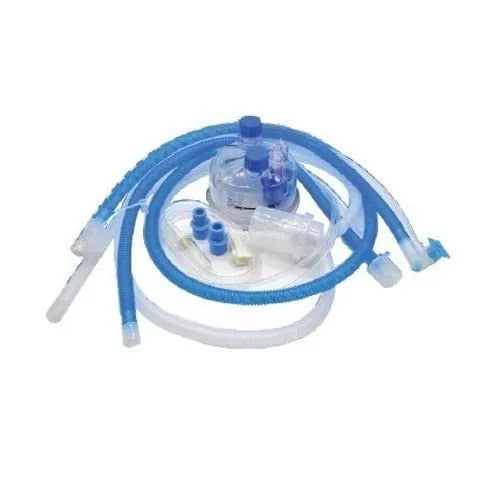
Single Heated Wire Ventilator Circuit With Chamber (Pack of 2)
Type: MeddeyGo
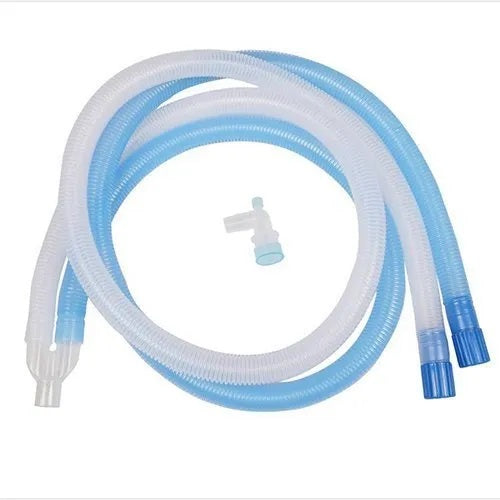
Ventilator Disposable Double Water trap Circuit
Type: Anesthesia
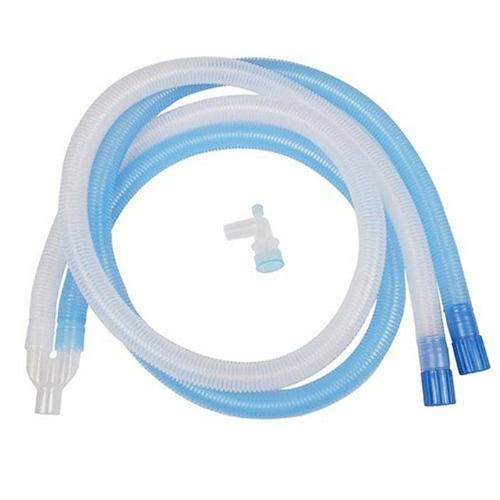
VentiFlex Ventilator Circuit Plain Dual Limb Adult

Type: Anesthesia Products
Ventilator Disposable Double Water trap Circuit (Pack of 3)


Type: General
Ventilator Circuit Plain Delux

Type: Anesthesia
Ventilator Tubing with Double Water Trap Breathing Circuit

Type: Anesthesia Products
Ventilator Disposable Single Water trap Circuit (Pack of 3)


Type: Anesthesia
Resmed Astral™ 150 Ventilator


Type: Anesthesia
Noccarc Multi Mode ICU Ventilator


Type: Anesthesia
AIRLOG 3 Portable Ventilator for Emergency Transport
Collection:
Types of Ventilators and Their Uses
During the height of the COVID-19 pandemic, the word ‘ventilator’ was everywhere—and frankly, it sounded terrifying. We pictured a patient in an ICU, completely reliant on a complex machine. But what if that image is only one part of the story? What if millions of people use a different kind of breathing support in their own bedroom every single night?
At its heart, a ventilator is simply a machine that helps you breathe. Think of it less as a device that "takes over" and more as a powerful assistant. The main purpose of any ventilator machine is to give your body a much-needed break, moving air gently into the lungs so you can use your energy to rest and heal. This support is the core answer to the question of what is a ventilator used for: it provides the time and space required for recovery.
You wouldn’t use a sledgehammer to hang a picture frame, and in the same way, doctors choose a ventilator based on a patient’s specific needs. Someone with a condition like sleep apnea might only require gentle air pressure from a mask to keep their airway open at night. In contrast, a patient who is unconscious after a major surgery may need a machine that does all the work through a breathing tube. This crucial difference is key to understanding these devices.
This distinction demystifies these life-saving tools. Ventilators are not a single, scary machine but a diverse set of instruments, from simple masks to complex ICU equipment, all designed for one fundamental purpose: to offer the vital gift of breath.
Before the Machine: Why Does Our Body Need Help Breathing?
To understand why someone needs a ventilator, it helps to first look at how breathing works. You might be surprised to learn that your lungs don't have any muscles of their own. They are passive, like two balloons. The real work is done by a large, powerful muscle below them called the diaphragm. When your diaphragm contracts and pulls down, it creates space, and your lungs fill with air. When it relaxes, the air is gently pushed out. It’s a simple and beautiful system that works tirelessly, thousands of times a day, without you ever having to think about it.
But this elegant system can break down, leading to a condition called respiratory failure—a medical emergency where the body can't get the oxygen it needs to survive. This can happen for two main reasons. Sometimes, the muscle itself fails; the diaphragm may become too weak from illness, injury, or anesthesia to do the work of pulling air in. Other times, the lungs become the problem. An infection like pneumonia can make them stiff and filled with fluid, making them incredibly difficult to inflate, no matter how hard the diaphragm works.
When this happens, the body faces a crisis. It’s exhausting all its energy on the simple act of breathing, and it’s losing the battle. This is precisely where outside help becomes necessary. If the body’s own breathing mechanism is broken or overwhelmed, a machine has to step in to provide the physical force needed to move air. It offers breathing support by doing the work for the diaphragm or the sick lungs, giving the body a crucial chance to rest, heal, and recover.
What Is a Ventilator, Really? A Simple Definition
So, what is the machine that steps in when breathing fails? At its core, a ventilator is a sophisticated pump for your lungs. It doesn't cure an illness like pneumonia or heal an injury, but it takes over the physical work of breathing when your body simply can't do it on its own. This allows the lungs and breathing muscles to rest, giving the body a crucial chance to recover.
Instead of your diaphragm pulling air in, a ventilator gently pushes a carefully measured breath into your lungs. This is a common point of confusion: a ventilator is different from an oxygen tank. While the air it delivers is often enriched with extra oxygen, its main job is to provide the mechanical force—the “push”—needed to inflate the lungs. Think of it this way: an oxygen mask just changes what you breathe, but a ventilator helps with the physical act of breathing.
By performing this essential task, the ventilator gives a patient’s body a precious gift: rest. The energy once spent struggling for air can be redirected toward fighting off infection or recovering from surgery. But just as there are different ways to offer support, there are different ways for a ventilator to connect to a patient. The first and most important difference comes down to a simple question: does it use a mask, or does it require a breathing tube?
The First and Most Important Difference: A Mask or a Breathing Tube?
That question—mask or tube—gets to the heart of the two main categories of ventilation. The first, and gentlest, is called non-invasive ventilation. The name says it all: nothing “invades” the body. Instead, this method uses a snug-fitting mask over the nose and/or mouth to deliver pressurized air. If you’ve ever seen someone use a CPAP machine for sleep apnea, you’ve seen non-invasive ventilation in action. It's often used when a person is conscious and just needs some extra support to make breathing less exhausting or to keep their airway open.
For more serious situations, however, a mask isn’t enough. This is when doctors turn to invasive ventilation. This method requires a breathing tube (also called an endotracheal tube) that is carefully guided through the mouth or nose, past the vocal cords, and directly into the windpipe. By creating this secure path to the lungs, doctors can ensure air gets exactly where it needs to go. This approach is essential for patients who are unconscious, under heavy sedation for a major surgery, or so critically ill that they cannot control or protect their own airway.
Ultimately, the choice between a mask and a breathing tube comes down to how much help a patient needs. Is their body still doing most of the work, just needing a little push? Or do their lungs and airway need a complete rest to allow for healing? While the breathing tube is what most people picture when they hear ‘ventilator,’ many patients first receive support using the gentler, non-invasive approach.

Non-Invasive Support: How Masks Like CPAP and BiPAP Offer a Helping Hand
Perhaps the most familiar example of non-invasive ventilation is one you can find outside the hospital entirely: the treatment for sleep apnea. This common condition causes a person’s airway to relax and collapse during sleep, repeatedly stopping their breathing for brief moments. The result is poor sleep and a strain on the body. This is a perfect job for a machine that can gently prop the airway open without needing a breathing tube.
To solve this, doctors often prescribe a CPAP machine. The name stands for Continuous Positive Airway Pressure, and it does exactly what it says: it delivers one steady, gentle stream of pressurized air through a mask. Think of it like a constant, quiet breeze that keeps a tent flap from closing. This continuous airflow acts as an invisible support, holding the soft tissues of the throat open so the person can breathe easily all night. Because they are so widely used in this way, CPAP devices are one of the most common types of home ventilators.
For some people, however, breathing out against that constant pressure can feel difficult or uncomfortable. That’s where a similar device, the BiPAP machine, comes in. The "Bi" stands for "Bilevel," meaning it uses two different pressure levels. This makes the machine's support feel a bit more natural.
-
CPAP (Continuous Positive Airway Pressure): Delivers one steady stream of air to keep the airway open.
-
BiPAP (Bilevel Positive Airway Pressure): Delivers a higher pressure when you breathe in and a lower pressure when you breathe out.
While these devices are most famous for helping people sleep, the same technology is crucial in hospitals. A BiPAP machine for respiratory failure, for example, can help a conscious but struggling patient take fuller breaths, giving their tired muscles a much-needed rest. But when exactly do doctors in a hospital choose to use these masks for more serious illnesses?
When Are Masks Used in the Hospital for Serious Illness?
While home use for sleep apnea is common, non-invasive ventilation truly shows its power inside the hospital. Imagine a patient who is awake and breathing on their own, but an illness like severe pneumonia or a flare-up of chronic obstructive pulmonary disease (COPD) has made every breath feel like a desperate, exhausting effort. Their breathing muscles are working overtime, like a sprinter forced to run a marathon without rest. They simply can’t get enough air to keep up, and they’re starting to tire out. This is a critical moment where a doctor might turn to a device like a BiPAP machine.
In this situation, the mask isn't just keeping an airway open—it's actively helping the patient breathe. By providing a higher pressure on the inhale, the machine gives the lungs a helpful push, making each breath deeper and more effective. Then, it lowers the pressure on the exhale, allowing the patient to breathe out comfortably. This breathing support does two crucial things: it gets more oxygen into the body and, just as importantly, it gives the patient’s exhausted respiratory muscles a much-needed break. This allows their body to redirect its energy from the struggle to breathe toward fighting off the actual infection.
Ultimately, the goal of using a BiPAP machine for this type of respiratory failure is to prevent a more serious step: invasive ventilation. By providing immediate support with a mask, doctors can often help a patient turn a corner, catch their breath, and begin to recover without ever needing a breathing tube. It’s a powerful, less invasive tool that can stop a downward spiral. But what happens when a patient is too sick or unconscious, and this kind of support isn’t enough?
Invasive Ventilation: When Full Breathing Support Is Life-Saving
When a person is unconscious, has suffered a catastrophic injury, or is so critically ill that their body can no longer perform the basic function of breathing, a mask is no longer an option. This is the moment for invasive ventilation, a form of life support where a machine takes over the work of breathing completely. To do this, a secure and direct pathway to the lungs must be created, which requires the use of a breathing tube.
The medical term for placing this tube is intubation. While it may sound intimidating, it is a carefully controlled procedure performed by a highly trained medical team. The patient is given medication to make them fall deeply asleep and feel no discomfort. A flexible plastic tube is then gently guided through the mouth and down into the trachea, which is the main airway or windpipe. This creates a closed, protected path, ensuring that every bit of oxygen-rich air delivered by the ventilator goes exactly where it's needed: deep into the lungs.
This level of life support is reserved for the most serious situations. It is essential for patients who are in a coma from a head injury or who are under general anesthesia for major surgery, as the medications used can stop the body’s natural drive to breathe. It’s also a lifeline for those experiencing complete respiratory failure, where the lungs have effectively shut down. This can be caused by conditions like severe pneumonia or Acute Respiratory Distress Syndrome (ARDS), a rapid and severe form of lung injury where the lungs fill with fluid and cannot absorb oxygen on their own.
In all these cases, the ventilator isn't just giving the breathing muscles a rest; it is performing the entire act of breathing for the patient. By taking on this vital function, the machine provides the body with the time and oxygen it needs to heal from overwhelming illness or trauma. It is a bridge back to life when a person cannot cross on their own. But how does the machine itself actually perform this complex and delicate task?
How Does a Hospital Ventilator Actually Work?
At its heart, a modern hospital ventilator works on a principle called positive pressure. This is the opposite of how you’re breathing right now. Your natural breath works by creating a vacuum (negative pressure) in your chest, which pulls air into your lungs. A ventilator, connected to a breathing tube, does the reverse: it gently pushes a precise mixture of air and oxygen into the lungs. Think of it like carefully inflating a balloon—the machine provides just enough pressure to help the lungs expand, delivering life-sustaining oxygen.
But a ventilator isn’t a simple on-off device that just pumps air. It’s an incredibly sophisticated partner in the patient’s care. A medical team tailors the machine’s settings to each individual’s unique needs. They can control the breathing rate, setting how many breaths the machine delivers per minute. They also customize the volume or pressure of each breath, ensuring a smaller person or someone with fragile lungs receives a gentler breath than a larger person. These settings are monitored constantly and adjusted as the patient’s condition changes, ensuring the support is always just right.
This carefully controlled process mimics the rhythm of natural breathing. The ventilator actively handles the work of inhaling by delivering the programmed breath. Once the lungs are full, the machine pauses. In that moment, the body’s natural elasticity takes over. The chest wall and lungs, which were stretched by the incoming air, simply relax and spring back to their resting size, pushing the air out. This exhale is often a passive, natural process. The ventilator does the heavy lifting, allowing the body to rest and heal.
While these machines are technological marvels, the need for one always prompts a serious question about the patient’s condition.
Answering the Hard Question: Is a Ventilator Patient Always Serious?
It’s the question that often follows when you hear a loved one is on a ventilator: just how serious is it? When a patient needs an invasive ventilator—the kind with a breathing tube we’ve been discussing—the answer is yes, their condition is critical. It means their body has become too ill or injured to perform the most basic function of life on its own. Needing this level of support signifies a major medical crisis where the lungs, or the muscles that control them, have failed.
Because this situation is so fragile, ventilator care almost always happens in a special part of the hospital: the Intensive Care Unit, or ICU. Think of the ICU as the center for the hospital's most advanced care, where the sickest patients receive constant attention. A patient on a ventilator isn't just connected to a machine and left alone; they are surrounded by a dedicated team of doctors, nurses, and respiratory therapists. This team monitors them minute-by-minute, adjusting the ventilator’s support as their body responds, ensuring the help they receive is always perfectly matched to what they need.
The term often used for this is "life support," which can sound frightening and final. However, a more accurate way to think of it is healing support. By taking over the physically demanding job of breathing, the ventilator gives the body a profound gift: rest. This frees up the patient’s precious energy to be used for what truly matters—fighting off a severe infection like pneumonia, recovering from major surgery, or mending from a serious injury. The machine isn't just passively sustaining life; it’s actively creating the window of opportunity for the body to heal itself.
This intensive level of care highlights a crucial distinction, however. While an invasive ventilator signals a critical illness, not all machines that help with breathing are the same. People often see patients with simple oxygen masks and wonder if that's also a type of ventilator. Understanding the real difference is key to knowing just how much help a person truly needs.
Oxygen vs. Ventilator: What’s the Real Difference?
You’ve likely seen a patient in a hospital bed with a clear plastic tube resting just inside their nostrils. This is the most common form of supplemental oxygen, and it’s fundamentally different from a ventilator. Think of it this way: if your body is a car, supplemental oxygen is like using higher-quality fuel. It enriches the air you’re already breathing on your own, making it easier for your lungs to absorb the oxygen they need. A ventilator, on the other hand, is like having someone else push the gas pedal for you. It does the physical work of moving air into your lungs when you’re too weak to do it yourself.
The choice between these two types of breathing support comes down to one question: are the patient's breathing muscles tired? A person who can still breathe comfortably but has low oxygen levels might only need a nasal cannula (the small tube in the nose) to boost their oxygen intake. However, if an illness has made them so weak that the simple act of inhaling and exhaling is exhausting, they need mechanical help. This is where a ventilator steps in, using a mask (non-invasive ventilation) or a breathing tube to take over the labor of breathing, giving their muscles a vital rest.
It’s helpful to see these tools as part of a spectrum. A patient with pneumonia might start on supplemental oxygen. If the infection worsens and they become too tired to breathe effectively, doctors may move them to a ventilator. The question isn't "which is better, an oxygen or a ventilator?" but rather, "what level of support does this person need to heal?" This flexible approach is key in the hospital, but it also raises another question: can this kind of support ever be used at home?

Can a Ventilator Be Used at Home? Exploring Portable Options
While we often picture ventilators tethered to a wall in an intensive care unit, a different class of these machines offers freedom and stability to people at home. For patients with chronic respiratory weakness from conditions like muscular dystrophy, ALS, or a high spinal cord injury, breathing is a constant physical challenge. Once their condition is stable, a hospital is no longer the best place for them. This is where portable ventilators come in. These compact, often battery-powered devices are designed to provide consistent breathing support, allowing individuals to live fulfilling lives outside a clinical setting.
For those who need invasive support long-term, a breathing tube running through the mouth or nose isn't a practical solution. It’s uncomfortable and prevents speaking. To address this, doctors can perform a procedure called a tracheostomy. This creates a small, surgically-made opening in the front of the neck that leads directly to the windpipe, where a much shorter and more secure tube is placed. Though it may sound intimidating, a tracheostomy is often more comfortable for long-term ventilated patients, is easier for caregivers to manage, and can sometimes allow for speech with the use of a special valve.
This technology transforms a ventilator from a temporary crisis tool into a permanent life-enabler. The goal of a home ventilator is to give a person their life back, not to confine them. With the help of portable home ventilators and dedicated tracheostomy care, people can leave the hospital, return to their families, and regain a significant measure of independence. Of course, managing such sophisticated medical equipment at home doesn’t come without challenges. It’s crucial to also understand the potential risks and how doctors and families work together to manage them safely.
Understanding the Risks and How Doctors Manage Them
Placing a patient on a ventilator is a life-saving decision, but like any major medical intervention, it isn’t without risks. Medical teams are highly aware of these challenges and work constantly to prevent them. One of the primary concerns is the risk of infection. A breathing tube can sometimes act as a pathway for germs to enter the lungs, potentially leading to a specific type of lung infection called Ventilator-Associated Pneumonia (VAP). To combat this, hospital staff follow strict hygiene protocols, including keeping the patient’s head elevated and meticulously cleaning their mouth and the equipment.
Another significant consideration is muscle weakness. Your diaphragm is the main muscle that powers your breathing, and just like any other muscle, it follows a "use it or lose it" rule. When a ventilator does all the work, the diaphragm can become weak from lack of use. This can make it harder for a patient to start breathing on their own again later. To prevent this, doctors often adjust the ventilator’s settings as soon as the patient is stable enough. They allow the patient to take some of their own breaths, with the machine providing just enough assistance. This acts like a form of physical therapy, keeping the breathing muscles active and strong.
It’s important to remember that doctors only recommend mechanical ventilation when the immediate danger of not being able to breathe outweighs these potential risks. The decision is never made lightly. Throughout a patient's time on a ventilator, the entire care team is focused on one goal: supporting the body so it can heal. They constantly monitor for complications and work proactively to protect the patient, with the ultimate aim of helping them recover enough to breathe on their own once more. This careful process of strengthening the lungs and reducing support is the first step on the road to recovery.
The Road to Recovery: How Patients Are "Weaned" From a Ventilator
The ultimate goal for nearly every patient placed on a ventilator is to one day breathe completely on their own again. This journey back to independent breathing isn’t like flipping a switch; it’s a careful, gradual process known as “weaning.” The term comes from the idea of slowly reducing dependence on something. In ventilator care, weaning from mechanical ventilation means the medical team is methodically decreasing the machine’s support as the patient’s own strength and lung function return.
Think of the process like physical therapy for the lungs. You wouldn't go from a leg cast straight to running a marathon; you’d slowly start putting weight on it with guidance. Similarly, as a patient recovers, doctors will test their readiness by adjusting the ventilator to provide less help for short periods. They closely monitor breathing and comfort to see how the patient handles the increased workload. If all goes well, these periods of "breathing practice" get longer and more frequent over time.
Successfully getting off a ventilator is a major milestone and a clear sign of healing. This deliberate weaning process can take hours, days, or even weeks, moving at a pace that is safe and comfortable for the patient. It’s a testament to both the individual's resilience and the care team's expertise. Each step forward is a celebration, bringing the patient closer to leaving the machine behind for good and taking that first, independent breath.
What About Ventilators for the Smallest Patients?
What happens when the patient is a newborn or a small child? The powerful machines designed for a fully grown person are not suitable for the smallest, most fragile bodies, so the world of ventilation has a specialized branch just for them.
The reason for this is simple but critical: a child's respiratory system isn't just a miniature version of an adult's. A baby's lungs are incredibly delicate, their airways are narrower, and they naturally breathe much more quickly. Using a standard adult ventilator on a premature infant would be like trying to water a tiny, fragile seedling with a firehose—the pressure and volume would be far too overwhelming. These little patients require a much gentler and more precise touch.
To meet these unique needs, doctors use pediatric and neonatal ventilators. These machines are marvels of engineering, designed to deliver smaller, faster, and more sensitive puffs of air that match a baby’s natural breathing patterns. They can detect even the faintest attempt by an infant to take a breath and provide immediate, perfectly timed support. This tailored approach ensures that even the most vulnerable patients receive the exact breathing support they need to rest, heal, and grow stronger.
A Tool for Healing: Tying It All Together
The word “ventilator” often brings a single, intimidating image to mind: a complex machine for the most critical situations. However, the reality is far more nuanced. Understanding the fundamental difference between a non-invasive mask that assists breathing and the invasive mechanical ventilation required when a patient cannot breathe on their own is key to transforming a once-frightening term into a clear concept.
These devices should be seen as a diverse set of tools, each tailored to a specific need—from a simple CPAP mask used at home to a sophisticated ICU machine providing complete life support. The common thread is that they are not a cure, but a powerful form of healing support.
Ultimately, the goal is to replace fear with clarity. Ventilators are a sophisticated technology designed to provide rest, support the body’s ability to heal, and offer one of life's most essential gifts: the chance to take the next breath.