
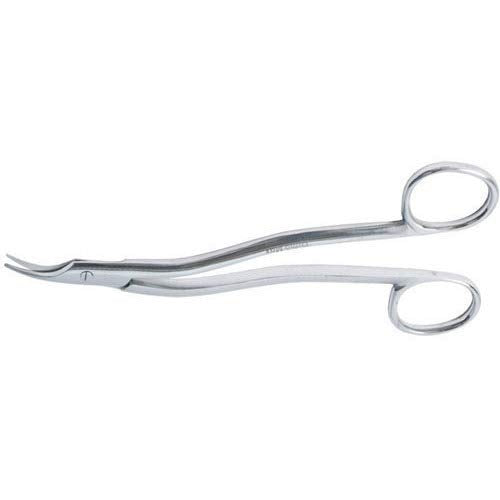
Type: General Instruments
Suture Cutting Scissor 6 inch
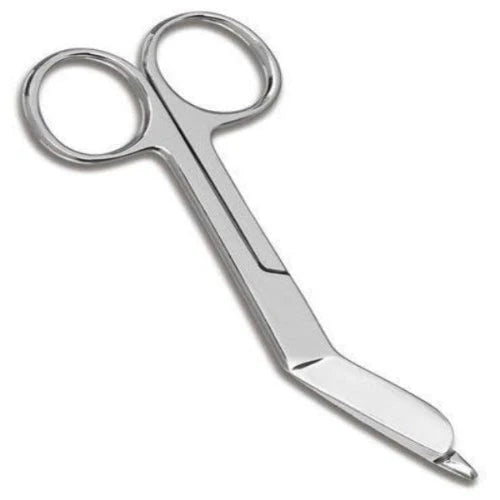
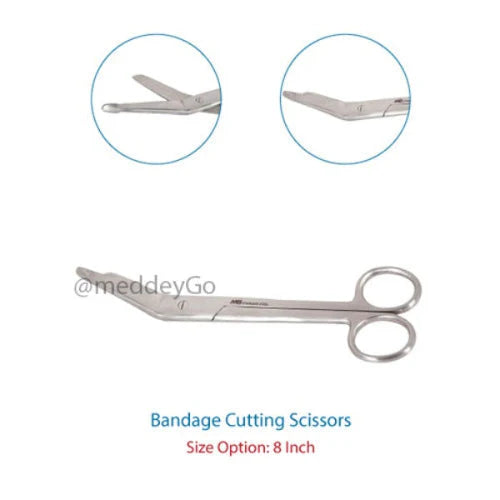
Type: Instruments
Bandage and Plaster Cutting Scissor 7.5 Inch
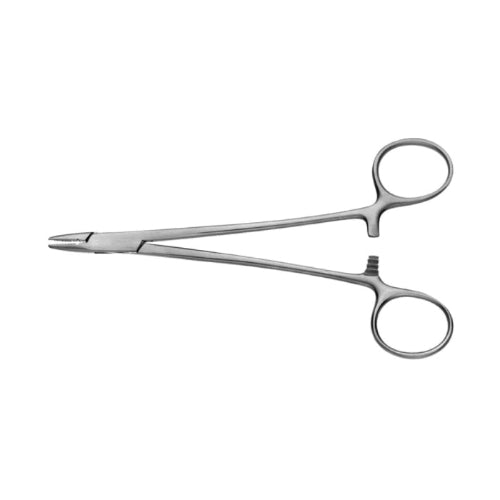
Type: General Instruments
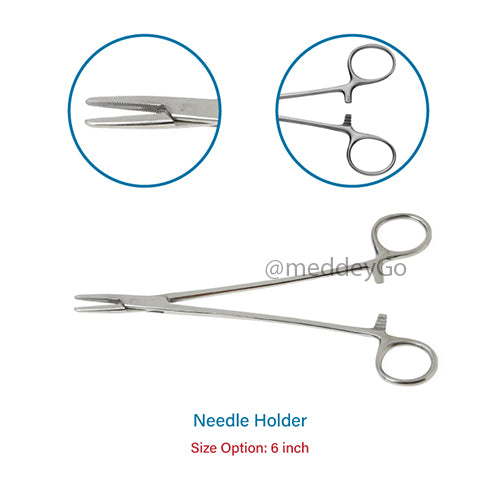
Needle Holder Surgical Instrument
Type: General Instruments
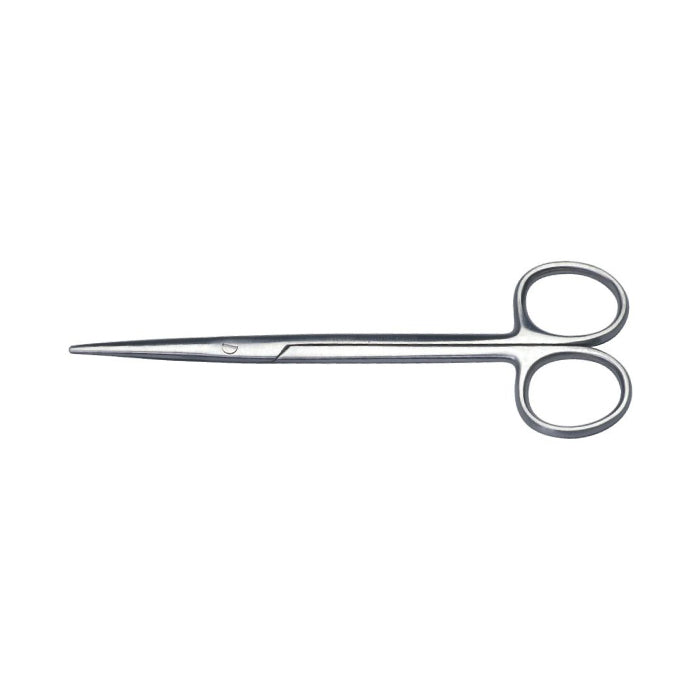
Metzenbaum Scissor Surgical Instrument
Type: General Instruments
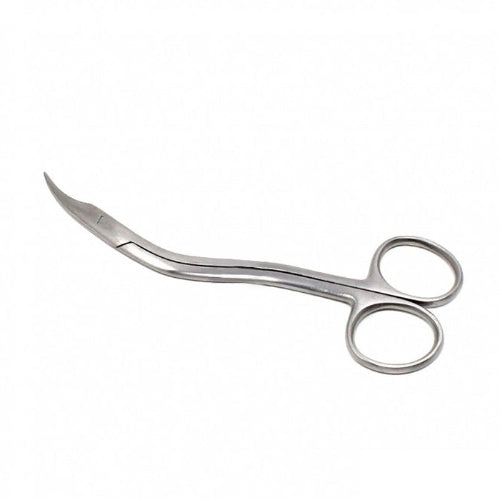
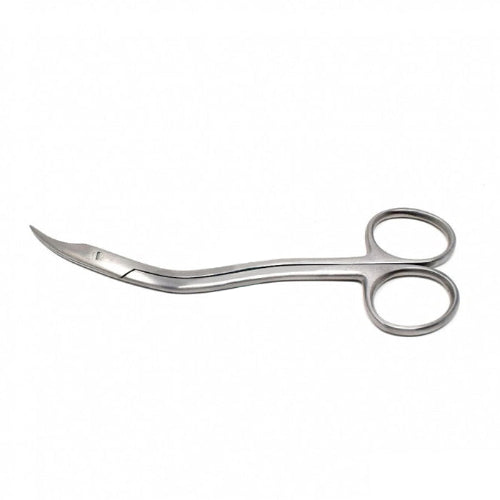
Suture Cutting Scissors SS Delux Quality


Type: General Instruments
Skin Grafting Blade Carbon Steel Sterile
Type: Instrument
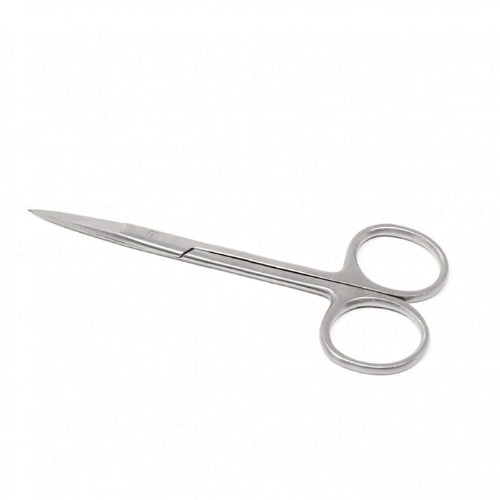
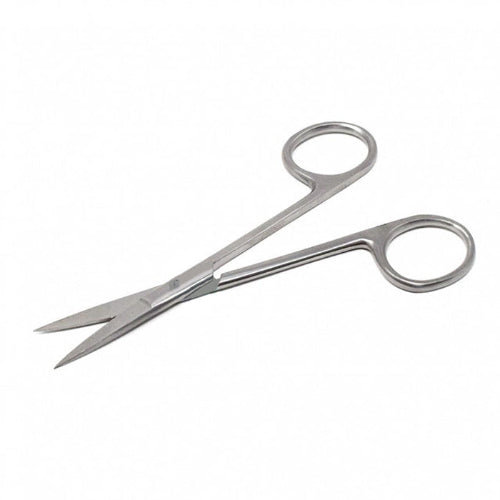
Cuticle Scissors (Straight)


Type: General Instruments
Suture Cutting Scissor Stainless Steel 6 Inch
Type: Surgical Scissors
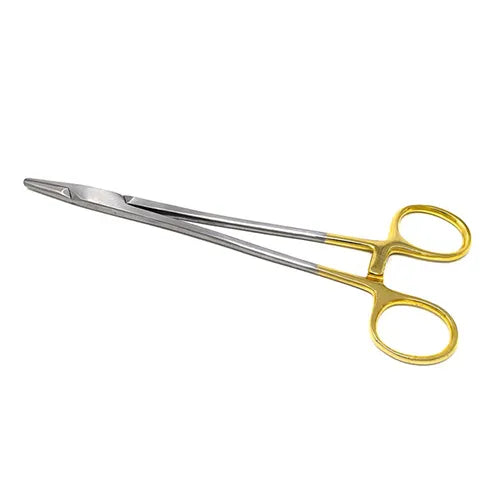
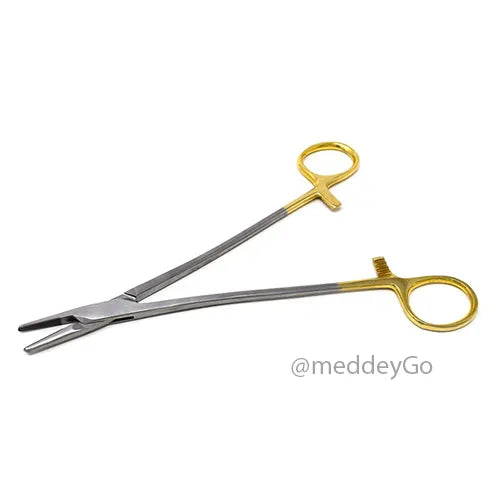
Tungsten Carbide (TC) Mayo Hegar Needle Holder
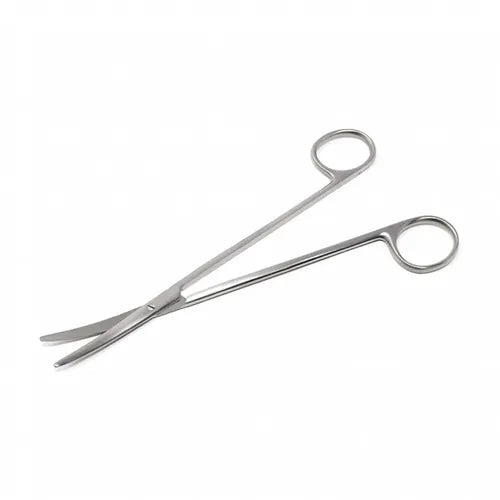
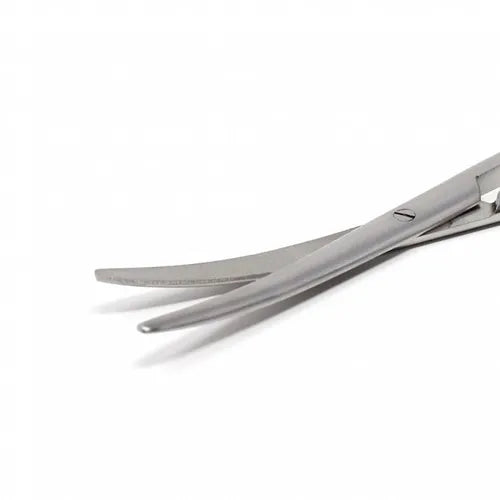
Type: Instruments
Tonsil Scissors (Curved)
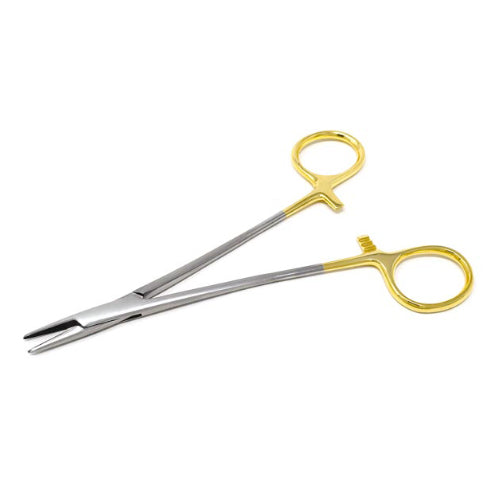
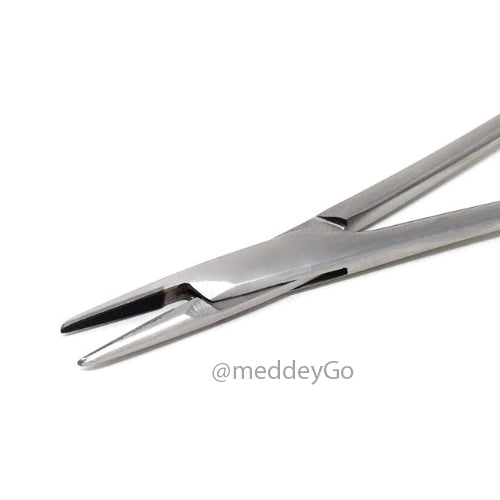
Type: Surgical Scissors
Tungsten Carbide (TC) DeBakey Needle Holder

Type: MeddeyGo
Mayo Scissor Surgical Instrument


Type: Medansh
Dressing Surgical Scissor Straight

Type: Forceps
Vulsellum Forceps SS Delux Quality
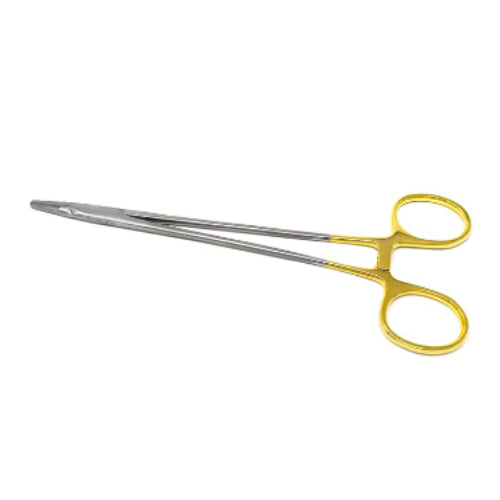
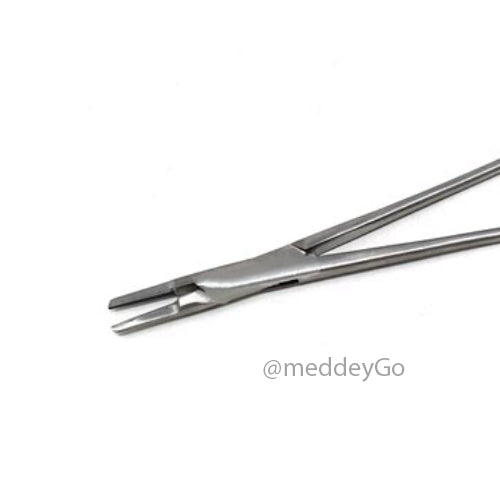
Type: Surgical Scissors
Tungsten Carbide (TC) Ryder Needle Holder
Collection:
Understanding Mayo Surgical Scissors

Mayo scissors are a type of surgical scissors designed for cutting body tissues near the surface of a wound. These scissors are robust and have a more substantial build compared to other surgical scissors, making them ideal for cutting tougher tissues such as fascia and sutures. Mayo scissors can be straight or curved, with each type serving different surgical needs.
The Origins and Naming
Mayo scissors derive their name from the Mayo Clinic, a renowned medical center in the United States known for its innovative surgical techniques. The naming signifies the instrument's origin in a place of surgical excellence, underscoring their importance in surgical procedures. The Mayo Clinic has a long history of surgical innovation, and the instruments that bear its name are a testament to its commitment to advancing medical practices.
Design Characteristics
The design of Mayo scissors is integral to their function. Their robust build allows them to withstand the pressure required to cut through dense tissues. Unlike finer scissors, the blades of Mayo scissors are crafted to maintain sharpness and durability even after repeated use. Their ergonomic design ensures comfort and precision, enabling surgeons to maintain a steady hand during delicate procedures.
Material Composition
Mayo scissors are typically made from high-quality stainless steel, which offers durability and resistance to corrosion. This material choice ensures that the scissors remain sharp and effective throughout numerous sterilization cycles. The use of stainless steel also means that Mayo scissors can be reliably used in a variety of surgical environments, maintaining their integrity and performance over time.
Types of Mayo Surgical Scissors
Understanding the different types of Mayo scissors is crucial for their effective application in surgery.
Straight Mayo Scissors
Straight Mayo scissors are primarily used for cutting sutures and other materials in the operating room. Their straight design allows for precise cutting and is particularly useful when a clean, straight cut is needed. The straight blade is favored for its ability to access and cut materials on the surface level, contributing to quick and efficient surgical procedures.
Curved Mayo Scissors
Curved Mayo scissors, on the other hand, are used for cutting thicker tissues. The curved design facilitates deeper penetration into the wound, allowing surgeons to navigate around structures and dissect tissues with greater ease. The curvature of the blades enables precise maneuvering, which is essential in avoiding damage to surrounding tissues during intricate procedures.
Specialized Mayo Scissors
There are specialized variants of Mayo scissors designed for specific surgical contexts. Some may feature micro-serrations on the blades to provide a better grip on slippery tissues. Others might have a tungsten carbide insert for added durability and precision. These specialized features enhance the versatility and applicability of Mayo scissors across different surgical scenarios.
Mayo Scissors vs. Other Surgical Scissors

Differentiating Mayo scissors from other surgical scissors is vital for their appropriate application in medical procedures.
Mayo Scissors vs. Metzenbaum Scissors
One of the common comparisons is between Mayo scissors and Metzenbaum scissors. While both are used in surgical procedures, Mayo scissors are more robust and suited for cutting denser tissues, whereas Metzenbaum scissors are finer and used for cutting delicate tissues. The latter are longer and have a more slender build, making them ideal for more precise work in delicate areas. Understanding these differences helps surgical teams select the appropriate tool for each task, ensuring both effectiveness and safety.
Mayo Scissors vs. Suture Scissors
Another comparison often made is between Mayo scissors and suture scissors. Suture scissors are specifically designed for cutting sutures and have a distinctive hook on one blade to facilitate this. Conversely, Mayo scissors have a broader application and are used for cutting both sutures and body tissues. The versatility of Mayo scissors makes them a valuable tool in the surgical suite, reducing the need for multiple instruments and thereby streamlining the surgical process.
Mayo Scissors vs. Iris Scissors
Iris scissors are another type of surgical scissors, primarily used for ophthalmic procedures and fine dissection work. Unlike Mayo scissors, which are robust and designed for heavier tasks, Iris scissors are delicate and precise, suitable for cutting fine tissues. Recognizing when to use Iris scissors over Mayo scissors can be critical in surgeries that require high precision and minimal tissue damage.
Applications of Mayo Scissors in Surgery
Mayo scissors are a versatile tool in the surgical suite, with applications that extend beyond cutting sutures and tissues.
Cutting Tough Tissues
Their robust design makes them ideal for cutting tough tissues such as the fascia. Surgeons rely on them when precision and strength are required to dissect these denser tissues. The ability of Mayo scissors to cut through such tough materials makes them indispensable during surgeries that involve muscular and connective tissues.
Suturing and Tissue Dissection
Mayo scissors are also employed in suturing, where their straight design allows for efficient cutting of sutures during and post-surgery. The curved variant of Mayo scissors facilitates tissue dissection, allowing surgeons to navigate and separate tissues without causing damage to surrounding structures. This dual functionality supports various surgical needs, from closing incisions to preparing sites for further surgical intervention.
Versatile Surgical Assistance
Beyond their primary functions, Mayo scissors are often used in a variety of unexpected surgical tasks. They may assist in the preparation of grafts or in the trimming of prosthetic materials. Their versatility supports a wide range of surgical procedures, making them a staple in operating rooms worldwide.
The Importance of Mayo Scissors in the Operating Room

Ensuring Surgical Precision
Mayo scissors are integral to maintaining precision during surgical procedures. Their design and functionality allow surgeons to perform tasks with accuracy, reducing the risk of error and enhancing patient outcomes. Precision in surgery is critical, as it minimizes trauma to the patient and supports faster, more effective healing.
Enhancing Surgical Efficiency
The efficiency of surgical procedures is significantly enhanced by the use of Mayo scissors. Their ability to cut through tough tissues quickly and cleanly helps to streamline operations, reducing the time patients spend under anesthesia and improving recovery times. This efficiency not only benefits patients but also optimizes the workflow within the surgical team.
Maintaining Sterility and Safety
The construction of Mayo scissors supports effective sterilization, a crucial factor in maintaining a sterile surgical environment. Their stainless steel composition ensures that they can be autoclaved repeatedly without degradation. This reliability is essential in preventing infections and ensuring the overall safety of surgical procedures.
Considerations for Healthcare Providers
For hospital administrators and medical equipment distributors, understanding the role and utility of Mayo scissors is essential in making informed procurement decisions.
Quality and Reliability
When sourcing Mayo scissors, quality and reliability are paramount. Ensuring that these instruments meet industry standards and are crafted from high-quality materials will contribute to better surgical outcomes and longer instrument life. High-quality Mayo scissors reduce the risk of surgical complications, enhancing both patient safety and surgical success.
Cost-Effectiveness
Balancing cost with quality is a challenge that hospital administrators often face. While Mayo scissors are a critical investment, it's important to source them from reputable suppliers that offer competitive pricing without compromising on quality. Investing in durable, reliable instruments can ultimately lead to cost savings by reducing the need for frequent replacements.
Staying Informed on Innovations
Keeping abreast of the latest advancements in surgical instruments, including Mayo scissors, can provide healthcare providers with a competitive edge. Innovations in design and materials can lead to improved performance and new applications in surgery. Staying informed about these developments ensures that healthcare facilities remain at the forefront of medical technology, offering the best possible care to patients.
Conclusion
Mayo surgical scissors are an indispensable tool in the operating room, offering versatility and precision that are critical for successful surgical outcomes. Understanding their applications, differences from other surgical scissors, and considerations for procurement can empower hospital administrators, medical equipment distributors, and healthcare technology consultants to make informed decisions that enhance patient care.
As the healthcare landscape continues to evolve, staying informed about surgical tools like Mayo scissors will be crucial for maintaining excellence in medical care and optimizing surgical processes. By investing in high-quality surgical instruments and embracing innovations, healthcare providers can continue to deliver superior patient outcomes and achieve operational efficiency in the ever-changing medical field.
Mayo Surgical Scissors Q&A
Question: What are Mayo surgical scissors, and why are they named “Mayo”?
Short answer: Mayo scissors are robust surgical scissors designed for cutting body tissues near the surface of a wound, especially tougher structures like fascia and sutures. They take their name from the Mayo Clinic, reflecting the instrument’s origins in a center known for surgical excellence and innovation. The association underscores their importance and longstanding role in advancing surgical practice.
Question: When should straight versus curved Mayo scissors be used?
Short answer: Use straight Mayo scissors for surface-level tasks such as cutting sutures and other materials where a clean, linear cut is needed. Choose curved Mayo scissors for dissecting and cutting thicker tissues deeper in a wound; their curvature helps navigate around structures, penetrate deeper, and maneuver precisely to minimize damage to surrounding tissues.
Question: How do Mayo scissors differ from Metzenbaum, suture, and Iris scissors?
Short answer: Compared with Metzenbaum scissors, Mayo scissors are more robust and intended for denser tissues, while Metzenbaum scissors are finer, longer, and better for delicate tissue work. Suture scissors are specialized for cutting sutures and often feature a hook on one blade; Mayo scissors have broader utility, handling both sutures and tissues to reduce instrument changes. Iris scissors are delicate instruments used primarily in ophthalmic and fine dissection tasks, whereas Mayo scissors are built for heavier cutting.
Question: What are the primary surgical applications and benefits of Mayo scissors?
Short answer: Mayo scissors are used to cut tough tissues like fascia, to cut sutures efficiently (typically with the straight variant), and to dissect tissue carefully (typically with the curved variant). Their design supports surgical precision and efficiency—clean, strong cuts help streamline procedures, reduce time under anesthesia, and improve workflow. Made of high-quality stainless steel, they withstand repeated sterilization (e.g., autoclaving) without degrading, supporting sterility and patient safety. Specialized options—such as micro-serrated blades for better grip on slippery tissue or tungsten carbide inserts for added durability—further expand their utility.
Question: What should healthcare providers consider when procuring Mayo scissors?
Short answer: Prioritize quality and reliability—choose instruments that meet industry standards and use high-quality materials to ensure long life and consistent performance. Balance cost-effectiveness with durability to avoid frequent replacements. Stay informed about design and material innovations (e.g., micro-serrations, tungsten carbide inserts) that can improve performance and broaden surgical applications, keeping your facility current and optimizing patient outcomes.