Skip to content

India’s Go to Platform for Medical Supplies Procurement

VentiFlex Sodalime for Ventilator CO2 Color Change

Type: Anesthesia

VentiFlex Sodalime for Ventilator CO2 Color Change

Regular price Rs. 999
Sale price Rs. 999 Regular price Rs. 2,000
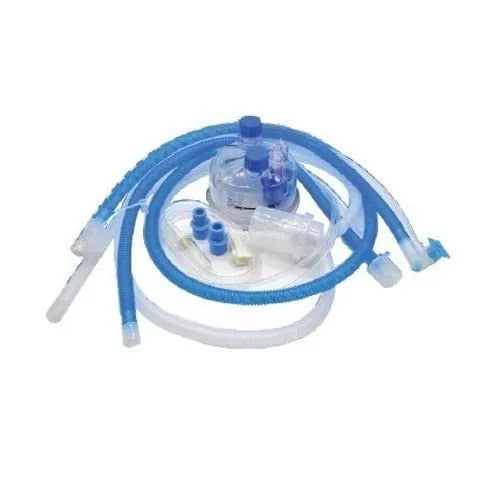
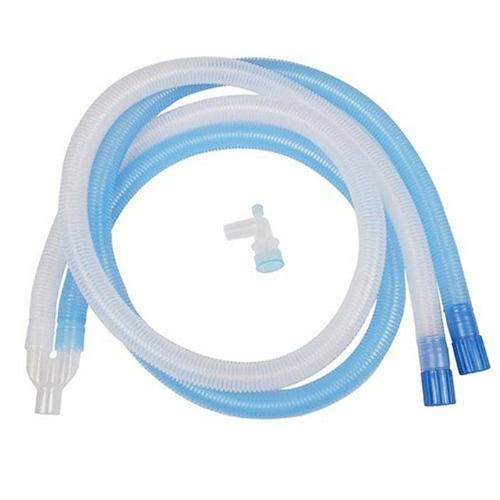
Single Heated Wire Ventilator Circuit With Chamber

Type: anesthesia

Single Heated Wire Ventilator Circuit With Chamber (Pack of 2)

Regular price From Rs. 1,693
Sale price From Rs. 1,693 Regular price Rs. 5,148
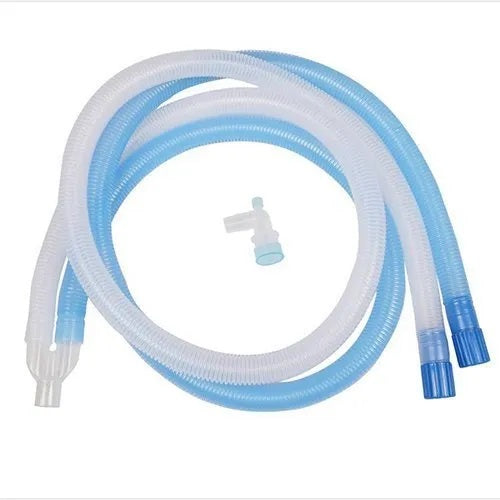
Vented CPAP BIPAP Mask

Type: Respiratory

Vented CPAP BIPAP Mask

Regular price From Rs. 919
Sale price From Rs. 919 Regular price Rs. 1,840
Ventilator Disposable Double Water trap Circuit

Type: MeddeyGo

Ventilator Disposable Double Water trap Circuit

Regular price From Rs. 250
Sale price From Rs. 250 Regular price Rs. 399
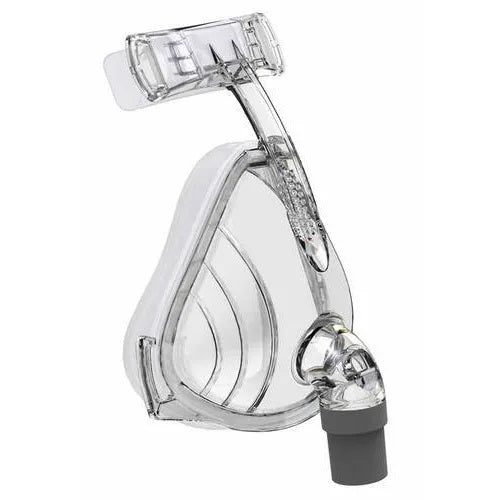
VentiFlex Ventilator Circuit Plain Dual Limb Adult

Type: Anesthesia

VentiFlex Ventilator Circuit Plain Dual Limb Adult

Regular price Rs. 239
Sale price Rs. 239 Regular price Rs. 368
Ventilator Disposable Double Water trap Circuit (Pack of 3)

Type: Anesthesia Products

Ventilator Disposable Double Water trap Circuit (Pack of 3)

Regular price Rs. 825
Sale price Rs. 825 Regular price Rs. 1,650
ventilator circuit plain

Type: General

Ventilator Circuit Plain Delux

Regular price From Rs. 857
Sale price From Rs. 857 Regular price Rs. 1,468
ventilator tubing

Type: Anesthesia

Ventilator Tubing with Double Water Trap Breathing Circuit

Regular price Rs. 350
Sale price Rs. 350 Regular price Rs. 500
bipap ventilator

Type: Anesthesia

ResPlus BiPAP Machine with Humidifier for Sleep Care

Regular price Rs. 26,390
Sale price Rs. 26,390 Regular price Rs. 42,780
premium cpap bipap tubing

Type: Respiratory

Premium CPAP BiPAP Tubing

Regular price From Rs. 1,214
Sale price From Rs. 1,214 Regular price Rs. 2,499
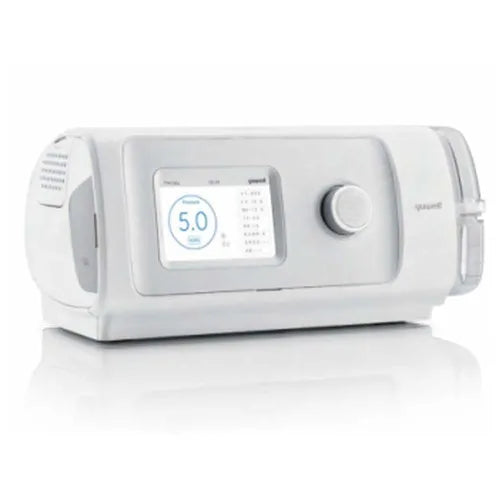
yuwell-bipap-830

Type: Anesthesia

BreathCare II Bi-Level PAP BIPAP with 2 Years Warranty

Regular price Rs. 44,499
Sale price Rs. 44,499 Regular price Rs. 78,200
Ventilator Disposable Single Water trap Circuit (Pack of 3)

Type: Anesthesia Products

Ventilator Disposable Single Water trap Circuit (Pack of 3)

Regular price From Rs. 972
Sale price From Rs. 972 Regular price Rs. 1,840
Resmed Astral™ 150 Ventilator

Type: Anesthesia

Resmed Astral™ 150 Ventilator

Regular price Rs. 412,000
Sale price Rs. 412,000 Regular price Rs. 590,000
noccarc multi mode icu ventilator

Type: Anesthesia

Noccarc Multi Mode ICU Ventilator

Regular price Rs. 533,139
Sale price Rs. 533,139 Regular price Rs. 598,000
portable ventilator

Type: Anesthesia

AIRLOG 3 Portable Ventilator for Emergency Transport

Regular price Rs. 132,239
Sale price Rs. 132,239 Regular price Rs. 207,000

Collection: BiPAP Machine: Nuanced Respiratory Support

Ventilator vs. BiPAP: Understanding the Spectrum of Respiratory Support

In the rapidly evolving landscape of 2026 healthcare, distinguishing between different types of respiratory support is crucial for both clinical outcomes and home-based care. The primary difference between a ventilator and a BiPAP (Bilevel Positive Airway Pressure) machine lies in the level of control they exert over the respiratory system. While a ventilator is a comprehensive life-support device designed to entirely take over the breathing process, a BiPAP machine serves as a sophisticated assistant, offering nuanced support to patients who can still initiate their own breaths but require pressure assistance to maintain oxygenation.

Ventilators are typically deployed when a patient's natural respiratory system is significantly compromised or entirely non-functional. These machines deliver a precise, calibrated mix of oxygen and air directly into the lungs, often through invasive means like intubation. In contrast, BiPAP machines are non-invasive by nature. They utilize two distinct pressure settings—Inspiratory Positive Airway Pressure (IPAP) and Expiratory Positive Airway Pressure (EPAP)—to make it easier for patients with conditions like COPD or Sleep Apnea to breathe without the extreme measures required in an ICU setting.

Ventilators: High-Stakes Critical Care

The use of a ventilator represents the highest tier of respiratory intervention. The most significant advantage of these machines is their ability to assist severely ill patients with comprehensive support, whether the need is invasive (via a breathing tube) or non-invasive. Modern ventilators in 2026 can be calibrated to supply incredibly precise levels of oxygen and air pressure, making them versatile across a wide range of medical contexts, from neonatal care to geriatric intensive care.

However, the power of a ventilator comes with specific challenges. Invasive ventilation can be uncomfortable and carries risks such as infections or ventilator-associated pneumonia. Long-term use can also lead to muscle weakening in the diaphragm, making the "weaning" process difficult. Furthermore, because these devices are expensive and technologically complex, they are almost exclusively found in hospital environments where constant medical supervision and potential sedation are available to manage complications.

BiPAP Machines: Targeted and Non-Invasive Support

For many patients, a BiPAP machine offers a more comfortable and accessible alternative to full ventilation. Because they are non-invasive and rely on a mask interface, they are significantly more patient-friendly and can be used to treat a diverse array of conditions including chronic obstructive pulmonary disease (COPD) and congestive heart failure. The ability to adjust pressure settings for both inhalation and exhalation makes them far more effective than basic CPAP machines for patients requiring specific respiratory assistance.

Despite these benefits, BiPAP machines have their limitations. They are inherently less powerful than ventilators and may not provide sufficient life support for critically ill or unconscious patients who cannot trigger their own breaths. Some patients may also struggle with mask discomfort or the sensation of high pressure, requiring regular professional adjustments to reach the optimal balance of comfort and efficacy. While more affordable and available through online retailers like MeddeyGo, they must still be used under clear medical guidance to ensure the patient's condition is appropriate for non-invasive support.

Selection Insight: Choosing between these devices depends entirely on the "Support Level" required. If a patient is fully dependent on a machine to live, a ventilator is mandatory. If the patient needs help opening their airways or clearing carbon dioxide but can still breathe on their own, a BiPAP is often the clinical preference.

The Spectrum of Invasiveness: From Masks to Intubation

One of the most defining technical differences between these two classes of respiratory equipment is their interface with the patient. Ventilators are designed for both invasive and non-invasive use. Invasive ventilation is often required in acute respiratory failure or surgical settings, where a breathing tube is inserted into the trachea. While life-saving, this method requires high-level clinical expertise and frequent monitoring for complications like barotrauma or infection.

On the other side of the spectrum, BiPAP machines are primarily non-invasive. They rely on specialized masks—ranging from full-face masks that cover the nose and mouth to minimalist nasal pillows—to deliver pressurized air. This non-invasive approach is widely preferred for long-term home care and "step-down" hospital units because it significantly reduces the risk of hospital-acquired infections and allows the patient to speak, eat, and communicate during breaks in therapy.

Leading Brands: ResMed, BMC, and Ventmed in 2026

As we navigate the medical technology landscape of 2026, a few key brands have set the standard for reliability and innovation in non-invasive ventilation. ResMed continues to lead the premium segment with its AirCurve 10 and Lumis series. These devices are renowned for their proprietary algorithms, such as ASV (Adaptive Servo-Ventilation), which adjusts to a patient's individual breathing patterns in real-time, offering a level of comfort that is often unmatched in the industry.

For those seeking robust performance at a more accessible price point, BMC and Ventmed have become highly trusted names. The BMC Resmart GII Y30T and the VentMed DS8 ST30 are clinical-grade machines that offer Spontaneous/Timed (S/T) modes, which are essential for treating complex conditions like COPD. Ventmed machines are particularly noted for their Automatic Synchronization Technology (AST), ensuring that the machine's pressure cycles perfectly align with the patient's natural rhythm, reducing the "fighting the machine" sensation common in older devices.

Investment and Availability: 2026 Pricing in India

The cost of respiratory support in 2026 is influenced by the device's sophistication, brand reputation, and built-in features like integrated humidifiers or cellular data tracking. While ventilators remain a major capital expense for hospitals, BiPAP machines have become a viable investment for home healthcare.

Brand / Model Category Approx. Price Range (INR) Best For
Entry-Level BiPAP (Ventmed/BMC) ₹22,000 – ₹35,000 Home care for COPD, Sleep Apnea, Snoring
Mid-Range BiPAP (ResMed AirCurve S/VAuto) ₹45,000 – ₹80,000 Patients seeking premium comfort & quiet operation
Advanced Clinical BiPAP (Lumis 150 / Philips A40) ₹95,000 – ₹1,50,000 Complex respiratory failure, ICU Step-down
Mechanical Ventilators (ICU Grade) ₹4,50,000+ Life-support in Hospitals & Critical Care Units

BiPAP vs. CPAP: Choosing the Right PAP Therapy

A frequent point of confusion for patients is the difference between CPAP (Continuous Positive Airway Pressure) and BiPAP. While both devices look remarkably similar and utilize the same masks and tubing, their internal pressure delivery mechanisms are distinct. A CPAP machine provides a single, steady stream of air pressure regardless of whether the patient is inhaling or exhaling. This is the first-line treatment for standard Obstructive Sleep Apnea (OSA).

However, for patients with high-pressure requirements, exhaling against a constant CPAP "wind" can be physically exhausting, leading to poor therapy compliance. This is where BiPAP machines excel. By offering two different pressure levels—a higher one for inhalation (IPAP) and a lower one for exhalation (EPAP)—BiPAP mimics natural breathing patterns more closely. It is the preferred choice for complex cases involving Central Sleep Apnea, COPD, or neuromuscular disorders where the patient requires an extra "boost" to clear carbon dioxide from their system.

SOP for Longevity: Home Care and Maintenance

To ensure the long-term reliability of a ventilator or BiPAP machine, a strict hygiene and maintenance schedule is non-negotiable. In the 2026 home-care environment, contaminated equipment is a leading cause of respiratory infections. Daily cleaning of the mask cushion and emptying of the humidifier chamber is essential. Always use distilled water in the humidifier to prevent mineral buildup, which can damage the internal heating plate and compromise the air quality delivered to the lungs.

Weekly maintenance should include a deeper soak of the tubing and mask frame in warm, soapy water using a mild, fragrance-free detergent. It is critical to avoid harsh chemicals like bleach or alcohol, as these can degrade the medical-grade silicone components. Filters must be checked weekly; disposable white filters should be replaced monthly, while reusable foam filters should be washed and completely air-dried before being reinserted. A well-maintained machine not only lasts longer—typically up to five years—but also ensures that the therapy remains as quiet and effective as the day it was purchased.

2026 Buyer’s Checklist: Ventilator vs. BiPAP

Before making a purchase, consider these three critical factors to ensure the device matches the patient's clinical needs:

  • Clinical Need: Does the patient need total life support (Ventilator) or just assistance with breathing effort (BiPAP)?
  • Mode Requirement: Ensure the machine offers the specific mode prescribed by your doctor, such as S/T (Spontaneous/Timed) for COPD patients.
  • Data Connectivity: In 2026, many machines like the ResMed AirCurve or BMC G3 offer WiFi/Cellular tracking. This allows your doctor to monitor your progress remotely, potentially saving lives through early intervention.

Conclusion: Investing in Breath and Quality of Life

The distinction between a ventilator and a BiPAP machine is ultimately about the degree of human-machine partnership. A ventilator acts as the lungs themselves when a patient cannot, while a BiPAP machine serves as a powerful partner, augmenting every breath to ensure the body receives the oxygen it needs while efficiently removing waste gases like CO2.

At MeddeyGo, we understand that selecting respiratory equipment is a significant decision. Our 2026 collection features the latest innovations from world-leading brands, ensuring that whether you are equipping a critical care unit or setting up a home-care environment for a loved one, you have access to the highest standards of safety and comfort. Choose the technology that fits your life, and breathe easier knowing you have the best diagnostic and therapeutic tools at your side.

The 2026 Technological Frontier: AI and Smart Connectivity

The landscape of respiratory care in 2026 has been fundamentally reshaped by the integration of Artificial Intelligence and the Internet of Medical Things (IoMT). Modern ventilators and BiPAP machines are no longer static pressure pumps; they are intelligent diagnostic partners. Advanced AI algorithms now work in the background to analyze breath-by-breath data, predicting potential exacerbations in conditions like COPD with remarkable accuracy. This predictive capability allows for early clinical intervention, often preventing the need for hospital readmission.

Connectivity is another pillar of modern therapy. High-end devices from leaders like ResMed and Philips now feature seamless cloud integration, enabling "Tele-Respiratory" care. This means a pulmonologist can remotely adjust the pressure settings of a home-based BiPAP machine or review a ventilator’s performance logs without the patient needing to travel. For families managing chronic illness, this real-time link to professional expertise provides an invaluable layer of safety and peace of mind.

Miniaturization: Hospital-Grade Support on the Move

A major breakthrough seen this year is the radical miniaturization of ventilator technology. In the past, "transport ventilators" were cumbersome and limited in function. Today, portable ventilators weighing as little as 2 kilograms can deliver sophisticated, multi-mode life support. These units are equipped with high-capacity battery backups—some lasting up to 15 hours—making them essential for patients who require mobility without sacrificing the precision of an ICU-grade machine.

Similarly, BiPAP machines have become more travel-friendly. Next-generation portable models now incorporate "waterless humidification" technology (HME), which uses the moisture from the patient's own exhaled breath to humidify the incoming air. This eliminates the need for bulky water chambers and distilled water during travel, allowing users to maintain their respiratory health whether they are at home, in a vehicle, or on an aircraft.

Pro-Tip for Caregivers: When transitioning a patient from a hospital ventilator to a home-based BiPAP, the "Comfort vs. Compliance" balance is critical. Always ensure the mask fit is checked regularly, as skin irritation is the most common reason for therapy abandonment. Utilizing the "Ramp" feature on modern machines can also help patients adjust to the pressure settings more naturally.

The Verdict: Pros and Cons at a Glance

To wrap up this masterclass, it is helpful to weigh the two options based on the specific needs of the patient. Ventilators offer the absolute "Pro" of comprehensive, life-sustaining support and the ability to be calibrated for the most complex medical emergencies. However, the "Con" remains their high cost, the need for invasive procedures, and the requirement for professional monitoring.

BiPAP machines offer the distinct "Pros" of being non-invasive, highly comfortable, and significantly more affordable for long-term home use. They are the gold standard for managing chronic respiratory insufficiency. The primary "Con" is their inability to support a patient who cannot trigger their own breathing, making them unsuitable for the most critical stages of respiratory arrest.

Ensuring Every Breath Counts

Whether you are a healthcare professional outfitting a new clinic or a caregiver looking for the best home-care solution, the choice between a ventilator and a BiPAP machine is a decision rooted in safety and quality of life. At MeddeyGo, we are committed to providing the most advanced, 2026-ready respiratory technology to the Indian healthcare market. By combining expert guidance with high-performance equipment, we ensure that every patient has the support they need to breathe with confidence.

Clinical Decision Making: When to Use Which Device?

In practical 2026 healthcare scenarios, the choice between a ventilator and a BiPAP machine is often dictated by the patient's level of consciousness and their "work of breathing." For a patient suffering from an acute flare-up of COPD or congestive heart failure who is awake and alert, a BiPAP machine is almost always the first choice. It provides the necessary pressure support to offload the respiratory muscles, allowing the patient to stabilize without the risks associated with sedation and intubation.

Conversely, in scenarios involving severe pneumonia, ARDS, or neurological trauma where the patient can no longer protect their own airway or initiate a breath, a ventilator becomes the only viable option. Modern ICU ventilators provide "closed-loop" ventilation, where the machine constantly adjusts its parameters based on the patient's exhaled CO2 and lung compliance. This level of automated, life-sustaining precision is what separates a high-end ventilator from even the most advanced BiPAP systems.

The Role of the Caregiver in Respiratory Therapy

Whether managing a Ventmed BiPAP at home or monitoring a portable ventilator, the caregiver acts as the first line of defense. In 2026, many devices now include "Caregiver Alerts" that sync directly to a smartphone. It is essential for caregivers to understand the basic alarms—such as "Low Pressure" (which usually indicates a mask leak) or "High Pressure" (which could mean a blockage in the tubing). Regular training on these devices ensures that the patient receives consistent therapy and that technical issues are resolved before they become clinical emergencies.

At-A-Glance: Final Comparison

To finalize your understanding, here is a summary of how these two life-saving technologies compare across key metrics:

Feature BiPAP Machine Ventilator
Primary Goal Respiratory Assistance Respiratory Replacement (Life Support)
User Control Patient triggers the breath Machine can fully control timing
Common Settings Home, Sleep Labs, Clinics ICU, Emergency Rooms, Ambulances
Affordability High (Affordable for home use) Low (High capital investment)

Your Partner in Respiratory Health

Choosing the right respiratory equipment is a commitment to a better quality of life. At MeddeyGo, we provide only the most reliable, 2026-certified technology—from the ResMed AirCurve series to BMC and Ventmed solutions.

Our team of experts is ready to help you navigate the technical specifications to find the perfect fit for your clinical or home-care needs.