Skip to content

India’s Go to Platform for Medical Supplies Procurement

ecg electrodes

Type: General

3M ECG Adhesive Electrode (Pack of 100)

Regular price Rs. 828
Sale price Rs. 828 Regular price Rs. 2,328
ecg machine trolley

Type: Operating Room

ECG Electrocardiogram Trolley Mild Steel for Hospital

Regular price Rs. 8,850
Sale price Rs. 8,850 Regular price Rs. 15,000
ecg machine

Type: ecg machine

3 Channel ECG Machine 7 Inch Touch Screen and 5 ECG Paper Rolls with 1 Year Warranty

Regular price Rs. 19,779
Sale price Rs. 19,779 Regular price Rs. 32,200
ecg clamps

Type: ECG Clamp

ECG Clamp Electrodes (Pack of 4)

Regular price Rs. 919
Sale price Rs. 919 Regular price Rs. 1,380
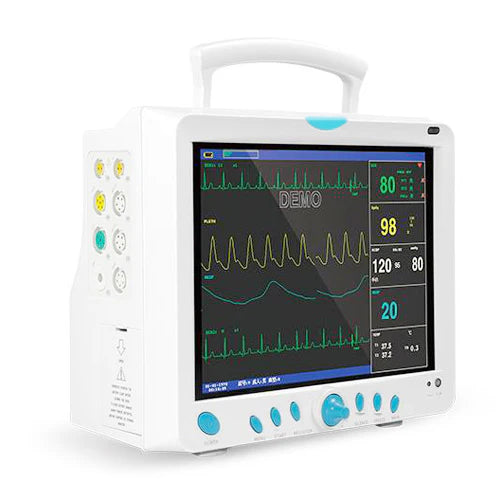
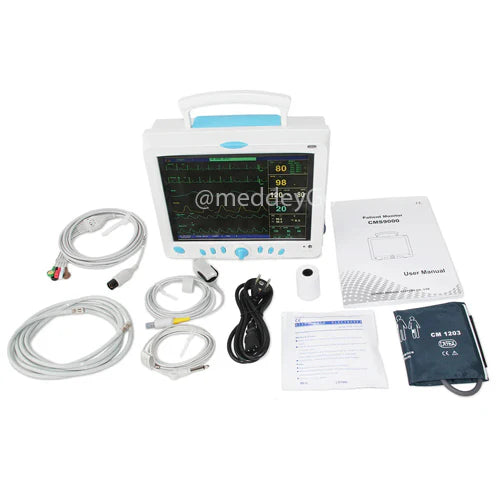
CONTEC CMS 9000 5 Para Monitor ECG, NIBP, Sp02, Pulse Rate, NIBP and TEMP

Type: para

CONTEC CMS 9000 5 Para Monitor ECG, NIBP, Sp02, Pulse Rate, NIBP and TEMP

Regular price From Rs. 39,999
Sale price From Rs. 39,999 Regular price Rs. 41,400
12_channel_ecg_machine

Type: ecg machine

12 Channel ECG Machine with High Quality Waveforms

Regular price Rs. 56,499
Sale price Rs. 56,499 Regular price Rs. 69,000
Single Channel ECG Machine

Type: ecg

Single Channel ECG Machine

Regular price Rs. 18,879
Sale price Rs. 18,879 Regular price Rs. 27,600
ecg mahine

Type: ecg machine

3 Channel ECG Machine 7 Inch Touch 12 Lead Support

Regular price Rs. 19,779
Sale price Rs. 19,779 Regular price Rs. 32,200
ecg machine

Type: Device

Electrocardiogram Machine 12 Lead ECG 7 Inch Screen

Regular price Rs. 48,499
Sale price Rs. 48,499 Regular price Rs. 60,200
12 channel ecg  machine

Type: ECG Machine

12 Channel ECG Machine with Auto Analysis and Diagnosis Function

Regular price Rs. 56,400
Sale price Rs. 56,400 Regular price Rs. 69,000
ekg machines

Type: ecg machine

3 Channel ECG Machine with High Quality Waveforms

Regular price Rs. 24,932
Sale price Rs. 24,932 Regular price Rs. 32,200
CMS6000 5 Para ICU CCU Vital Signs ECG,NIBP,SPO2,PR,TEMP 8Inch TFT color LCD

Type: ECG Machine

CMS6000 5 Para ICU CCU Vital Signs ECG,NIBP,SPO2,PR,TEMP 8Inch TFT color LCD

Regular price From Rs. 29,800
Sale price From Rs. 29,800 Regular price Rs. 35,000
ecg machine bpl

Type:

BPL Cardiart 9108 – 12 Channel ECG Machine

Regular price Rs. 114,800
Sale price Rs. 114,800 Regular price Rs. 180,000
ecg machine bpl

Type:

BPL 12 Channel ECG Machine | Cardiart 9108D

Regular price Rs. 97,400
Sale price Rs. 97,400 Regular price Rs. 148,000
ecg machine

Type: ecg

6 Channel ECG Machine with High Quality Waveforms

Regular price Rs. 34,499
Sale price Rs. 34,499 Regular price Rs. 41,400

Collection: Understanding Proper ECG Lead Placement Techniques

In the realm of healthcare, precision and accuracy are vital, especially when it comes to diagnostic tools like the Electrocardiogram (ECG). Understanding the proper techniques for ECG lead placement is crucial for obtaining accurate readings and ensuring patient safety. This article aims to demystify the process, providing a comprehensive guide to ECG lead placement, its importance, and practical steps.

An Electrocardiogram (ECG) is a non-invasive test that records the electrical activity of the heart. The primary purpose of an ECG is to detect heart abnormalities, monitor heart health, and diagnose conditions such as arrhythmias, heart attacks, and other cardiac issues.

The ECG is designed to measure the electrical signals that trigger the heart's contractions. By capturing these signals, the ECG provides insights into the heart's rhythm and electrical conduction pathways. This information is crucial for identifying arrhythmias and other electrical anomalies that could suggest underlying heart conditions.

A 12-lead ECG is widely used because it provides a comprehensive view of the heart's activity from multiple angles. Despite its name, a 12-lead ECG uses 10 electrodes to capture these views, covering both the frontal and transverse planes of the heart. This multi-angle perspective is essential for identifying specific areas of the heart that may be affected by ischemia or infarction.

The configuration of the 12-lead ECG using 10 electrodes allows for a sophisticated representation of the heart's electrical activity. The limb leads, which are bipolar, and the chest leads, which are unipolar, combine to offer a detailed and varied view of the heart's electrical activity. This setup maximizes diagnostic capability while minimizing the complexity of electrode placement.

The correct placement of ECG leads is essential for accurate readings. Misplaced leads can result in false diagnoses and ineffective treatment plans. Let's delve into the specifics of ECG lead placement.

The chest leads, also known as precordial leads, are placed on the chest and are crucial for observing the heart's transverse plane. Here's how to remember the placement:

  1. V1: Fourth Intercostal Space to the Right of the SternumV1 provides a crucial view of the right side of the heart, especially the atrium and ventricle. Accurate placement here is essential for identifying right ventricular hypertrophy and other right-sided anomalies.
  2. V2: Fourth Intercostal Space to the Left of the SternumV2 complements V1 by offering a view of the septum. It is particularly useful for diagnosing septal infarctions and monitoring changes that might indicate shifting cardiac conditions.
  3. V3: Midway Between V2 and V4V3 serves as a bridge between the septal and anterior views. Its placement is critical for providing a continuous electrical map of the heart from right to left.
  4. V4: Fifth Intercostal Space at the Midclavicular LineV4 focuses on the anterior wall of the left ventricle. This lead is vital for detecting anterior myocardial infarctions, which can have significant clinical implications.
  5. V5: Level with V4 at the Anterior Axillary LineV5 enhances the anterior view by extending it laterally. This lead helps in identifying lateral wall ischemia and infarction.
  6. V6: Level with V5 at the Midaxillary LineV6 offers a lateral perspective, crucial for completing the circumferential view of the heart's electrical activity. It's essential for diagnosing lateral myocardial conditions.

The limb leads provide a view of the heart's frontal plane. They are placed on the patient's arms and legs:

  • RA (Right Arm): Anywhere Between the Shoulder and the ElbowPlacement here captures electrical activity moving towards or away from the right arm, crucial for the interpretation of frontal plane activities.
  • LA (Left Arm): Anywhere Between the Shoulder and the ElbowSimilar to the right arm, this placement helps in viewing the heart's electrical activity from another angle, providing a balanced view of the frontal plane.
  • RL (Right Leg): Anywhere Between the Hip and the AnkleWhile primarily a reference, this electrode helps stabilize the electrical baseline, ensuring that the ECG readings are accurate and consistent.
  • LL (Left Leg): Anywhere Between the Hip and the AnkleThis lead is essential for capturing the electrical flow towards the lower part of the body, completing the necessary inputs for a comprehensive frontal plane view.

Lead II is often the most monitored lead in ECG because it aligns with the heart's natural electrical axis, providing a clear view of the heart's rhythm.

Lead II captures the electrical activity along the heart's major axis, parallel to the direction of depolarization. This alignment makes it exceptionally sensitive to detecting P-waves and QRS complexes, which are pivotal for rhythm interpretation.

Because Lead II provides a clear representation of cardiac rhythm, it is frequently used for continuous monitoring. It is particularly adept at identifying arrhythmias, making it a staple in both acute and chronic cardiac care settings.

Lead II is not only used in standard ECGs but also during stress tests and Holter monitoring. Its ability to provide a stable and clear rhythm trace under varying conditions makes it invaluable for these extended monitoring scenarios.

For comprehensive cardiac evaluation, additional leads like V7, V8, and V9 can be used, especially in cases of posterior myocardial infarction:

The posterior leads are crucial in detecting infarctions that might not be visible on standard anterior and lateral leads. They provide a unique view of the heart's posterior wall, which is often underrepresented in traditional ECGs.

  • V7: Posterior Axillary Line, Horizontal to V6This lead extends the lateral view towards the back, allowing for the detection of posterior wall abnormalities that might otherwise go unnoticed.
  • V8: Midscapular Line, Horizontal to V7By moving further back, V8 provides a direct view of the posterior cardiac surface, crucial for diagnosing posterior myocardial infarctions.
  • V9: Paravertebral Line, Horizontal to V8V9 completes the posterior view, offering insights into conditions affecting the backside of the heart, which can have significant clinical implications.

In certain clinical scenarios, such as suspected right ventricular infarctions or conditions affecting the right atrium, additional leads like right-sided V4R can be employed. These specialized placements provide tailored insights into specific cardiac regions, enhancing diagnostic accuracy.

Advanced lead placement techniques are instrumental in providing a full cardiac assessment. They enable healthcare providers to tailor ECG readings to individual patient needs, ensuring that no aspect of cardiac health is overlooked.

Setting up an ECG requires attention to detail. Here's a simplified step-by-step guide:

  1. Ensuring Patient ComfortBegin by ensuring the patient is relaxed and in a comfortable, supine position. This reduces muscle tension and movement, which can introduce artifacts into the ECG tracing.
  2. Skin Preparation for Optimal Electrode ContactClean the skin with alcohol wipes to remove oils and sweat, ensuring good electrode adherence. This step is crucial for minimizing resistance and improving signal quality.
  3. Educating the Patient on the ProcedureExplain the procedure to the patient to alleviate any anxiety. Understanding what to expect can help the patient remain calm and still, further reducing artifacts.
  4. Attaching Electrodes to the Correct LocationsFollow the outlined positions for each electrode, ensuring precision in placement. Double-check each position to confirm accuracy.
  5. Securing Electrodes to Prevent MovementUse adhesive pads or straps to secure electrodes, preventing movement that could disrupt the signal. Ensure that each electrode is firmly in place.
  6. Checking for Skin IrritationsBe mindful of any skin irritations or allergies to adhesive materials. Adjust the placement or use hypoallergenic adhesives if necessary.
  7. Connecting Leads to the ElectrodesAttach the lead wires to the corresponding electrodes, ensuring each connection is tight and secure. Loose connections can lead to signal loss or noise.
  8. Organizing Lead Wires for Comfort and ClarityArrange the lead wires neatly to prevent tangling, which can cause discomfort and make troubleshooting more difficult.
  9. Verifying Lead IdentificationDouble-check that each lead is correctly identified and connected to the appropriate electrode to prevent misinterpretation of the ECG.
  10. Turning on the ECG MachineActivate the ECG machine and ensure it is set to the appropriate mode for the type of monitoring required.
  11. Monitoring Initial Readings for ConsistencyObserve the initial ECG readings to check for any irregularities or artifacts. This allows for immediate adjustments if necessary.
  12. Recording the ECG TraceOnce satisfied with the signal quality, record the ECG trace, ensuring a clear and uninterrupted capture of the heart's electrical activity.

Misplacement of leads is a common issue that can lead to incorrect diagnosis. Double-checking each lead's position before recording is crucial.

Accurate lead placement is fundamental to obtaining reliable ECG readings. Misplaced leads can mimic or mask cardiac abnormalities, leading to misdiagnosis and inappropriate treatment.

To avoid misplacement, healthcare professionals should use anatomical landmarks and mnemonic devices to remember lead positions. Regular training and practice can enhance confidence and accuracy in lead placement.

If an ECG reading appears unusual or unexpected, revisiting and re-evaluating lead placement is a critical step. Ensuring all leads are correctly positioned can prevent diagnostic errors.

Artifacts are unwanted disturbances in the ECG signal. Ensure electrodes are properly adhered, and ask the patient to remain still to minimize artifacts.

Artifacts can arise from various sources, including muscle tremors, electrical interference, and loose electrodes. Identifying the type of artifact is the first step in addressing it.

Patient movement is a common source of artifacts. Instructing the patient to stay still and providing a comfortable environment can significantly reduce movement-induced noise.

Electrical interference from nearby equipment can also cause artifacts. Ensuring that the ECG machine and patient are appropriately isolated from other electrical devices can help maintain signal integrity.

The 12-lead ECG uses 10 electrodes to provide 12 different views of the heart. The limb leads are bipolar, and the chest leads are unipolar, allowing for multiple perspectives with fewer electrodes.

The configuration of the 12-lead ECG uses both bipolar and unipolar leads to maximize diagnostic information. Bipolar leads measure the difference in electrical potential between two points, while unipolar leads measure the electrical potential at a single point relative to a central reference.

Using 10 electrodes to capture 12 leads is a testament to the efficiency of ECG technology. By strategically placing the electrodes, healthcare providers can gather a comprehensive view of the heart's electrical activity without the need for additional hardware.

The development of the 12-lead ECG system has evolved over decades, incorporating advancements in technology to enhance the quality and accuracy of cardiac assessments. Understanding this evolution can provide insights into the ECG's current capabilities and future directions.

Understanding and implementing proper ECG lead placement techniques is vital for healthcare professionals. Accurate lead placement ensures reliable ECG readings, aiding in effective diagnosis and patient care. By mastering these techniques, healthcare providers can significantly enhance the quality of cardiac assessment and improve patient outcomes.

Accurate ECG interpretation is crucial for effective patient care. Proper lead placement ensures that healthcare providers have access to reliable data, enabling them to make informed decisions about diagnosis and treatment.

For hospital administrators, optimizing equipment procurement and ensuring staff are trained in proper ECG usage can lead to better patient care. For medical equipment distributors, understanding market demands and offering comprehensive training with equipment can differentiate products in a competitive market.

Lastly, healthcare technology consultants can provide cutting-edge insights into ECG advancements, helping clients make informed decisions in a rapidly evolving landscape. By focusing on these strategies, healthcare professionals can ensure that they are equipped to deliver the highest standard of care. Continued advancements in ECG technology and training will further enhance the effectiveness of cardiac care, improving patient outcomes across the healthcare spectrum.

ECG Lead Placement : Q&A

Question: Why does a 12-lead ECG use only 10 electrodes?

Short answer: The 12-lead ECG achieves 12 views of the heart’s electrical activity by combining signals from 10 electrodes. The limb electrodes generate bipolar leads (which measure differences between two points) and unipolar augmented views, while the six chest (precordial) electrodes provide unipolar leads across the transverse plane. This configuration maximizes diagnostic information from multiple angles without needing more hardware.

Question: How should I place the chest (precordial) leads V1–V6?

Short answer: Use anatomical landmarks and place them as follows:

  • V1: 4th intercostal space (ICS), right sternal border
  • V2: 4th ICS, left sternal border
  • V3: Midway between V2 and V4
  • V4: 5th ICS, midclavicular line
  • V5: Level with V4, anterior axillary line
  • V6: Level with V5, midaxillary line Accurate placement ensures proper views of septal, anterior, and lateral walls, reducing the risk of false findings.

Question: Why is Lead II often chosen for continuous monitoring?

Short answer: Lead II aligns with the heart’s natural electrical axis, capturing depolarization along the major pathway. This produces clear P-waves and QRS complexes, making rhythm interpretation straightforward. Because of this clarity and stability, Lead II is commonly used in standard ECGs, stress tests, Holter monitoring, and continuous bedside monitoring.

Question: When should I use additional leads like V7–V9 or right-sided leads?

Short answer: Use posterior leads (V7, V8, V9) when a posterior myocardial infarction is suspected or when standard anterior/lateral leads don’t explain symptoms. Placement: V7 at the posterior axillary line (horizontal to V6), V8 at the midscapular line (horizontal to V7), and V9 at the paravertebral line (horizontal to V8). Consider right-sided leads such as V4R in suspected right ventricular infarction or right atrial involvement to gain tailored views of right-sided cardiac activity.

Question: What problems arise from lead misplacement or artifacts, and how can I prevent them?

Short answer: Misplaced leads can mimic or mask cardiac abnormalities, leading to misdiagnosis. Artifacts from movement, loose electrodes, skin oils/sweat, or electrical interference can distort tracings. Prevention steps include:

  • Ensure patient comfort and stillness (supine, relaxed)
  • Prepare skin (clean, dry) and secure electrodes firmly
  • Use anatomical landmarks; double-check lead identification and connections
  • Organize cables to avoid tugging/tangling
  • Minimize nearby electrical interference If the tracing looks unusual, recheck placement and connections before interpreting.